Key points
- Meta Platforms (META) closed up about 4.7% on July 9, 2026, its best day in over a week, running from around $584 at the open to about $631 at the close.
- Three things landed on the same day. Meta's Superintelligence Labs unit put out a new coding model called Muse Spark 1.1. Mark Zuckerberg posted on X for the first time in three years to announce it. And the stock kept climbing on top of last week's $9 billion Canada data center commitment.
- The gains accelerated hardest in the final hour of regular trading, the same stretch when Zuckerberg's post was spreading across social media.
- None of this is free money. A week earlier, Zuckerberg told staff that AI agents haven't progressed as fast as he'd hoped, and the stock had already popped 9% once this month on separate data center news.
Meta Platforms (META) stock closed up about 4.7% on Thursday, July 9, its best day in more than a week, running from around $584 at the open to roughly $631 by the closing bell. The move did not come from one single headline. It came from three things arriving on the same day: a new AI model, a very unusual social media appearance from the company's own CEO, and a data center commitment the market had already been digesting since last week.
A new coding model, and an unusual messenger
Meta's Superintelligence Labs unit released Muse Spark 1.1 on July 9, a coding and agentic AI model built for tool use, computer use, and multi-step tasks, with a 1 million token context window and the ability to hand work off to sub-agents running in parallel. Meta says early benchmarks put it competitive with GPT-5.5. Two days earlier, on July 7, Meta had already put out Muse Image, its first image-generation model. By its own numbers it trails OpenAI's newest image model but beats Google's Nano Banana 2 at multi-image editing tasks.
Zuckerberg was the bigger surprise. He hadn't posted on X since 2023, when his last update there was a meme of two Spider-Man characters pointing at each other. On July 9 he broke that streak to introduce Muse Spark 1.1 himself, then spent the day retweeting chief AI officer Alexandr Wang and a handful of AI benchmarking accounts. A tech CEO promoting his own launch is routine. One doing it on a platform he'd ignored for three years, built by a direct rival, is not.
The data center backdrop
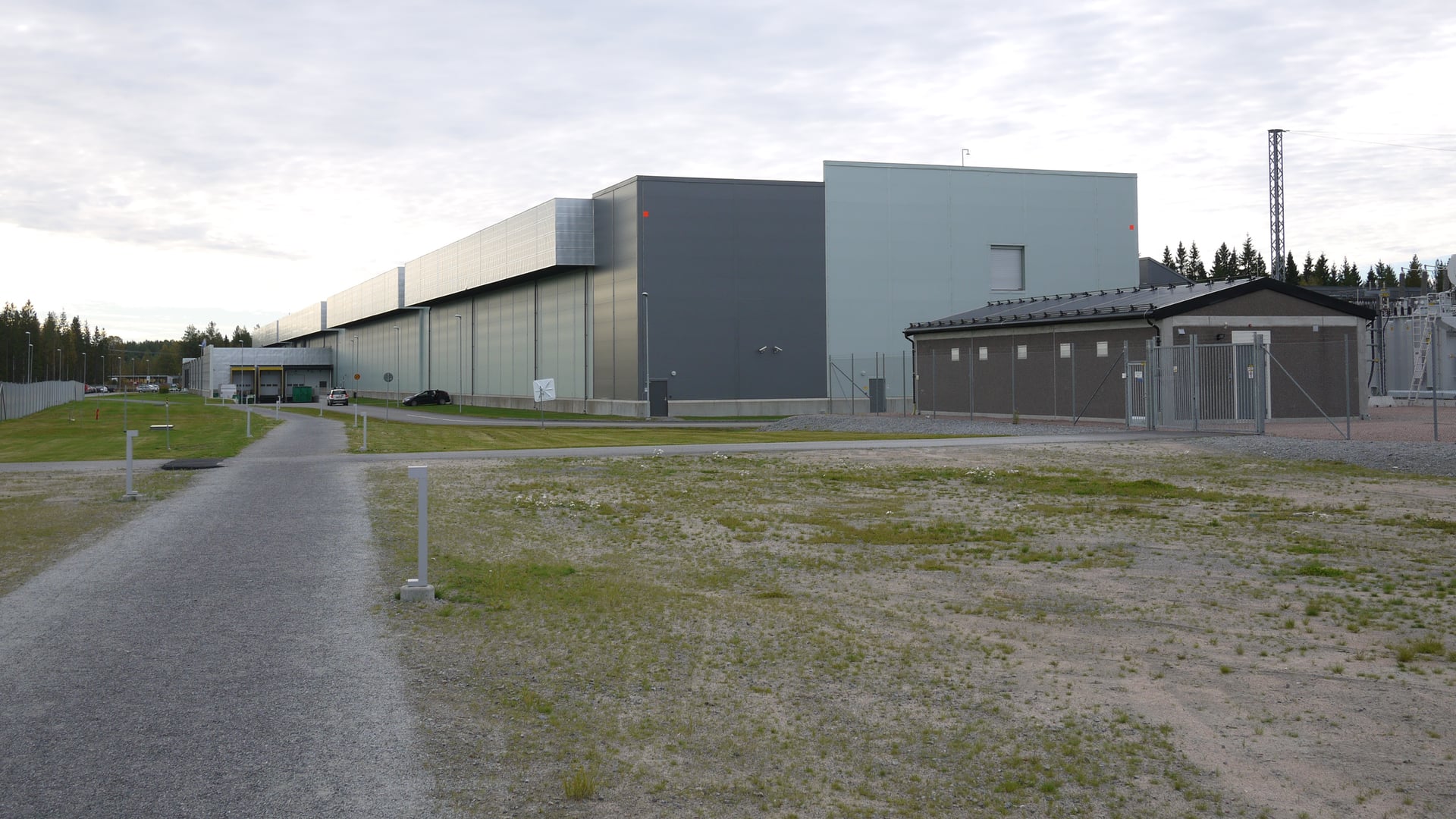
Before the AI model, there was already a reason Meta stock was climbing. Meta broke ground on July 8 on a 1-gigawatt data center in Sturgeon County, Alberta, its first in Canada and its biggest build anywhere outside the US. The price tag runs to C$13 billion, about $9 billion. Construction alone will employ more than 3,000 workers at peak over the two to three years it takes to build, and Meta is paying for the new grid and power generation itself. It also sits awkwardly next to Meta's own claim, made just a week earlier, that it had spare AI compute to sell. We broke that contradiction down in our piece on the Alberta data center.
That contradiction was still driving the conversation around Meta on Thursday morning. Chip and memory stocks were having their best day in weeks on the same data center news, something we covered in our look at the broader compute-demand rally. Meta's own stock, oddly, was down slightly in early trading while its suppliers rallied. The Muse Spark news reversed that by afternoon.
How the day unfolded
Meta opened Thursday near $584, dipped to about $577 in the first half hour, then climbed in a fairly steady line for most of the session. Then it picked up speed again. In the final hour of regular trading, the stock added another 2.5%, jumping from about $616 to its roughly $631 close. The timing lines up with when Zuckerberg's post and the Muse Spark news were spreading online, but that's circumstantial. The stock gave back a few dollars after hours once the bell rang.
What's already priced in
Meta stock isn't cheap chasing this move. It's up roughly 16% from its late-June low near $543, and Thursday marks the second big single-day jump this month. The original Meta Compute cloud-business report already sent the stock up about 9% on July 1 alone. Thursday's 4.7% stacks directly on top of that earlier gain.
There's a real tension here too. A week before Thursday's rally, on July 2, Zuckerberg told staff internally that AI agents haven't progressed as quickly as he'd hoped. That's a far more guarded take than the one he brought to X a week later to sell Muse Spark 1.1 as ready for agentic work. Both can be true at once. A model can be a genuine step forward and still miss the CEO's own private bar for what AI agents should be doing by now.
Thursday added up to a genuinely good day for Meta. A real product and a real data center both landed within the same week, and its own CEO made an unusually public show of tying his name to the moment. What it didn't do is settle the bigger question hanging over this stock: whether Meta's AI spending is actually paying off, or its compute story adds up at all. That question isn't going anywhere, and it'll keep showing up in this stock's swings long after Thursday's headlines are forgotten.
This is general market commentary and opinion, not investment advice. Markets can go down as well as up, and you can lose money. Always do your own research and consider speaking with a licensed financial professional before making any investment decision.