News, analysis, and tools for AI-related stocks
AIStockWire covers the public companies behind the AI boom, from chipmakers to energy to software. We publish news, earnings coverage and stock analysis, and build free tools that track what insiders, Congress and hedge funds are actually buying.
Latest from the Wire
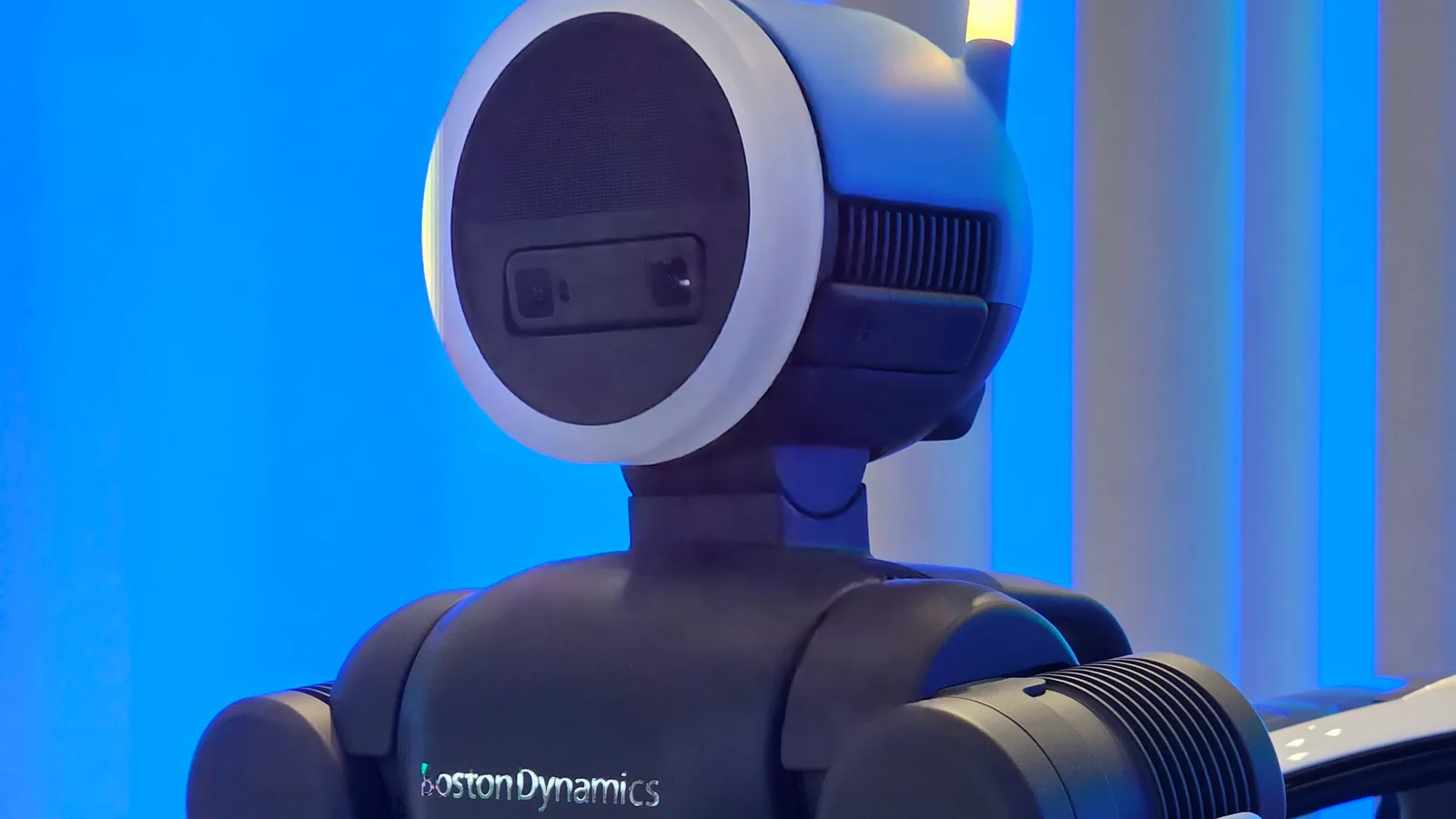
Hyundai Motor (005380) has lost half its value since June. A Boston Dynamics listing now looks years away.
A Hyundai Motor Group executive told Reuters that taking Boston Dynamics public in 2027 will not be easy. The robot maker lost nearly 1.7 trillion won over the past five years, and Hyundai shares have halved since June 1.

Samsung is funding Euclyd, an Nvidia (NVDA) challenger that skips the memory Samsung sells
Samsung co-led a $230 million round for Euclyd, a two-year-old Dutch startup building an AI inference chip that replaces HBM with its own memory design. Former ASML chief Peter Wennink is chairman, and nothing ships until 2028.
Palantir (PLTR), Nvidia and Booz Allen are curbing Anthropic model use over data and IP fears
Three large companies have restricted Anthropic's models or told the company they will, over concerns a provider could retain customer data and IP, The Information reported. Anthropic announced a response two weeks earlier that is still rolling out.

Fujitsu (FJTSY) opens MONAKA server sales in November as global CPU rollout follows
Fujitsu opens sales of its MONAKA servers in Japan and Europe in November 2026, with shipments starting April 2027. The standalone processor is planned for cloud and data center operators in the quarter ending March 2027.

DeepSeek plans first CFO hire as CITIC prepares possible Shanghai listing
Reuters reports DeepSeek plans to hire GL Ventures partner Yan Wentao as its first finance chief. CITIC Securities is already preparing a possible STAR Market listing, and the reason is less about money than about paying engineers enough to keep them.

What is AI distillation? Why the NSA, CISA and FBI now treat it as a security threat.
Distillation means training one AI model on another model's outputs. It is a standard technique from a 2015 Google paper, and it is also what the NSA, CISA and FBI accused six Chinese companies of running at industrial scale. Here is the difference.
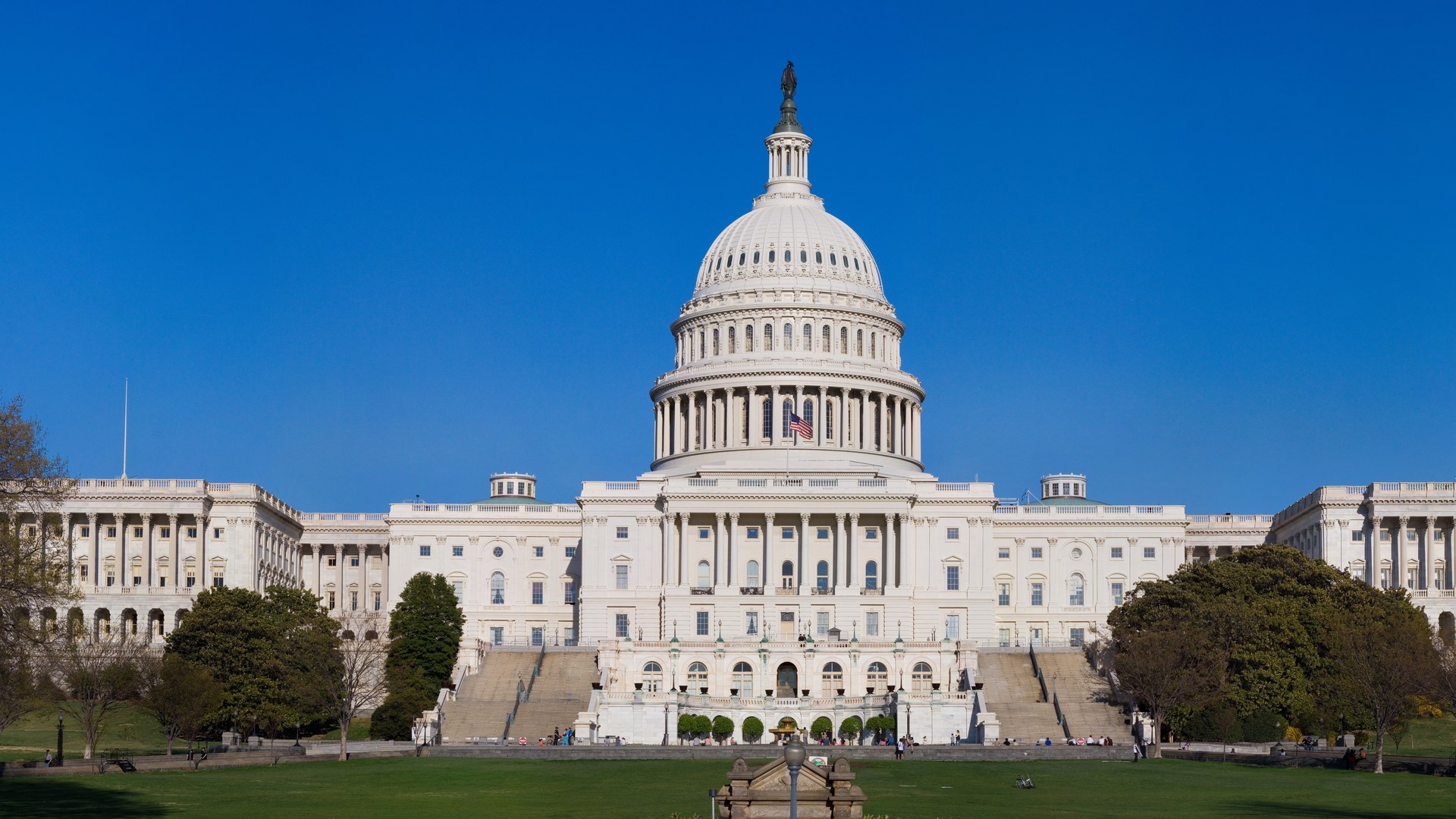
Do members of Congress trade industries their committees oversee? Yes, in 15.4% of tracked trades.
Of 1,186 disclosed congressional trades where both the company sector and the member's committee seats are known, 183 fell inside a sector that member helps write law over. A dated snapshot of the overlap rate, the caveats, and how it is calculated.

Leopold Aschenbrenner's fund raised about $2.6 billion more since March. The investor count went from 93 to 135.
An amended Form D filed Monday shows Leopold Aschenbrenner's fund has sold $4.35 billion of partnership stakes since 2024, up from $1.76 billion in March, with the investor count rising from 93 to 135.

Europe backs its own space cargo capsule as SpaceX (SPCX) and Blue Origin skip Paris summit
The European Space Agency signed a 760 million euro cargo-capsule contract with a startup founded in 2021, and two European space companies raised $796 million in the same week. SpaceX and Blue Origin were not at the summit where the deal was signed.
JPMorgan double-upgrades IREN Ltd (IREN) as AI slowdown rattles peers
JPMorgan moved IREN two notches to overweight and lifted its target to $65 from $46, hours after co-CEO Daniel Roberts posted a long rebuttal to the calls for an AI slowdown. Every comparable name we checked fell on Monday. IREN did not.
Kioxia weighs $10 billion US ADR deal as SK Hynix (SKHY) stake comes into focus
Bloomberg reports Kioxia is weighing an ADR listing of at least $10 billion. The listing plan has been public since May, so the number is the new part, and the company's biggest holder is the NAND rival it competes against.
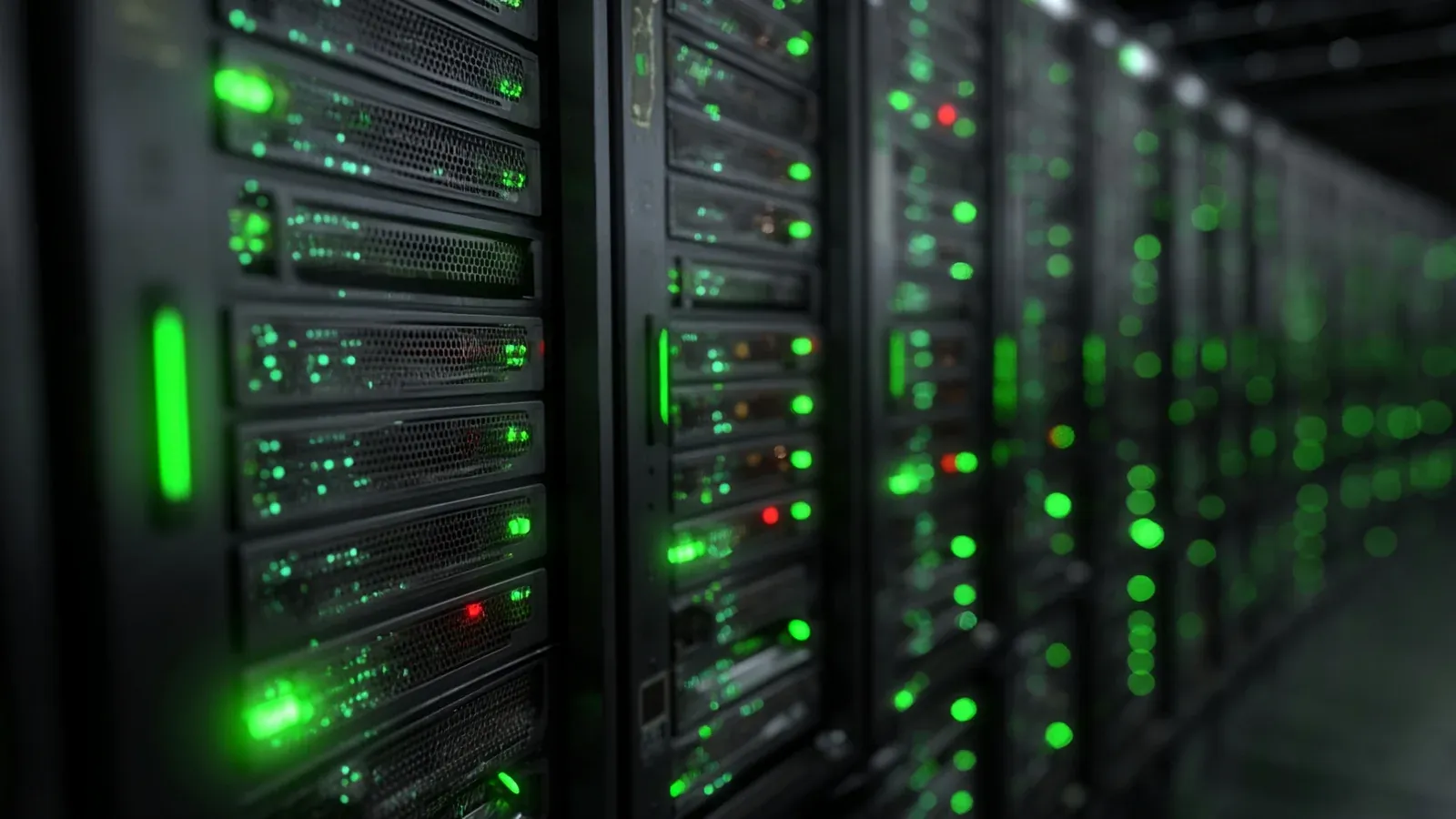
India's AI data center capacity goes from 275 MW to 6,546 MW by 2030. The best plays trade in Mumbai.
India's data centers are headed for about 3% of national electricity by 2030, and the long contracts they sign are what make battery-backed solar projects financeable. The US-listed ways to play it are thin, and the most obvious one is being taken private.