Key points
- SK Hynix (SKHY) starts trading on Nasdaq July 10, raising about $28 billion in the largest first-time US fundraising a foreign company has ever done.
- Leopold Aschenbrenner's Situational Awareness fund was named a cornerstone investor alongside Baillie Gifford and Coatue. That is an indication of interest capped at $7 billion across all three, not a commitment.
- Here is what makes that strange: the same fund's single biggest disclosed position is a roughly $2 billion put against the semiconductor ETF, and it holds a put against Micron (MU) too.
- A fund that has been leaning against chips put its name on a memory chipmaker's US debut. That is the part worth paying attention to.
Most of the coverage of SK Hynix's giant Nasdaq listing is going to lead with the size, and fair enough, the size is genuinely huge. I want to lead with something else: who is buying, and why one of those buyers makes me sit up.
The South Korean memory giant confirmed on July 6 that it is raising about 43 trillion won, roughly $28 billion, by listing depositary receipts in the US. A depositary receipt is just a US-traded certificate that stands in for shares of a foreign company, so American investors can buy it in a normal brokerage account. This one is on track to be the largest first-time US fundraising any foreign company has ever pulled off, bigger than Alibaba back in 2014. Trading starts Friday, July 10, under the ticker SKHY, with pricing locked in the day before.
The buyer that does not fit
Three heavyweight funds were named as cornerstone investors, which sounds firmer than it is. The prospectus calls these indications of interest, says they are not binding agreements or commitments to purchase, and warns that any of the three may end up buying more, fewer, or no shares at all. Two of them are exactly who you would expect. Baillie Gifford has owned SK Hynix since 2000. Coatue, the tech fund Philippe Laffont started in 1999, has been in and around these names for years. Between the three anchors, the combined interest runs up to $7 billion, about a quarter of the whole raise.
The third name is the one I keep staring at. Situational Awareness, the fund run by former OpenAI researcher Leopold Aschenbrenner, was named alongside them. We have dug into how this fund actually plays the AI trade before, and a cornerstone check into a memory chipmaker is close to the last thing that history would predict.
Why that is a genuine head-turner
Start with what Aschenbrenner actually owns. His most recent quarterly filing is full of AI infrastructure longs, power names and data centers alongside former bitcoin miners now chasing AI compute. IREN, Riot Platforms (RIOT), CleanSpark (CLSK) and HIVE Digital (HIVE) are all in there. Sitting right next to those longs, though, is a pile of bearish options bets against the chips themselves, and the single largest position in the whole filing belongs to that pile: a put worth roughly $2 billion against the VanEck Semiconductor ETF, which tracks the entire chip sector. More puts stack up behind it, against Nvidia (NVDA), Broadcom (AVGO), AMD, and Micron (MU), SK Hynix's closest competitor in memory.
I want to be straight about one caveat, because it matters. A 13F filing shows what options a fund holds, not whether it is long or short those puts, or what its net exposure adds up to. I am not going to hand you "Aschenbrenner is short the chip sector" as a settled fact. What the filing does clearly show is a large, deliberate wall of bearish positioning against chip stocks, parked right beside his AI infrastructure bets, and Wall Street mostly reads that as someone who wants exposure to the AI buildout without paying today's prices for the chips underneath it.
Put that filing next to the cornerstone listing and you get a real, documented tension, not a rumor. His own biggest disclosed position bets against the chip sector broadly and against Micron specifically, and his fund was willing to have its name attached to Micron's biggest memory rival at its US debut. That gap tells you something: he apparently sees memory, and probably HBM for AI specifically, as a different animal from the rest of the chips he has been fading.
The case he is likely buying
The pitch for SK Hynix comes down to a valuation gap. The stock trades around 6.2 times forward earnings, well under Micron's roughly 7 times, and Micron's own multiple briefly ran past 11 before pulling back on June 22. Price-to-sales tells a similar story: SK Hynix near 3.6 times against Micron's 4.6, per reporting from The Information. So the biggest maker of the memory that Nvidia's AI chips cannot run without is also, right now, one of the cheaper ways to own the trade.
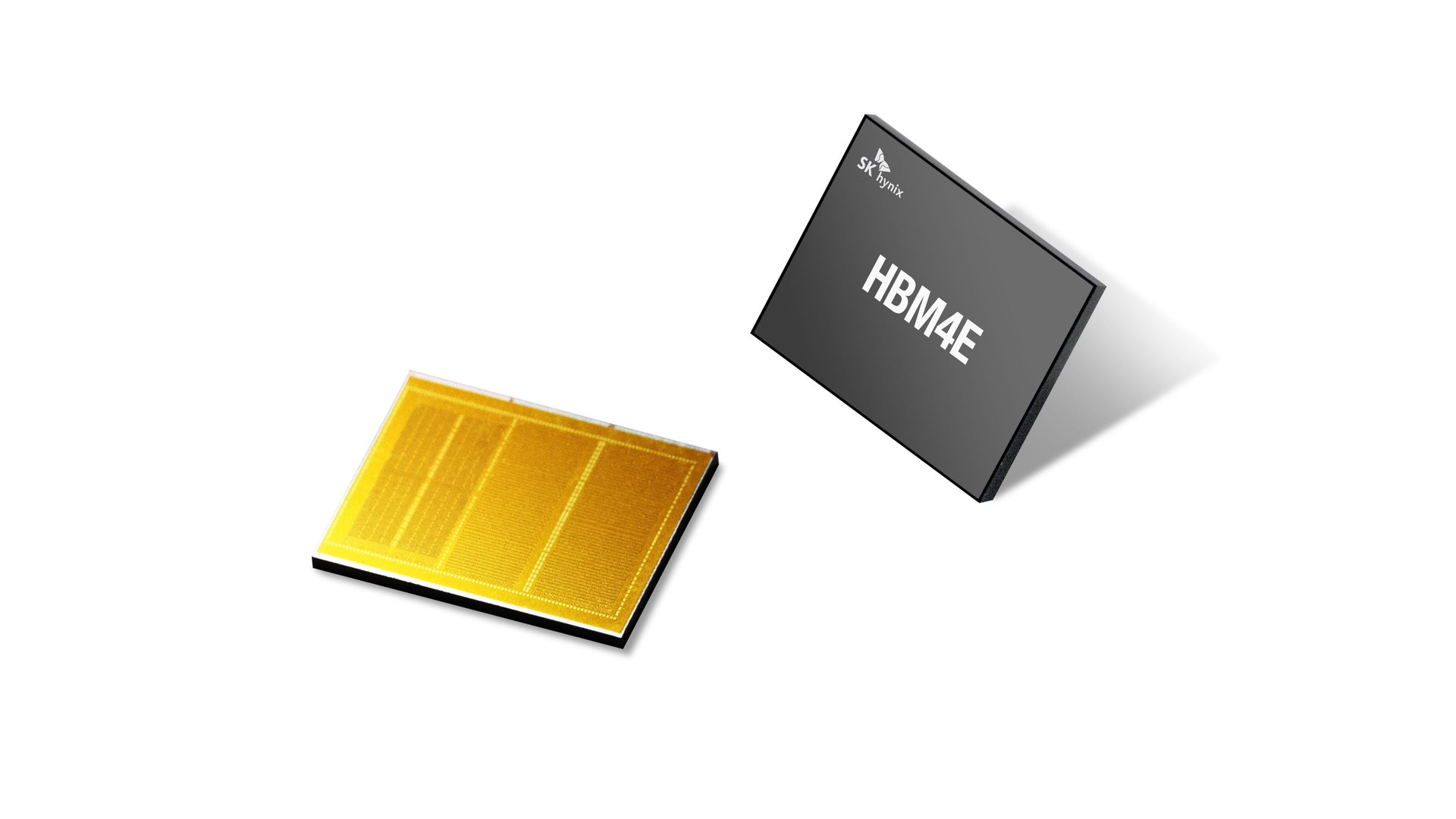
UBS lifted its 12-month price target on July 3, from 3 million to 3.2 million won, and kept its buy rating. The bank's near-term catalyst is HBM4 memory moving into full production and shipment, with long-term supply deals and possible post-listing buybacks behind it.
How the deal is built
Ten depositary receipts stand in for one SK Hynix share, and if you want the plain mechanics of how to actually buy SKHY, we covered that separately. The reference price was set at 242,500 won per receipt, about $158, based on the July 3 close in Seoul. An earlier estimate from the larger version of this deal had floated closer to $166, so do not be surprised to see that figure floating around too. SK Hynix actually trimmed the size of the raise after its Seoul shares slipped, and even so the stock is up about 273% on the year. Under South Korean holding-company rules, the parent, SK Square, keeps at least a 20% stake. Most of the cash is headed home, into new fab capacity in Korea and more ASML lithography gear, not US operations. Bank of America, Citi, Goldman Sachs, and JPMorgan are running the offering.
The other side of the trade
Now the sober part, because a stock up 273% deserves it. Memory is cyclical, always has been, and the people cheering a memory super-cycle are the same people who remember how the last few ended. Standard Chartered's equities CIO, Sundeep Gantori, currently pegs the cycle as "mid-cycle," not early. I would not read that as a sell signal. I would read it as a reminder that showing up late to a memory run has historically been an expensive way to learn the lesson. A concentrated bet on a single memory name, anchored right at its US debut, is a wager that this cycle still has real room left before the turn.
There is also an index angle worth keeping honest. You will hear that the listing pulls SK Hynix into the Nasdaq-100 and forces index funds to buy. Eventually, maybe, but the earliest realistic shot at Nasdaq-100 entry is the December 2026 reshuffle, not day one. The nearer-term passive buying, if it comes, is more likely tied to the Philadelphia Semiconductor Index.
What to watch
- July 9: final pricing on the receipts.
- July 10: SKHY starts trading on Nasdaq.
- HBM4 production and shipment progress, the catalyst UBS put at the top of its list.
- Situational Awareness's next filing, to see how much of that $7 billion combined cornerstone interest actually got filled, and whether the big bearish chip positions changed alongside it.
Sources
- Reuters via Yahoo Finance, SK Hynix launches roughly $28 billion Nasdaq listing
- CNBC, SK Hynix's Nasdaq ADR listing
- Crypto Briefing, Situational Awareness anchors SK Hynix US listing
- TrendSpider, Situational Awareness LP 13F breakdown, including the SMH put
- Fortune, SK Hynix's Nasdaq listing and its valuation versus Micron
This is general market commentary and opinion, not investment advice. Prices, targets, and deal terms are as of early July 2026 and will move. A 13F filing discloses option positions but not their long or short direction or a fund's net exposure, so descriptions of any fund's bearish chip positioning are based on the disclosed holdings, not on confirmed short sales. Always do your own research and consider speaking with a licensed financial professional before making any investment decision.