Key points
- Samsung's preliminary Q2 operating profit hit 89.4 trillion won ($58.5 billion), up about 18-fold year over year and above analyst consensus, though these are early, preliminary-session numbers that can still move before the full report lands.
- Shares still opened down about 5%, hurt by a large employee bonus provision and profit-taking after a huge run into the print.
- The selloff is concentrated in memory: Micron, SanDisk, and Western Digital are down around 3%, while Nvidia, AMD, and Broadcom are down about half a percent.
- The Nasdaq 100 itself is only down about 0.5%, so this looks like a memory-chip story, not a market-wide one.
We keep saying it and it keeps happening: a company posts a genuinely great quarter, and the stock goes down anyway. Samsung Electronics just delivered one of the best quarters in its history. Its stock opened lower within minutes of the numbers hitting the wire. Micron (MU), SanDisk (SNDK), and Western Digital (WDC) are all down hard in sympathy tonight, and not one of those three companies reported anything themselves today. A quick note before we get into it: this is all still fresh. We are writing this in the after-hours and preliminary Korean session, and these numbers can and probably will shift before regular US trading even opens.
The actual beat
Samsung's preliminary second-quarter operating profit came in at 89.4 trillion won, about $58.5 billion at today's exchange rate. That is up roughly 1,810% from the same quarter last year, and it landed above the roughly 84 to 87 trillion won range analysts were modeling, depending on whose survey you use. Revenue told a slightly different story: 171 trillion won, just under the roughly 173 trillion won consensus, a rare miss buried inside an otherwise record print.
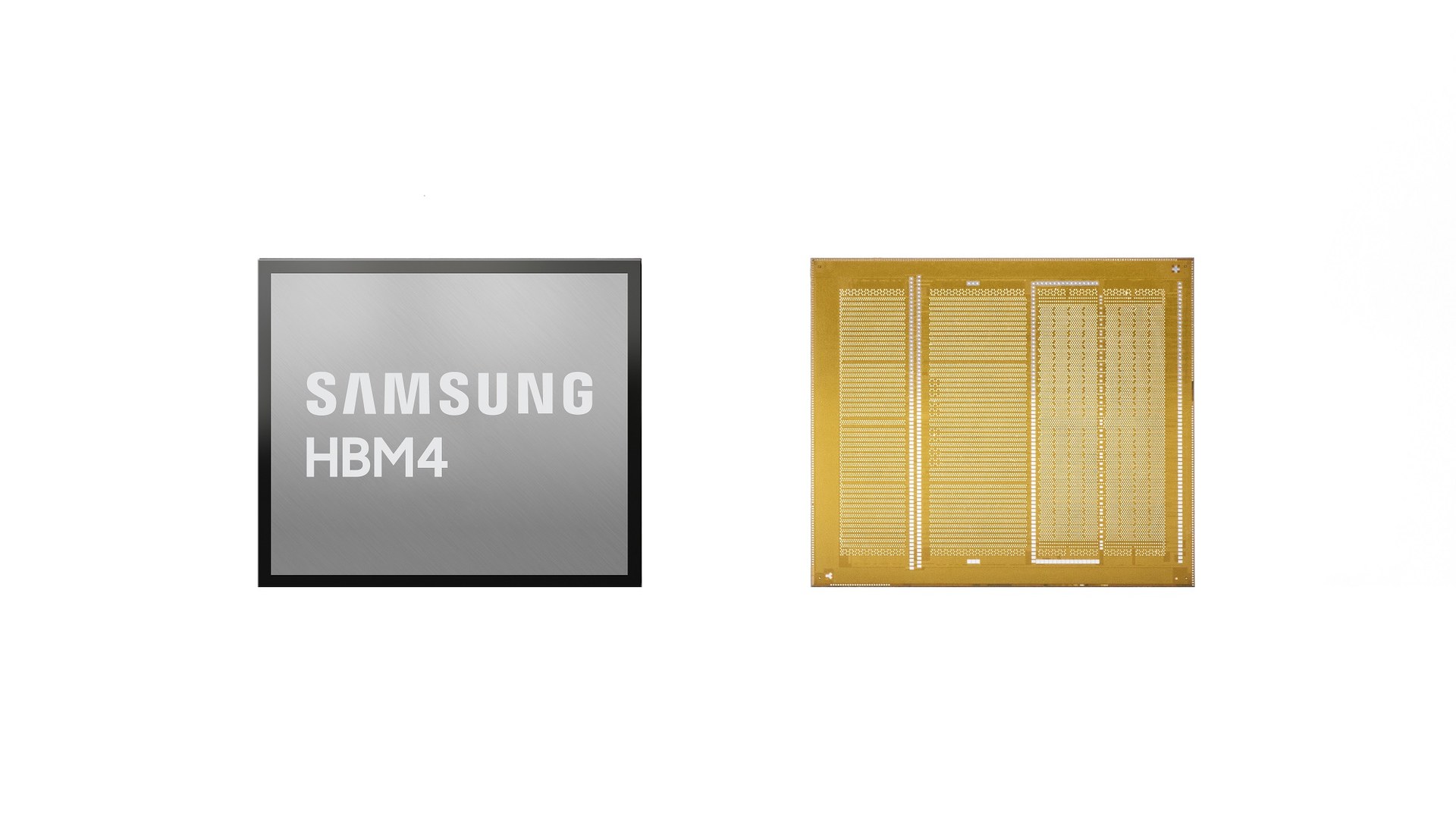
The memory business drove nearly all of it. AI server demand has kept DRAM and NAND pricing firm, and Samsung has been ramping its newer HBM4 chips into that demand. Full segment detail arrives with the audited report on July 23. For now, the headline is simple: this was the best quarter the company has ever reported.
Why the stock fell on a beat this big
Start with the number nobody was modeling for. Samsung agreed to scrap its old 1,000% base-salary bonus cap after labor negotiations and set aside 10.5% of operating profit for employee bonuses instead. That is a real cost, and it ate into how clean the beat actually looked once investors read past the headline. Layer on top of that a stock that had already jumped 8.2% last Friday and kept climbing into Monday, and there was not much room left for a good quarter to still surprise anyone. A record profit that misses on revenue and carries a fresh bonus expense is exactly the kind of print that gets sold into, not bought.
This is a memory story, not a Nasdaq story
The instinct is to call this a tech-wide selloff. Pull up the actual board tonight and that story falls apart fast. Here is the after-hours reaction across the group we are watching, lined up side by side:
| Stock | Move |
|---|---|
| Micron (MU) | -3.7% |
| SanDisk (SNDK) | -3.1% |
| Western Digital (WDC) | -2.9% |
| Lam Research (LRCX) | -2.0% |
| Applied Materials (AMAT) | -1.9% |
| Broadcom (AVGO) | -0.6% |
| Nvidia (NVDA) | -0.5% |
| AMD | -0.5% |
| Nasdaq 100 (QQQ) | -0.5% |
Notice where the damage actually sits. The storage and DRAM names at the top of that list are getting hit several times as hard as the AI compute names near the bottom, and the index itself is barely moving. That is not what a broad tech selloff looks like. It is what a memory-specific reaction looks like, spilling a little into the equipment makers who sell to that industry and barely touching the chips that do the actual AI computing. We saw the same shape on July 1, when chips had their third-worst day of the year and the S&P barely noticed, and again in TeraWulf's Monday fade, a real beat that got sold anyway because the price had already run too far ahead of it.
The Anthropic wrinkle
Some of Samsung's run into this earnings print traces back to reports that Anthropic is in early talks with Samsung about a custom AI chip built on its 2nm process, first reported last Thursday and a big part of Friday's sharp Kospi rebound. Nothing here is finalized. Anthropic has told reporters it has nothing further to add and has been deliberately spreading its hardware bets across Google, Amazon, Nvidia, and reported talks with Microsoft, so a Samsung chip is one option among several, not a signed deal. Treat it as a rumor until Samsung or Anthropic actually confirms something.
What is actually slowing down
Behind all of this sits a real, if modest, deceleration. TrendForce forecasts DRAM contract prices rising 13% to 18% in the third quarter, and NAND 10% to 15%, both still climbing but well off the 58% to 75% jumps logged in the second quarter. Prices are not falling. The pace of the increase is just cooling off, and after a stretch where the whole sector got used to sprinting, even settling into a jog is apparently enough to spook people.
The next catalyst lands Friday, when SK Hynix's roughly $29 billion Nasdaq listing begins trading under the ticker SKHY, the largest ADR listing on record. How that debuts will say a lot about whether today's reaction is a one-day flinch or the start of something longer.
Sources
- CNBC, Samsung Electronics' preliminary second quarter profit hits fresh high
- Korea Herald, Samsung Q2 profit hits record W89.4tr, up 1,810% on-year
- TrendForce, Q3 2026 DRAM and NAND contract price forecast
- TechCrunch, Anthropic is discussing a new custom chip with Samsung
- CNBC, Samsung, SK Hynix shares tumble as chip rout spreads from Wall Street
- Fortune, SK Hynix's $29 billion Nasdaq listing
- Cover photo: Samsung Electronics, official HBM4 press image via Samsung Global Newsroom
This story is still developing. Every price here is from the after-hours session and Korea's preliminary Tuesday, July 7, 2026 trading, taken Monday evening into Tuesday, and every one of them can change by the time US markets open, let alone by the time you read this. This is general market news and commentary, not investment advice. Always do your own research and consider speaking with a licensed financial professional before making any investment decision.