Key points
- IBM (IBM) has closed higher four straight sessions and is up sharply again today, roughly 12% higher since last Monday's close, even as chip and memory stocks got hit hard this week.
- Two catalysts landed within a day of each other: BofA raised its price target to $330 on hopes for a strong Q2 print, and IBM announced a quantum computing milestone with Oak Ridge National Lab and Cleveland Clinic.
- IBM also launched compact z17 mainframe and LinuxONE 5 systems today, built for AI workloads in tight data-center space.
- The divergence is real: the broader Nasdaq 100 was down around 1.5% as of midafternoon while IBM kept climbing.
Update: this piece covers the week of July 7, when IBM was rising. IBM then fell about 25% in a single session on July 14, 2026, closing near $217.
Chip and memory stocks have had a brutal week. IBM (IBM) has had the opposite one.
While Samsung's earnings reaction dragged Micron, SanDisk, and Western Digital lower and the broader Nasdaq 100 was down around 1.5% as of midafternoon, IBM closed higher four sessions running and was trading up another 3.8% or so, near $311. That puts the stock up roughly 12% since last Monday's close. Two different stocks, two different weeks, same market.
The numbers
| Date | Close | Change |
|---|---|---|
| Mon, Jun 29 | $278.00 | — |
| Tue, Jun 30 | $281.21 | +1.2% |
| Wed, Jul 1 | $286.25 | +1.8% |
| Thu, Jul 2 | $289.52 | +1.1% |
| Mon, Jul 6 | $299.52 | +3.5% |
| Tue, Jul 7 (midafternoon) | about $311.02 | +3.8% |
That is four confirmed up closes in a row, and a fifth session that was firmly green as of midafternoon. IBM is still about 6.5% below its 52-week high of $332.46, set June 2, so this isn't a stock making new highs. It's a stock climbing back toward them while its AI-adjacent peers fall the other way.
What actually happened this week
Two separate news items landed within about 24 hours of each other, right as the broader chip trade was cracking.
On July 6, Bank of America raised its price target on IBM to $330 from $315, telling clients the company looks well-positioned for a strong second quarter and could raise full-year guidance when it reports. BofA is modeling 3.2% organic revenue growth, about $18 billion in quarterly revenue, and $3.05 in EPS. IBM reports on July 22, and the note landed right as investors started positioning for that print.
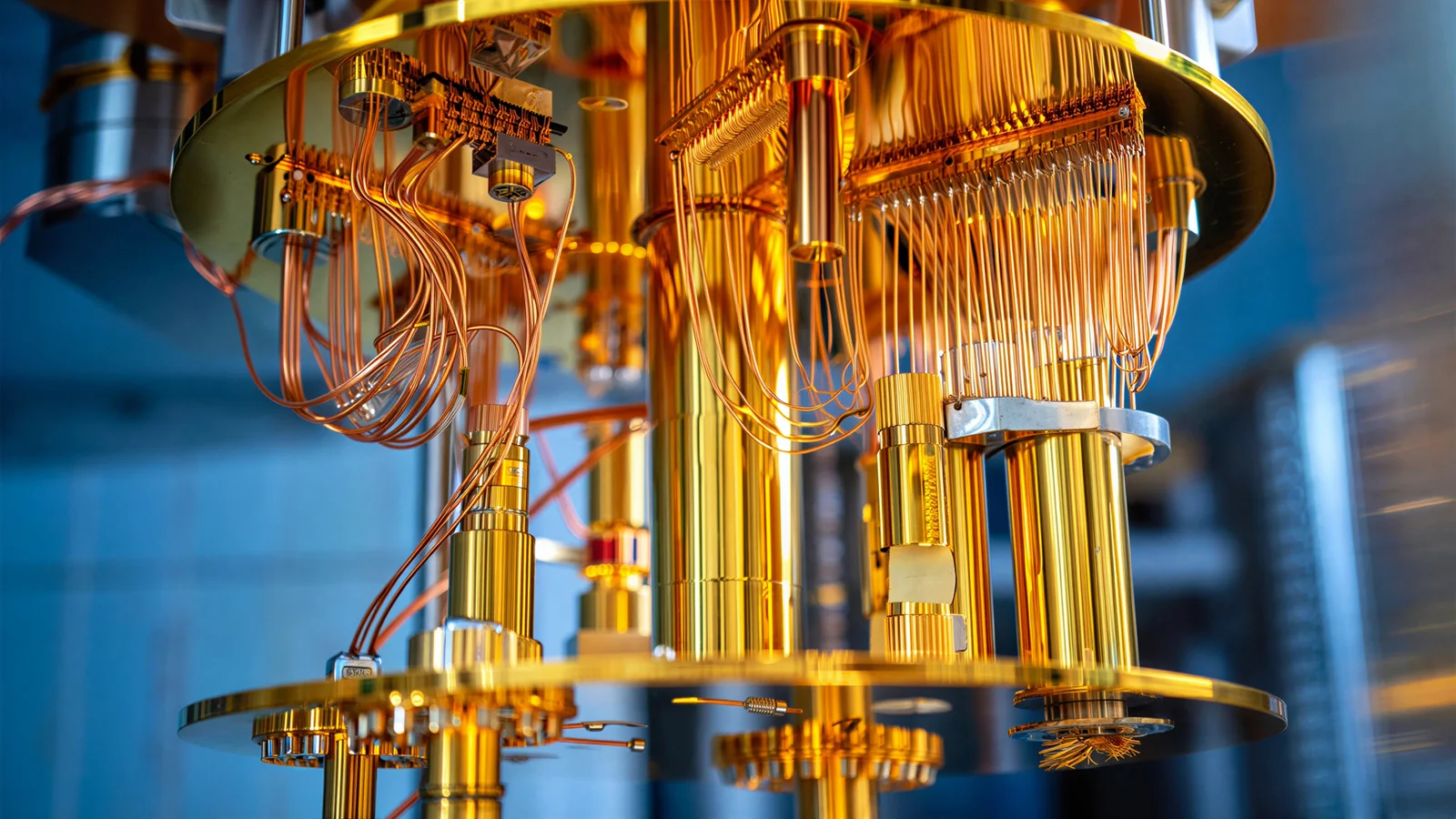
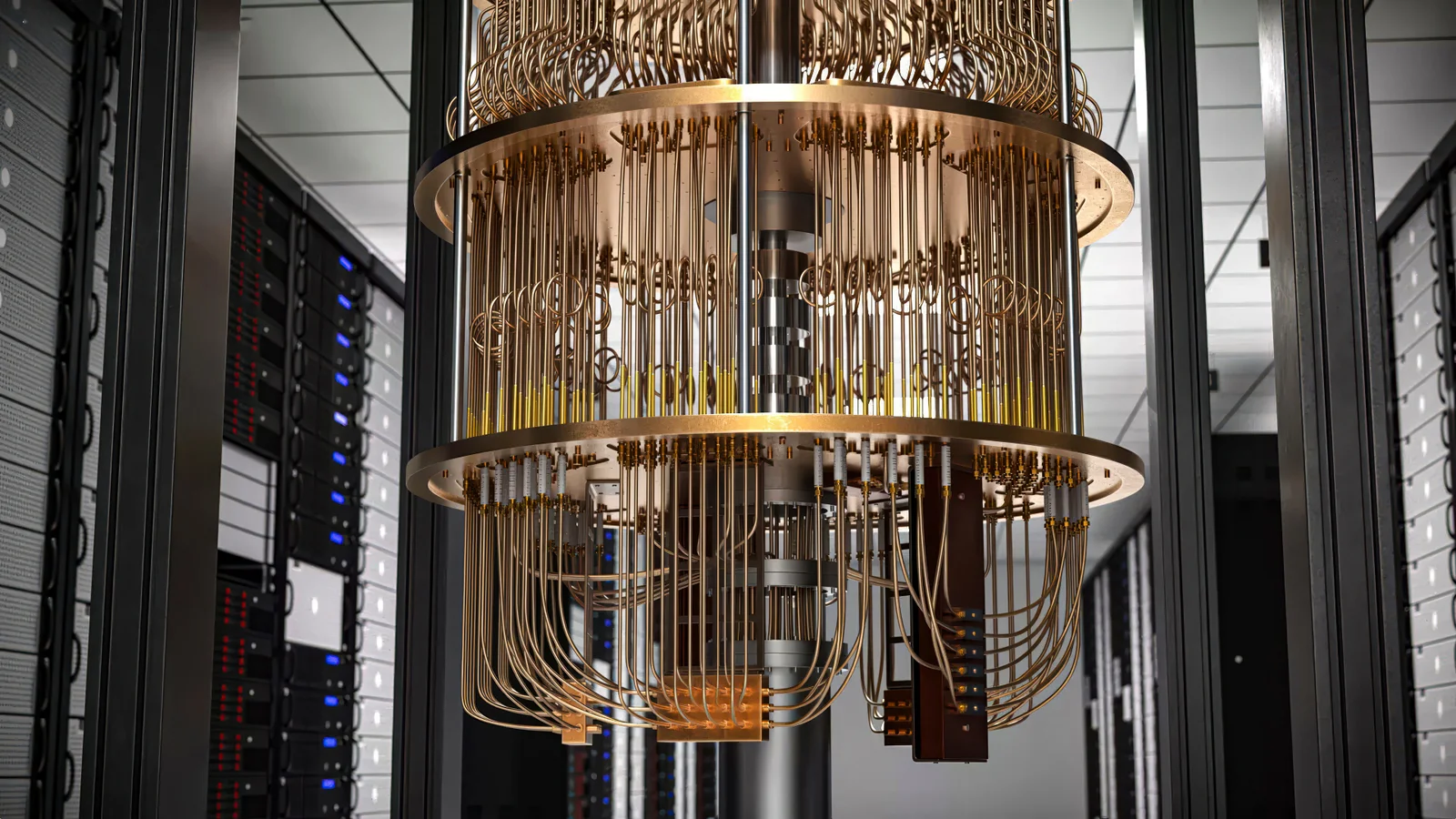
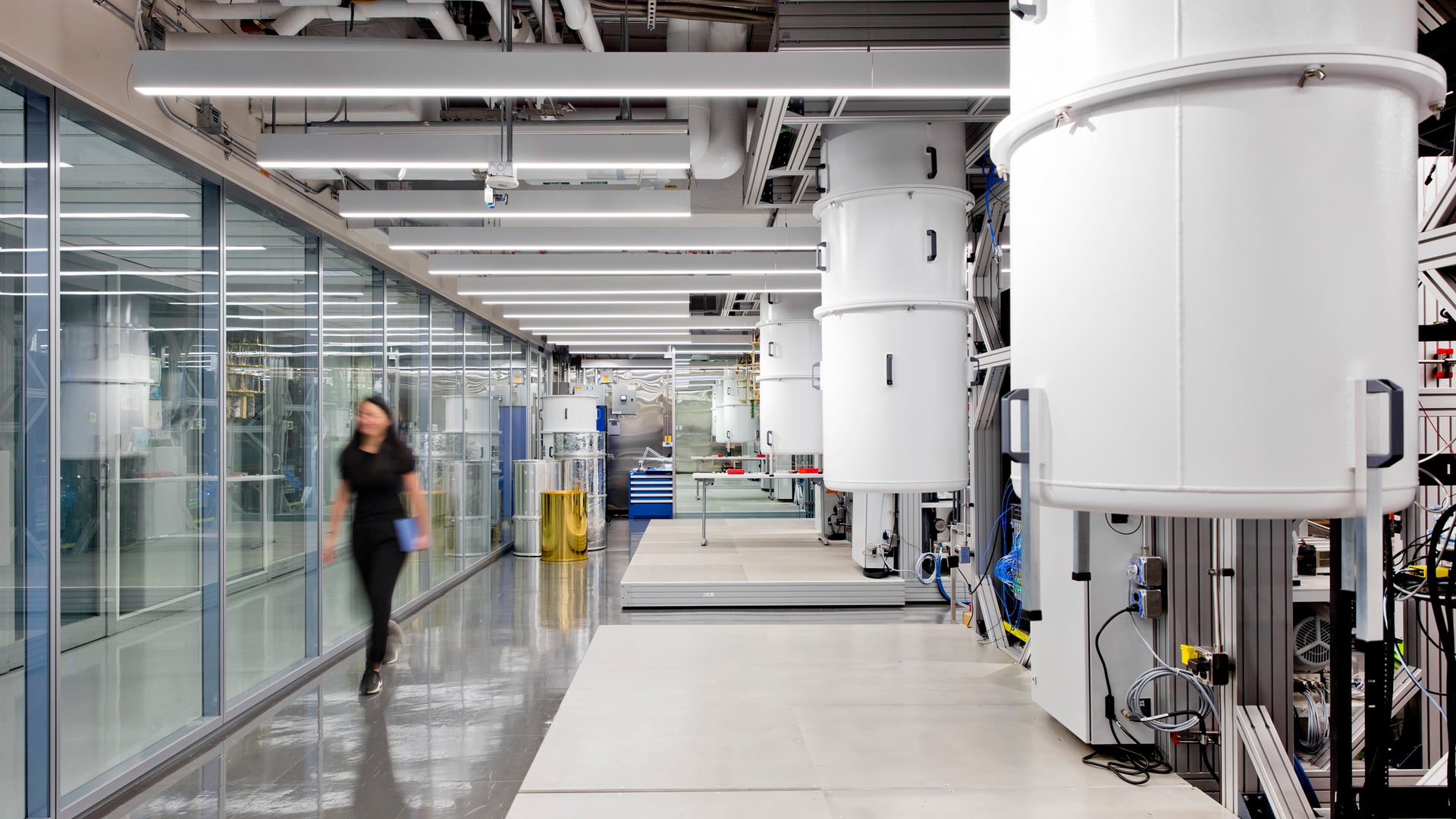
The same day, IBM, Oak Ridge National Laboratory, and the Cleveland Clinic published research describing what they call the first known quantum computation of fusion reactor materials, simulating molten-salt tritium extraction on IBM's quantum hardware. It's a research milestone more than a revenue event, but it's the kind of headline that reinforces IBM's pitch as a serious infrastructure player in both quantum computing and AI, not just a legacy tech name riding the theme.
Then today, July 7, IBM launched compact configurations of its z17 mainframe and LinuxONE 5 systems, aimed at enterprises that want AI-ready infrastructure without expanding their data-center footprint. The new systems become generally available August 12.
Why this is a different AI trade than the one that just got hit
The stocks that sold off this week, Micron, SanDisk, Western Digital, and Penguin Solutions, all sell physical memory and compute hardware into a supply chain that's currently priced for perfection. Samsung posted a record quarter and still fell, because the bar was already that high. The chip sector had its third-worst day of the year on July 1, and Korea's Kospi crashed almost 8% on July 2, then ripped back 5.76% the next day, only to fall again both Monday and today, closing back near its post-crash low.
IBM sells something different: software, consulting, and hybrid-cloud infrastructure to enterprises that are years into AI adoption, not chips into a supply squeeze. At a price-to-earnings ratio of about 26 and a dividend yield above 2%, it also doesn't carry the valuation risk that comes with a stock like Penguin Solutions, which ran nearly 5x off its March low before this week's slide. When money gets nervous about paying up for the hardware side of AI, a steadier, income-paying enterprise name with fresh good news of its own is a natural place for it to go instead.
What's next
July 22 is the real test. BofA's numbers imply a solid quarter, and IBM has already rallied hard into the print, which cuts both ways. The stock did the same thing ahead of past reports and hasn't always held the gains. For now, the story is simple: while the AI hardware trade wobbled this week, IBM found three separate reasons for investors to like it, and the stock is acting like it.
Sources
- Benzinga, IBM stock jumps as BofA Securities flags strong Q2, potential guidance hike
- IBM Newsroom, Oak Ridge National Lab, Cleveland Clinic, and IBM achieve first-known computations of fusion materials on a quantum computer
- IBM Newsroom, IBM launches compact z17 and LinuxONE systems
- Yahoo Finance, Dear IBM stock fans, mark your calendars for July 22
This is general market commentary and opinion, not investment advice. Prices are as of midafternoon July 7, 2026 and will move. Always do your own research and consider speaking with a licensed financial professional before making any investment decision.