Key points
- U.S. data centers directly used about 17.4 billion gallons of water in 2023, per EPA and Lawrence Berkeley National Laboratory data, projected to reach 38 to 73 billion gallons by 2028.
- Residents near data centers in Georgia and Oregon have raised real water complaints, and both companies involved dispute that their data centers are the cause.
- Amazon agreed to a $20.5 million settlement in a 17-defendant Oregon lawsuit over decades-old regional contamination, without admitting wrongdoing.
- The companies positioned to profit from fixing data-center water use include Ecolab (ECL), Xylem (XYL), American Water Works (AWK), and Consolidated Water (CWCO).
Everyone talks about AI's chip problem and its power problem, which we covered in our look at the nuclear revival. Almost nobody talks about its water problem, and that is starting to change because residents near some data centers say they are noticing it in their own kitchens.
Before we get into it, an important framing note. These are contested disputes, not settled facts. Residents have raised real, documented complaints, regulators and courts are involved, and in both major cases below, the companies named have pushed back with their own evidence. We are laying out what each side says, not declaring a winner.
The Georgia dispute
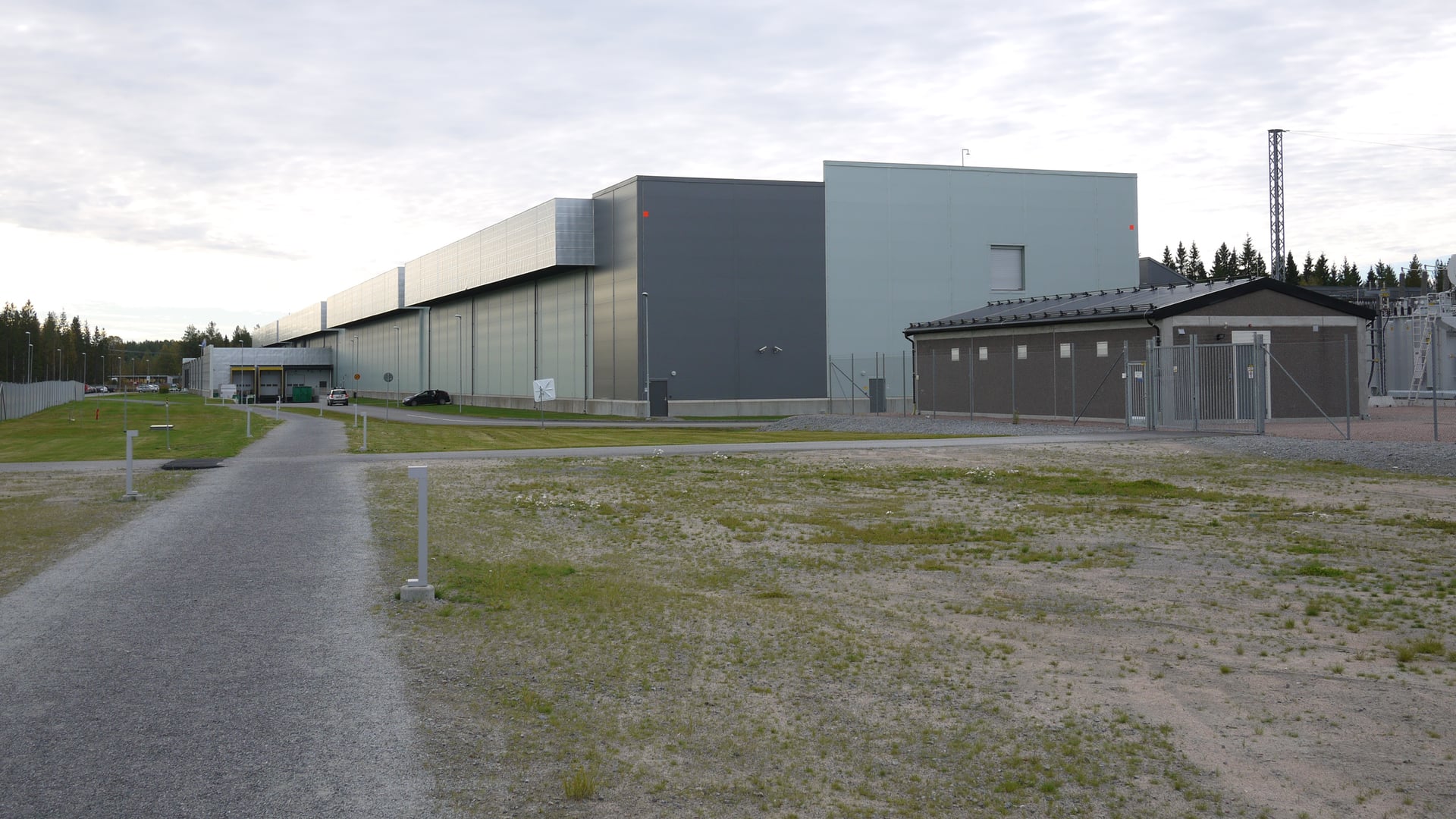
In May 2026, Representative Alexandria Ocasio-Cortez held up jars of discolored water during a House Energy and Commerce subcommittee hearing, describing complaints from residents near a Meta data center campus in Stanton Springs, Georgia, in Morgan County. Residents there say tap water turned brown and appliances failed after construction ramped up, alongside dropping water pressure, and some now rely on bottled water. The EPA said it contacted state and local officials after the hearing, though it stopped short of calling that a formal federal investigation.
Meta's response is specific, not a blanket denial. The company commissioned an independent third-party groundwater study, which it says found no connection between its data-center operations and the water problems, and said all of its construction and operational water came from the local utility rather than groundwater wells. Meta has also put more than $4.5 million into local schools and nonprofits in the area. Residents and Ocasio-Cortez have contested the study's conclusion, largely based on the timing of when the problems began relative to construction.
A separate, smaller case sits nearby. In Fayette County, residents in the Annelise Park neighborhood noticed their water pressure tanking, and the county utility traced it to two industrial hookups feeding a 615-acre data-center campus built by QTS, a private data-center developer. According to local reporting, one connection had been installed without the utility's full knowledge and the other was not properly linked to QTS's account, a metering and billing gap as much as anything else, and the roughly 29 million gallons used went unbilled until the county retroactively charged QTS about $150,000. QTS said the high usage reflected temporary construction activity, including concrete work and dust control.
The Oregon case is more tangled than the headlines suggest
The Oregon story gets flattened into "Amazon polluted the water" in a lot of coverage, and that is not quite right. Amazon is one of 17 defendants in a lawsuit called Pearson v. Port of Morrow, filed by Morrow County residents whose well water tested high for nitrates. The underlying contamination is decades old. It comes largely from fertilizer-heavy industrial wastewater, generated by food processors, an ethanol plant, and farms at the Port of Morrow, and it was spread on nearby fields for years before the area had any data centers. Other defendants include Lamb Weston, several farming operations, and a regional utility.
Amazon's data centers are connected to that wastewater stream because they use it to cool servers, and the cooling process concentrates the nitrate further before the water is applied to farmland. Amazon agreed to pay $20.5 million to settle its part of the case, explicitly without admitting wrongdoing, and a company spokesperson said the area's groundwater problems existed "for decades" before its data centers arrived, adding that settling early let it focus on the community rather than prolonged litigation. The Oregon Health Authority has found at least 634 area wells with unsafe nitrate levels. Litigation against the other 16 defendants, including the Port of Morrow itself, continues.
The scale of the broader problem
U.S. data centers directly used about 17.4 billion gallons of water in 2023, according to EPA and Lawrence Berkeley National Laboratory data, projected to reach 38 to 73 billion gallons by 2028. One estimate puts Texas data centers alone at roughly 49 billion gallons of water use in 2025, projected to reach 399 billion gallons by 2030. More than 100 U.S. localities have taken some action on data centers in the past year alone. Outright bans and multi-year pauses are increasingly common, not just proposals. Voters in Monterey Park, California approved a permanent ban, Smithfield, Rhode Island banned new facilities outright, roughly 20 Michigan communities have paused construction, and Denver, Oklahoma City, Tulsa, and Fayetteville, Georgia have each enacted temporary moratoria of their own. A separate lawsuit in California's Imperial Valley involves a data-center developer seeking access to Colorado River water, and Minnesota has held hearings on a large-scale water permitting process aimed specifically at data centers.
Training a large AI model uses real water too, though the per-query numbers you may have seen are genuinely disputed. OpenAI CEO Sam Altman has said a single ChatGPT query uses about 0.000085 gallons of water, a small fraction of a teaspoon, though that figure has not been independently peer reviewed and does not appear to include the water used in training the model in the first place. Independent researchers have published per-query estimates many times higher, depending on whether they count only direct cooling water or also the water used to generate the electricity behind it. Training runs are the clearer story: the independent research group Epoch AI estimated that a single training run of xAI's Grok 4 model used roughly 198 million gallons of water for data-center cooling alone.
Who is positioned to profit from the fix
Real bottlenecks create companies that get paid to solve them, the same dynamic we mapped across the whole AI supply chain in our stock map piece.
Ecolab (ECL) closed its roughly $4.75 billion acquisition of CoolIT on July 2, 2026, making it, by one industry account, the only public company offering an integrated water-and-cooling system built specifically for AI data centers. It trades around 38 times earnings. Xylem (XYL), which just bought a smaller water-treatment company called Vacom Systems, trades closer to 29 times earnings and sells the treatment, recycling, and measurement technology data centers need to cut their water use. On the utility side, American Water Works (AWK) and the smaller Consolidated Water (CWCO) benefit more indirectly, through rate increases and infrastructure spending as local systems adjust to industrial-scale demand.
Some hyperscalers are funding fixes directly. Amazon Web Services and the utility Veolia announced a partnership in April 2026 to build reclaimed-water cooling systems, starting with a Mississippi facility going live in 2027 that is expected to save about 83 million gallons a year, part of Amazon's stated goal to be water-positive by 2030. Several other data-center operators have signed water-recycling and zero-liquid-discharge deals with treatment specialists, an effort to get ahead of disputes like the ones above rather than respond to them after the fact.
Why this matters beyond the water stocks
This is also a real risk to the data-center buildout the whole AI trade depends on. A moratorium blocks a project outright. A lawsuit delays one for years. A congressional hearing raises the odds of new permitting rules, whether or not any single company is ultimately found responsible for any single complaint. None of that shows up on a chip company's earnings call, but it can show up, eventually, in how fast hyperscalers are actually able to build.
The honest read is that this bottleneck is earlier and messier than the power story. Nuclear deals are already signed and dated. Water disputes are still local, contested, and one lawsuit or hearing away from becoming a much bigger story than they already are, in either direction. None of that means the buildout stalls. It means the winners increasingly need a real water strategy, not an afterthought, and the money already moving into recycling and treatment deals suggests the industry knows it.
Sources
- Oregon Capital Chronicle, Amazon to pay $20.5 million settlement over northeast Oregon nitrate pollution (March 31, 2026)
- CBS Atlanta, AOC presses EPA over Morgan County drinking water concerns (May 2026)
- Bloomberg Law, EPA official agrees to review data center impacts on water
- The Citizen (Fayette County), Behind Fayette's QTS water controversy: a missed meter, 8,000 workers, and a massive construction project
- Fortune, America's data centers are thirsty
- Stateline, More cities are pressing pause on data centers as local backlash grows
- Epoch AI, What did it take to train Grok 4?
- Ecolab investor relations, Ecolab closes CoolIT acquisition (July 2, 2026)
- Veolia, Veolia works with Amazon to develop reclaimed water cooling system for data centers
- EPA and Lawrence Berkeley National Laboratory data on U.S. data center water consumption (Shehabi et al. 2024)
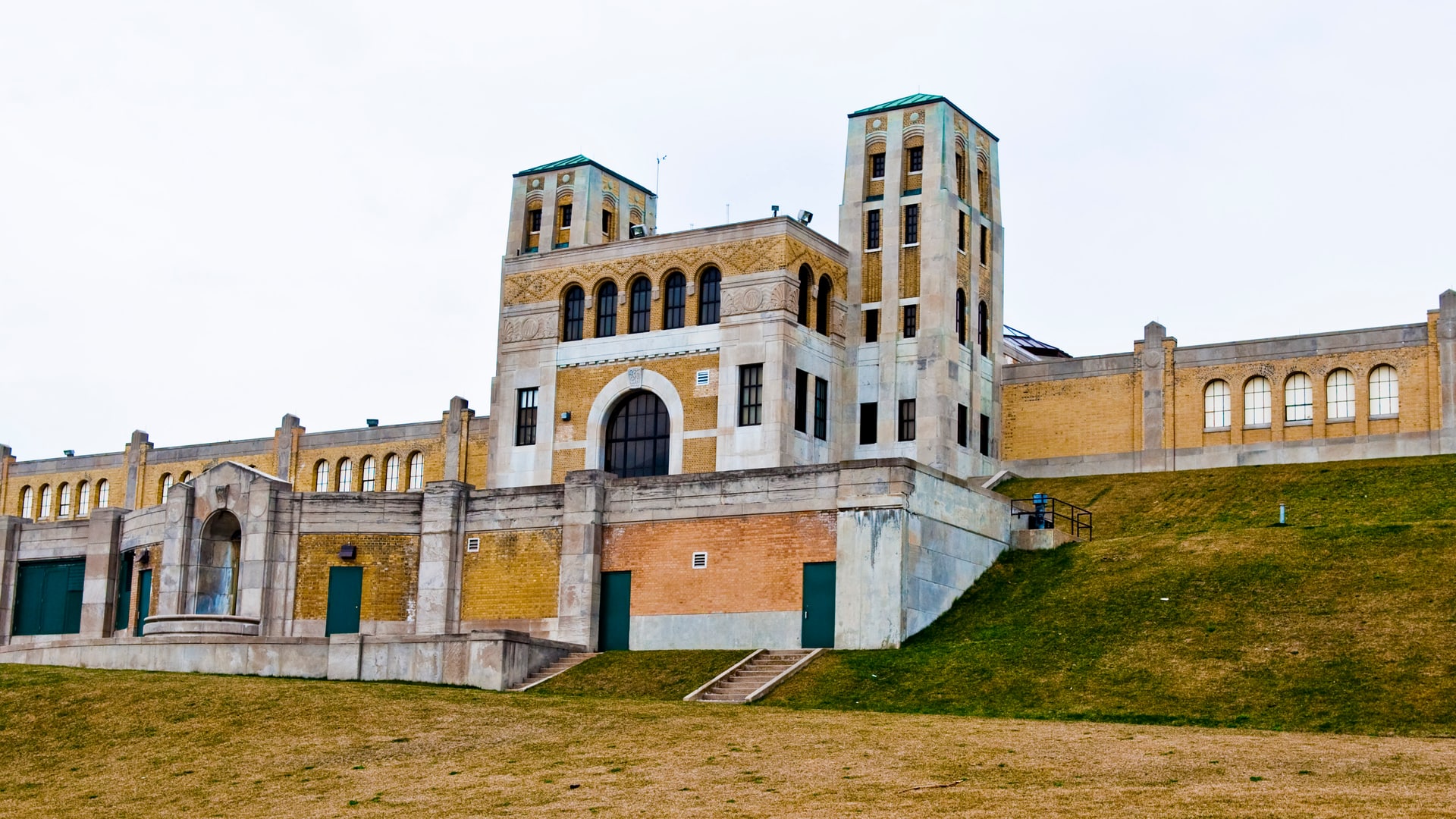
- Cover photo: R.C. Harris Water Treatment Plant, Toronto. Photo: Richard Kang / Wikimedia Commons, CC BY 2.0, cropped.
This is general market commentary and opinion, not investment advice. The water-quality disputes described above are contested: residents, elected officials, and advocacy groups have raised the concerns cited, and the companies named (Meta and Amazon) have disputed that their data centers are responsible, backed by their own commissioned studies or public statements. Nothing here should be read as a factual finding of fault by any company. Prices and multiples will move. Always do your own research and consider speaking with a licensed financial professional before making any investment decision.