Key points
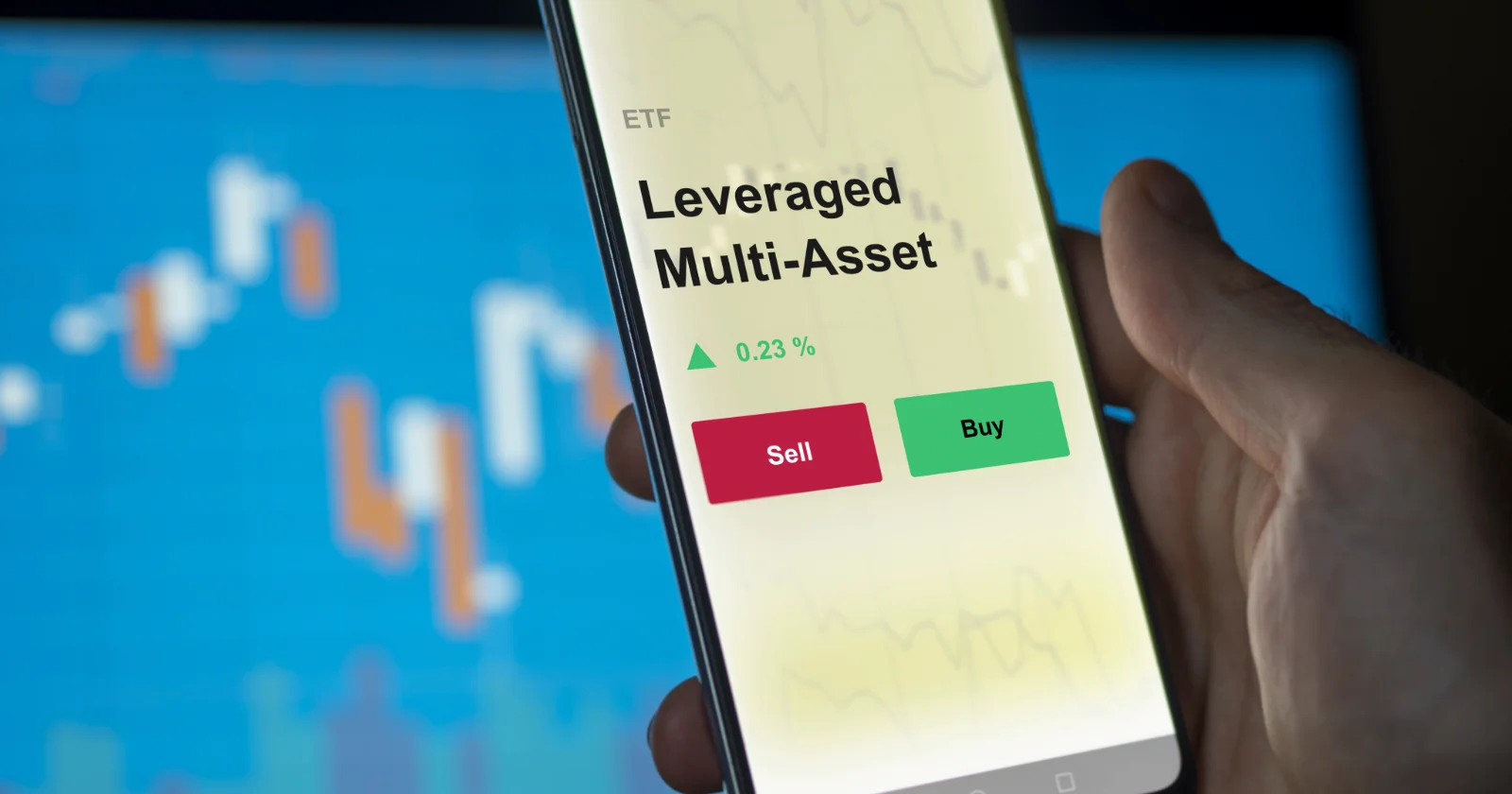
- Korea's deposit hike for single-stock leverage ETFs, from 10 million (about $6,700) to 30 million won (about $20,000), takes effect July 31.
- Regulators want the 12 trillion won (about $8 billion) market for these products to shrink back to 4 or 5 trillion won (about $2.7 to $3.3 billion).
- Retail investors say the rule punishes them while leaving the brokerages and regulators who approved the products untouched.
- Two professors argue the real fix should target how these funds are issued, not how much cash a buyer needs.
We wrote earlier about Korea tripling the deposit needed to trade its riskiest leverage ETFs, the ones built on Samsung Electronics (KRX: 005930) and SK Hynix (KRX: 000660). That piece was about the rule itself. This one is about what happened after regulators announced it, because the reaction from ordinary investors has been loud, and it raises a fair question: are the right people actually being asked to change their behavior here?
Prices, the exchange code and our full file on the company are on the SK Hynix page.
What the rule actually asks for
Starting July 31, anyone trading these single-stock leverage and inverse products needs 30 million won in cash sitting in their account, about 20,000 dollars, up from 10 million won, about 6,700 dollars. It has to be real cash now, not other securities used as collateral. The money is not locked away forever. A broker checks the balance each time an investor wants to buy more, and investors who already hold smaller positions do not have to sell. Still, for most people the outcome looks about the same either way. Thirty million won has to sit there, mostly unused, just so the account stays eligible to trade at all.
The Financial Services Commission has been direct about the goal. It wants this market to shrink from about 12 trillion won today, about 8 billion dollars, down to somewhere near 4 to 5 trillion won, or 2.7 to 3.3 billion dollars. That would put it back close to where it stood right after these products first launched in May.
Why retail investors are angry
You can hear the frustration most clearly in how retail investors describe the math. One investor told a Korean news outlet that it makes no sense to keep 30 million won permanently on standby when the cash earns less than a regular bank deposit would, about 1% interest. Thirty million won earning almost nothing, frozen just to keep trading rights on a product regulators themselves approved, is what actually bothers people, more than the raw size of the deposit.
These products only exist because Korea's financial authorities allowed them to list back in May. The brokerages that issue and manage them collect fees the entire time they trade. Now that the products have caused real market disruption, the new rule lands almost entirely on the buyer, not on the brokerage or the regulator that let them onto the market in the first place.
What the professors are saying instead
Two Korean academics have made versions of the same argument in public commentary. Professor Yoon Seon-joong has argued that the cost brokerages pay to launch new leveraged products with asset managers should go up, so the pressure lands on the supply side instead of only on individual buyers. Professor Lee Jun-seo has criticized a separate change in the same rule package, a tightened limit on how far a fund's price can drift from its target before market makers must step in, calling it a step that works against where the market is actually headed.
Yoon and Lee are pointing at the same problem from two different directions. The deposit hike controls who can walk in the door, but it does little about how many of these products get created, how aggressively they get marketed, or how they get built in the first place. If the underlying supply of leverage keeps growing, a higher deposit mainly changes who is allowed to buy it.
What this does not settle
The deposit hike will probably still work at its narrow goal. Fewer people able to put up 30 million won in spare cash means a smaller market for these products, and a smaller market likely means calmer trading in the last hour of the day, which was the whole reason regulators moved in the first place. What is still being argued in Korea is a different question. Was the buyer ever really the part of the system doing the most damage, or just the easiest one to reach?
Sources
- Hankook Ilbo (Korean language): retail investor and professor reaction to the leverage ETF deposit rule, July 19
- Financial News (Korean language): Financial Services Commission Q&A on the leverage ETF measures, July 16
- Kyunghyang Weekly (Korean language): criticism of the leverage ETF regulation as reactive policy, July 20
- Herald Corp (Korean language): Financial Services Commission's July 16 supplementary measures
- Our earlier coverage: Korea tripling the leverage ETF deposit, and the regulator who wishes he had acted sooner and how these leveraged ETFs amplify the Kospi's closing-hour crashes
Figures are from South Korean market reporting as described above, converted to US dollars at about 1,500 won to the dollar. This is general information about market rules, not investment advice.