Key points
- Pony.ai and FutureLink signed a deal on August 28 to put 200 Level 4 robotaxis on Korean roads by 2028.
- PonyLink, the KOSDAQ company behind FutureLink, closed Friday at 3,445 won ($2.50 USD), up 26% in five sessions.
- Korean self-driving companies now face a rival that says its new kit costs 70% less to build.
On August 28, Chinese autonomous driving company Pony.ai (포니닷에이아이) and Korean operator FutureLink (퓨처링크) signed a strategic partnership in Seoul to bring 200 of Pony.ai's seventh generation robotaxis to Korea by 2028. The first 10 cars arrive next month, and the two companies plan to set up a joint venture in Korea once certification is done.
FutureLink is the autonomous driving subsidiary of PonyLink (포니링크), a company listed on the Kosdaq since 2002 that still runs a fashion import business alongside its mobility unit. The similar names aren't an accident. Pony.ai put 5 billion won ($3.6M USD) into a PonyLink capital increase in 2024, and later built a 3.72% stake through market purchases. Pony.ai itself trades on the Nasdaq in the US under the ticker PONY, but the two are separate companies, and PonyLink is the one Korean investors can actually buy in Seoul.
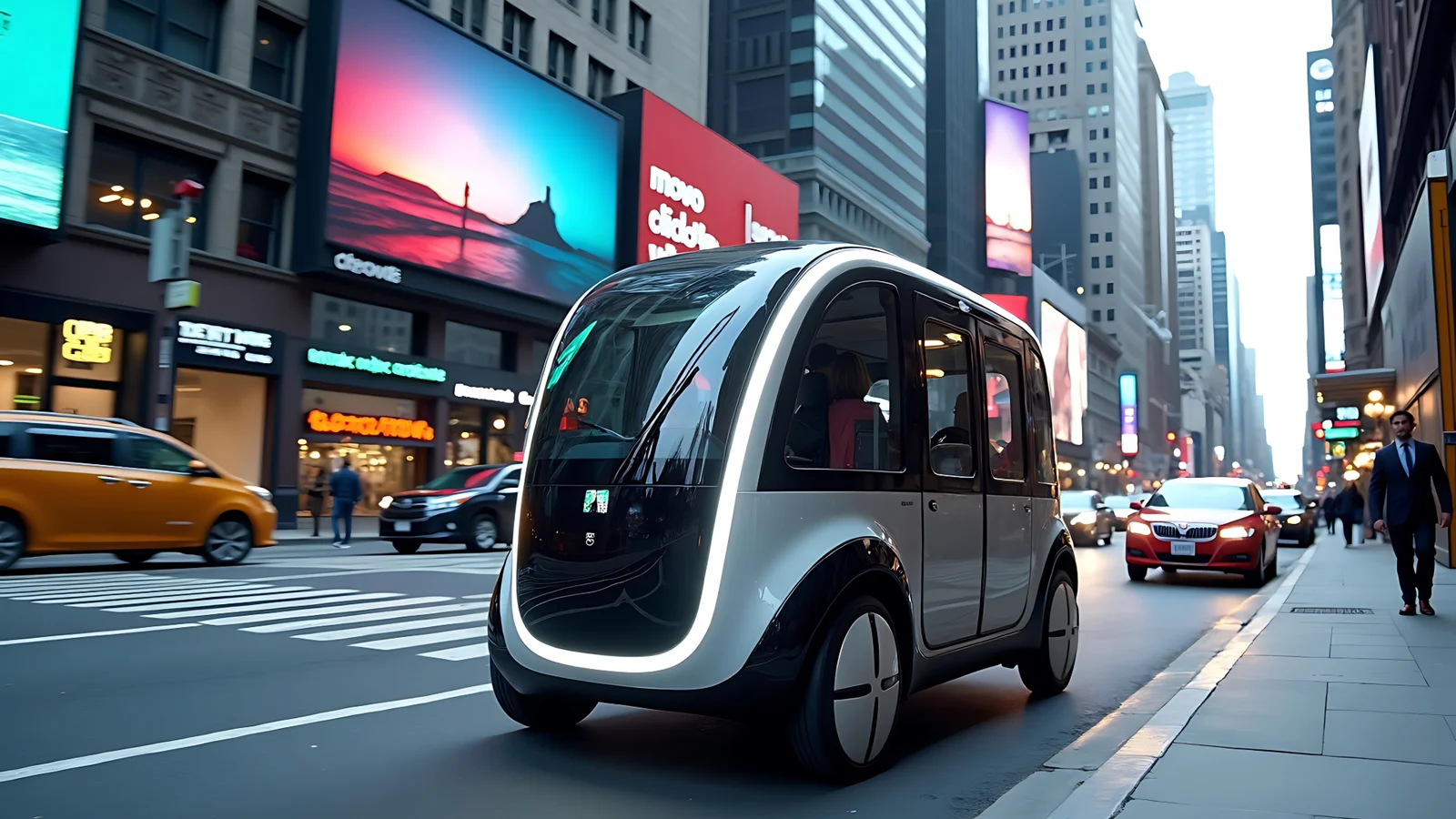
The robotaxi is built on the Arcfox Alpha T5, an electric car from China's Beijing Automotive Group. Pony.ai's driving kit goes in at the factory, not as a retrofit, and the car carries backup systems for braking, steering, and power. Pony.ai says the seventh generation kit costs 70% less to build than the one before it, using automotive-grade parts throughout. Nobody outside the company has verified that figure, but Korean competitors take it seriously.
FutureLink has been testing Pony.ai's technology in Seoul for a while already, running Kona Electric-based cars fitted with the kit around Gangnam. The company says those cars covered 80,000 kilometers, about 50,000 miles, without an accident. "We confirmed they were the best partner through 80,000 kilometers of testing around Gangnam," FutureLink CEO Cha Du-won said at the signing. "We have to learn what we can learn and make it profitable," he continued.
PonyLink chairman Nam Gyeong-pil defended bringing in a Chinese system rather than waiting for a homegrown one. "Just as Samsung led with foldable phones because Apple was there, bringing in advanced technology and localizing it is the path to growing the ecosystem," he said.
The schedule runs through 2028
The first 10 robotaxis land in early September and go into certification work. The plan is to finish Korean certification in the first half of next year, start trial service in Seoul's designated self-driving zones around the middle of 2027, and bring in the remaining 190 cars in the second half. By 2028 all 200 are supposed to be running across Seoul and other major cities, with the service area and operating hours widening in stages.
The companies answered the China data question before anyone had to ask it. "There will be no overseas transfer of any driving data collected in Korea," FutureLink executive director Yoon Seung-hyun said. "All data is processed on local servers in Korea, and sensitive information like pedestrian faces and license plates is thoroughly anonymized," he added.
Korean self-driving companies are the ones under pressure
Korea has its own autonomous driving companies, including Autonomous a2z, RideFlux, and Hyundai's software unit 42dot. Most of them run on government pilot projects and public money rather than paying customers. A Chinese rival arriving with mass production scale, a global track record, and a kit it says is 70% cheaper is a direct threat to those companies in the one market they depend on, which is local government procurement.
Kim Pil-soo, a professor of automotive engineering at Daelim University, told 전자신문 the government needs to act on both fronts. "We need to strengthen a post-audit security system that blocks data from leaving the country at the source," he said. "At the same time, public procurement projects that use tax money need policy safeguards, like industry contribution reviews, that can protect companies with homegrown technology," he added.
Investors in Seoul didn't wait for the signing. PonyLink closed Friday at 3,445 won ($2.50 USD), up 2.38% on the day and up 26% from a week earlier, and most of that move came in the three sessions before the signing was announced. It's the kind of move Korean traders know well from theme stocks, where a small Kosdaq company rises in days on a story much bigger than its current business. The first real test of that story comes next month, when the 10 cars land and certification work begins on Korean roads.
The quotes in this article are translated from Korean. Won figures are converted at about 1,380 won to the dollar. This article is for information, not investment advice.
Sources