Key points
- A castle ruin sits on the site of a planned Scottish data center
- Scotland's heritage body declined to give the ruins protected status
- The developer plans to dismantle and reuse the stonework
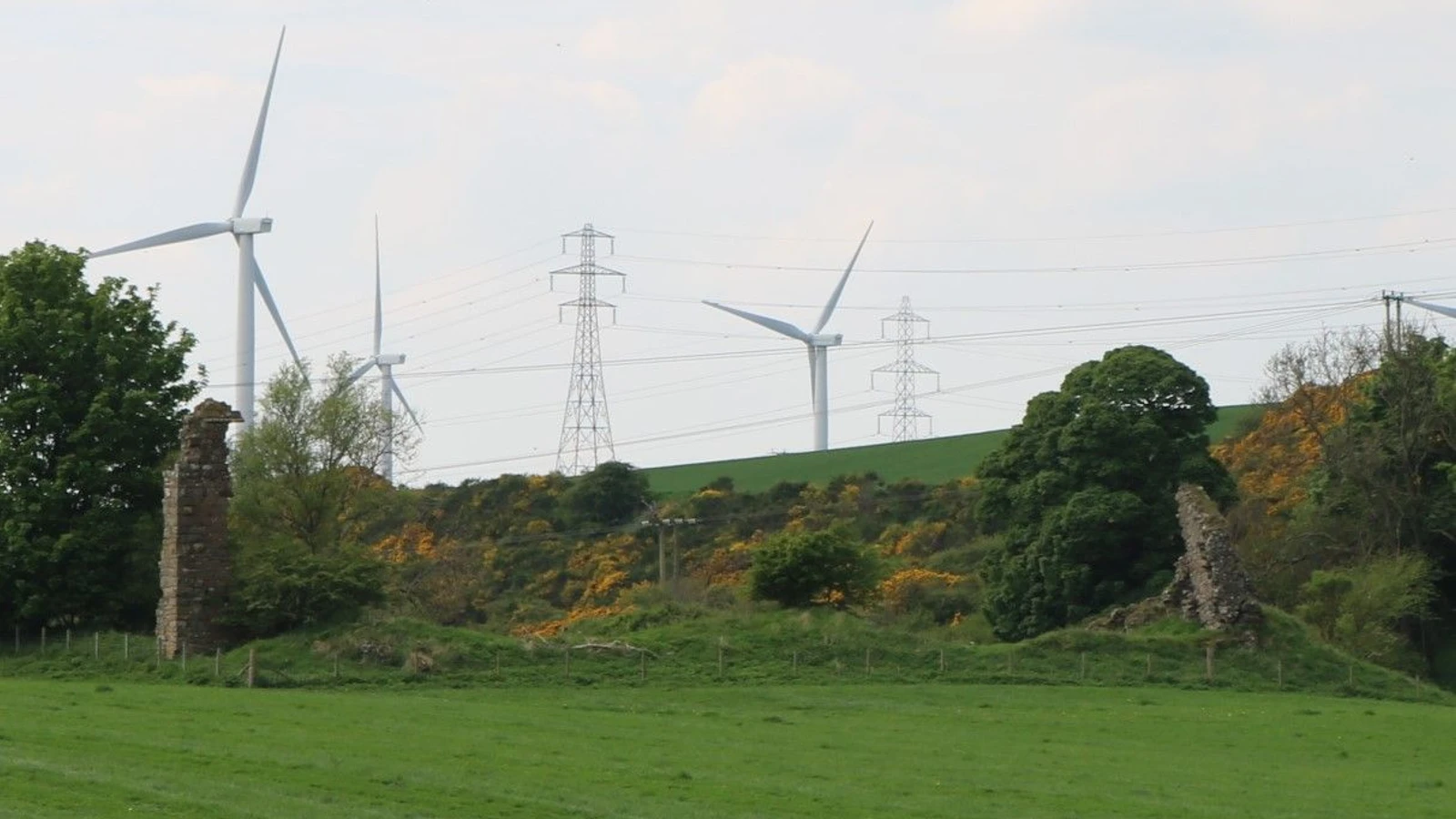
The remaining stonework of Hallyards Castle in Fife, Scotland, would be "carefully dismantled" to make way for a 600MW data center, developer ILI Group said. Historic Environment Scotland has declined to give the ruins protected status. They sit on the 25-hectare site near the village of Auchtertool.
Liam Stewart, who applied for the castle to be protected, said the community "does not consent." The Herald reported the decision, and DCD followed on October 7.
Heritage body declines designation during planning process
Historic Environment Scotland declined to designate the castle as a protected monument because the planning process for the data center has already started. "In such circumstances, we normally avoid intervening in the planning process or other regulatory processes by adding a new designation," the agency said.
Local tradition holds that the site was a hunting seat of Malcolm Canmore, who ruled Scotland about 1,000 years ago. The bishops of Dunkeld lived there until 1539, and the great house was largely demolished in 1847. What remains stands on farmland northwest of the village.
ILI plans to record the site, then reuse the stone
ILI Group submitted plans for the Cato data center in June. The project would cost about £5 billion (about $6.7 billion) and be built in phases over several years. Site plans suggest up to seven buildings and an on-site substation.
"Before any construction, the site would be fully excavated and recorded by qualified archaeologists, with the findings published," an ILI Group spokesperson said. The stonework would be reused "elsewhere on the site in a publicly accessible setting, alongside interpretation of its history," following advice from Fife Council's heritage officers, the spokesperson added.
Cato is part of a planned 1.5GW portfolio of data centers that ILI has named after Stoic philosophers. The others include Rufus, a 540MW site in East Ayrshire, and Aurelius, a 400MW site in North Lanarkshire.
Scotland's parliament wants tougher checks
On September 16, the Scottish Parliament passed an amended motion, 80 to 26, stating its belief that new hyperscale data centers will only be approved "where they have met robust environmental impact assessments." The same motion welcomed the Scottish government's commitment to national planning guidance for data centers by the end of the year.
"We are constantly being told by the Scottish Government that these hyperscale data centers should only go ahead with the consent of communities," Stewart told The Herald. "Well, I would like to tell the Scottish Government that this community does not consent."