Key points
- The Kospi closed at 6,257.45 on August 3, down 5.12%, two sessions after its record 17.91% rise.
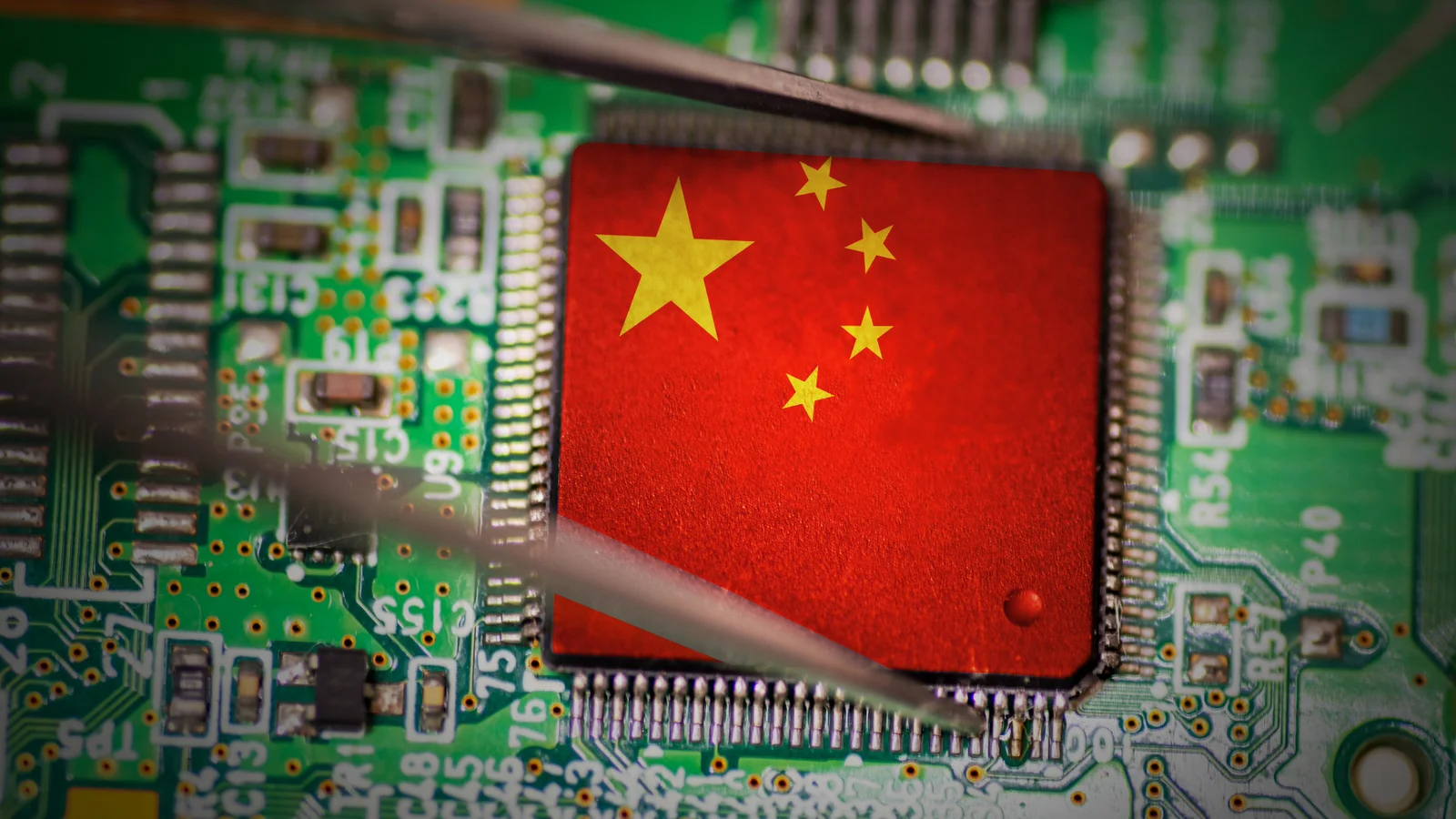
- Samsung Electronics and SK Hynix fell 8.76% and 8.79%. The two are close to half the Kospi by market value.
- Foreign and institutional investors net sold 4.3814 trillion won ($3.06 billion USD) of those two stocks alone. The Kosdaq rose 2.44% the same day.
- The index is still 26% below its June 30 close of 8,476.48, after a 22.19% fall in July.
On August 3, the first trading day of the month, the Kospi closed at 6,257.45, down 338.00 points or 5.12%. It was the first session after the record 17.91% rise on July 31, and it handed back a third of that day's gain.
Prices, the exchange code and our full file on the company are on the SK Hynix page.
The selling wasn't spread across the market. Foreign and institutional investors together net sold 4.3814 trillion won ($3.06 billion USD) of Samsung Electronics and SK Hynix, and that was most of everything they sold. Samsung fell 8.76% and SK Hynix fell 8.79%. Individual investors took the other side of it and net bought 6.4338 trillion won ($4.5 billion USD) on the Kospi.
The two groups didn't even pick the same stock. Foreign investors put most of their selling into SK Hynix. Institutions put most of theirs into Samsung.
Between them the two companies are close to half the Kospi by market value, so a bad day for two stocks is a bad day for the whole index. Other large names fell as well, LG Energy Solution among them at 3.66%, but nothing else came near what the chipmakers did.
The Kosdaq went the other way
The Kosdaq, where Korea's smaller companies list, rose 2.44% to 737.35 in the same afternoon. Peptron (펩트론) closed limit up on the possibility that it gets into an obesity drug supply chain. Bio names such as LigaChem Biosciences (리가켐바이오) rose with it, and robot stocks like Robotis (로보티즈) were strong. Institutions net bought 163.1 billion won ($114 million USD) of Kosdaq shares while they were selling chipmakers on the other exchange.
A 5% fall in the Kospi usually means money leaving the Korean market. On Monday most of it stayed and went somewhere smaller.
What analysts in Seoul said
Kim Min-kyu, a researcher at KB Securities (KB증권), looked at how much stock changed hands and came away less worried than the index number suggests.
"The high trading volume and the loss being smaller than expected can be read as risk appetite not having died even inside a sharp fall," Kim said.
That reading fits the day. Individuals absorbed more than 6 trillion won of stock that foreigners and institutions wanted gone, and the money that came out of the two chipmakers didn't leave.
The index is still a long way down
Friday made the July crash look close to repaired, and it isn't. The Kospi closed June at 8,476.48. July took 22.19% off it, the worst month the index has ever had, and Monday's close sits 26% under where the market started July. Friday recovered 86% of what the three sessions before it had taken. A third of Friday went back out on Monday.
Brokerages in Seoul spent the day arguing the fall has gone further than the earnings justify.
Lee Kyung-min, a researcher at Daishin Securities (대신증권), said the market has passed the point where the price makes sense.
"Considering that profit forecasts for this year and next are being revised upward, the Kospi has entered a phase of extreme undervaluation," Lee said.
Han Ji-young, a researcher at Kiwoom Securities (키움증권), put it in terms of where the floor is.
"Our market is in an excessive decline zone, and in valuation terms it has reached a historically attractive entry area, so it is near the bottom," Han said.
The case underneath all of that is memory chips, which is also the reason a 5% fall in two companies can take the whole index with it. Lee Su-rim, a researcher at DS Investment Securities (DS투자증권), doesn't see the part of the cycle that would end it yet.
"No signal of oversupply is being caught at all, and even looking at it conservatively the peak in operating profit is the fourth quarter of next year," Lee said.
Korea's own trade data says something similar. Semiconductors were 41.5% of everything the country exported in July, the second biggest chip month on record, in the same month the stock market had its worst.
None of that settles Tuesday. Individual investors have been the buyers through the whole of this, and a good part of the money they moved on Friday went into funds that pay when the index falls. Monday gave those funds a day. What foreigners do next is the part nobody in Seoul can call yet.
Meanwhile the won closed at 1,429.8 to the dollar, 5.8 won stronger than on Friday.
Sources
- 뉴스핌, 코스피 5.12% 하락…투심은 반도체→비반도체, on the closes, the net buying and selling by investor type, the Kosdaq movers and the Kim Min-kyu remark
- 아시아경제, 코스피 역대급 폭등 후 하락…증권가 "8월은 반등 시도", on the Lee Kyung-min, Han Ji-young and Lee Su-rim remarks
- Our earlier coverage: the record 17.91% session on July 31 and Korea's July export figures
Won figures are converted at 1,430 won to the dollar, the August 3, 2026 rate. Analyst remarks are translated from Korean. This article is for information only and is not investment advice.