Key points
- This week's chip selloff rests on one idea: that Meta (META) selling spare compute means the industry built too much. The facts do not fit that story.
- Meta got told no by Google (GOOGL) on compute this spring, and it is locked into take-or-pay deals worth about $35 billion with CoreWeave (CRWV) and up to $27 billion with Nebius (NBIS). It pays for those whether it uses them or not.
- Next week is quiet. The real tests come July 14, when June inflation data and the first big bank earnings land the same morning.
- None of this makes the stocks a buy tomorrow. A hawkish Fed and stretched valuations can keep pressuring AI names no matter how strong demand is.
Here is the whole case behind this week's chip selloff, boiled down. Meta (META) said it might rent out the AI computing power it is not using. If a company that big has compute to spare, the thinking goes, then maybe the entire industry built more than it needs. That fear knocked the neoclouds down on Wednesday and carried into Thursday's slide in Micron and the chips.
It is a clean story. It just does not hold up.
Meta asked Google for compute. Google said no.
Start with what Meta has actually been doing. It signed a cloud deal with Google (GOOGL) worth more than $10 billion over six years. Then, around March, Google reportedly told Meta it could not hand over all the computing capacity Meta wanted to buy. Read that again. The company supposedly sitting on extra compute went to the biggest cloud provider on earth for more, and got turned away. That is not what a glut looks like.
Meta is not shy about the spending, either. It has guided to somewhere between $115 billion and $135 billion in capital spending this year, most of it chips, land, and power. When you pour that kind of money into a build-out, some capacity shows up before you have a job lined up for every last chip. Renting out the gap is just smart business. Amazon and Microsoft made the same move years ago. It is not a white flag.
The contracts Meta cannot walk away from
Here is the part that really breaks the overcapacity story. Meta is one of the biggest customers the neoclouds have. A neocloud is just a company that rents out AI computing power, mostly Nvidia chips, to whoever needs it. And Meta's deals with them are not casual.
Look at the numbers. Meta expanded its deal with CoreWeave (CRWV) to about $21 billion in April, on top of an earlier $14.2 billion. That puts the total near $35 billion and runs it out to 2032. It also grew its Nebius (NBIS) agreement from $3 billion to as much as $27 billion. Nebius flat out said its available capacity was sold out.
The key term on the CoreWeave deal is take-or-pay. That means Meta pays for the capacity whether it uses it or not. So even in a world where Meta has a little spare compute this quarter, it is still on the hook for billions in outside capacity it committed to years ahead. You do not sign contracts like that if you think demand is about to dry up. You sign them because you are scared of not having enough.
The other side, because there always is one
None of this means the stocks go up on Monday. Two things can be true at once. AI compute demand can be very real, and these stocks can still fall.
The Fed is the bigger near-term problem. Under new chair Kevin Warsh, it held rates at 3.50 to 3.75 percent in June for the fourth meeting in a row, and it dropped any hint of cuts. The latest projections lean toward a possible rate hike later this year, and traders now put the odds of no cuts at all in 2026 near 80 percent. Higher-for-longer rates are rough on exactly these kinds of expensive, fast-growing names. Add stretched valuations and a market that plainly wants to book profits in the AI winners, and you can see how the selling feeds itself no matter what the 2032 contracts say.
So the demand argument is a reason to doubt the panic. It is not a reason to load up blindly. Two very different things.
What to watch next week
The week of July 6 should be quiet. Markets are closed Friday for the holiday and reopen Monday, and the calendar is thin. That makes it a digestion week more than a catalyst week. The question is simple: do the chips find a floor, or does the selling keep going? Keep an eye on Micron (MU) and the chip ETF (SMH). Watch the two neoclouds at the center of it all, CoreWeave and Nebius, and whether Meta holds onto its cloud-news bounce.
The real action is the following week. On Tuesday, July 14, the June inflation report and JPMorgan's earnings both land before the opening bell, which kicks off bank earnings season. That morning will say a lot more about the market's mood than anything the holiday week serves up. As for July itself, it is usually one of the better months of the year for stocks. This one just happens to open with the AI leaders on their back foot.
The bottom line
Selling AI chips because Meta wants to rent out spare compute is a little like selling homebuilders because one builder listed a single spec house. Meta is still short on compute, still getting turned away by Google, and still writing take-or-pay checks it cannot cancel. The demand is real. The near-term tape is a different question, and a hawkish Fed has a louder vote than any of us next week.
Prices and figures are as of midday on July 2, 2026 and will move. This is market news and analysis, not investment advice.
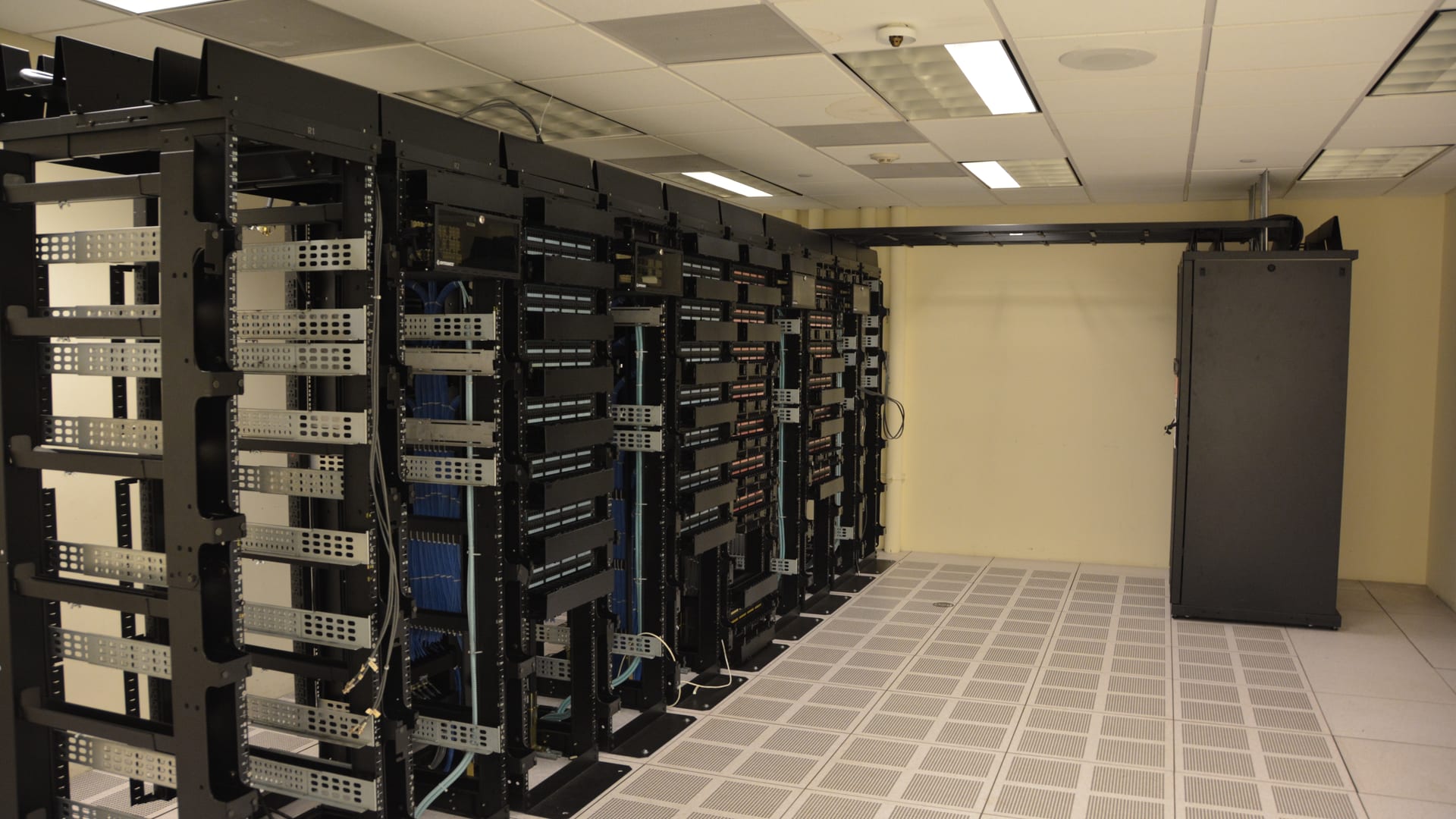
Photo: Carl Lender / Wikimedia Commons, CC BY 2.0, cropped.