Key points
- Investor Peter Diamandis called memory, not compute, the limit for AI agents, and Elon Musk agreed on August 13.
- Memory stocks ran the same week. Micron (MU) rose about 10% over three sessions, and SK Hynix's US shares (SKHY) rose about 22%.
- The shortage is real. Musk says memory demand is growing about 200% a year against about 20% more supply.
- SK Hynix and Micron are expanding, but the new plants do not open until 2027 and 2028.
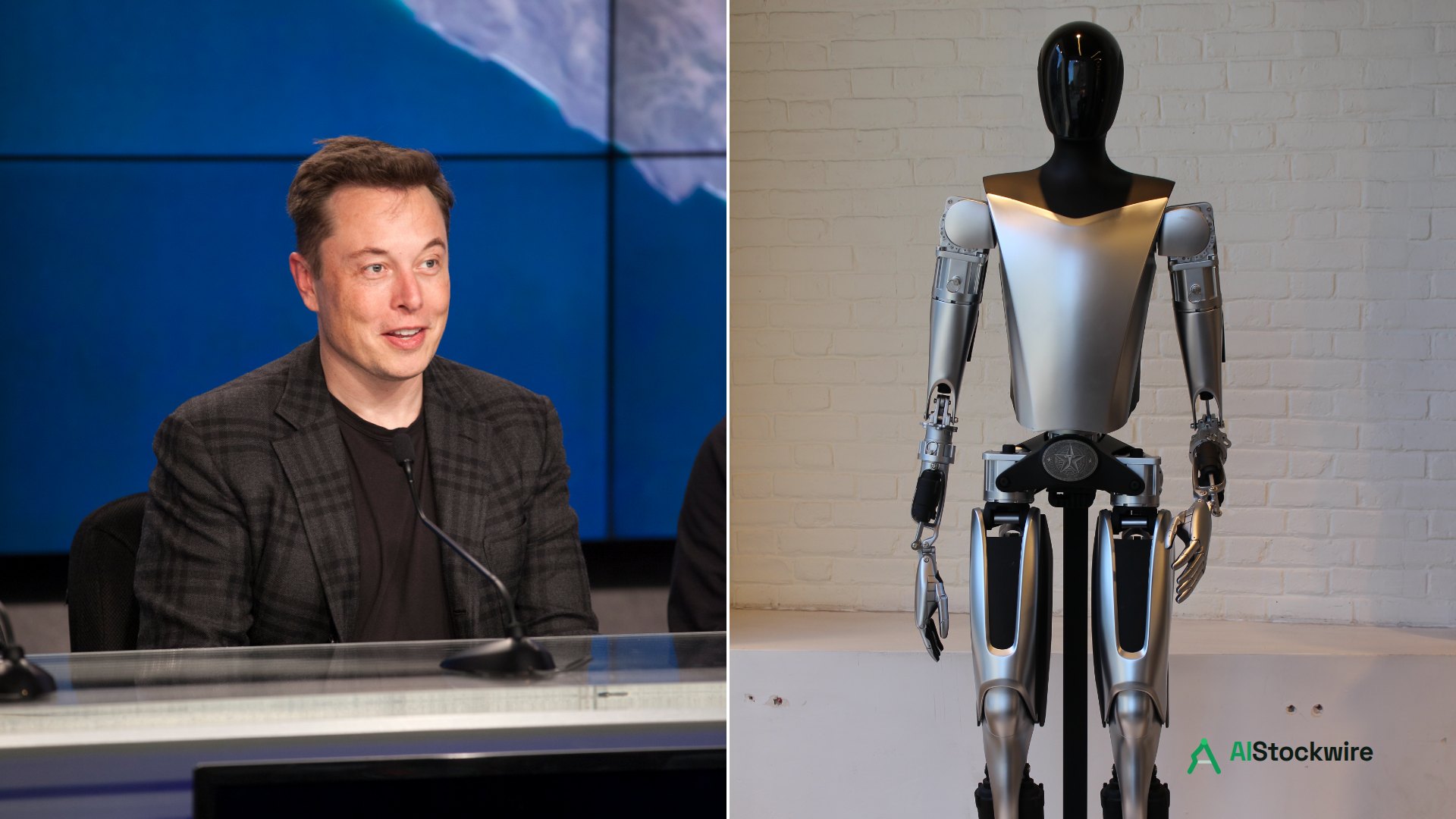
On August 13, investor Peter Diamandis posted on X that "memory, not compute, is the rate limiter of the Agentic Era." Elon Musk replied, "Few realize this."
Memory chip stocks had run hard for most of the week.
| Stock | Aug 10 close | Aug 13 close | Three-session move |
|---|---|---|---|
| SanDisk (SNDK) | $1,237.92 | $1,528.11 | +23% |
| SK Hynix, US shares (SKHY) | $135.29 | $165.67 | +22% |
| Seagate (STX) | $800.99 | $921.37 | +15% |
| Western Digital (WDC) | $438.34 | $487.29 | +11% |
| Micron (MU) | $861.00 | $949.83 | +10% |
The group extended the move into Friday, August 14, with SanDisk trading above $1,600 by late morning. The run covered both kinds of memory chips. DRAM is the fast working memory that sits next to a processor, and NAND is the flash storage that holds data at rest.
Diamandis was making a software point, not a hardware one. He meant the memory an AI agent needs to hold context and recall its task across a long job, which has little to do with memory chips. The market read the word memory and bought the chipmakers.
The shortage is real
The supply is spoken for. Musk himself said on August 5 that memory demand is growing about 200% a year against about 20% more supply. ChangXin Memory (CXMT) reported its factories are sold out through 2027. Applied Materials (AMAT) said DRAM was 26% of its chip-equipment revenue last quarter, up from 22% a year earlier.
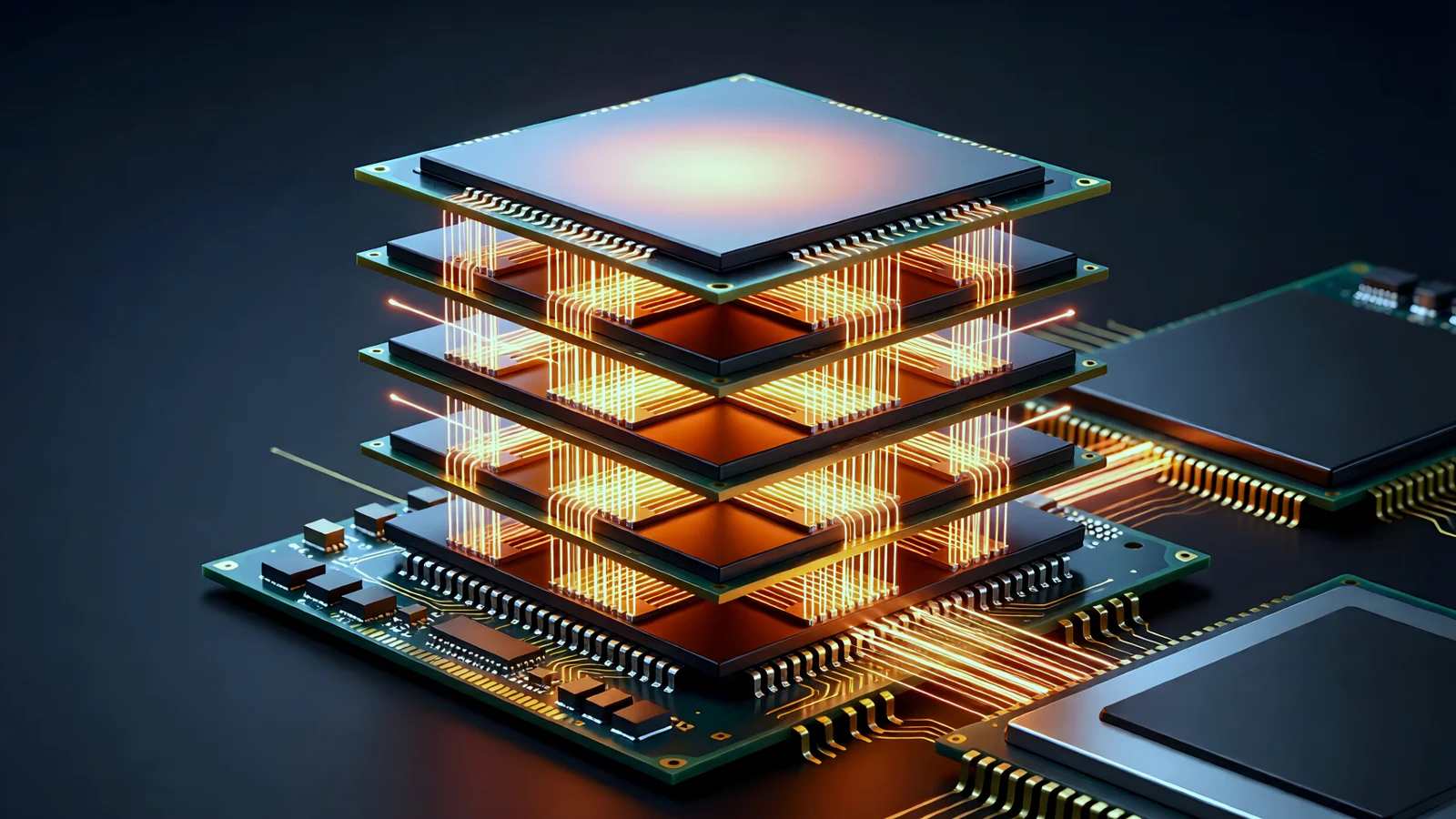
The memory that matters most for AI is high-bandwidth memory, or HBM, a stack of DRAM chips placed next to an AI processor to feed it data. Only three companies make it at scale: Samsung, SK Hynix and Micron.
Michael Burry is short the memory trade
Not everyone is convinced. Michael Burry, who made his name betting against the 2008 housing market, is short the memory group and added to the position this week. On his newsletter, Cassandra Unchained, the iShares Semiconductor ETF (SOXX) is his largest short and Micron his second. He argues that AI spending is increasingly funded by debt, and his stated base case for a reckoning is 2028.
SK Hynix is ramping up for the future
The makers are trying to add supply, but it takes years. SK Hynix chief executive Kwak Noh-Jung told Reuters on July 10 that 2027 will be the hardest year in the industry's history on the supply side, and that he expects customer demand to run past his company's capacity beyond 2030. The new Micron and SK Hynix plants meant to close the gap do not open until 2027 and 2028. A memory plant takes three to five years to build and equip, so the new capacity is hard to bring online before then.
Sources
- Peter Diamandis post and Elon Musk reply on X, dated August 13, 2026.
- Elon Musk on memory supply and demand, SpaceX earnings call, August 4, 2026.
- SK Hynix chief executive Kwak Noh-Jung, Reuters, July 10, 2026.
- Michael Burry, Cassandra Unchained on Substack, August 2026.
- Price data: Nasdaq and over-the-counter closes for August 10 and August 13, 2026, with intraday quotes for August 14, 2026.
Share prices are Nasdaq and over-the-counter quotes from August 10 through August 14, 2026. This is general market commentary, not investment advice.