Key points
- Sandisk (SNDK) fell 29% this week, closing Friday at $1,354.82, about 42% below its June 22 record high.
- Goldman Sachs raised its SNDK target to $2,200 on July 5, more than 60% above Friday's close.
- The selloff hit the whole memory trade: Micron (MU) lost 13% this week, Western Digital (WDC) 18%, Seagate (STX) 13%.
The memory trade just had one of its ugliest weeks of the year, and Sandisk (SNDK) got hit hardest of all. For Sandisk specifically, it was the worst week of 2026. The NAND flash maker closed Friday at $1,354.82, down 29% in five trading days. It closed at $1,915.92 a week ago. It traded as high as $2,354 a month ago. From that June 22 record to Friday's close, Sandisk has surrendered about 42% of its value.
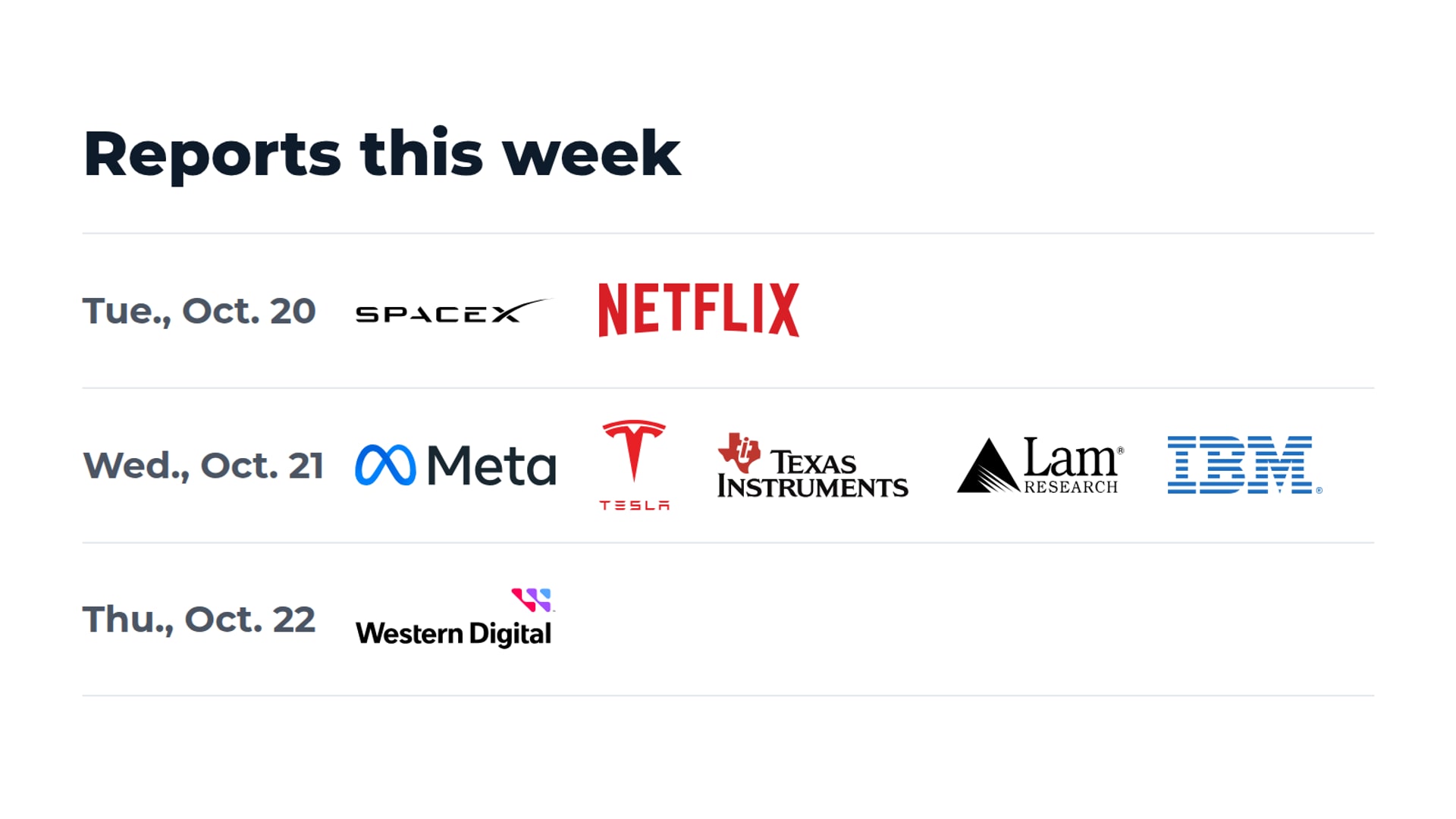
It had plenty of company. Micron (MU) lost 13% this week and now sits about 32% below its late-June high. Western Digital (WDC), the hard drive maker Sandisk was spun out of in early 2025, dropped 18% on the week and is 40% off its high. Seagate (STX) gave up 13%. Friday brought a violent intraday reversal that pulled most of the group off its lows (We covered that session as it happened here), and Seagate actually finished up almost 6%. Sandisk was the exception. It closed red again.
What actually hit the memory trade this week
Three things stacked on top of each other. First, SK Hynix had a brutal week on both sides of the Pacific. An Iran-driven crash sent the Kospi down 8.95% on Monday, July 13, tripping the market's seventh circuit breaker of the year, and by Thursday SK Hynix's newly listed US shares (SKHY) had dropped 13.7% in a single session. A Korean brokerage note that cut the company's Q2 profit estimate roughly 8% below consensus, citing slower HBM4 shipments, added a company-specific worry on top of the macro one. Since SK Hynix and Samsung together make almost 80% of the world's AI memory, a wobble in Seoul does not stay in Seoul (we broke down that bottleneck here).
Second, the supply story is getting more complicated. Samsung and SK Hynix have both announced capacity additions, and the bear case says new supply arrives just as AI capital spending peaks in 2026 and then tapers. Third, money has been rotating out of semiconductors and into the Mag 7 all week, so the sellers had somewhere to go.
None of this is a Sandisk-specific problem. Which is exactly why the size of Sandisk's drop stands out. When a stock falls twice as hard as its own sector on sector-wide news, the move usually says more about who owns it than about the business. Sandisk's 52-week range tells that story: the stock traded at $40.10 last August, a few months after the spinoff, and $2,354 in June. That is a 58x run in under a year. Even after this week's 29% beating, it is still up roughly 34x from that low. Gains that violent attract fast money, and fast money does not wait around to ask questions in a selloff. Sandisk has been through worse, for what it is worth: the April 2025 tariff crash cut it 38% in a single week, back when it was a $30 stock nobody was watching.
The other side of the trade: Goldman says $2,200
Here is what makes this week genuinely interesting instead of just painful. On July 5, less than two weeks before the crash, Goldman Sachs analyst James Schneider raised his Sandisk price target from $1,200 to $2,200 and kept a Buy rating. The math behind it: 20 times a normalized earnings estimate of $110 per share, roughly double his prior earnings assumption. His argument is that NAND supply stays structurally tight well into 2027 and that the Street still has not fully priced the contract-pricing data he is seeing.
Goldman is not alone. In early July, UBS argued DRAM stays undersupplied until at least the second quarter of 2028, and Citi added Micron to its upside catalyst watch. The sell side spent the first half of July raising memory numbers, and the market spent the second week of July selling memory stocks as hard as it has all year. From Friday's close, Goldman's target implies more than 60% upside on Sandisk. One of those two views has to give.
It is worth being honest about what a price target is, though. It is a 12-month view, not a call on next week, and the analysts raising targets are working from supply and pricing models while the tape is trading on fear about 2027 capacity and rotation flows. Both can be simultaneously true for a while. The famous bear here is real too: Michael Burry shorted Micron from $1,052 earlier this month, a bet we covered in detail, and MU closed Friday at $848.95. So far that trade is working.
What settles the argument
Earnings, soon. SK Hynix reports July 29 in Seoul, the evening of July 28 US time, and its HBM4 shipment commentary is now the single most watched data point in the sector. Sandisk reports its fiscal fourth quarter on August 5. If NAND pricing holds the way Goldman's model says it should, Sandisk's guidance will show it, and a stock 42% off its high with rising earnings power will look very different in hindsight. If guidance wobbles, the fast-money exit this week will look early rather than wrong. For the mechanics of why HBM sits at the center of all this, our explainer is here.
Prices in this piece are Friday, July 17 closing figures. This group has been moving fast, so check a live quote before acting on anything here.
Sources
- TheStreet, Goldman Sachs sets jaw-dropping SanDisk stock price target for 2026
- 24/7 Wall St., SanDisk Rebounds 5%, Western Digital Gains 5%, Micron Climbs 3% as UBS, Citi, BofA Turn Bullish on Memory
- Yahoo Finance, Sandisk To Release F4 2026 Earnings on Aug 5
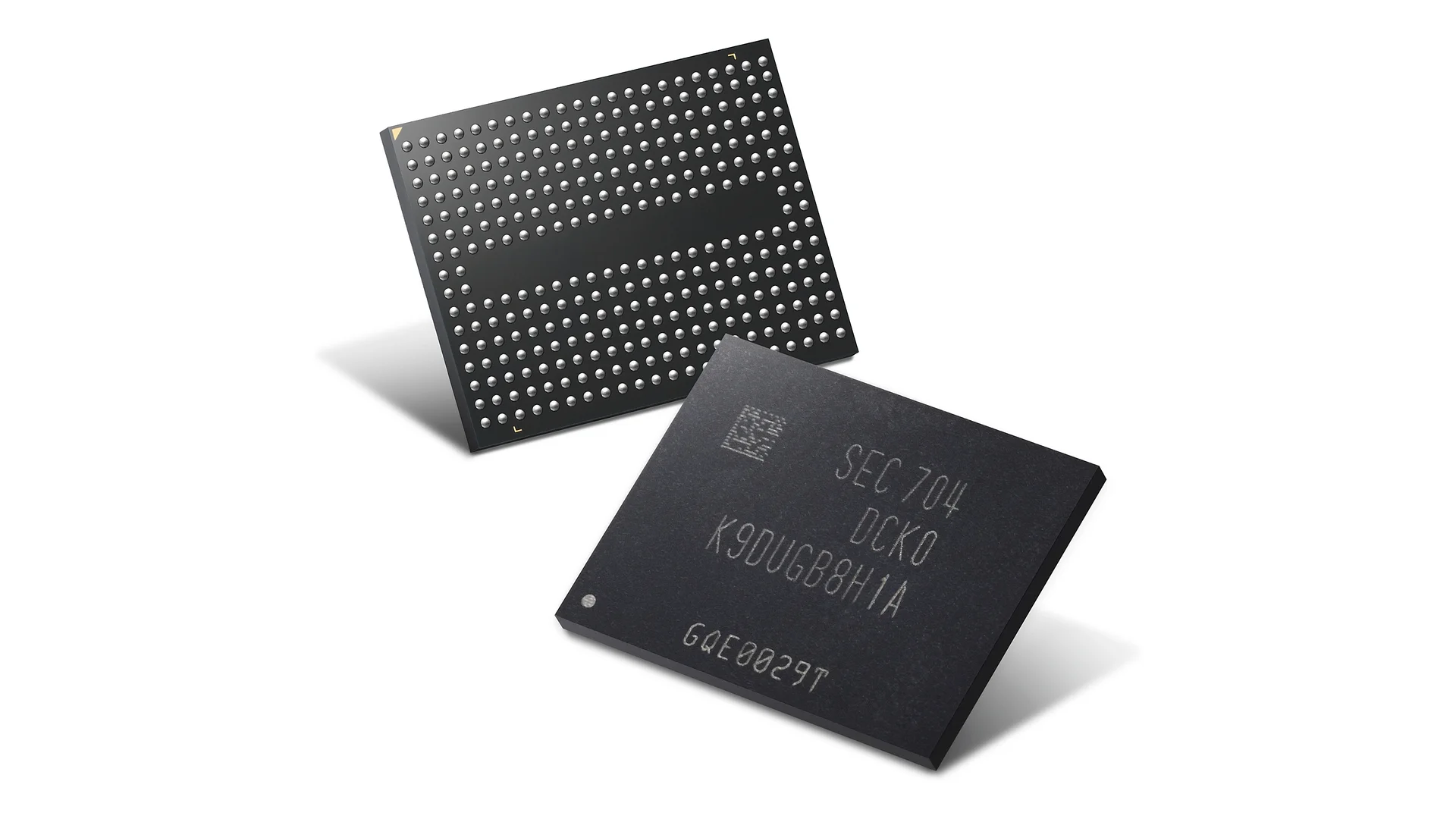
Cover photo: Samsung 64-layer V-NAND flash memory packages. Samsung Global Newsroom.
This is general market commentary and opinion, not investment advice. Markets can go down as well as up, and you can lose money. Always do your own research and consider speaking with a licensed financial professional before making any investment decision.