Key points
- Sandisk (SNDK) jumped more than 20% after Micron's (MU) record quarter.
- As a NAND flash maker, it has the most direct leverage to rising memory prices.
- Other memory names: Micron (MU), Western Digital (WDC), Seagate (STX); memory is highly cyclical.
Memory stocks went vertical today, and one name screamed louder than the rest. Sandisk (SNDK) ripped more than 20 percent, to around $2,340 a share, after Micron (MU) delivered a blowout quarter that lit a fire under the entire memory complex. Here is why Sandisk moved like that, and the other memory names riding the same wave.
The move
Sandisk finished the day up about 22 percent, near $2,340. To see how violent that is, remember where it sat three days ago. In Monday's chip selloff, Sandisk got cut roughly 11 percent as the whole AI trade wobbled. So part of today is a snap-back from an oversold name, and part of it is something bigger: Micron just handed the memory bulls all the proof they wanted.
Micron lit the fuse
The catalyst was not Sandisk at all. It was Micron, which reported fiscal third-quarter results after the close on Wednesday and blew the doors off. Revenue came in at $41.46 billion, up an eye-watering 346 percent from a year ago, and management guided the next quarter to roughly $50 billion, well above what Wall Street expected. We broke down that quarter in Micron's record quarter.
Micron is the bellwether for the whole memory and storage group, so when it confirms that demand for high-bandwidth memory, DRAM, and NAND flash is not just strong but accelerating, every other memory name gets repriced with it. Micron itself rose about 15 percent today, to around $1,200. Sandisk, as the highest-beta pure-play in the group, moved the most.
Why Sandisk specifically
Sandisk is a NAND flash pure-play, spun out of Western Digital, so it carries the most direct leverage to memory pricing of any large US-listed name. When memory prices rise, Sandisk's profits rise faster than almost anyone's, and the stock tends to move in giant steps.
The fundamentals underneath it are real, too. Last quarter Sandisk posted revenue of about $5.95 billion, up 251 percent year over year, and guided the current quarter to between $7.75 billion and $8.25 billion. After Micron's print, Citi raised its Sandisk price target to $2,500 from $2,025. And just last week, Apple (AAPL) warned of "unavoidable" memory price increases, a signal that the companies buying these chips by the millions expect to pay up. Put a sold-out market, rising prices, and a high-beta pure-play together on the day the bellwether crushes earnings, and you get a 22 percent candle.
One honest note: some of today's move is momentum feeding on itself. Sandisk has become a crowded, fast-money favorite, so a strong catalyst gets amplified by traders piling in. That cuts both ways, which we will get to.
The other memory stocks to watch
If you want to follow the memory upcycle beyond Sandisk, here is the rest of the group and how it traded today.
- Micron (MU), around $1,200, up about 15 percent. The bellwether and the most diversified play, spanning DRAM, NAND, and the high-bandwidth memory that sits next to AI chips.
- Western Digital (WDC), around $670, up about 4 percent. The other half of the old Sandisk, now focused on hard drives and high-capacity storage. It jumped more than 10 percent at the open and gave much of it back.
- Seagate (STX), around $1,020, up about 3 percent. The hard-drive maker riding demand for the mass storage that AI data lakes need. It also faded from a stronger open.
- SK Hynix and Samsung, the two Korean giants that, alongside Micron, make essentially all the world's high-bandwidth memory. They trade in Seoul, though SK Hynix is moving toward a US listing under the ticker SKHY, which we covered in watch the order book, not the hype.
- Kioxia, the Japanese NAND maker and Sandisk's longtime manufacturing partner, is another way to play the flash side, though it trades in Tokyo.
For the bigger picture of where memory sits in the AI supply chain, our AI stock map walks the whole stack.
Why memory is suddenly the hottest corner of the AI trade
For two years the AI story was mostly about the chips that do the computing. The quiet truth is that those chips are useless without enormous amounts of fast memory to feed them, and that memory has become the real bottleneck. Hyperscalers are buying high-bandwidth memory, DRAM, and NAND faster than the three big makers can produce it. When supply is sold out and demand keeps climbing, prices go up, and memory companies swing from thin-margin commodity businesses to extremely profitable ones almost overnight. Micron's roughly 85 percent gross margin this quarter is what that looks like on the income statement.
The risks worth respecting
Memory is the most cyclical business in technology, and that has not changed. Today's shortage can become tomorrow's glut if everyone races to add capacity, and when the cycle turns, these same stocks fall as hard as they rose. Sandisk in particular is now extended and crowded, so a 20-plus percent up day can be followed by a sharp pullback on no real news. The move is real, but so is the volatility. If you are looking at these names, size accordingly, and do not chase a parabolic candle.
Bottom line
Sandisk's 22 percent jump was the loudest expression of a simple message from Micron: the AI memory upcycle is real, demand is sold out, and pricing is heading higher. That lifts the whole group, from Micron to Western Digital to Seagate, with Sandisk moving most because it has the most leverage to the cycle. Just remember that leverage works in both directions.
Sources
- Benzinga, Micron's blowout Q3 report ripples through memory stocks SanDisk, Western Digital
- 24/7 Wall St., Micron soars 17%, SanDisk jumps 15%, Western Digital climbs 13%
- Micron Technology, Investor Relations (fiscal Q3 2026 results)
This article is for general informational purposes only and is not investment advice. Prices are intraday as of June 25, 2026, and will move. Always do your own research and consider speaking with a licensed financial professional before making any investment decision.
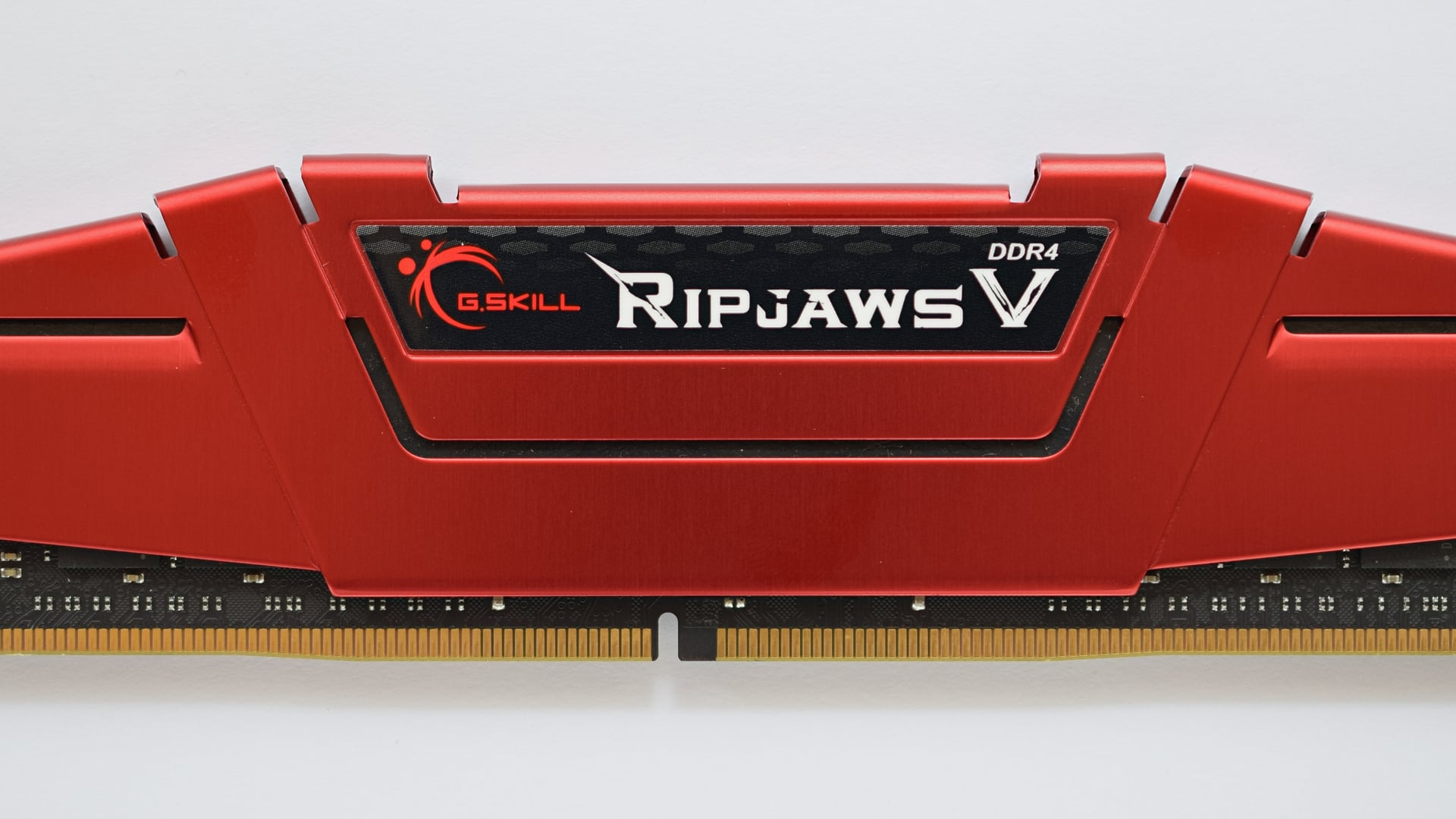
Cover photo: DDR4 memory module by ElooKoN / Wikimedia Commons, CC BY-SA 4.0, cropped.