Key points
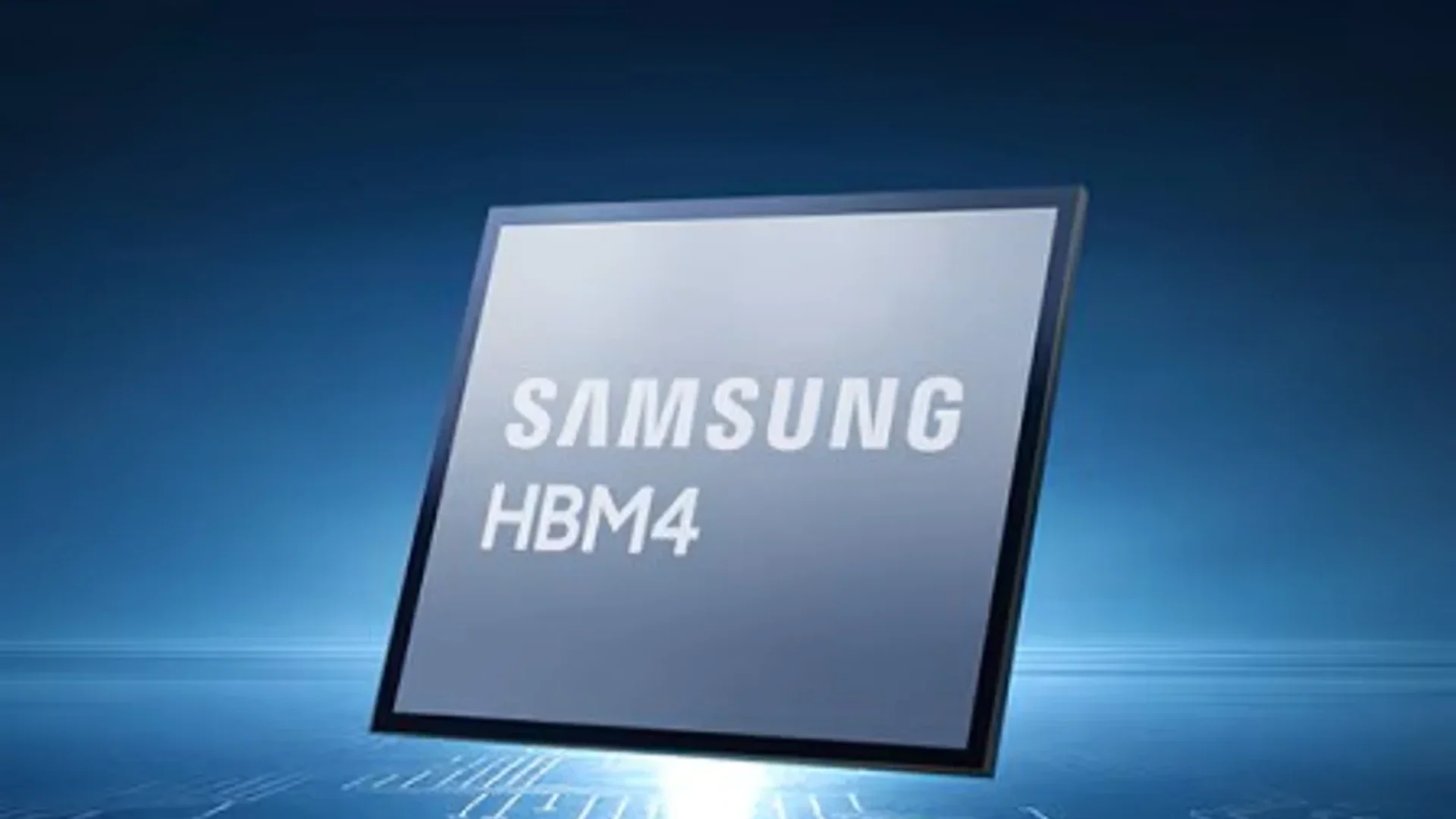
- Samsung's newest AI memory, HBM4, hit about 80% yield in six months, up from under 60% in February and about four months ahead of plan.
- SK Hynix's HBM4 yield is also near 80%, so the race has moved from technology to who can produce and ship the most.
- UBS expects Samsung to lead 2027 with 41% of shipments to SK Hynix's 39%. KB Securities sees Samsung first at 44%.
- SK Hynix still leads in 2026 near 48%, and the 2027 forecasts depend on Nvidia's next chip, Vera Rubin.
Over the past week, Korean chip coverage reported something that would have sounded unlikely six months ago. Samsung Electronics has caught up on the one product it kept falling behind on, the high-bandwidth memory that goes inside Nvidia's AI chips. Its newest version, called HBM4, now comes off the line about as cleanly as SK Hynix's, and a couple of forecasts have Samsung passing SK Hynix in 2027.
Yield is the number this whole story turns on. It's the share of chips that come off the line good instead of defective, and on a brand-new product it starts low and climbs as the maker works the problems out. Samsung began making HBM4 in February at a yield under 60%, so more than four of every ten chips were scrapped. By August it had reached about 80%, the point the industry calls a golden yield, where enough chips pass that the product finally makes real money at scale. Samsung had told investors it wouldn't hit that level until the end of this year. It got there about four months early.
Here's why that matters more than a normal factory update. SK Hynix has led in high-bandwidth memory for years, and Samsung spent most of the AI boom unable to get its own up to the standard Nvidia wanted. Now Samsung's yield is level with SK Hynix's, which industry people also put in the 80% range. When both makers can produce the part cleanly, the contest stops being about who has the better technology and starts being about who can make the most of it and ship it on time.
Two firms now expect Samsung to pass SK Hynix
The forecasts come from the banks that follow these companies. UBS expects Samsung to take 41% of the high-bandwidth memory shipped in 2027, a little ahead of SK Hynix at 39%. That would be a real change from where things stand now, since UBS has SK Hynix leading this year at about 48%. KB Securities goes further and sees Samsung reaching 44% and finishing 2027 in first place. Both are projections, not results, and SK Hynix is still the leader today by a wide margin. What's new is that the number two is close enough that serious forecasters will put it in front at all.
Samsung is telling investors the same thing in its own words. On its late-July earnings call, Kim Jae-jun, a vice president in Samsung's memory business, said HBM4 sales in the third quarter would come in "more than three times" the previous quarter's. Kim also said Samsung wants to lift its share of the whole high-bandwidth memory market up near its share of ordinary DRAM, which is about 38%. For a business Samsung was losing a year ago, that's a steep target.
Nvidia is the deciding factor
None of this counts until Nvidia agrees. High-bandwidth memory only sells in volume once Nvidia certifies it for a specific chip, and the one everyone is aiming at now is Nvidia's next flagship model called Vera Rubin. Samsung's faster yield is what puts it in that conversation, because Nvidia won't design in a part its supplier can't make in quantity. And there's a reason Nvidia might want Samsung in the mix even though SK Hynix has served it well.
Lee Jong-hwan, a professor of system semiconductor engineering at Sangmyung University, said buyers the size of Nvidia don't like depending on a single source. "For major customers like Nvidia, it is better to be supplied from several places than to have everything concentrated in one company," Lee said. A credible second maker gives Nvidia room on price and a backup if one supplier stumbles, which is the opening Samsung is trying to take.
SK Hynix isn't standing still, and it would be a mistake to write off the company that built this market. It has led high-bandwidth memory for years, its own capacity is going up too, and it remains Nvidia's main supplier. Its recent trouble has been about demand, not ability, after a US report last week that Nvidia might use less memory in a coming Rubin chip sent the stock down about 15% in two days. A forecast about 2027 can still be wrong, and level yields today don't decide who ships more two years out.
Still, the shift is real, and it changes how to read Samsung's recent run. Its stock has climbed lately on the parts of the business that have nothing to do with memory, its foundry and a new robot unit, which is the story I told about Tuesday's move in Seoul. What this week adds is that Samsung is coming back in memory itself, on the one product SK Hynix owned outright. Meanwhile, Samsung says it wants its high-bandwidth memory share up near 38% by the end of this year, and the next real test is whether Nvidia certifies its HBM4 for Vera Rubin.
Sources
- 서울경제, 삼성 HBM4 '황금 수율' 달성…공급 늘린다, on Samsung's 80% golden yield and its year-end share target
- 녹색경제신문, 삼성전자-하이닉스 HBM4 수율 비등…생산능력 경쟁 '각축전' 돌입, on both makers near 80% yield and the UBS and KB Securities 2027 share forecasts
- 뉴스웨이, 삼성 HBM4 수율 80%···'기술 추격'서 '물량 공세'로, on the shift from a technology race to a volume race
- 뉴시스, 삼성전자 "3분기 HBM4 매출, 전분기比 3배 이상…전체 매출 60% 상회", on Kim Jae-jun's comments on the earnings call
- Our earlier coverage: Samsung pulling ahead of SK Hynix on Tuesday, the Rubin Ultra memory-cut report, and Samsung and SK Hynix's record quarters
Quotes originally in Korean are translated. Market-share and yield figures are as reported by the Korean coverage described above. This is general market commentary and not investment advice.