Key points
- Talks could fund a chip plant on US soil
- GlobalFoundries (GFS) would operate it
- The project could reach $19 billion
- Could become the first chip project under Japan's pledge
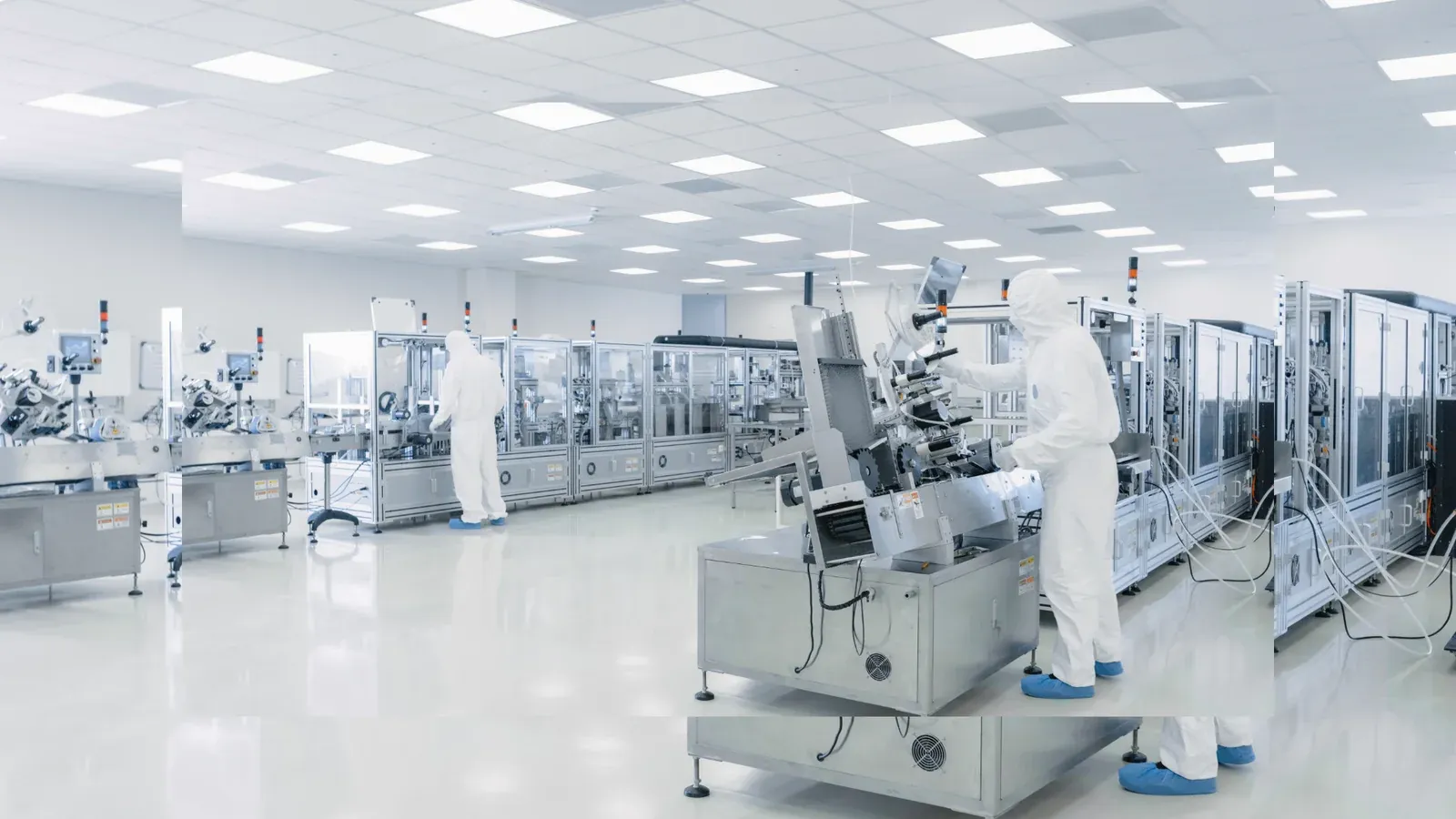
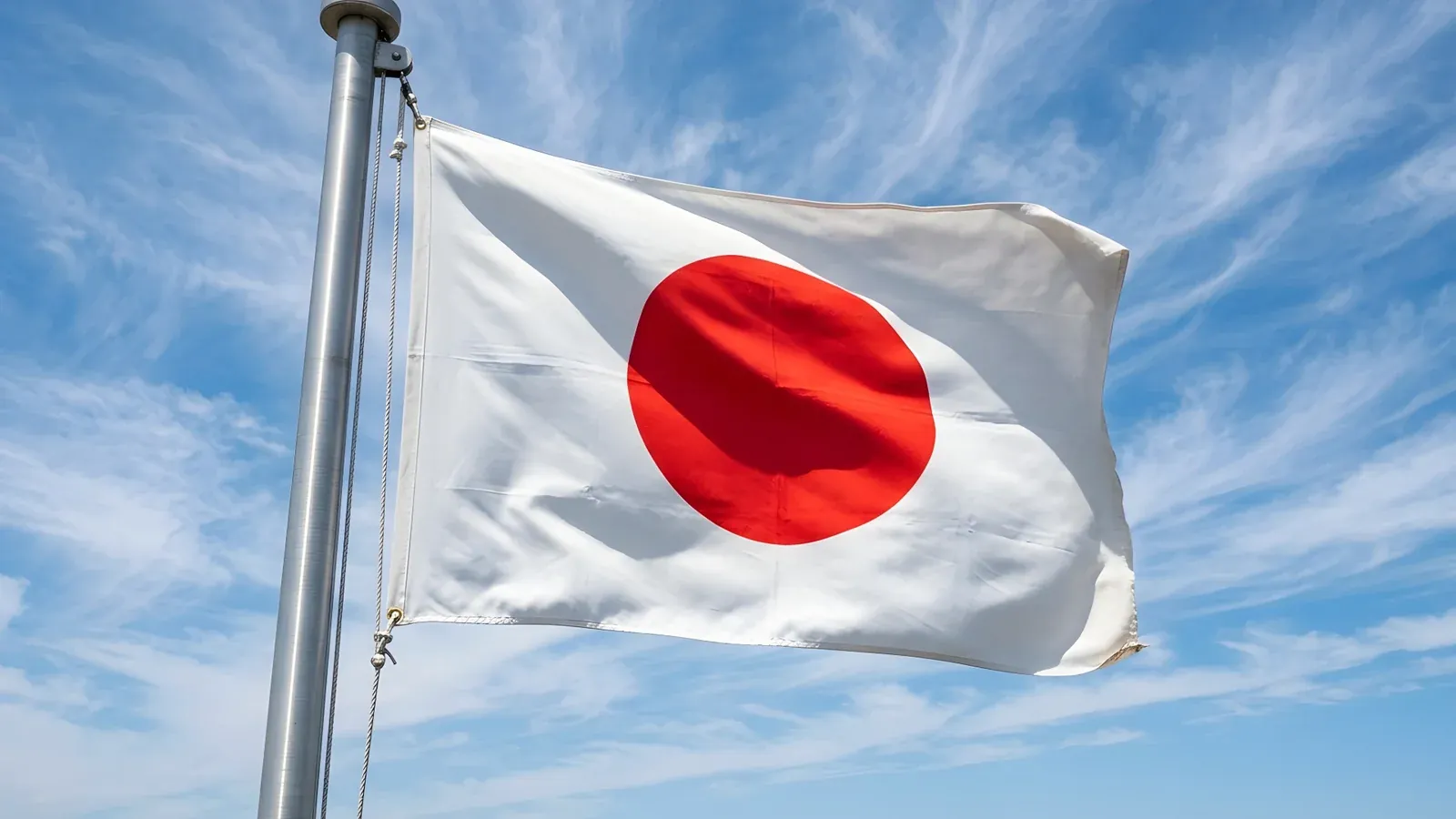
Japan and the United States are discussing a new US chip plant that GlobalFoundries (GFS) would operate. The proposed project could count toward Japan's $550 billion US investment pledge under last year's tariff agreement.
The project could be worth as much as $19 billion, Nikkei reported on Thursday, citing officials of both governments familiar with the talks. Reuters put the range at 2 trillion to 3 trillion yen, or about $12.9 billion to $19.3 billion. The plant would make logic chips. Those are the processors that do a device's computing, not the memory chips that store its data.
Neither government has commented, and nothing has been announced. The report does not say where in the US the plant would go, when it would be built, which manufacturing process it would use, or how the money would be split between the two sides.
GlobalFoundries closed at $43.03 on Wednesday and traded at $44.52 before Thursday's open, up about 3.5%.
How the project fits Japan's investment pledge
Japan's $550 billion pledge covers investments, loans and loan guarantees for projects in the United States. Agreed under last year's tariff deal, the financing is available through the end of Donald Trump's second term. A US chip plant operated by GlobalFoundries would fit that framework.
The financing is not limited to Japanese companies. Trade minister Ryosei Akazawa has said a Taiwanese chipmaker building a US plant with Japanese components could qualify. GlobalFoundries has its headquarters and largest US operation in Malta, New York. It is incorporated in the Cayman Islands, and Abu Dhabi state fund Mubadala is its largest shareholder.
A possible first chip project
The two rounds of projects announced so far total up to $109 billion, and neither included an AI-compute or chipmaking project. The first round, announced in February, covered oil, gas and critical minerals. The second, announced on March 20, included up to $40 billion for small modular reactors and up to $33 billion for natural gas generation.
Akazawa said on September 4 that AI and semiconductors would carry "very significant weight" in later discussions, but gave no details. Thursday's report identifies a potential chip project consistent with that priority. It remains a proposal, with no agreement announced.
What the project could mean for GlobalFoundries
GlobalFoundries stopped its 7-nanometer development in 2018 and moved to mature and specialty processes. Its chips go into cars, phones and industrial equipment, and into aerospace and defense work.
The company has already secured US government funding for a separate project. On September 8, it finalized a $375 million award for quantum chip production. The proposed plant would involve a much larger investment, although the reporting does not specify how much GlobalFoundries would contribute.
What remains unresolved
The next real marker would be an announcement naming a site and a financing split. Neither exists yet.