Key points
- IBM (IBM) unit Anderon finalized a $1 billion CHIPS award
- Largest of nine proposed quantum awards announced in May
- IBM is adding $1 billion of its own money
- Anderon's release does not specify its equity terms
IBM (IBM) subsidiary Anderon has finalized a $1 billion CHIPS Act funding agreement with the US Commerce Department for research and development at its quantum wafer foundry in Albany, New York. IBM is contributing another $1 billion of its own.
Anderon announced the agreement on September 16, before Wednesday's opening bell. IBM shares closed Tuesday at $248.37.
What the money buys
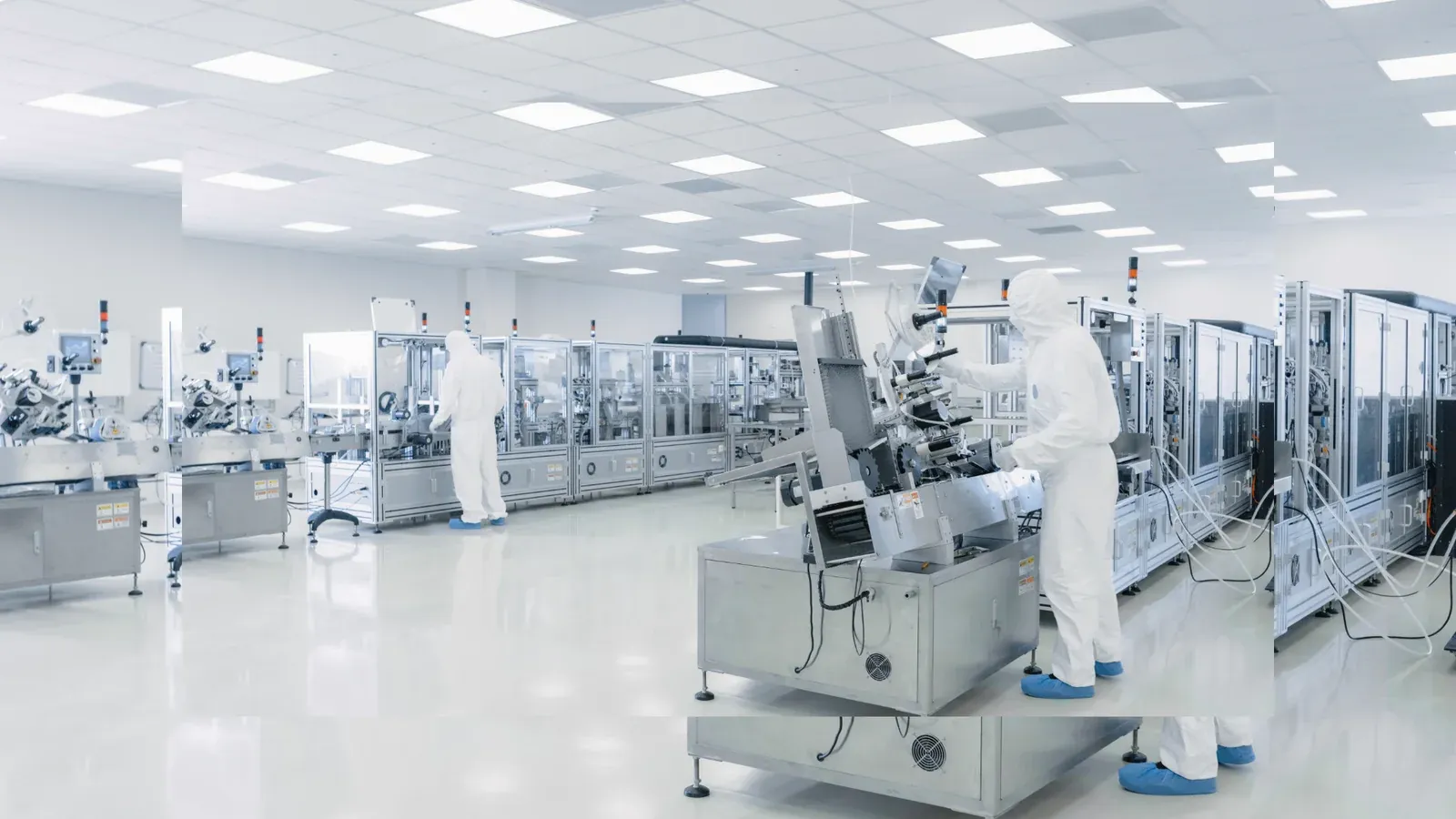
Anderon runs a 300-millimeter pure-play quantum foundry. Pure-play here describes its role: it is intended to manufacture quantum wafers for IBM and other developers. A 300-millimeter wafer is the standard size used in ordinary high-volume chip plants.
The release says the award "will accelerate Anderon's R&D efforts to advance the nation's quantum wafer manufacturing capabilities." It gives no payment schedule and names no milestones.
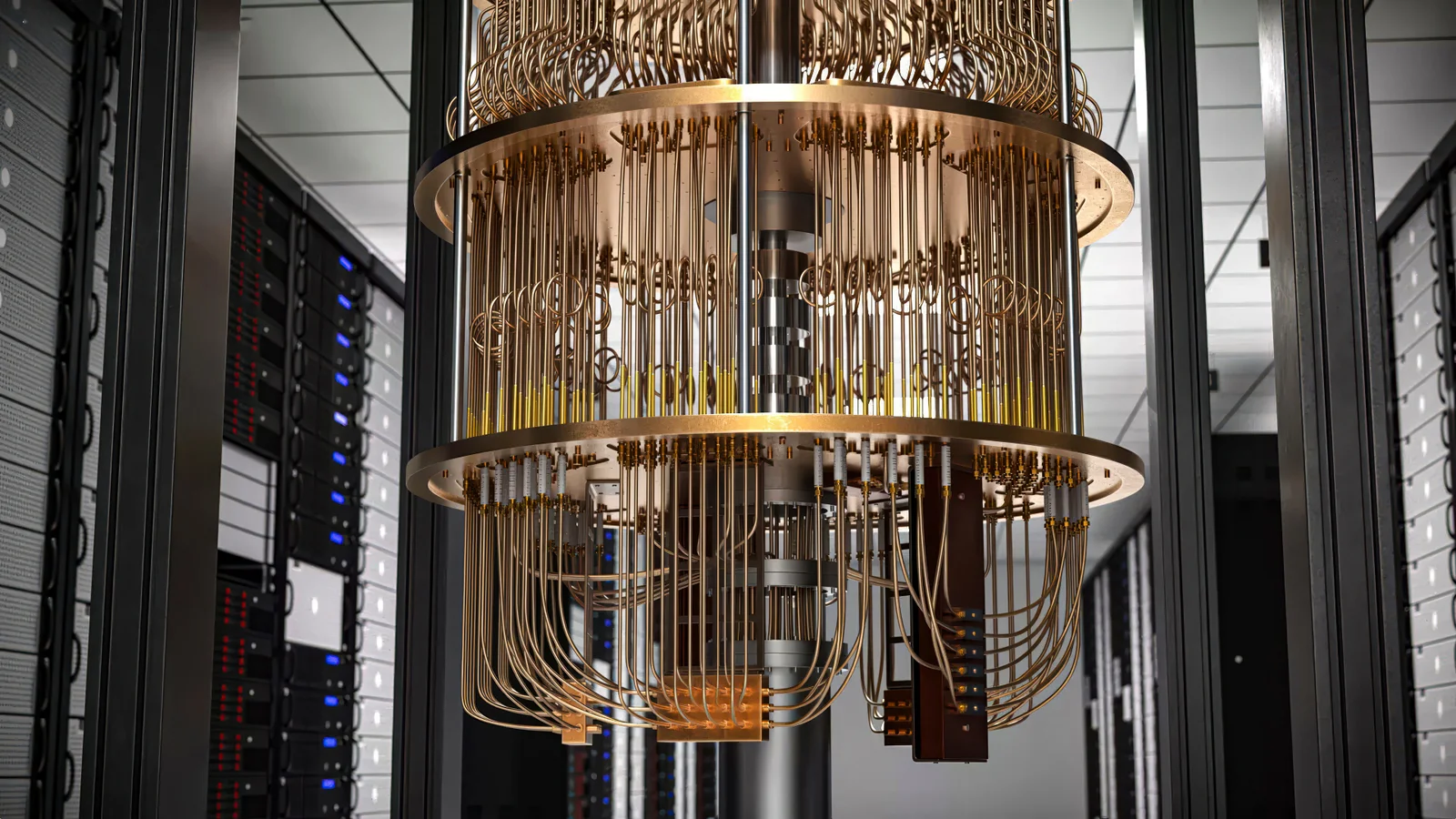
The plant is already running. Anderon said the first quantum wafers are now moving through its manufacturing facility. The company makes wafers for superconducting qubit arrays, for quantum input and output signaling, and for readout signal chain components. A superconducting qubit is the type of quantum bit IBM builds its machines from, made of metal circuits cooled to near absolute zero. Anderon said it plans to support other kinds of quantum computer later.
Mukesh Khare, chief executive of Anderon, said in the release, "This agreement with the Department of Commerce strengthens our ability to deliver the manufacturing scale the quantum industry needs."
Jay Gambetta, director of IBM Research and an IBM Fellow, tied the foundry to IBM's own schedule. "IBM's quantum roadmap requires a manufacturing foundation that can scale at the pace our work demands," he said.
The nine awards from May
The Commerce Department signed letters of intent with nine quantum companies on May 21 for $2.013 billion, according to the department. IBM's proposed $1 billion was the largest of them. GlobalFoundries (GFS) was in line for $375 million. D-Wave (QBTS) and Rigetti (RGTI) were each down for about $100 million. So were PsiQuantum, Quantinuum, Infleqtion, and Atom Computing. Diraq was in line for up to $38 million.
Those letters have been turning into signed agreements through September. GlobalFoundries finalized its $375 million on September 8, and D-Wave, Rigetti, Quantinuum, and PsiQuantum closed theirs the same week. IBM's was the biggest one left.
What the government took from the others
Most of the nine gave the Commerce Department equity. GlobalFoundries said in May that the department would make a strategic equity investment representing about 1% ownership of GlobalFoundries itself, not just of its quantum unit. D-Wave's 8-K filing shows the government received 7,095,721 shares at $14.093 each under an agreement signed September 4.
Anderon's release says nothing of the kind. It does not use the words equity, stake, ownership, or shares. IBM's May announcement did not describe a government position either. Commerce's May announcement said the funding would be conditional on minority, non-controlling government equity stakes. Anderon's release does not specify how that condition applies to its agreement, the size of any stake or which entity would issue it.
Who is not in the program
Two of the better-known quantum names are absent from the nine. Alphabet's (GOOGL) Google builds its own processors and fabricated its Willow chip end to end at a facility it built in Santa Barbara, California. IonQ (IONQ) did not receive an award either.
Anderon aims to serve quantum developers that need access to specialized manufacturing. The release names no outside customer.