Key points
- On Friday, August 7, SK Hynix fell 4.88% to 1,422,000 won ($1,004 USD) in Seoul. It had already dropped more than 10% the day before, so in two sessions it lost about 15%.
- The reason on Friday was a report from the US outlet The Information that Nvidia is testing versions of its next AI chip, called Rubin Ultra, that carry less memory than Nvidia first announced.
- SK Hynix makes most of that memory, so a smaller order reads as less money for the supplier. Daishin Securities said SK Hynix's heavy memory exposure led the whole index lower.
- Samsung Electronics went the other way and closed a little higher, up 0.22%. It sells less of Nvidia's high-bandwidth memory than SK Hynix does, so it was mostly left out of the fall.
- Other analysts in Korea think the worry is too big. AI companies are expected to spend more than $1 trillion next year, the newest memory is in short supply, and its price has about doubled from the last generation.
On Friday, August 7, SK Hynix fell 4.88% to 1,422,000 won ($1,004 USD) in Seoul. A day earlier it had already dropped more than 10%, so across two sessions it lost about 15% of its value. Samsung Electronics went the other way on Friday and closed a little higher, and the Kospi ended down just 0.60% after individuals and institutions bought enough to hold it up.
Prices, the exchange code and our full file on the company are on the SK Hynix page.
SK Hynix had its own reason to fall on Friday, and it came down to one customer's next chip.
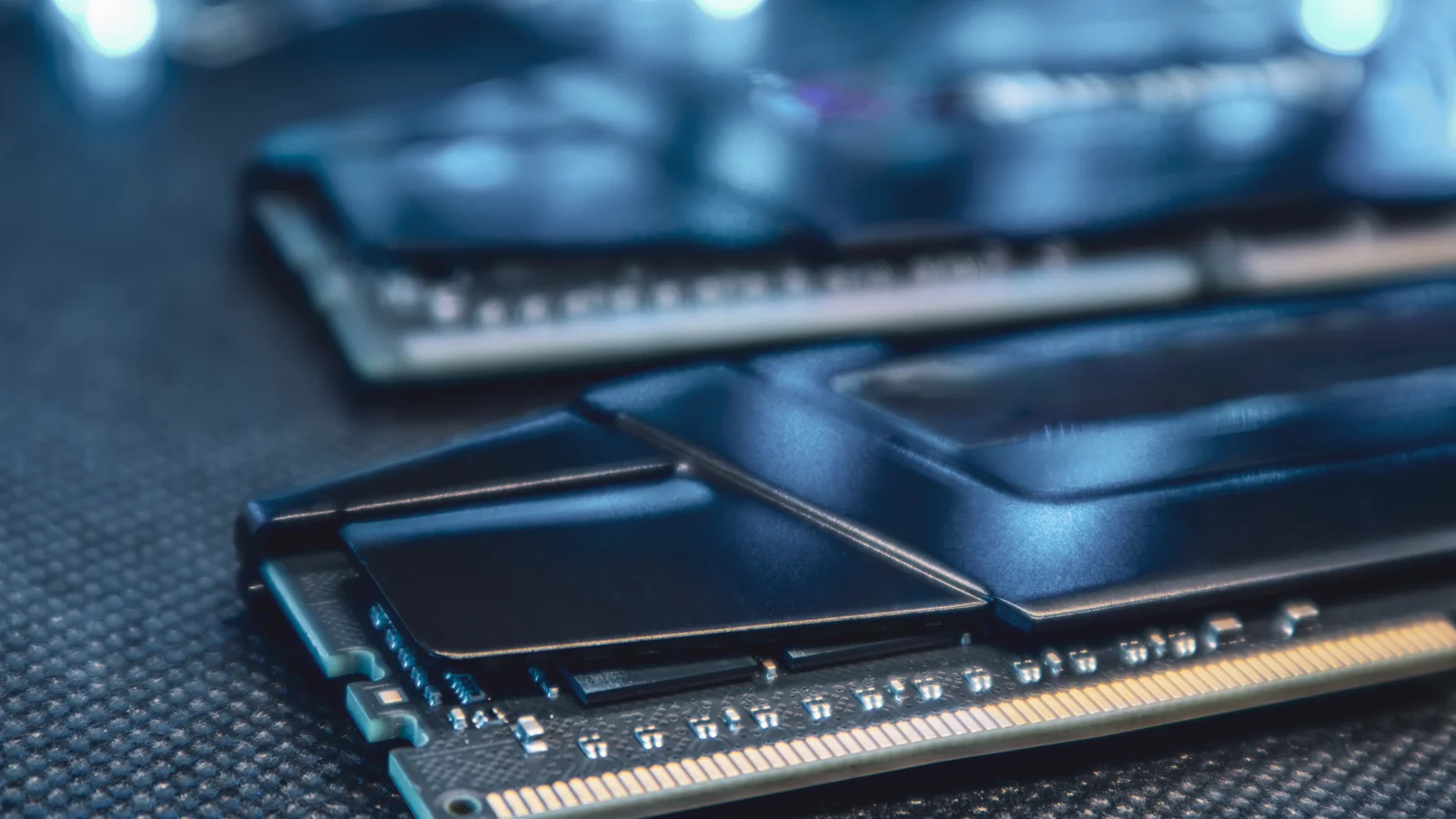
On Wednesday in the US, the outlet The Information reported that Nvidia has been testing versions of its next flagship AI chip, called Rubin Ultra, that carry less memory than the company first described. When Nvidia's chief executive Jensen Huang showed the chip off last year, he said each one would hold a full terabyte of high-bandwidth memory across 16 stacks. Some of the samples being tested now drop to 192 gigabytes, and a few of them use an older kind of the memory, called HBM4, instead of the newer HBM4E that was planned. That's less memory than sits inside the current Rubin chip Nvidia already sells.
The report says the reason is supply. There might not be enough of the newest memory produced in time for the chip, and the shortage has pushed prices up. Rubin Ultra isn't due until the second half of 2027, and Nvidia hasn't locked in a final design.
This lands in Seoul because SK Hynix makes most of the high-bandwidth memory Nvidia buys. Less memory in each chip, or an older and cheaper kind, reads as a smaller order and less money for the company that supplies it. Lee Kyung-min at Daishin Securities (대신증권) said the chip stocks "split into winners and losers" on Friday. "The news that Nvidia is reviewing a cut to Rubin Ultra's memory worked as a burden, and weakness in SK Hynix, which has high memory exposure, led the index lower," Lee said. Samsung, which supplies far less of Nvidia's high-bandwidth memory than SK Hynix does, was on the winning side. The two companies had just posted their best quarters ever a week earlier, so the fall said nothing about the money either one is making now, only about a single order more than a year out.
Why some analysts say the fear is overdone
Not everyone read the report the same way. Korean coverage on Thursday argued the opposite, that a lighter memory load on one future Nvidia chip means little for the companies that actually make the memory. It gave a few reasons.
The first is money. AI companies are expected to spend more than $1 trillion on data centers next year, and a chipmaker facing a bigger memory bill can pass that cost into the price of the finished product. The second is scarcity. High-bandwidth memory is sold out well ahead of time, and the orders are coming from more than one buyer now, with AMD and Google lining up alongside Nvidia. The third is price. The newest memory, HBM4, runs about $31 to $32 a gigabyte, close to double the $17 to $18 the last generation cost, so every gigabyte that does sell is worth more than it used to be.
Kim Jae-jun, a vice president in Samsung's memory business, told its latest earnings call that HBM4 sales in the second half of this year would "comfortably exceed 60%" of all its high-bandwidth memory sales. The bet there is that the newest and most expensive memory keeps selling fast, not slowing down.
So there are two ways to read the same report. One is that Nvidia will need less memory, which is a problem for the company that sells most of it. The other is that memory is so scarce and so expensive right now that one trimmed order barely moves what SK Hynix earns. The real question is whether SK Hynix is worth less today because of an engineering choice that can still change before 2027, or whether the memory is simply too sold out for that choice to matter. Friday picked the first answer.
The argument won't settle soon. Rubin Ultra is more than a year from shipping, and Nvidia can still change the design before then depending on how much memory it can buy. For SK Hynix, the nearer date is October, when it reports its third-quarter results, and it has already told investors it's preparing a plan to hand more cash back to shareholders by the end of the year. Meanwhile, foreign investors sold 862.5 billion won ($609M USD) more Kospi shares than they bought on Friday, while Korean individuals and institutions were the buyers.
Sources
- 이투데이, 외국인 '팔자'에 코스피·코스닥 하락 마감…삼성전자·SK하이닉스 희비 갈려, on the August 7 Seoul close and the Daishin Securities analysis
- 머니투데이, 엔비디아도 HBM 원가 부담↑…삼성전자·SK하이닉스는 '탄탄대로', on why higher memory costs may not hurt the Korean suppliers
- The Information, August 6, 2026, for the report that Nvidia is testing lower-memory versions of Rubin Ultra
- Our earlier coverage: Samsung and SK Hynix's record quarters and SK Hynix's shareholder-return plan