Key points
- Solar is the fastest power to build, carrying near-term AI demand; the US adds a record 43 GW in 2026.
- It cannot run a data center alone, so it is paired with batteries; solar-plus-storage is the trade.
- Key names: First Solar (FSLR), Tesla (TSLA), Fluence (FLNC), Canadian Solar (CSIQ).
Nuclear gets the splashy headlines in the AI power story, the reactor restarts, the 20-year deals, the moonshot startups. But if you look at what's actually getting built right now to feed AI data centers, a lot of it is solar panels and batteries. Solar doesn't run 24/7, so it can't be the whole answer, but it's the fastest power you can put on the ground, and that speed matters enormously when demand is exploding faster than the grid can keep up. Here's the case for solar as the near-term workhorse of the AI buildout, and how to think about the stocks.
Why solar wins on speed
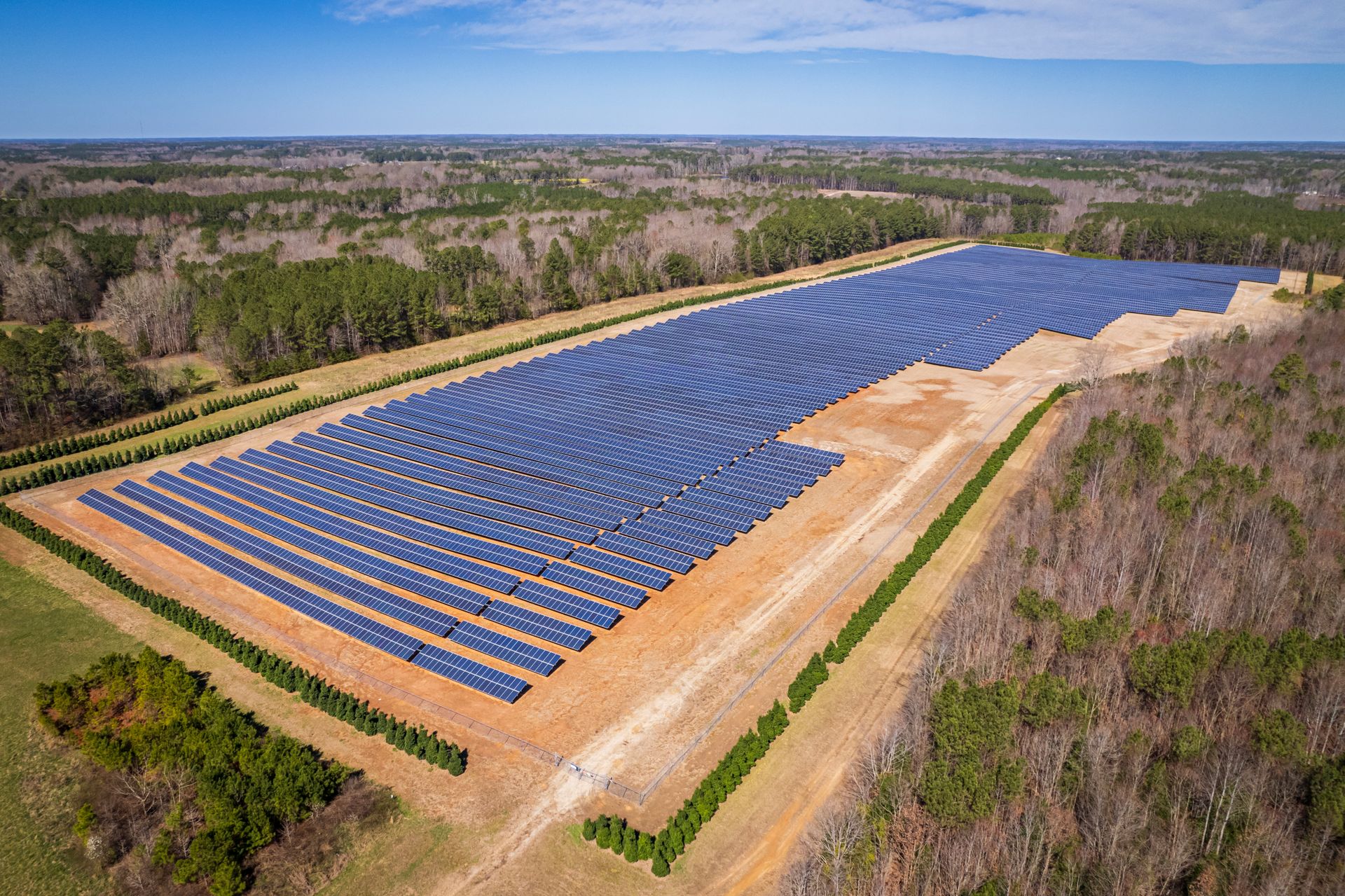
The single biggest problem in powering AI isn't just generating electricity, it's generating it fast enough. New gas plants and nuclear reactors take years to permit and build. Solar takes months. That's why it's carrying so much of the near-term load.
The numbers back it up. The US is expected to add a record 43 gigawatts of utility-scale solar in 2026, up roughly 60% from the year before and the largest single-year jump on record. The IEA estimates renewable generation for data centers is growing about 22% a year and could cover close to half of their additional demand by 2030. And since early 2025, AI companies have signed at least a dozen large solar contracts, each over 100 megawatts.
There's also a clever workaround happening. Instead of waiting in years-long grid interconnection queues, developers are building behind-the-meter "energy parks" that wire solar and battery storage straight to the data center. It sidesteps the bottleneck and gets power flowing sooner.
The catch, and the fix: storage
Here's the honest limitation. Solar only produces when the sun is up, and AI data centers need power every second of every day. A few milliseconds of downtime can mean lost work. So on its own, solar can't power a data center.
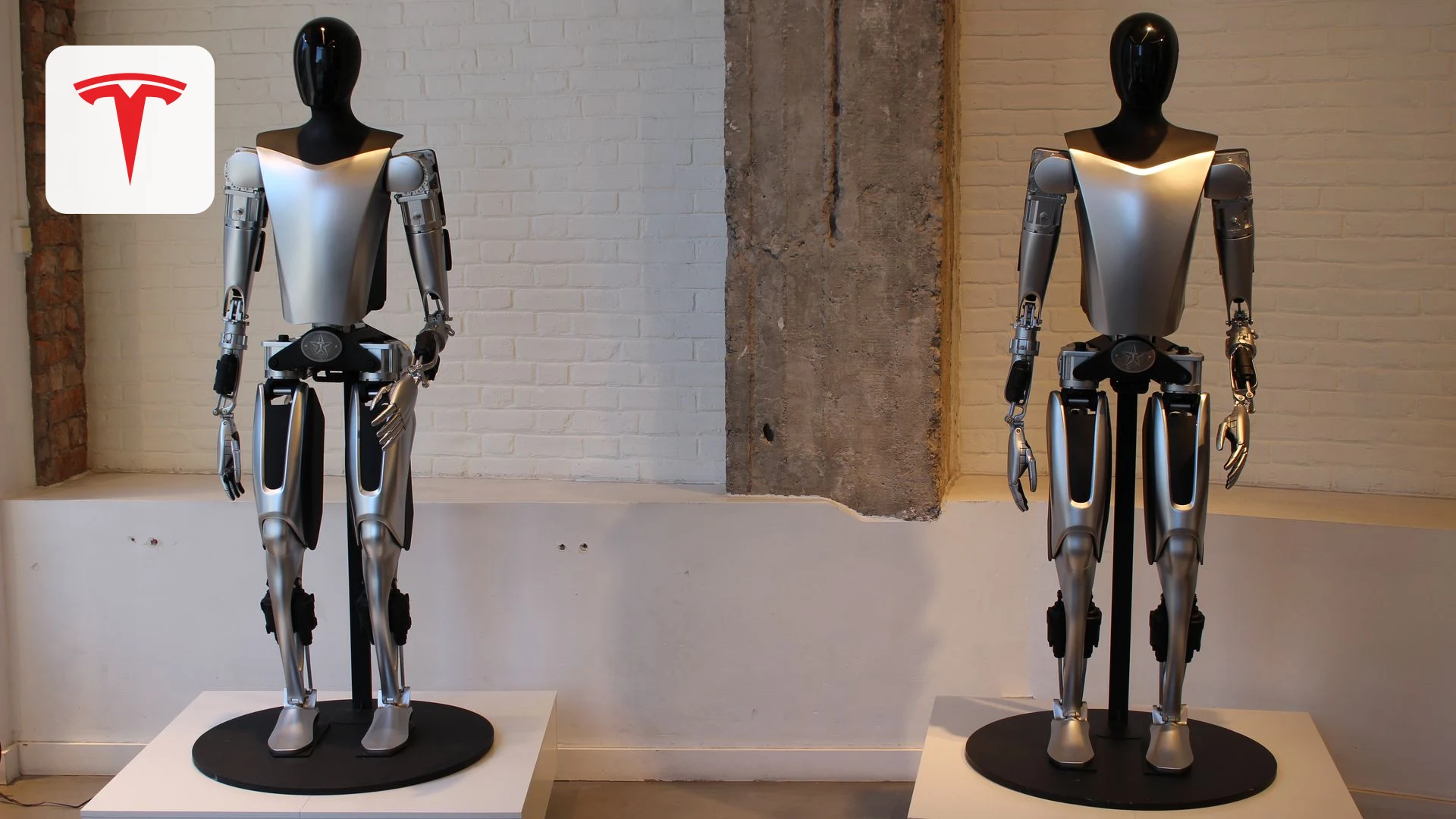
The fix is batteries, and this is where it gets interesting. Pairing solar with large-scale storage lets a site bank cheap daytime power and discharge it after dark, smoothing out the supply. Tesla has been pushing its Megapack systems hard at AI data centers, including a new "Megablock" product that bundles units into pre-engineered, faster-to-install blocks, and its batteries were picked for a $1.1 billion AI data center campus in Brazil. Fluence and China's CATL are the other big names in grid-scale storage. The rule of thumb to remember: solar is the cheap energy, storage is what makes it useful for AI.
Big Tech is already buying it by the gigawatt
The hyperscalers aren't waiting around. Amazon, Meta, Google, and Microsoft together accounted for roughly 49% of all corporate clean-power purchase agreements globally in 2025. Meta was the single largest corporate clean-energy buyer that year at 10.24 gigawatts, just ahead of Amazon's 10.22, and Meta's purchases were predominantly solar, more than 8 gigawatts of it.
The individual deals are getting huge:
- Google signed a 1 gigawatt solar deal with TotalEnergies in Texas in early 2026, and a separate 1.2 gigawatt deal with Clearway Energy.
- Microsoft struck what was billed as the largest-ever renewable deal, agreeing to buy more than 10.5 gigawatts of clean power from Brookfield between 2026 and 2030.
When the biggest buyers on earth are signing gigawatt-scale solar contracts, that's a demand signal worth paying attention to.
How to think about the stocks
Not all solar is the same trade. The AI data center story is a utility-scale story, and that's a very different business from the residential rooftop names.
The utility-scale winners. First Solar (FSLR) is the clearest play. It's the largest US panel maker and the only US-headquartered company among the world's biggest, it makes a thin-film panel that performs well in heat and at utility scale, and it just posted record quarterly sales of about $1 billion, up 24% year over year, with management pointing straight at AI data center demand. Its contracted backlog sits near 48 gigawatts, which gives unusually clear visibility into future revenue. Nextpower (NXT), the solar-tracker maker formerly called Nextracker, grew revenue about 22% to $835 million in its latest quarter on strong North American and Indian demand.
The domestic-manufacturing bet, and the smart money on it. T1 Energy (NYSE: TE), the company formerly known as FREYR Battery, is trying to build something rare: an end-to-end US solar supply chain. Its G1 plant in Dallas already runs 5 gigawatts of module capacity, and its G2 cell plant in Austin is slated to start producing in late 2026. Revenue jumped 232% year over year last quarter, and the stock has roughly doubled in a month. The headline catch is who is backing it: Leopold Aschenbrenner, the AI thinker whose closely watched Situational Awareness fund took a new stake of about 10 million shares (around $44 million, roughly 3.6% of the company) in early 2026. That is a marquee AI investor making a direct bet on the exact idea behind this whole article: AI needs power, power needs solar, and solar increasingly needs to be made in America. Just know it is a smaller, earlier-stage, far more speculative name than First Solar, with real financing questions and a stock that has already run hard.
The storage angle. If solar is the energy, storage is the enabler, so Tesla (TSLA), through its fast-growing Megapack business, and Fluence (FLNC) are the names levered to the batteries that make solar work for data centers. Canadian Solar (NASDAQ: CSIQ) straddles both worlds: it is a major panel maker, but its real momentum is in its e-STORAGE battery arm, which is riding data-center demand to a record backlog of about $3.5 billion and rising shipment guidance, even though the company is not expected back to profitability until around 2027.
A caution on the residential names. Enphase (ENPH) and SolarEdge dominate home solar and storage, but that's a weaker, rate-sensitive market with little direct data center exposure. Enphase recently reported a roughly 20% revenue drop and trades well below its highs. Don't confuse the rooftop business with the utility-scale AI trade, they've gone in different directions.
And the picks and shovels. Whoever wins the panel and battery races, a handful of suppliers sell into nearly every project: solar-tracker makers like Nextpower and Array Technologies (ARRY), and electrical balance-of-system specialists like Shoals Technologies (SHLS). They live or die on how many gigawatts actually get built, and right now that number is heading straight up.
The risks worth respecting
- Intermittency is real. Without enough storage, solar is a partial solution, and storage adds cost and complexity.
- Policy risk is big. Solar economics lean on tax credits and tariffs, and changes in Washington can swing the whole sector fast.
- It's a complement, not baseload. Solar plus storage helps with the buildout, but the around-the-clock backbone still leans on gas and, eventually, nuclear.
- Residential and utility-scale are diverging. Lumping all "solar stocks" together is how people get the trade wrong.
Bottom line
Solar isn't the glamorous part of the AI power story, but it's doing a huge amount of the near-term work, simply because it's the fastest thing to build. Paired with batteries, it's how hyperscalers are bridging the gap while slower baseload sources catch up. The smart way to frame it: solar and storage are the fast lane, nuclear is the long haul, and the AI buildout needs both. The utility-scale names like First Solar are the cleanest way to play it, just don't mistake them for the struggling rooftop stocks.
Sources
- International Energy Agency, Data centres and data transmission networks
- Yahoo Finance, Leopold Aschenbrenner reveals new T1 Energy stake
This is analysis and opinion for information only, not investment advice, and I'm not a financial advisor. Figures come from market reporting, the IEA, the EIA, and analyst estimates as of mid-2026 and vary by source, so do your own research and confirm current numbers before making any decisions.