Key points
- T1 Energy (TE) jumped about 7% on June 30, plus more after hours, as solar stocks rallied on a Reuters report that Washington is moving to ban imports of Chinese-made power inverters.
- T1 doesn't make inverters. It manufactures solar cells and modules in Texas, so the move is a sympathy rally with the broader domestic solar manufacturing group, not a direct hit.
- Nextracker (NXT), Shoals Technologies (SHLS) and JinkoSolar (JKS) jumped 6% to 8% alongside it. Of the two companies actually named in the report, Enphase (ENPH) gave back most of its early spike to close up just 2%, while SolarEdge (SEDG) held on to a real 6% gain.
- Leopold Aschenbrenner's Situational Awareness fund holds a 10 million share stake in T1 Energy, disclosed in its first-quarter filing, worth about $44 million at the time and roughly double that at today's price if he still owns it.
Solar stocks had a busy 48 hours, and T1 Energy (TE), a small domestic solar manufacturer, ended up one of the biggest movers in the group, even though the news that set everything off had nothing to do with T1 directly.
What actually happened
On Monday, June 29, Reuters reported that the Trump administration is preparing rules that could ban imports of certain foreign-made power inverters, the devices that connect solar panels and batteries to the electrical grid, on national security grounds. The concern is that China could use the devices to interfere with the US power supply. Enphase (ENPH) jumped 17.5% that day, SolarEdge (SEDG) climbed 11%, and Sunrun (RUN) gained 7%, the three companies most directly tied to inverters and residential solar financing.
On Tuesday, June 30, Reuters followed up with a more detailed exclusive, reporting that the rule is being drafted by the Federal Communications Commission, that it would apply to new foreign inverter models, and that the effort was partly revived after the European Commission moved in May to ban Chinese-made inverters from publicly funded energy projects. That report sent Enphase and SolarEdge up more than 10% again in premarket trading. By the closing bell, though, the move had mostly faded: Enphase finished June 30 up only about 2%, and Sunrun actually closed slightly lower. SolarEdge held on to a real gain, closing up about 6% and pushing further after hours.
Why T1 Energy, which doesn't even make inverters
T1 Energy doesn't sell inverters. It is a Texas-based solar cell and module manufacturer, building out its G1_Dallas facility and constructing a second one, G2_Austin, with a goal of first cell production there in the fourth quarter of 2026. The connection to this week's news is thematic rather than direct: a policy push that favors domestic, non-Chinese solar hardware over Chinese-linked supply chains lifts the whole "built in America" corner of the industry, not just the companies named in the report.
T1 also had its own buildup of good news heading into this week, even if none of it explains a 7% single-day move on its own. Bernstein initiated coverage on June 17 with a Market Perform rating and a $9 price target, the stock's sixth piece of Wall Street coverage. Intertek's CEA inspection group gave its G1_Dallas facility an "A" bankability grade, a third-party signal that the panels coming off the line perform in line with the rest of the industry. Shareholders approved doubling the company's authorized share count from 500 million to 1 billion at the June 17 annual meeting, giving it more room to raise capital, dilutive as that can be. And on June 3, T1 agreed to acquire battery maker Kore Power for about $32 million, a small deal management expects to add $15 million to $20 million of EBITDA by 2027.
None of that is news from this week. But it is the backdrop that made T1 an easy stock for traders to rotate into once the "domestic solar" theme caught a bid.
The rest of the domestic solar complex moved too
T1 wasn't alone. Nextracker (NXT), which makes the motorized systems that tilt solar panels toward the sun, closed June 30 up about 8% and added more after hours. Shoals Technologies (SHLS), which makes the electrical wiring systems that connect panels to inverters, was up a similar amount. Even JinkoSolar (JKS), a Chinese company, gained nearly 6%, helped by the fact that it has its own US manufacturing plant in Florida and so benefits from "made in America" framing despite its headquarters.
Look at the pattern across the group. The stocks named directly in the Reuters reporting, Enphase and Sunrun, had already moved on Monday and gave most of Tuesday's spike back by the close. The stocks one step removed, T1, Nextracker, Shoals and Jinko, kept climbing through the full session and into after hours. That is a classic rotation pattern: money moving from the names that already ran into the names that hadn't yet, on the same underlying story.
For the bigger picture of how solar fits into the AI power buildout alongside nuclear and gas, see our solar and storage stocks breakdown.
Leopold Aschenbrenner has a small stake in T1
One more name attached to T1 Energy: Leopold Aschenbrenner's Situational Awareness fund, the AI-focused hedge fund run by the former OpenAI researcher. Its first-quarter 2026 filing, submitted May 18 for the quarter ending March 31, disclosed a position of 10 million T1 Energy shares, worth about $44 million using the quarter-end share price. The fund did not hold T1 the quarter before, so this is a position built sometime in the first three months of 2026.
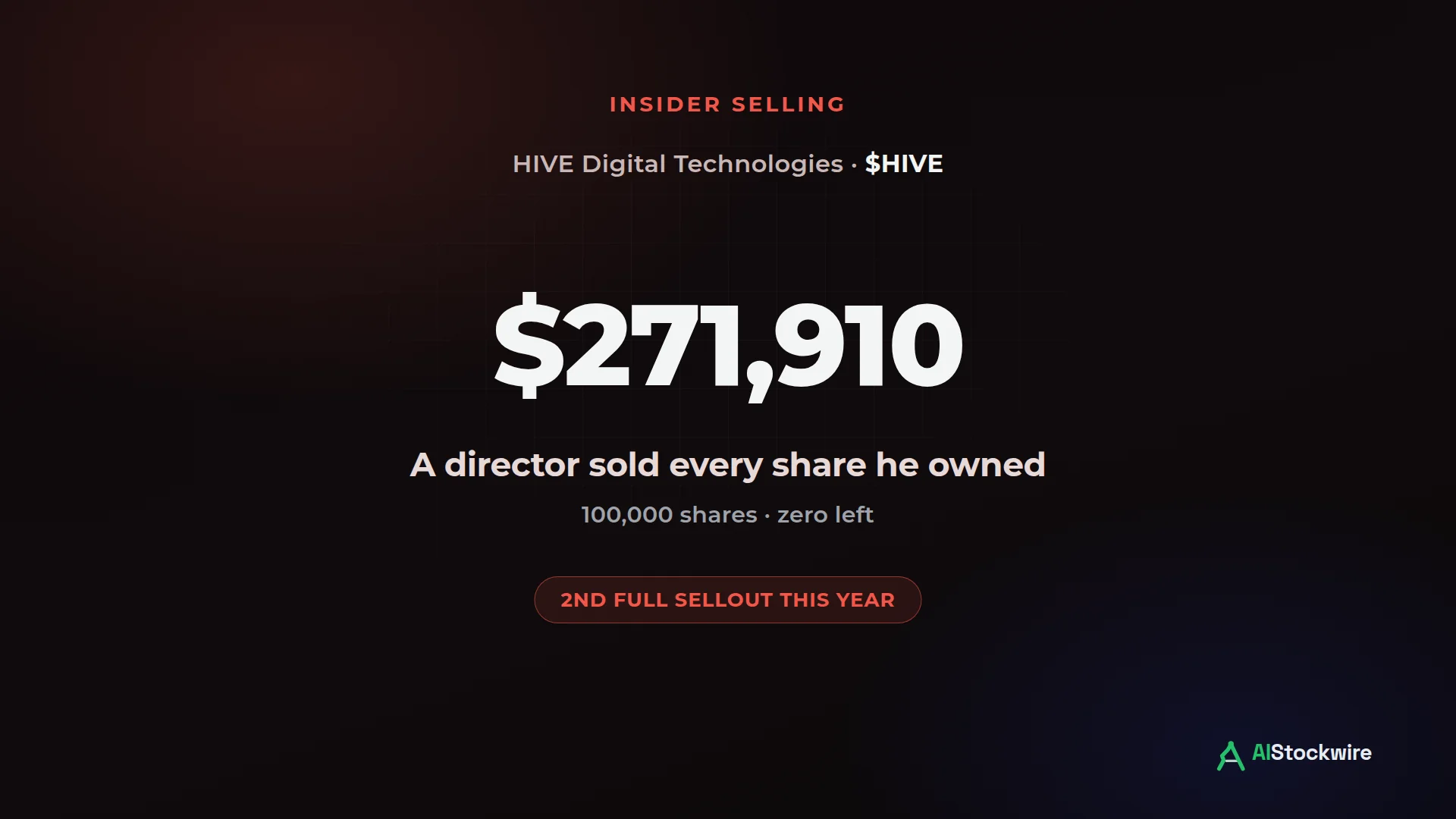
Keep it in proportion. Situational Awareness reported $13.68 billion in total positions in that same filing, so T1 is a small slice, not a marquee bet. It's the same pattern as his other small stakes, like HIVE Digital. If the fund still holds all 10 million shares today, that stake would be worth somewhere around $95 million at T1's current price, roughly double the quarter-end mark. But 13F filings are a snapshot, not a live feed; we won't know whether he's added, trimmed or exited until the next filing, due by mid-August.
How to think about it
This is a sympathy rally riding a policy story that hasn't been finalized. The inverter ban is still a proposed rule, reportedly targeted for release "as early as this year," not a signed law, and it's not clear yet exactly which companies and products would be covered. T1's own catalysts are real, but they're old news. The Kore Power deal, the Bernstein coverage, the Intertek grade, were all public before this week's jump. A two-day, sector-wide move on a still-unfinalized rule can unwind as fast as it built, the same way Enphase and Sunrun already gave back a chunk of Tuesday's premarket spike. This is not investment advice, and a story this fresh is worth rechecking before acting on it.
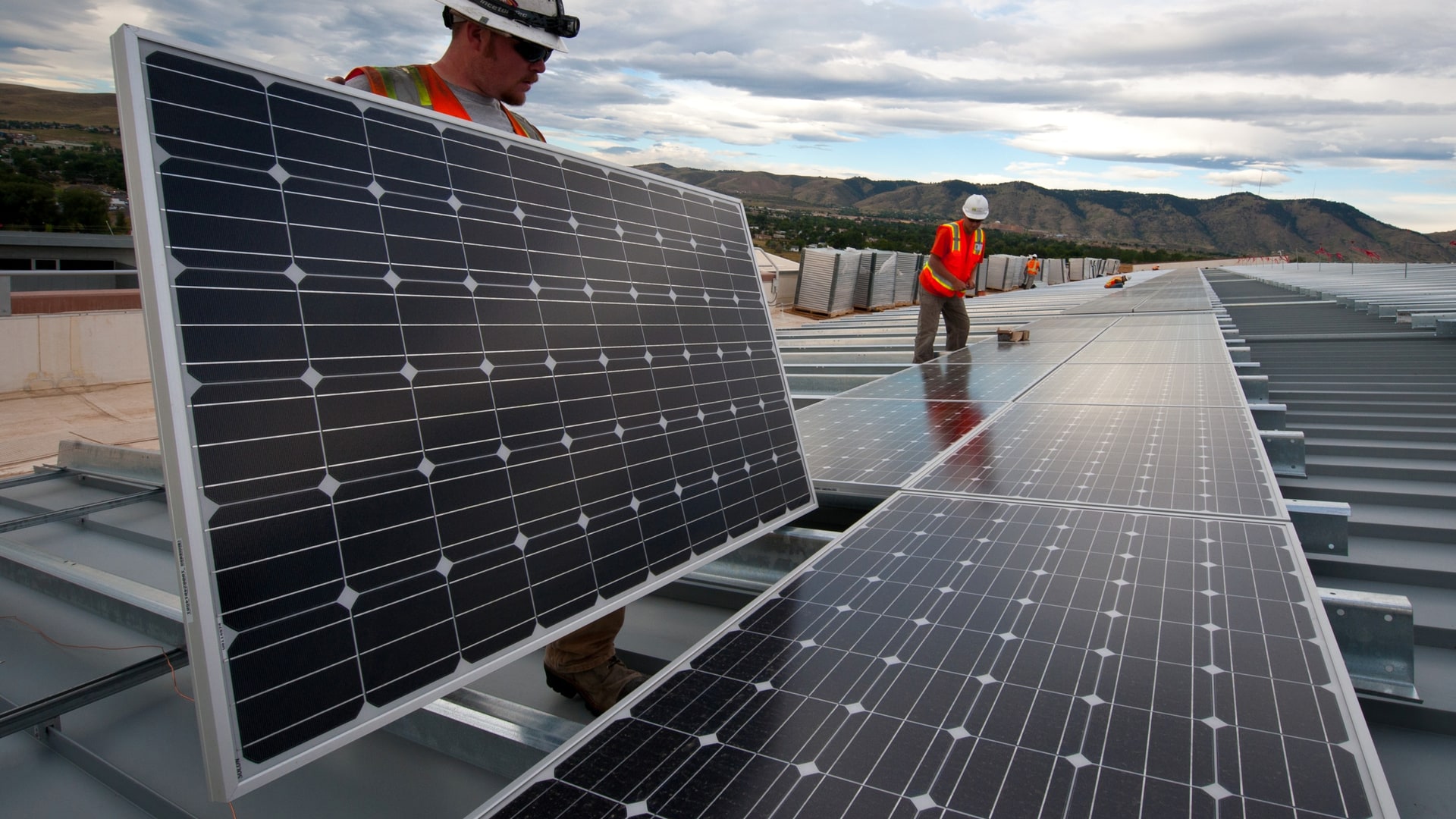
Photo: Dennis Schroeder / NREL, U.S. Department of Energy (public domain).