Key points
- Reuters says Moonshot AI has begun preliminary discussions about making Kimi K3 available through Microsoft Azure, Amazon Web Services and Google Cloud.
- Moonshot is seeking as much as 30% of the resulting service revenue. Such an agreement would be the first major revenue-sharing arrangement between a Chinese AI developer and a US cloud provider.
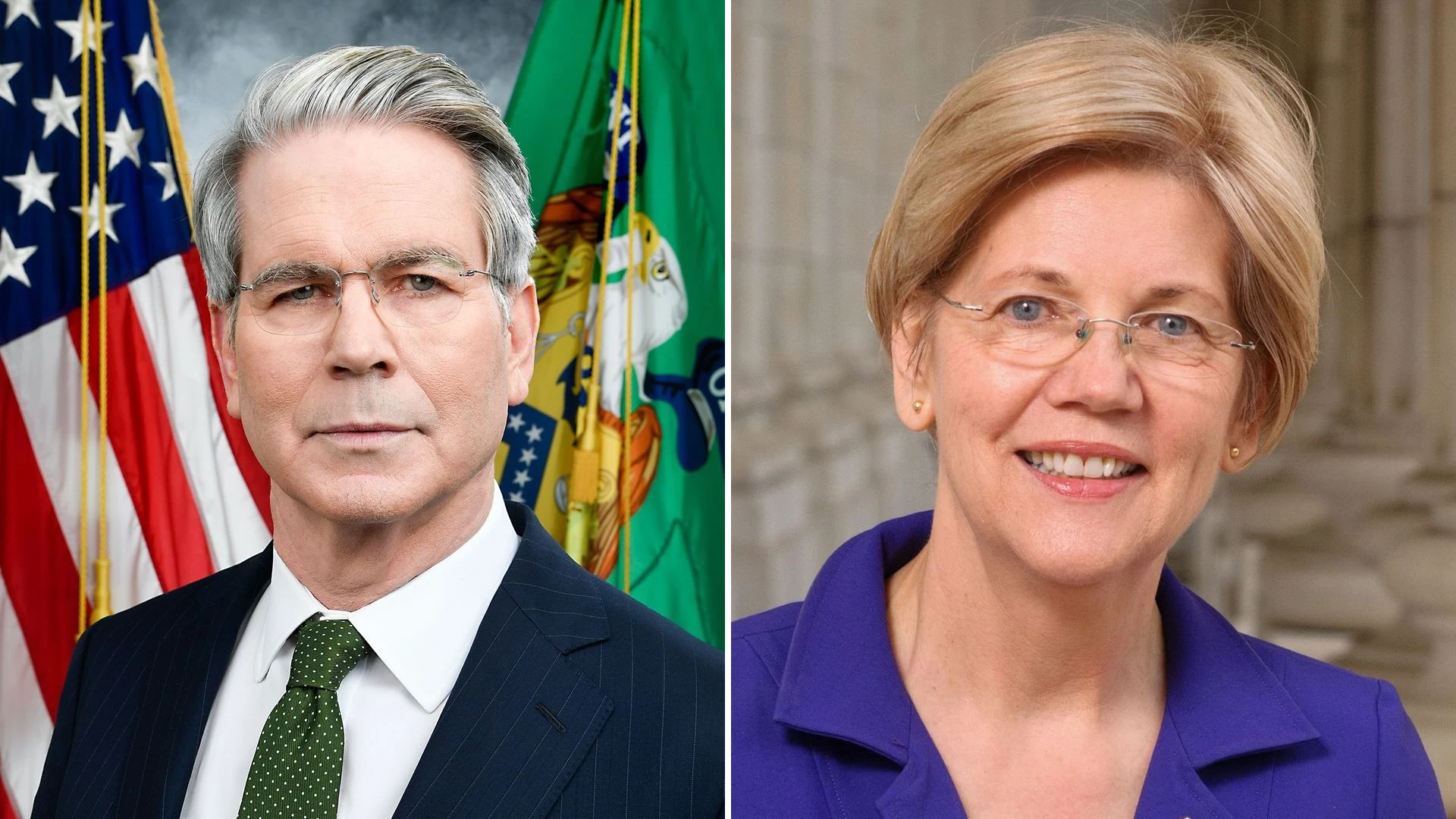
- The talks come as Treasury Secretary Scott Bessent has threatened to put Moonshot on a US trade blacklist.
Chinese startup Moonshot AI, which is behind the Kimi chatbot, is in talks with Microsoft, Amazon and Alphabet's Google to bring its newest model to their cloud platforms, Reuters reported Wednesday, citing people familiar with the matter.
Under Moonshot's proposal, the company would receive up to 30 percent of the revenue from services tied to Kimi K3 on Microsoft Azure, Amazon Web Services and Google Cloud. Reuters reported that a deal would mark the first major revenue-sharing pact between a Chinese AI business and a large US cloud provider.
The talks are at an early stage and may not lead to a deal, Reuters said. The open questions include how the revenue would be split, what data the cloud companies would be able to access, and how to audit token usage. Tokens are the units of text an AI model reads and writes, and counting them is how usage-based cloud billing works. Microsoft, Google and Amazon Web Services declined to comment, and Moonshot did not respond to Reuters.
What is Kimi K3?
Kimi K3 is Moonshot's newest large language model. The company released it as an open-weight model with 2.8 trillion parameters, meaning anyone can download and run it. Arena.ai ranked it first for building web interfaces. Artificial Analysis said its performance is comparable to OpenAI's GPT-5.5 and Anthropic's Claude Opus 4.8. Chinese models such as Kimi and DeepSeek have picked up US users in part because they cost less than Western ones. When Moonshot released K3 in July, analysts called it a second "DeepSeek moment" for chip stocks.
Why are the talks politically sensitive?
Washington is trying to limit China's access to advanced AI, and this deal would run the other way. Treasury Secretary Scott Bessent has threatened to add Moonshot to a US trade blacklist. US officials have accused the company of distilling Anthropic's Fable model and of obtaining Nvidia (NVDA) chips in violation of export rules. Alibaba (BABA), a Moonshot backer, gave the company 20,000 Nvidia chips, and the White House has said Moonshot trained on banned chips in Thailand. Moonshot has denied the distillation claim, saying it made original changes to its underlying architecture. Anthropic chief executive Dario Amodei has argued for cutting China off from US chips, with large-scale distillation as a second concern.
Is there a US stock that benefits?
Not directly. Moonshot is private and preparing for a possible Hong Kong listing after raising more than $2 billion in May. The US names in the story are the cloud providers themselves. Microsoft (MSFT) closed at $491.71 on Tuesday, Amazon (AMZN) at $261.06 and Alphabet (GOOGL) at $346.96. Hosting one outside model is a small line of revenue for companies that size. Microsoft, Google and Amazon have not said whether they will reach a deal, and Reuters said the discussions could still fall apart.
The Washington Post reported on October 11 that many US companies already use Kimi K3 as a cheaper alternative to US models. That is part of a wider US reliance on Chinese AI products and parts.