Oura (OURA) files for Nasdaq as growth slows and subscriptions surge
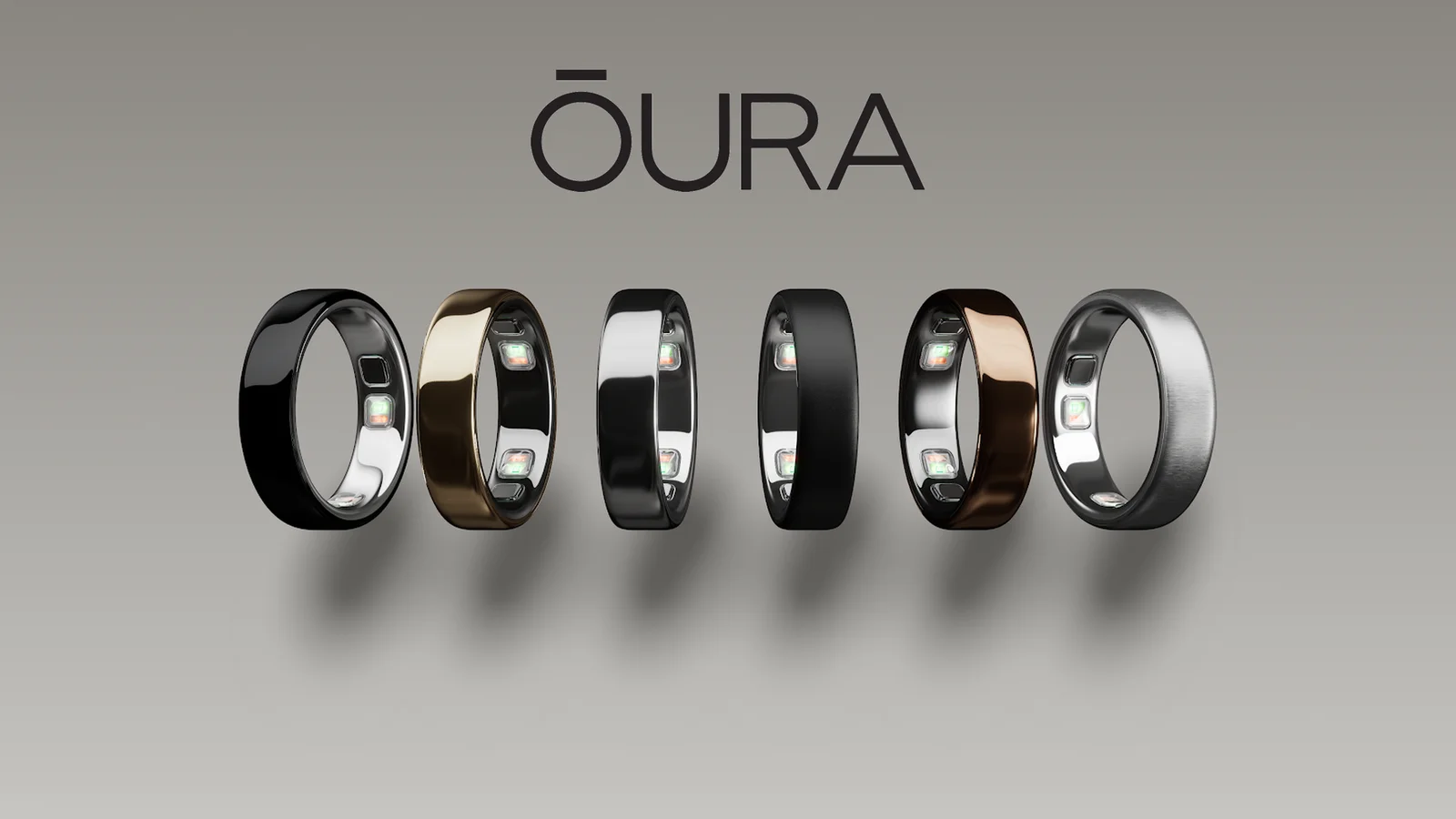
Oura Ring 5, launched June 4, 2026. Credit: Oura
Key points
- Oura filed its S-1 for a Nasdaq listing
- Revenue $1.21 billion for nine months, up 74%
- Paid-member retention at 85%, versus 87% a year earlier
- Membership gross margin runs 89%
Oura, the Finnish smart ring maker, filed its S-1 on Thursday and plans to list on Nasdaq under the symbol OURA. The filing gives investors their first detailed view of the business: revenue for the nine months ended June 30 rose 74%, from $697.6 million to $1.21 billion, while net income increased from $1.6 million to $60.8 million.
That is the figure leading most summaries of the filing. Two others in the document are more revealing.
Look at the trend instead of the single figure. Revenue climbed 123% in fiscal 2025, rising from $406.8 million to $907.9 million. Growth for the latest nine-month period was 74%. Both rates are impressive, but the comparison shows clear year-over-year deceleration. Oura has generated roughly $1.42 billion over the trailing twelve months, so the slowdown is occurring against a much larger revenue base. That is normal for a hardware company reaching scale. For an IPO investor, however, the future slope matters more than the historical peak.
Advertisement
The number that got left out
Retention deserves even closer attention. The filing reports weighted-average 12-month paid-member retention of approximately 85% as of June 30, 2026. The S-1 also supplies the earlier figures: "retention has increased across successive cohorts, rising from approximately 81% in fiscal 2023 to approximately 85% in fiscal 2024 to 87% during the nine months ended June 30, 2025."
The current 85% figure is below the 87% reported for the prior-year period. These are not identically labeled measurements: one is reported at a point in time, while the other covers a nine-month period. That makes the comparison worth treating cautiously. A two-point difference is hardly a crisis, particularly when the longer-term movement remains positive. Still, the latest number looks less impressive once the earlier 87% is included.
The profitability figures tell a related story. Adjusted EBITDA increased 28%, from $83.5 million to $106.7 million, while revenue grew 74%. The jump in net income, from $1.6 million to $60.8 million, is genuine, but the comparison begins from an unusually small base. Oura earned just $12 thousand across the whole of fiscal 2025.
The subscription business is the good part
Membership revenue was $240.5 million for the nine months, up 121% from $108.8 million, and the filing puts membership gross margin at 89%. A subscription costs $5.99 a month or $69.99 a year in the US, and about 63% of new members start on the annual plan. Paid members doubled to 5.0 million across 56 markets.
That's a very good business sitting inside a hardware company. It's also only 20% of revenue. Hardware did $974.0 million of the $1.21 billion at an average of $311 per ring, and 49% of hardware revenue now moves through retail partners including Amazon, Best Buy, Costco and Target. Any framing of Oura as a software business rests on that 20%.
The risk factors carry one disclosure worth reading in full. Oura writes that "certain cohorts of Oura Ring 4 have exhibited battery performance issues, which has resulted in increased warranty claims and warranty-related costs as we have replaced affected Oura Rings free of charge under our warranty and, in some cases, outside of the warranty period." The company says gross margins in both nine-month periods took a hit from elevated warranty reserves tied to those rings. Ring 5 launched June 4 at $399 to $499, and management is monitoring the new generation closely.
Advertisement
What the filing leaves open
The company also recorded $741.8 million in financing cash outflow, but that did not come primarily from operations. The filing attributes the change largely to an $873.6 million increase in repurchases of common and preferred shares, partially offset by lower debt repayments. In practical terms, much of the outflow reflects liquidity provided to existing holders before the IPO rather than operating cash burn. The offering will include another secondary component: "We will not receive any of the proceeds from the sale of the shares being sold by the selling stockholders."
Oura has not yet supplied a price range or share count, leaving the proposed valuation unresolved. Bloomberg reported in August that Oura was targeting more than $16 billion, well above the $11 billion valuation set by last October's Series E. The eventual opening price may tell a different story from the offer price, as ChangXin Memory showed by closing 466% higher on its first trading day. Goldman Sachs is leading the offering, joined by Morgan Stanley, J.P. Morgan, Allen & Company, Jefferies and numerous other banks.
The membership line is the strongest part of the filing, and the growth and margins behind it are both excellent. At 20% of revenue it does not set the multiple yet, and the company going public is a hardware maker with a very good subscription attached. The retention series is the figure to watch in the next disclosure. Oura joins the rest of the IPO pipeline we've been following.
Advertisement