Key points
- CXL-connected memory unlikely to replace HBM
- Samsung and SK Hynix keep building CXL modules
- The doubt protects their HBM lead
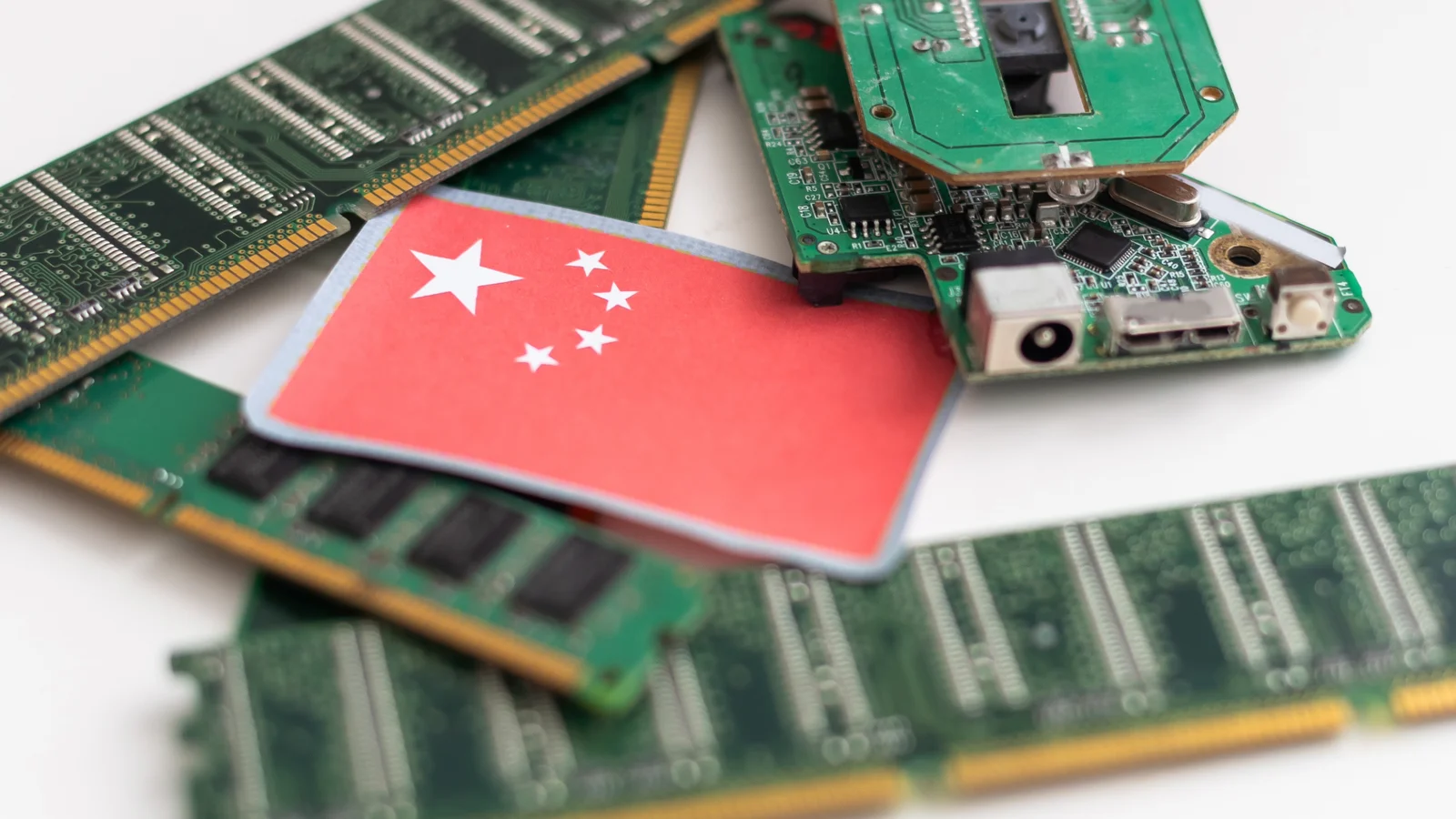
At a technology conference in Santa Clara on September 16, an OpenAI researcher and an Intel executive argued that CXL-connected memory is unlikely to replace HBM in AI systems. Their remarks matter to Samsung and SK Hynix, which lead the market for HBM.
HBM, or high bandwidth memory, sits right next to an AI chip and moves data very fast, which is why HBM anchors many AI systems. CXL, short for Compute Express Link, is a connection standard that lets a server reach extra memory, a way to add or pool capacity at lower cost. The trade-off is speed. Data reaching a chip through CXL is slower than HBM.
Daniel Morris, a researcher who works on AI chip design at OpenAI, said he couldn't find a real use for CXL in actually running AI models, JoongAng Economy News (중앙이코노미뉴스) reported. At most, he said, memory reached through CXL could hold data that a large model rarely touches. An Intel executive who leads the company's chip architecture work made a similar point, saying CXL adds capacity but doesn't match HBM's speed, and works better as a backup layer than as a replacement.
Why this helps Samsung and SK Hynix
If CXL can't take HBM's place, then the memory AI companies must keep buying is the one Samsung and SK Hynix already dominate. In the second quarter SK Hynix held about 50 percent of the HBM market and Samsung about 33 percent. HBM is also in short supply, and buyers left out of long-term deals have paid up to five times the contract price.
So a view that CXL-connected memory stays an add-on rather than a substitute leaves the Korean pair where they already are, on top. Korean coverage drew the same conclusion, that Samsung and SK Hynix should keep their lead in AI memory for now.
Building CXL anyway
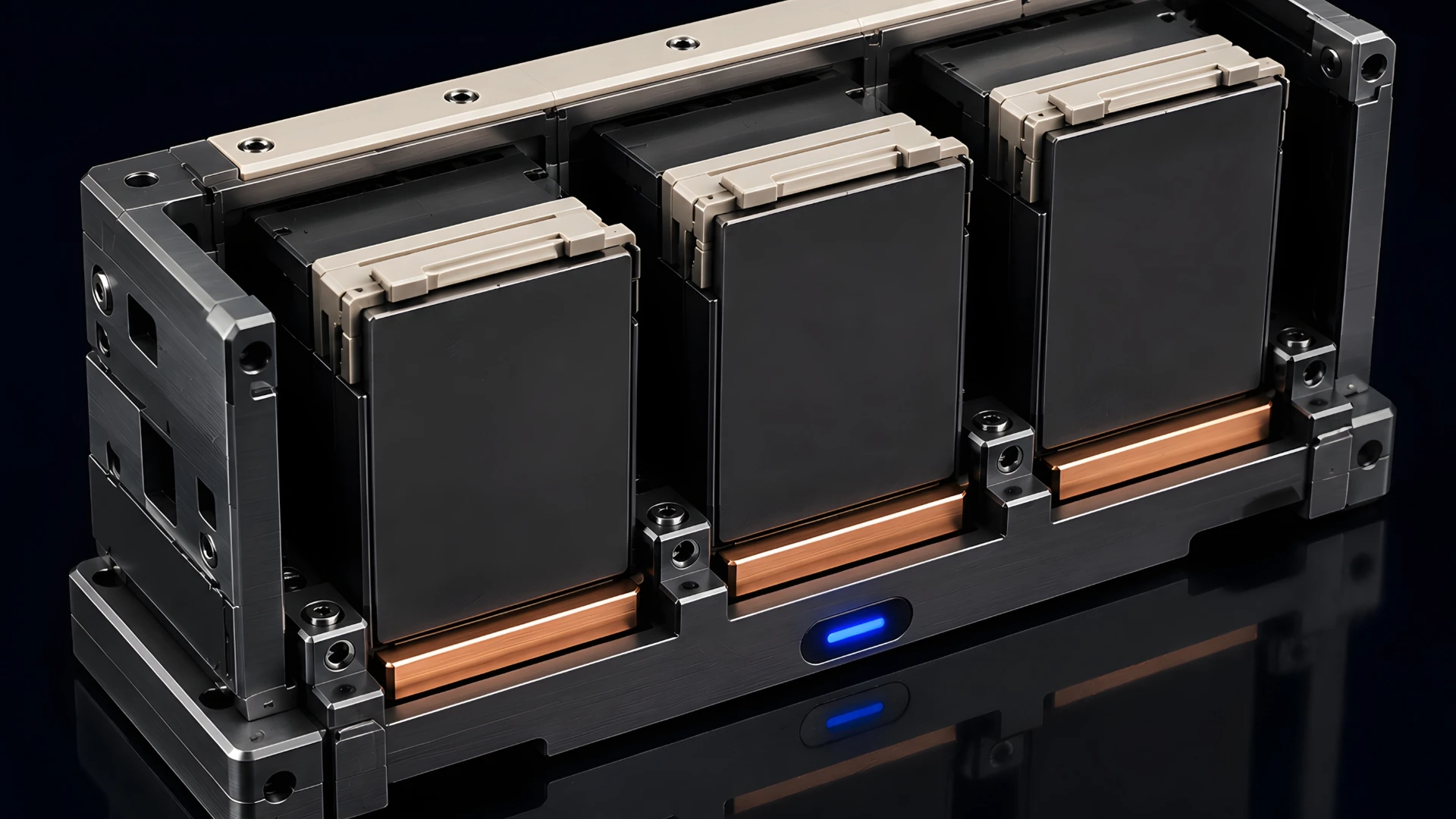
Even so, both companies are building CXL memory modules as fast as they can. Samsung plans to start mass production of its CMM-D 3.0 module, based on the newest CXL 3.2 standard, by the end of this year, Seoul Economic Daily (서울경제) reported, and Samsung calls that an industry first. SK Hynix showed a sample of its second CXL 3.2 module, called CMM-DDR5, last month and has started talking to customers, though the company hasn't set a mass production date.
SK Hynix isn't treating CXL as a rival to HBM. In June the company added a new layer to the memory stack, placing CXL-connected memory between standard DRAM and storage, and said the change improved the efficiency of AI inference, the stage where a trained model produces answers, by 35.7 percent. In that setup the CXL layer feeds data to the faster memory rather than replacing it.
Meanwhile, Samsung and SK Hynix make both HBM and CXL memory modules. CXL-connected memory grows as a cheaper extra layer, HBM stays the fast layer at the center of AI systems, and the two makers supply each one.
The OpenAI and Intel remarks were made in English and are paraphrased here. Other statements are translated or summarized from Korean-language reporting.