Key points
- Tesla halved the memory on its AI5 chip
- Musk says it was the only way to get enough volume
- He expects little effect on Optimus performance
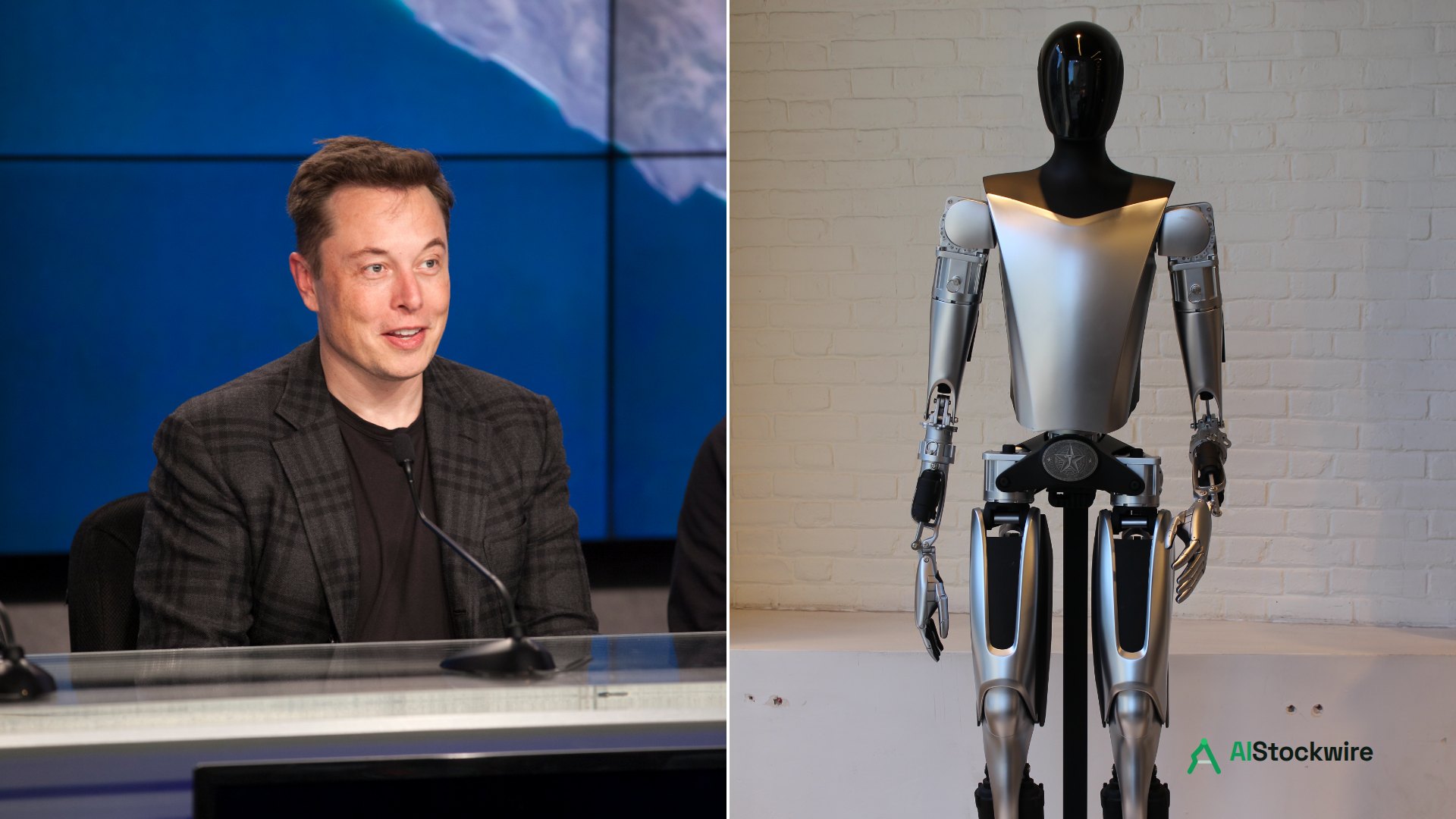
Tesla (TSLA) has reduced the planned memory capacity of its next two AI chips to secure enough supply for Optimus production, Elon Musk said Thursday. The AI5 chip is now planned with 72GB of LPDDR5 memory, half the earlier plan, and the AI6 chip is planned with 144GB of LPDDR6.
"This was the only way to get enough volume for Optimus production and greatly reduces cost," Musk wrote on X on Thursday afternoon. He said Tesla cut AI6's memory by a third.
LPDDR is low-power DRAM, the kind of memory used in phones and laptops. Tesla uses it in place of the high-bandwidth memory found in data center chips.
Will the smaller memory hurt Optimus?
Musk expects little impact. "As it turns out, we think this will have a negligible effect on Optimus performance, as memory bandwidth is a bigger limiting factor than total memory storage," he wrote. Tesla kept bandwidth, the speed at which data moves between the chip and its memory, the same.
Musk said on a podcast in September 2025 that AI5 would have nine times the memory of AI4, the chip in current Teslas. With AI4 at 16GB, the Tesla news site Not a Tesla App worked that out to 144GB, which is double the new 72GB figure.
Why is memory hard to get?
Musk was replying to a hypothetical calculation posted by the X account DirtyTesLa. At 200GB per robot, 10 billion humanoid robots would require 2 trillion GB of memory. The account compared that with estimated annual global DRAM production of 45 billion GB.
Memory makers say supply is getting tighter. Micron (MU) Chief Executive Sanjay Mehrotra said on Wednesday that the company expects supply and demand to be "much tighter in fiscal 2027 and 2028 than they were in 2026." Micron's next new fab in Idaho isn't expected to produce output until mid-2027.
Acer Chief Executive Jason Chen offered a different view last month. He said tight supply is limited to high-end memory, including LPDDR5X, and accused the big memory makers of overstating the shortage.
How fast is Tesla building Optimus?
Memory is only one constraint on production. Tesla raised Optimus output to several hundred robots a week in August, with managers targeting more than 1,000 a week by year-end, The Information reported last month. Hand assembly and supplier quality remain obstacles, according to the report.
Musk didn't identify the memory suppliers for AI5 or AI6 or give a shipping date for the revised chips. That leaves unclear when the memory cuts could help Tesla increase production.
Tesla shares ended Thursday's regular session little changed, minutes after Musk's post. Micron rose about 3%.