Key points
- Needham keeps its Hold on Apple
- The worry is AI agents like Meta's
- BofA sees the risk but keeps its Buy
Needham analyst Laura Martin kept a Hold rating on Apple (AAPL) on Thursday, warning that a rival's AI agent, paired with its own devices, could take over the iPhone's role as the main way people find services and make purchases.
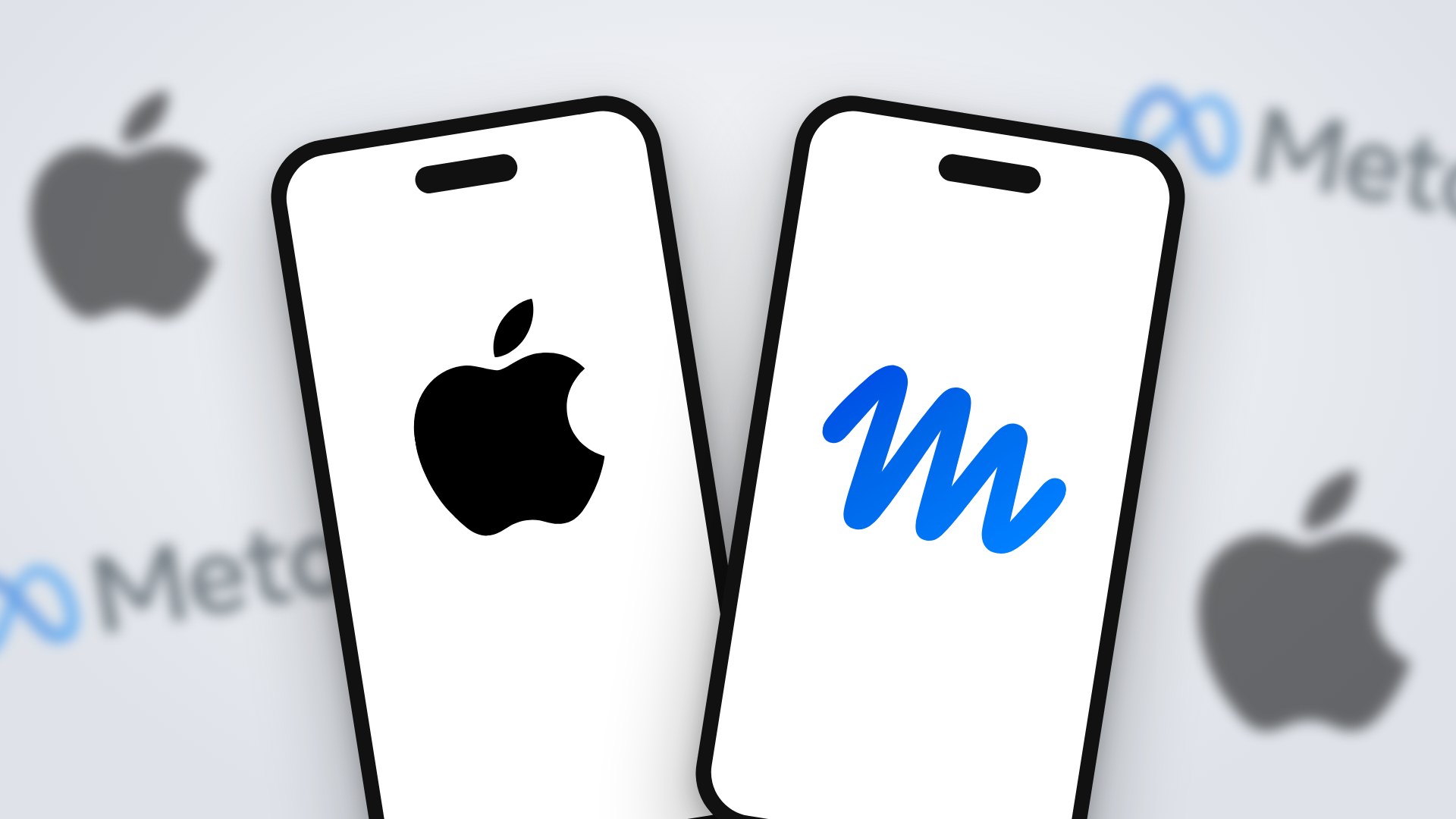
Martin called that the biggest investment risk for Apple shareholders. In her scenario, Meta or another AI-first competitor builds an AI agent, the hardware to run it, and a way to make money from it. That would cut the iPhone out of the middle and undermine Apple's ecosystem.
Her note came two days after Bank of America analyst Wamsi Mohan flagged the same threat from Meta Platforms' (META) Muse agent, while keeping a Buy rating. Apple shares were down 0.8% at $330.48 near Thursday's close, and Meta was up 0.1% at $726.09.
Why does Needham see Meta as the threat?
Martin traces it back to 2021, when Apple launched App Tracking Transparency, a privacy feature that Meta has said cost it $10 billion in ad revenue over the following 12 months. Since then, she wrote, Meta's "primary goal has been to replace Apple's consumer platform with its own."
Martin said Meta is developing products that directly attack Apple's core business. Needham projects Meta's revenue at $263 billion in 2026, about half of Apple's, and believes Meta wants to close that gap.
The product at the center of both notes is Muse, the personal AI agent Meta launched in September. It can browse the web, fill out forms, book trips, and make purchases for its users. It's also been one of the fastest-growing apps in the US.
What did Bank of America say?
Mohan kept his Buy rating and $370 price target on Apple in a September 29 note.
"The risk for Apple is that it can keep every handset sale and still lose discovery, referral, and transaction initiation," Mohan wrote. He said Siri doesn't have persistent background tasks, broad support for actions in third-party apps, or dedicated payment infrastructure for agents.
"Whomever the agent chooses becomes the merchant, and whoever owns the agent collects the routing economics that previously accrued to operating systems, search, and app stores," he wrote.