Oracle (ORCL)-linked data-center loans fall to 89 cents as banks struggle to sell the debt

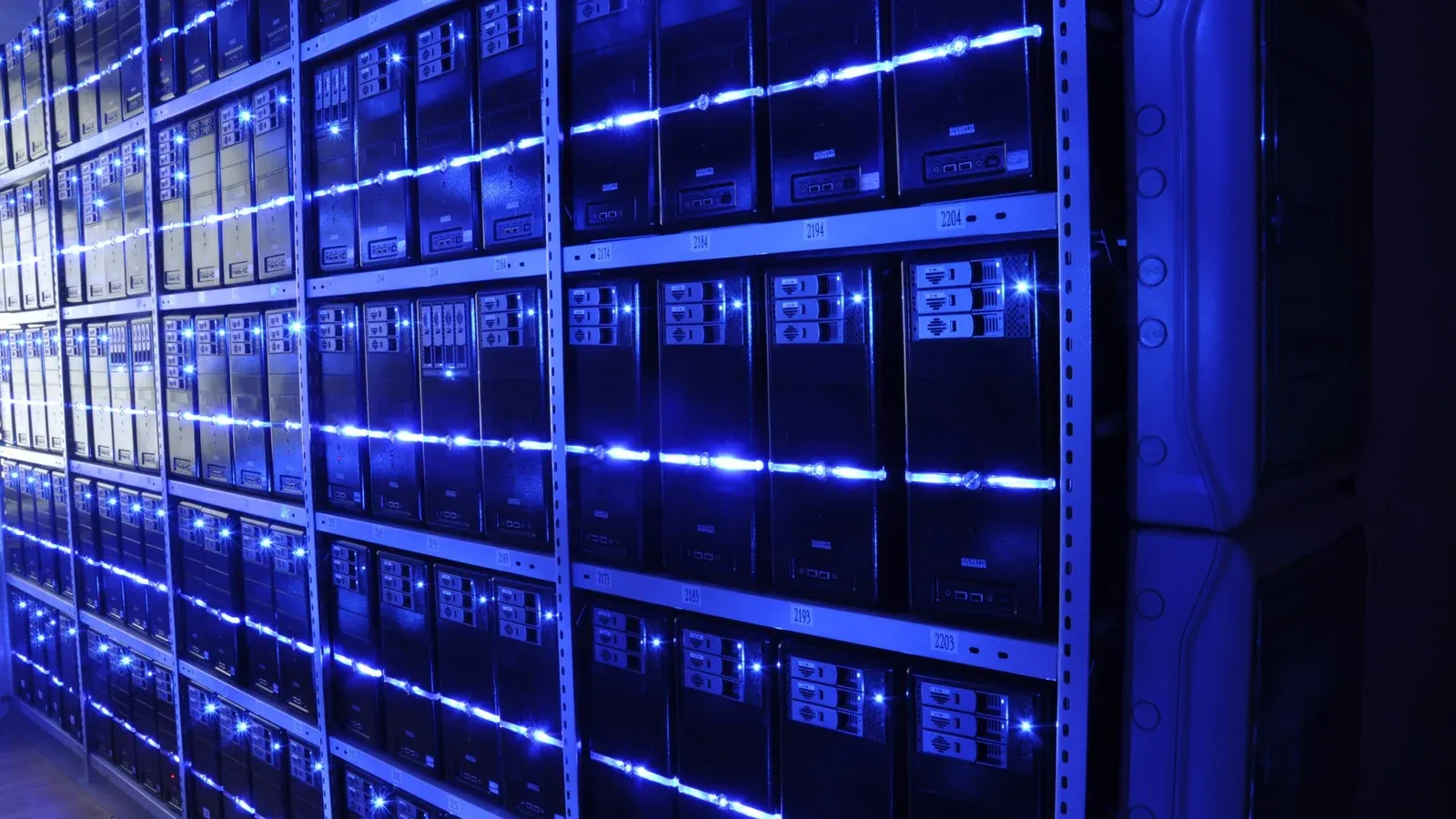
Rows of servers in a data center hall

A data center server hall. Photo: BalticServers.com / Wikimedia Commons, CC BY-SA 3.0.

Key points

  • Oracle (ORCL) data-center loans are quoted below par
  • Banks are struggling to sell the debt
  • An early sign investors want a discount on AI debt
  • The loans fund an OpenAI-linked campus

About $18 billion of loans that finance an Oracle (ORCL) data center in New Mexico are being quoted below face value. Banks quoted the loans at 89 to 91 cents on the dollar, the Financial Times reported on Friday. It is an early sign that investors are demanding a discount to hold AI-infrastructure debt.

The banks arranging the loans, among them Santander and Jefferies, have struggled to sell the debt on to other investors. That sale has stalled over concerns about Oracle's rising borrowing and its creditworthiness, the paper said.

What the debt is for

The loans fund a 1,400-acre data center campus in Dona Ana County, New Mexico, that Oracle has agreed to lease. The site, known as Project Jupiter, is part of Oracle's agreement to supply computing power to OpenAI under Stargate. Stargate is a $500 billion infrastructure plan led by OpenAI, SoftBank and Oracle. Local opposition to the campus, over its effect on water supply and air quality, has added to the doubts, the Financial Times said.

Why the discount matters

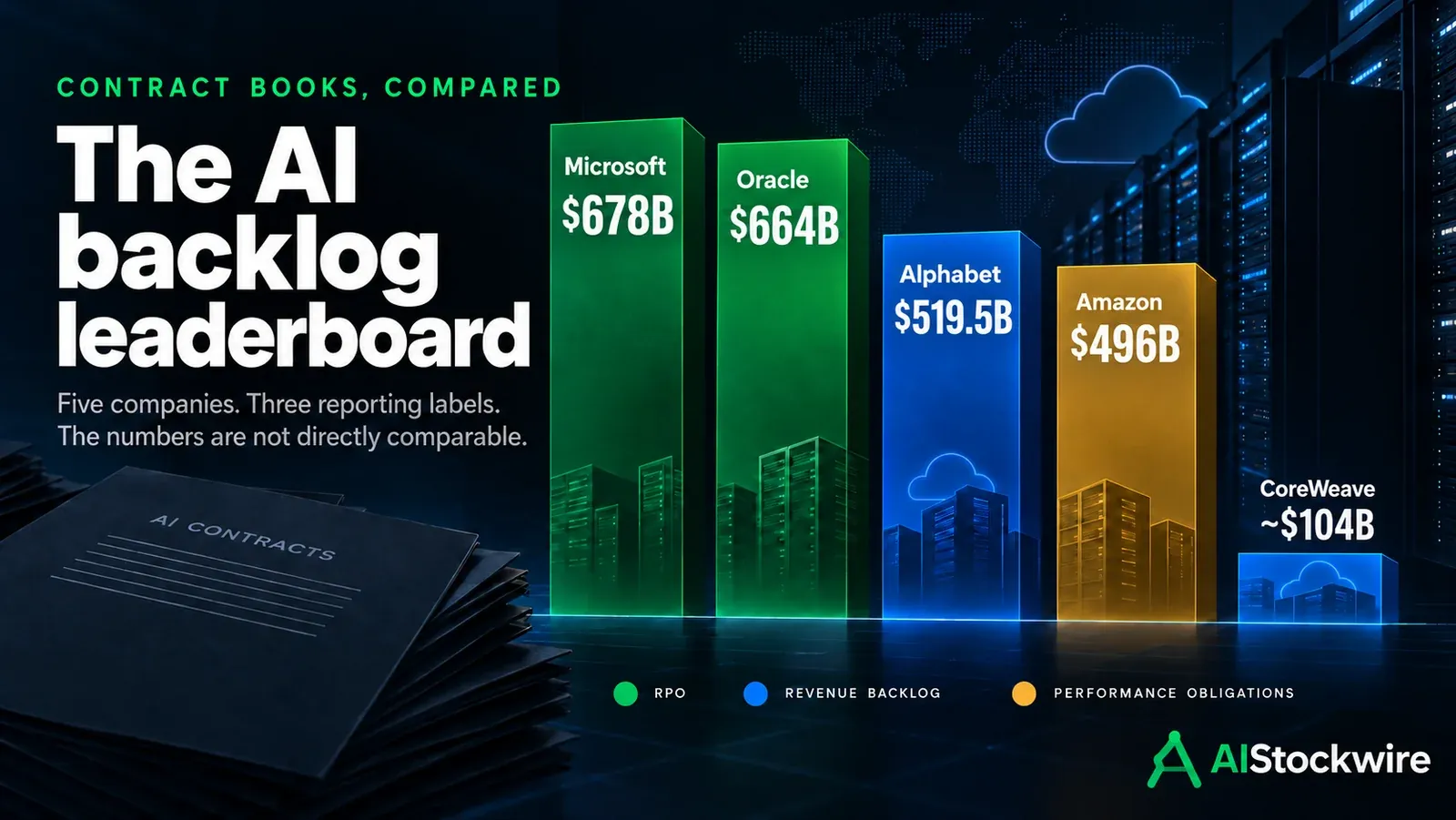
Oracle is borrowing heavily to build capacity it has already sold. In its most recent quarter the company reported a $664 billion order backlog and negative free cash flow, a mismatch between its contracted future revenue and the capital required to build the capacity. That backlog, across the AI buildout, sits on our backlog tracker, and whether the spending has outrun the returns is the question behind our AI bubble index.

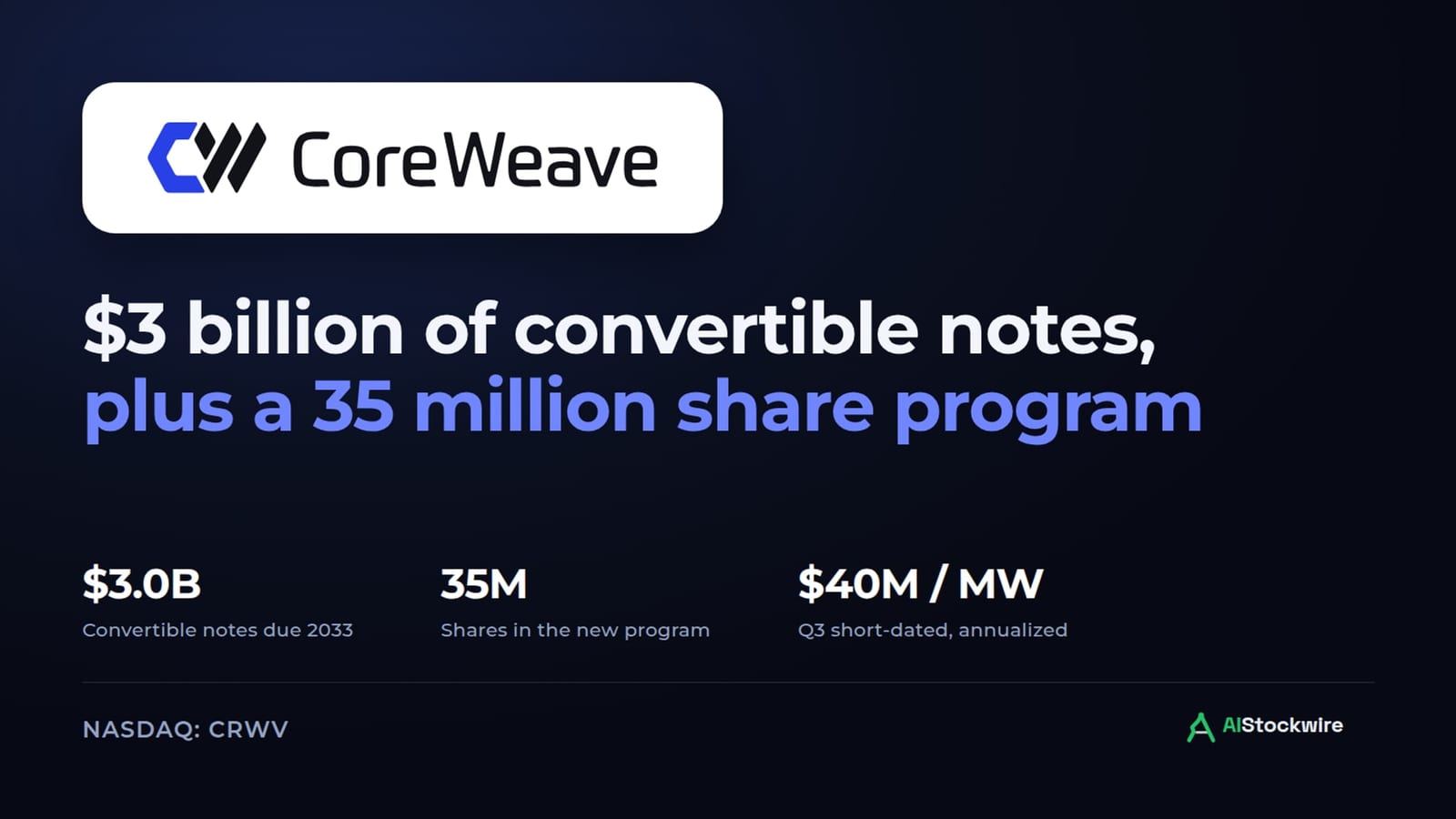
The strain is not Oracle's alone. Neoclouds such as CoreWeave (CRWV) are funding their own buildouts with convertible notes and other borrowing. What is new here is that banks are quoting a major AI-infrastructure loan package at a discount.

Oracle shares fell about 2% on Friday, closing near $147.60, the day the report appeared.
Cover: a data center server hall, by BalticServers.com via Wikimedia Commons, CC BY-SA 3.0. Illustration only; not the Project Jupiter site.

Frequently asked questions

What is happening with Oracle's data center debt?

About $18 billion of loans financing an Oracle (ORCL) data center in New Mexico are quoted at 89 to 91 cents on the dollar, below their face value, the Financial Times reported on September 18, 2026. Banks including Santander and Jefferies have struggled to sell the debt to investors amid concerns about Oracle's rising borrowing.

Why are the Oracle loans trading below par?

The banks arranging the loans have been unable to syndicate them to a broader pool of investors. The Financial Times cited concerns over Oracle's rising debt load and weakening creditworthiness, along with local opposition to the New Mexico data center over water supply and air quality.

What are Project Jupiter and Stargate?

Project Jupiter is a 1,400-acre data center campus in Dona Ana County, New Mexico, that Oracle has agreed to lease. It is part of Stargate, a $500 billion plan led by OpenAI, SoftBank and Oracle to build AI computing capacity, under which Oracle supplies compute to OpenAI.

Is this a sign of an AI debt bubble?

These loans are among the first AI-infrastructure debt to be quoted below face value, an early sign that investors are demanding a discount to hold it. Oracle reported a $664 billion order backlog and negative free cash flow in its latest quarter, meaning it is borrowing to build capacity it has already sold. Whether that spending has outrun the returns is an open question. This is general information, not investment advice.

More on ORCL and CRWV

Dennis Singleton
Dennis Singleton

Dennis Singleton has spent years following the markets, but what keeps his attention is how AI is built. He writes about the companies behind the technology, from semiconductor designers and advanced packaging to photonics, memory, networking, and the hardware powering modern AI. His approach starts with filings, earnings, and industry research, then translates the important details into clear, straightforward analysis without unnecessary hype.