IREN (IREN) rises on a report that Anthropic signed a multiyear cloud deal it never announced
IREN signed an unnamed frontier AI lab in August. Anthropic may be a customer.
SemiAnalysis says users call IREN's (IREN) Prince George and Mackenzie data centers the industry's worst
SemiAnalysis praised IREN's Texas builds but disputed its managed-services claim. Nvidia's $70 exercise price sits far above the stock.
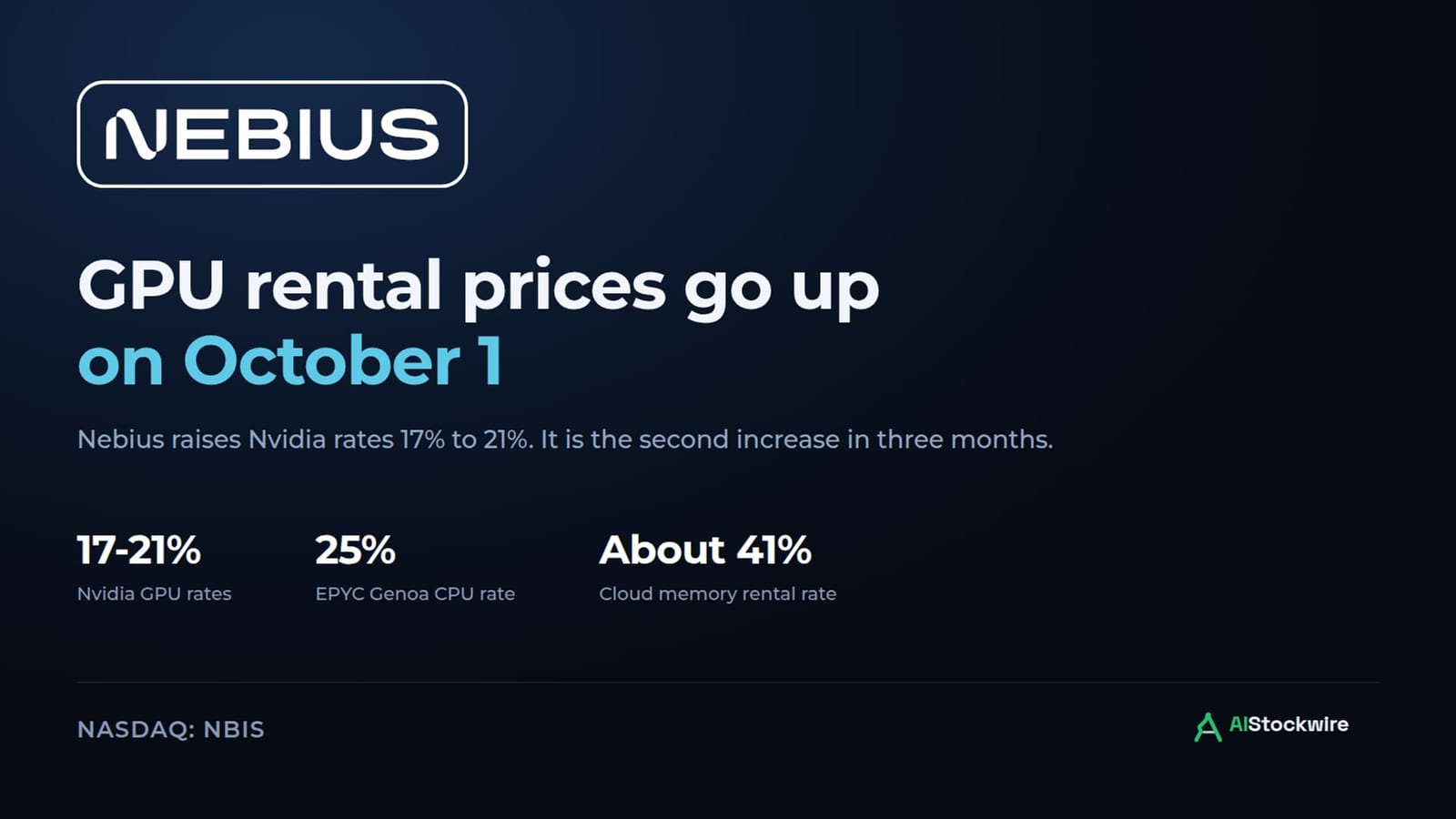
Nebius (NBIS) is raising GPU rental prices up to 21% on October 1. CoreWeave (CRWV) told bond buyers it is charging more too.
Nebius will raise pay-as-you-go rates for renting selected Nvidia chips from October 1, its second increase in three months, with GPUs up 17% to 21% and memory up about 41%. CoreWeave told convertible-note buyers the same morning that it is signing capacity at higher prices too.

Nvidia (NVDA) CEO Jensen Huang calls new antitrust laws for an AI slowdown "completely unnecessary"
Jensen Huang told Jim Cramer that new antitrust laws for an AI slowdown are "completely unnecessary." Altman, Musk, and Nadella endorsed pacing. Huang's disagreement is narrower: he says each company should decide for itself when a product is not ready.
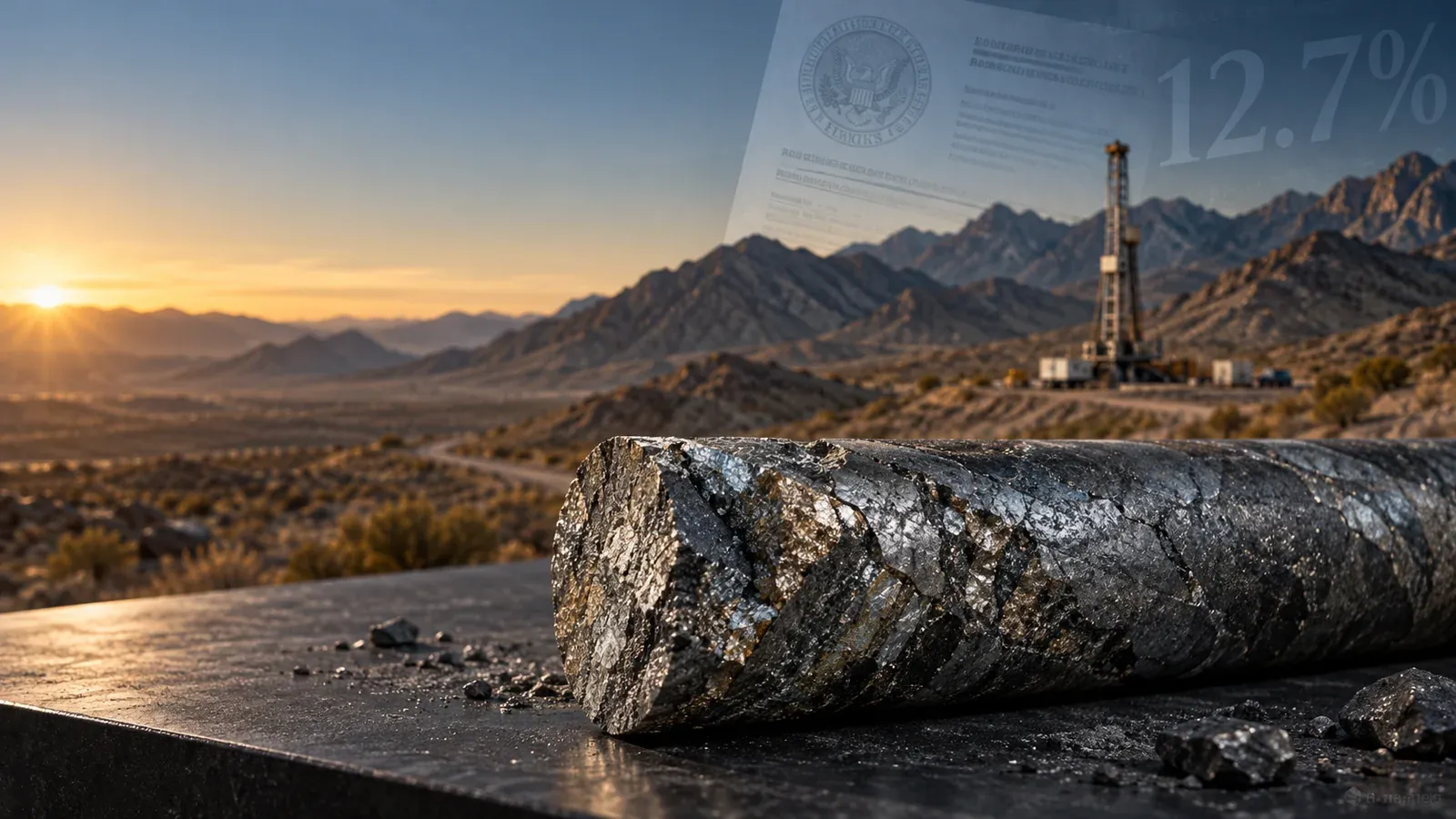
Stanley Druckenmiller held 12.7% of Nevada tungsten developer Guardian Metal (GMTL) as of March 31
The filing is new to EDGAR, the stake is not. Duquesne bought 24,699,825 shares of the Nevada tungsten developer at 55p in August 2025, and the Schedule 13G filed Monday reports the same count still held as of March 31.
JPMorgan double-upgrades IREN Ltd (IREN) as AI slowdown rattles peers
JPMorgan moved IREN two notches to overweight and lifted its target to $65 from $46, hours after co-CEO Daniel Roberts posted a long rebuttal to the calls for an AI slowdown. Every comparable name we checked fell on Monday. IREN did not.
Dell (DELL) raises its full-year outlook by $25 billion as AI server backlog nearly doubles to $95 billion
Dell booked a record $60.9 billion of AI server orders in the quarter ended July 31 and exited with a $95 billion AI backlog, up from $51.3 billion in May. Revenue rose 58% to $47.0 billion, fiscal 2027 guidance moved to $192 billion, and free cash flow fell 47% as inventory doubled.
Nvidia (NVDA) owns $90.7 billion of other companies. Its public stock portfolio has lost $16.4 billion since June 30.
Nvidia's latest 10-Q carries $42.8 billion of marketable equity securities and $47.9 billion of funded private stakes, with $25 billion more committed but not yet paid in. Its June 30 13F positions have given back about $16.4 billion since, and a $105 billion guarantee on an OpenAI data center sits off the balance sheet entirely.
IREN signed a frontier AI lab and is paying 9% to finance the GPUs. Microsoft deployment debt costs 6%.
IREN (IREN) reported fiscal 2026 results and a new multi-year contract with an unnamed leading frontier AI lab. The same release prices its GPU debt by customer: 9.0% on $2.4 billion for non investment grade deployments, 6.0% on the $3.6 billion behind Microsoft.

Countries are buying AI compute like oil reserves. Nvidia says it's already a $30 billion business.
Governments are buying AI compute as national infrastructure, and specialized neoclouds are renting out GPUs at scale, but the two overlap more than the headline numbers suggest. What it means for Nvidia, Oracle, CoreWeave, Nebius and IREN.
Keel Infrastructure (KEEL) COO bought stock twice this week, and paid 14% less the second time
On Aug. 20, Keel Infrastructure's (KEEL) chief operating officer filed a second Form 4 in three days, buying more stock at $3.25, about 14% below what he paid on Aug. 17.
KEEL's CEO and COO just bought $296,000 of stock after an ugly quarter
Keel Infrastructure CEO Ben Gagnon and COO Liam Wilson bought about $296,000 of KEEL stock in the days after the company reported a 50% revenue drop. Neither purchase ran on a 10b5-1 plan.
Druckenmiller bought $4 million of IREN. Bridgewater sold 96% of its stake the same quarter
Druckenmiller's Duquesne opened a small first-time IREN stake last quarter. We pulled every fund we track: who sold IREN, who kept it, plus the $788 million co-CEO grant and a share count that has grown 6.5x since 2022.

The AI trade rotates to a new sector every week. Which one is it going to be this week?
The AI trade has rotated by sector almost every week: software, then photonics, then memory. So which corner of AI runs next? I make the case for the one group that keeps riding along without ever leading.

Hedge Fund Citadel already held every stock in Leopold Aschenbrenner's book before buying it
Citadel's own quarterly filing, out Friday, already listed every stock in Leopold Aschenbrenner's book, about a month before it bought the book. The catch is what those holdings actually mean.

Nebius (NBIS) soars 27% as explosive AI demand burns Michael Burry's short
Nebius grew Q2 revenue 454% to $582 million, swung to a profit, and jumped about 27% as CEO Arkady Volozh said AI demand keeps growing exponentially. The whole data center trade rallied, and Michael Burry's fresh short went underwater.

CoreWeave (CRWV) crushed earnings and Cramer's IREN call aged well. Then Nebius (NBIS) crushed it too.
CoreWeave crushed its quarter and jumped about 15% after hours, five days after Jim Cramer told a caller to buy CRWV over IREN and called it cheaper and better. The backlog hit $104 billion. Nebius (NBIS) reports Wednesday morning, and it's the next test for the whole neocloud trade.
Riot Platforms (RIOT) postponed its earnings call. Six days later it announced a $9.1 billion AI lease
Riot pulled its August 5 call with no reason and no date, and the stock got punished for it. The rescheduled call landed a 20-year, 191 MW Rockdale lease with an unnamed frontier AI lab worth $9.1 billion, on interconnection Texas already approved before it froze the queue.
Meta backed Texas's data center audit. Its $10 billion El Paso project sits outside the grid Abbott froze.
Governor Abbott's office said Meta will comply with the state's data center standards. Meta's largest Texas campus is not on the ERCOT grid, and the Texas Tribune reported the same day that its Fort Worth and El Paso abatements ran through Delaware shell companies. CleanSpark, whose entire 885 MW Texas portfolio is inside ERCOT, backed the audit on its own.

Texas froze new data center grid connections pending an audit of 474 gigawatts in requests. Bernstein says Cipher (CIFR) and CleanSpark (CLSK) are the most exposed.
Governor Greg Abbott ordered the PUCT and ERCOT to audit every data center seeking a grid connection, and new approvals are frozen until it is done. Bernstein says already-approved megawatts just got more valuable, and named Cipher (CIFR), CleanSpark (CLSK) and Core Scientific (CORZ) as the most exposed.
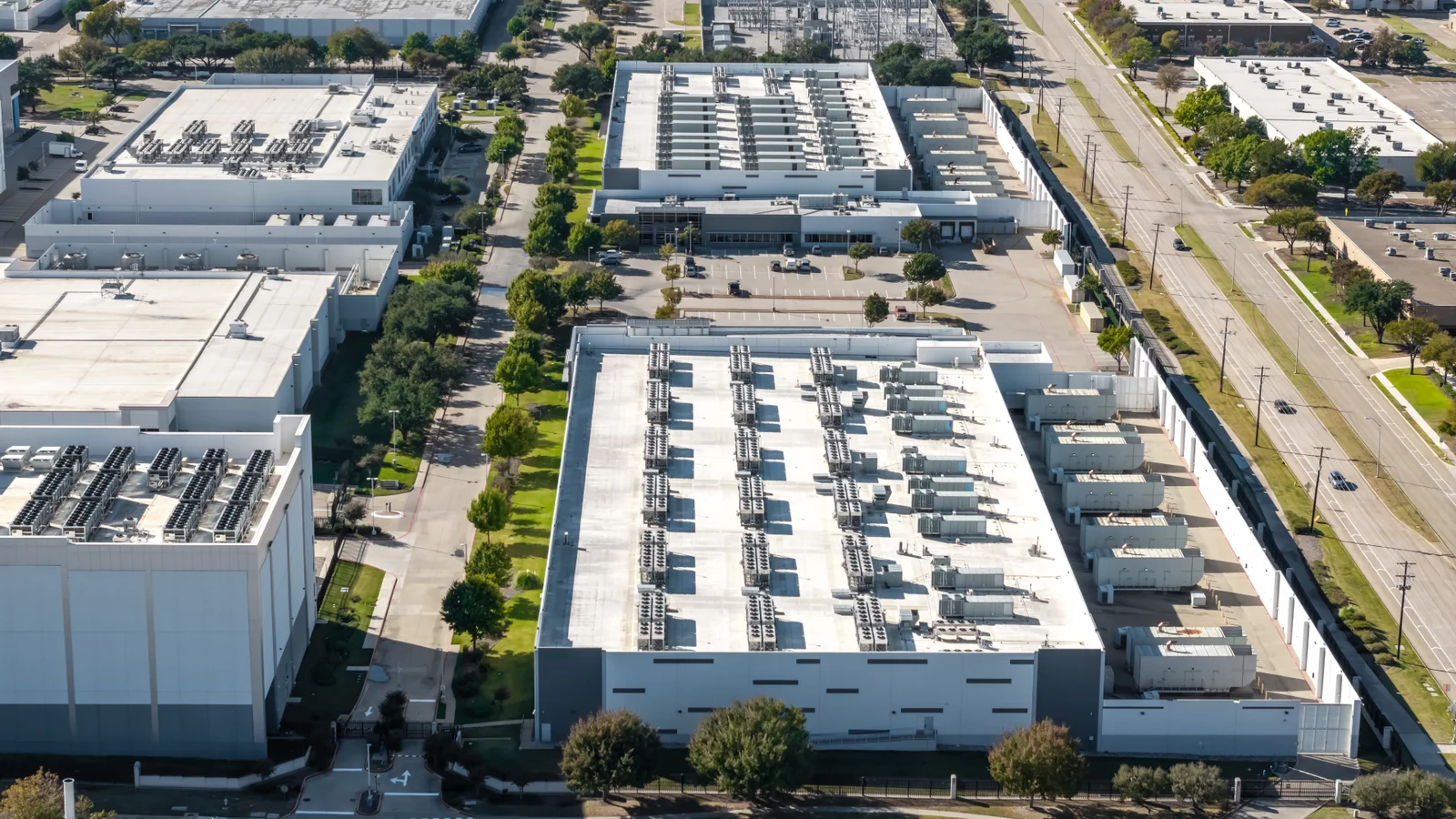
Anthropic is paying $10 billion over six years for compute at a Norway data center owned by bitcoin miner Bitdeer (BTDR). The startup reselling it was founded in January.
Anthropic will pay $10 billion over six years for capacity at a hydro-powered Norway campus, Bloomberg reported. Bitdeer signed a separate 16-year, $4.7 billion lease with the seven-month-old startup running the site.

Leopold Aschenbrenner's Situational Awareness fund owned 19 stocks outright. Every one of them rose Thursday after he sold his positions
Four SEC filings name 19 companies Situational Awareness owned outright, and every one of them rose on July 30. Nebius was the biggest at about $1.84 billion, and the quarterly report understates SharonAI by twelve times.

The Nasdaq fell six days straight, then chips ripped. Microsoft, Samsung, and Citadel buying out Aschenbrenner all landed inside 18 hours.
The Nasdaq's six-day losing streak ended at exactly six, which our own history piece said was the single most likely outcome. Microsoft's $678 billion backlog, Samsung's call that the chip crunch runs to 2028, and Citadel buying the bulk of a leveraged $24 billion book all arrived between Wednesday's close and Thursday afternoon.
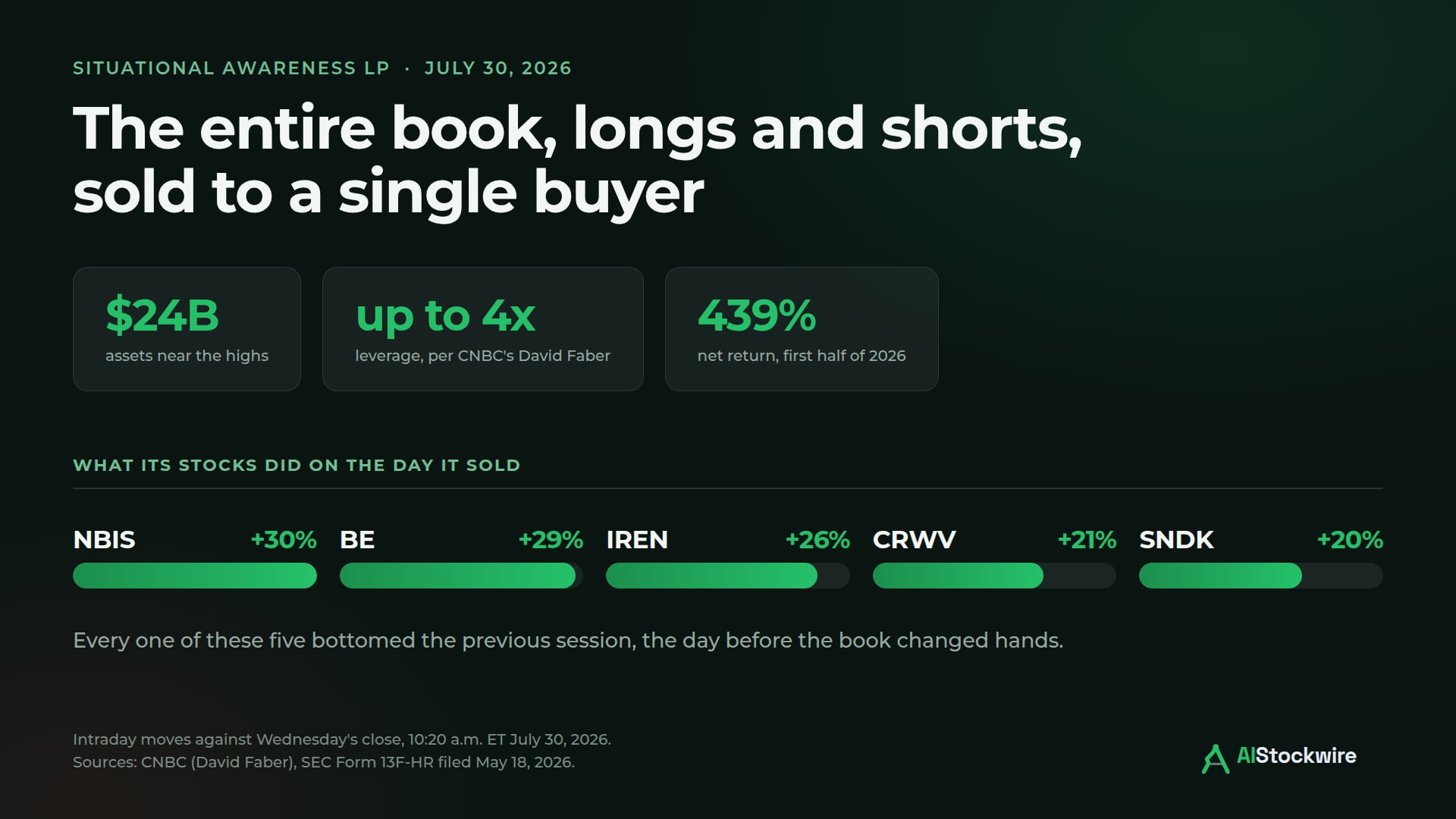
Leopold Aschenbrenner's AI fund sold its levered stock book, longs and shorts, to a single buyer. It was levered as much as four times.
CNBC's David Faber reported that Situational Awareness sold its entire public equities book, longs and shorts together, to a single buyer. The fund reached $24 billion near its highs and ran leverage of as much as four times. Its last public filing shows 62% of a $13.68 billion book was bets against chip stocks, and the stocks it owned outright fell twice as far.