Key points
- Google's $15 billion India AI hub faces local opposition
- One farmer was paid more than $82,000 for her two-acre plot
- Google chose air cooling amid water concerns
- Activists want a statewide pause on new data centers
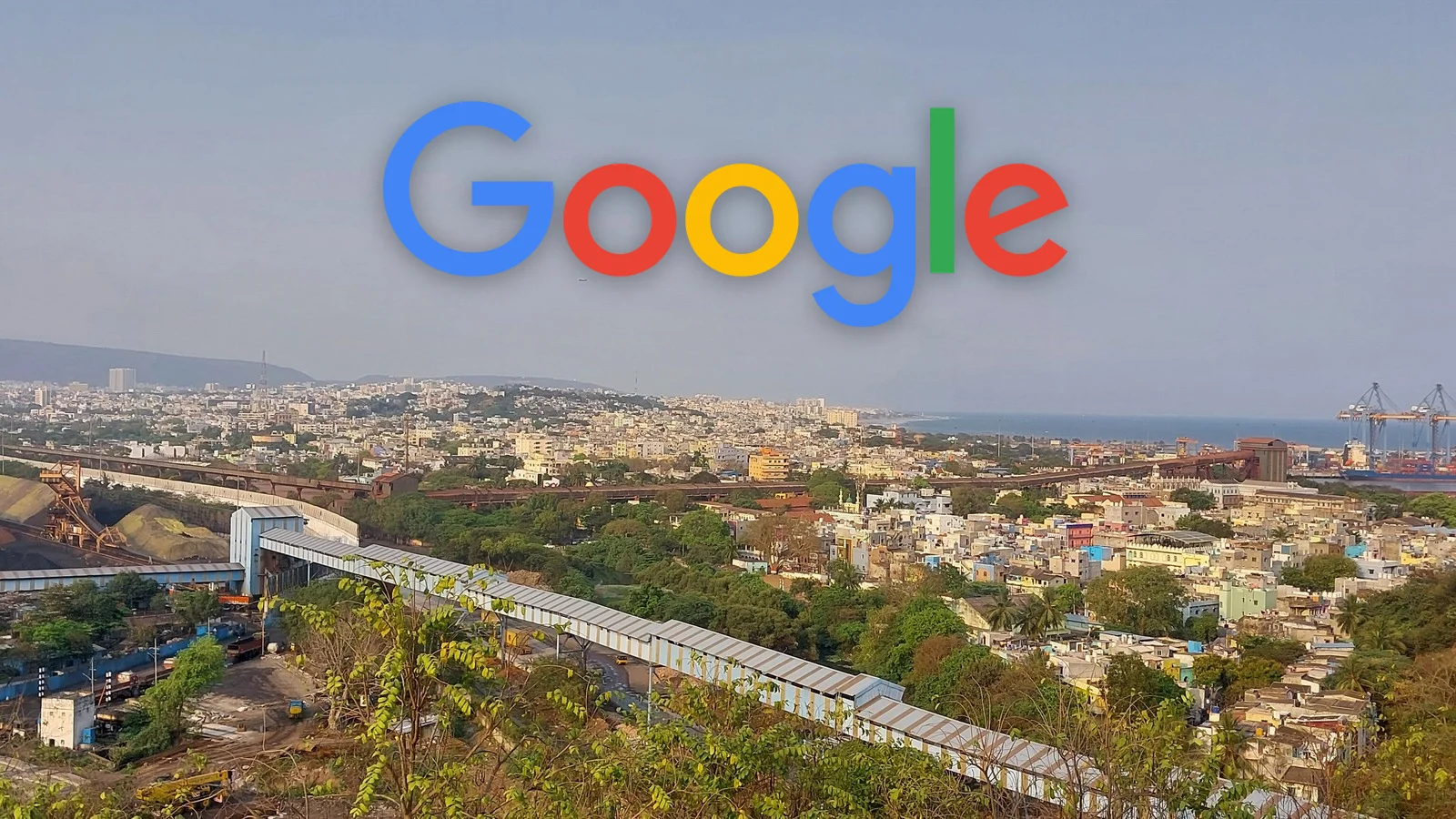
Residents of Visakhapatnam, a port city on India's southeast coast, are pushing back against a planned $15 billion AI data center hub from Google (GOOGL). Many fear the project will strain water and power supplies, damage the environment, and bring too few jobs in return, AFP reported on October 11.
Google announced the investment in October 2025, putting about $15 billion over five years into the hub with partners AdaniConneX and Airtel. The report described it as Google's largest data center outside the United States. It's set to start operating in 2028.
Activists in Andhra Pradesh state are calling for a moratorium on new data centers until independent environmental and social impact evaluations are published.
Farmers and residents say they bear the costs
Excavators are clearing forest and farmland on the 600-acre site. Farmer Chandala Sadamma, 50, was paid more than $82,000 for a two-acre plot where she grew mango and cashew trees. When she sees the cleared ground, "I feel like crying," she said.
"Some company came and, without showing any respect, they took the land and we accepted it," Sadamma said.
The Andhra Pradesh government said that, in addition to financial compensation, new housing is being built and handed over to people who had lived on the site.
Shopkeeper Gubbala Ramanamma, 57, spoke standing beside a dry well. "They are saying that Google is being established for the education and employment opportunities of our children," she said. But "we are already struggling with water scarcity."
Google says the site will use air cooling
Alexander Smith, Google's head of infrastructure and energy for the Asia-Pacific region, addressed the concerns in a separate question-and-answer piece. Google's water assessment for Visakhapatnam "pointed to pressure on the local watershed," he said.
"That finding shaped our choice of cooling configuration from the outset," Smith said. Google chose "advanced air cooling" over water cooling for the site.
Google doesn't disclose site-level power figures, but says it "fully funds the cost of required power infrastructure upgrades."
"If there is insufficient power in a location, or if operating a data centre would mean taking power away from a community, Google will either find ways to develop more power, or it will not build there," Smith said.
He called the hub "a multi-decade commitment" that carries "an obligation to be a good neighbour."
The state plans six 1.2-gigawatt nuclear power plants as energy demand rises. Andhra Pradesh Technology Minister Nara Lokesh has said that "residential requirements will always be prioritised over data centres," according to a statement. "The water needs of our people will always come first," he added.
E.A.S. Sarma, a Visakhapatnam environmental campaigner and former senior official in India's power and finance ministries, has called for an independent water audit. "Civilisations have vanished because of water shortages," he said.
Google and the state promise jobs
Google said the hub will generate $688 million in local economic activity each year. The company expects about 4,200 jobs during construction and hundreds of specialist jobs once the site is running.
The Andhra Pradesh government expects "188,000 direct and indirect jobs to be generated." The report doesn't say what that estimate covers or how it compares with Google's figures.
Gutta Rohith of the local campaign group Human Rights Forum said the benefits won't necessarily reach local people. "We need mass employment and labour-intensive industries, not high-capital industries," he said.
A joint venture of Reliance Industries, Brookfield, and Digital Realty (DLR) is also investing $11 billion in another AI data center in the city.
India generates nearly a fifth of the world's digital data but has only about 3 percent of global data center capacity, according to government figures. The country has offered incentives, including tax cuts, to attract large tech companies, as demand for data center power grows.
Opposition to data centers has spread beyond India. In the United States, it often centers on the water used to cool servers. In Finland, an authority recently ordered work halted at two Google data center sites pending mandatory environmental assessments.