Key points
- Helium spot prices jump as Qatar's supply stalls
- Polar Semiconductor says it can't run without helium
- University of Chicago lab faces helium rationing
Helium spot prices have tripled this year, according to former Air Liquide executive Rich Brooke, and the shortage has reached American chipmakers and research labs. "If we do not have helium, we'll have to shut down," said Surya Iyer, president and chief operating officer of Polar Semiconductor, a Minnesota chipmaker.
The closing of the Strait of Hormuz in February trapped about a third of the world's helium supply. Iranian strikes in March then hit Ras Laffan in Qatar, the world's largest natural gas facility and a major source of helium, according to CBS's "60 Minutes" in a transcript published Sunday.
Qatar's helium isn't moving
CBS reported that Qatar, after the March strikes, estimated it would take at least three years to get Ras Laffan back to full operation. No ships carrying helium are leaving Qatar, and nearly two dozen ships have been hit trying to pass through Hormuz since September.
Qatar didn't answer questions about damage to the helium equipment. Joe Bermudez, a senior imagery analyst at the Center for Strategic and International Studies, compared satellite images of the site from before the strikes and four days after. He found what looks like dried water or firefighting foam on the ground. "It looks like something necessitated the pipes in this area, the equipment in this area to be hosed down," he said.
Why chipmakers depend on helium
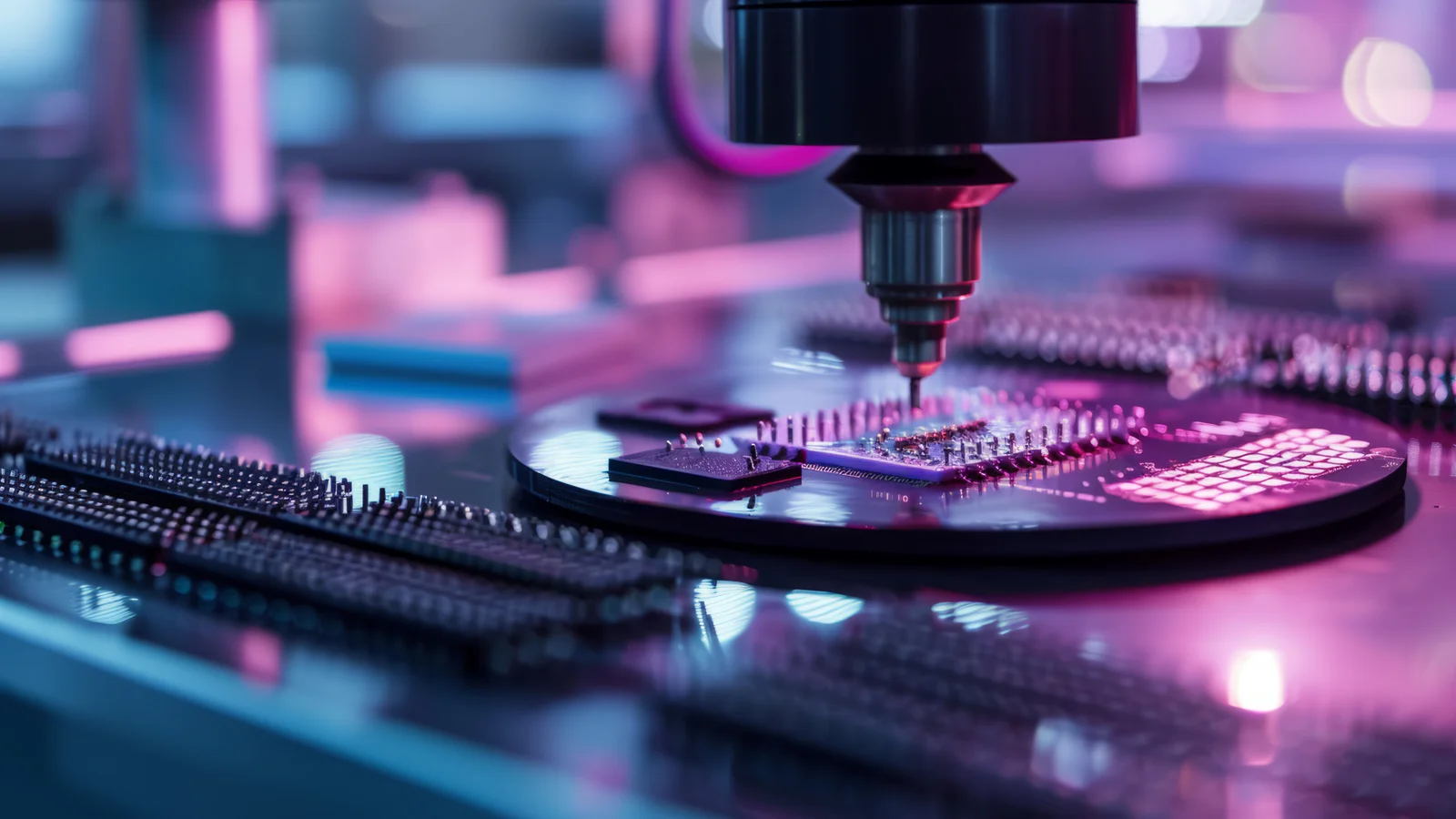
The semiconductor industry uses about a fifth of the world's helium. At Polar's plant outside Minneapolis, "almost 40%, 50% of the machines in this factory would have helium in some way or the other," Iyer said. He added that "hundreds of steps in the process involve helium."
Polar buys from three suppliers, and one of them has put the company on allocation, a form of rationing. The shortage comes as Polar plans to double its capacity to 140 million chips a month.
The United States is the world's other major helium producer, and most of its output comes from one facility in Wyoming. U.S. helium exports are up 70% since the war began. Brooke, who now consults on helium, said chipmakers have traditionally had two qualified sources, Qatar and Exxon Mobil (XOM). Buyers in Korea, Taiwan, and Singapore turned to the U.S. when Qatar went down.
How long that can last depends partly on underground storage. There are two helium storage caverns in the U.S. and one in Germany, and their owners don't say how much is in them.
Research labs are rationing
Joe Sachleben runs a lab at the University of Chicago that uses about 100 liters of liquid helium every couple of months to keep its magnets near minus 452 degrees Fahrenheit. The lab's machines support research on breast cancer drugs, immunotherapies, and Alzheimer's treatments.
The university's supplier offered 50% of what the lab used last year. "That doesn't help us. And so what we have to do is decide which machine are we going to sacrifice and which one are we gonna try to keep," Sachleben said. A second supplier stepped in, then warned last month that it was about to run out. Asked about substitutes, he said, "Nothing else boils that low."
New helium is years away
Pulsar Helium, a startup, is drilling for helium at its Topaz Project in northern Minnesota, with seven wells across a 100-square-mile area. Getting that gas to market will take years. "It's not gonna help us next month," said Cliff Cain, Pulsar's president, who has briefed the Pentagon on the shortage.
Brooke said the next three months depend on Hormuz. "If you can tell me what's gonna happen in the Strait of Hormuz between now and three months from now, I can tell you exactly what'll be happening in the helium business," he said.