Key points
- 79 nuclear reactors are under construction worldwide
- Canada is building a GE Vernova Hitachi-designed reactor
- Constellation and Vistra are expanding US reactor output
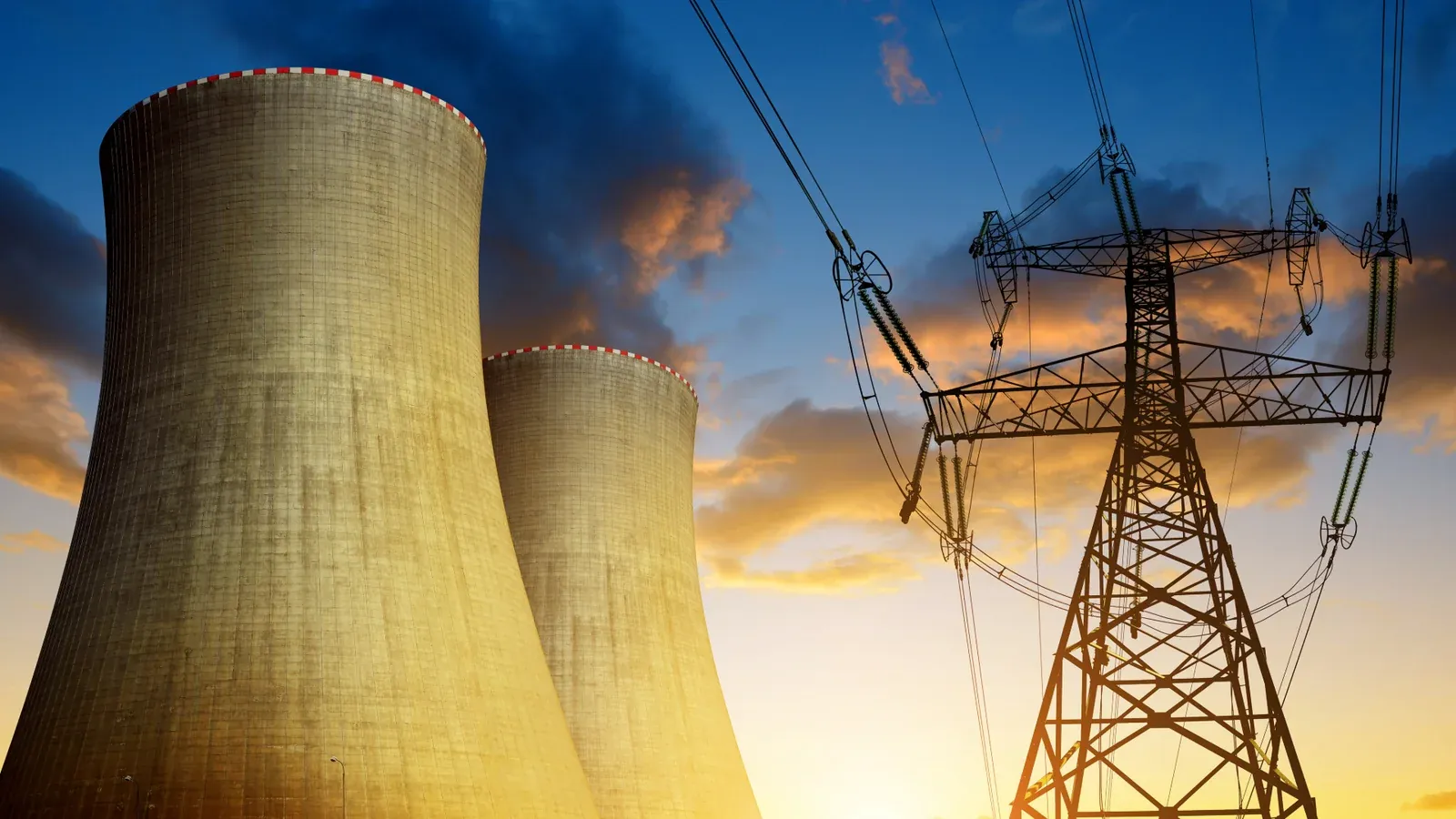
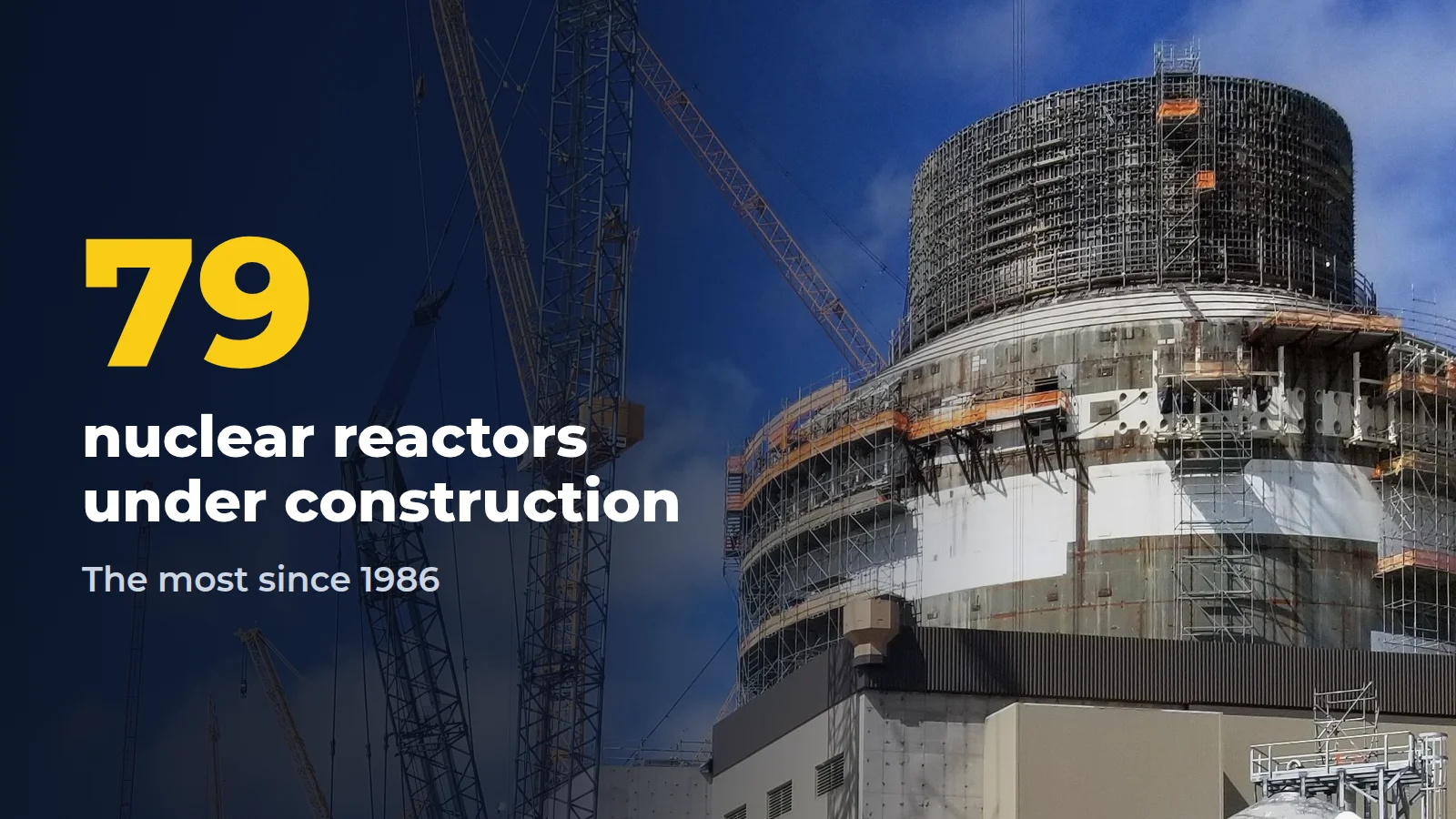
The number of nuclear reactors under construction worldwide has reached 79, the most since 1986, Nikkei Asia reported on November 1. Rising fossil fuel prices and growing demand for power from AI are accelerating plans for new plants, the report said.
The count comes from the World Nuclear Association, according to Nikkei's Japanese edition. Eleven reactors started construction in 2026, bringing the total to 79 as of October 16. The last time more were being built was 1986, the year of the Chernobyl accident, when 91 were under construction.
The International Atomic Energy Agency's reactor database puts the number slightly lower, at 78 reactors in 17 countries with about 81,300 megawatts of capacity. Another 417 reactors are in operation, according to the IAEA.
Most of the new reactors are in Asia
Most reactors under construction or planned are in Asia, according to the World Nuclear Association's list of new reactors. China has the most on the list, followed by Russia and India. Egypt is building its first nuclear plant, El Dabaa, with four Russian-designed reactors, and the UK is building two at Hinkley Point C.
No US reactor appears on the association's list. Canada has one, Ontario Power Generation's Darlington small modular reactor, which uses the BWRX-300 design from GE Vernova (GEV) and Hitachi. The association estimates it will connect to the grid in 2030.
US AI deals are adding power to existing reactors
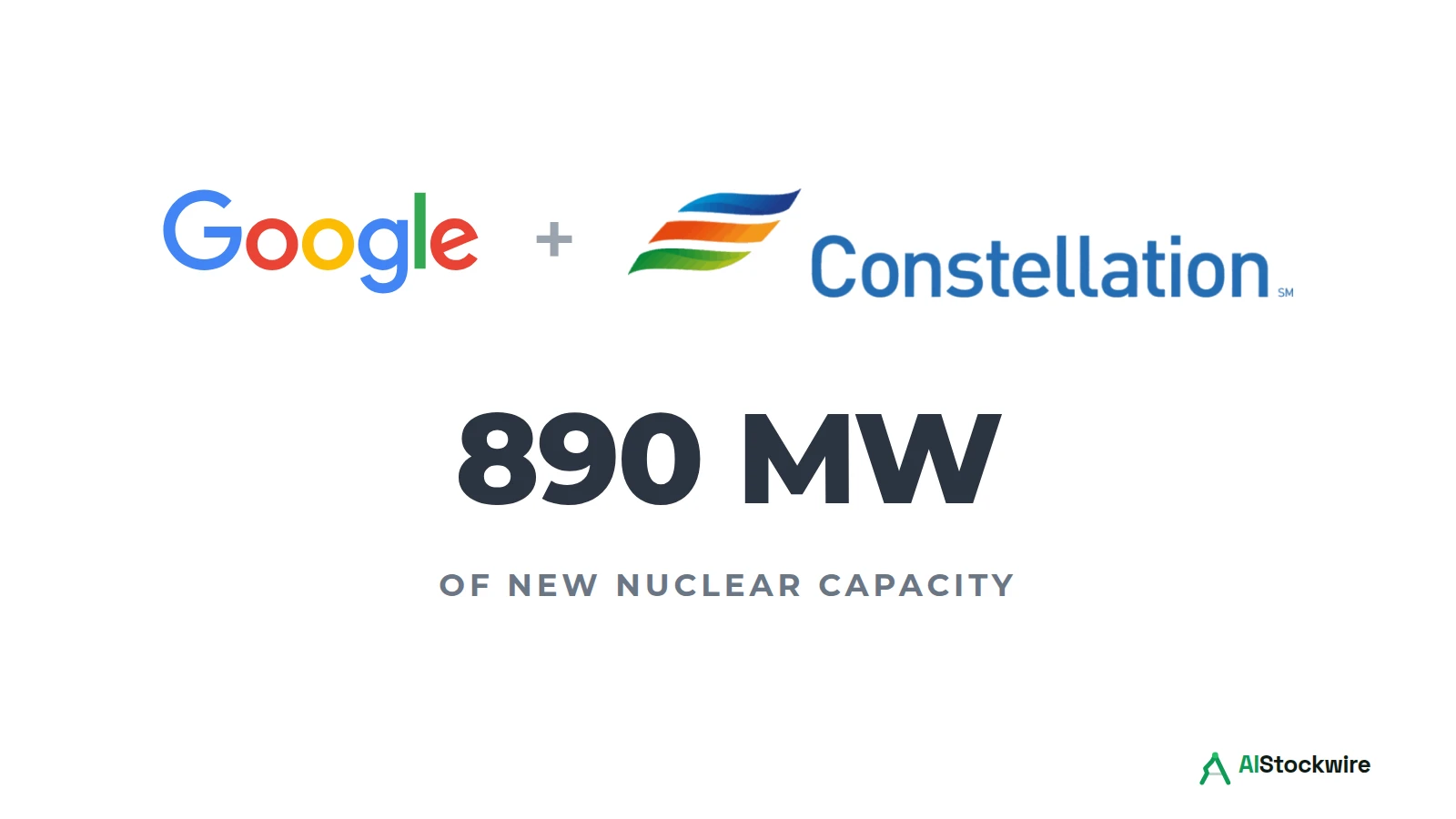
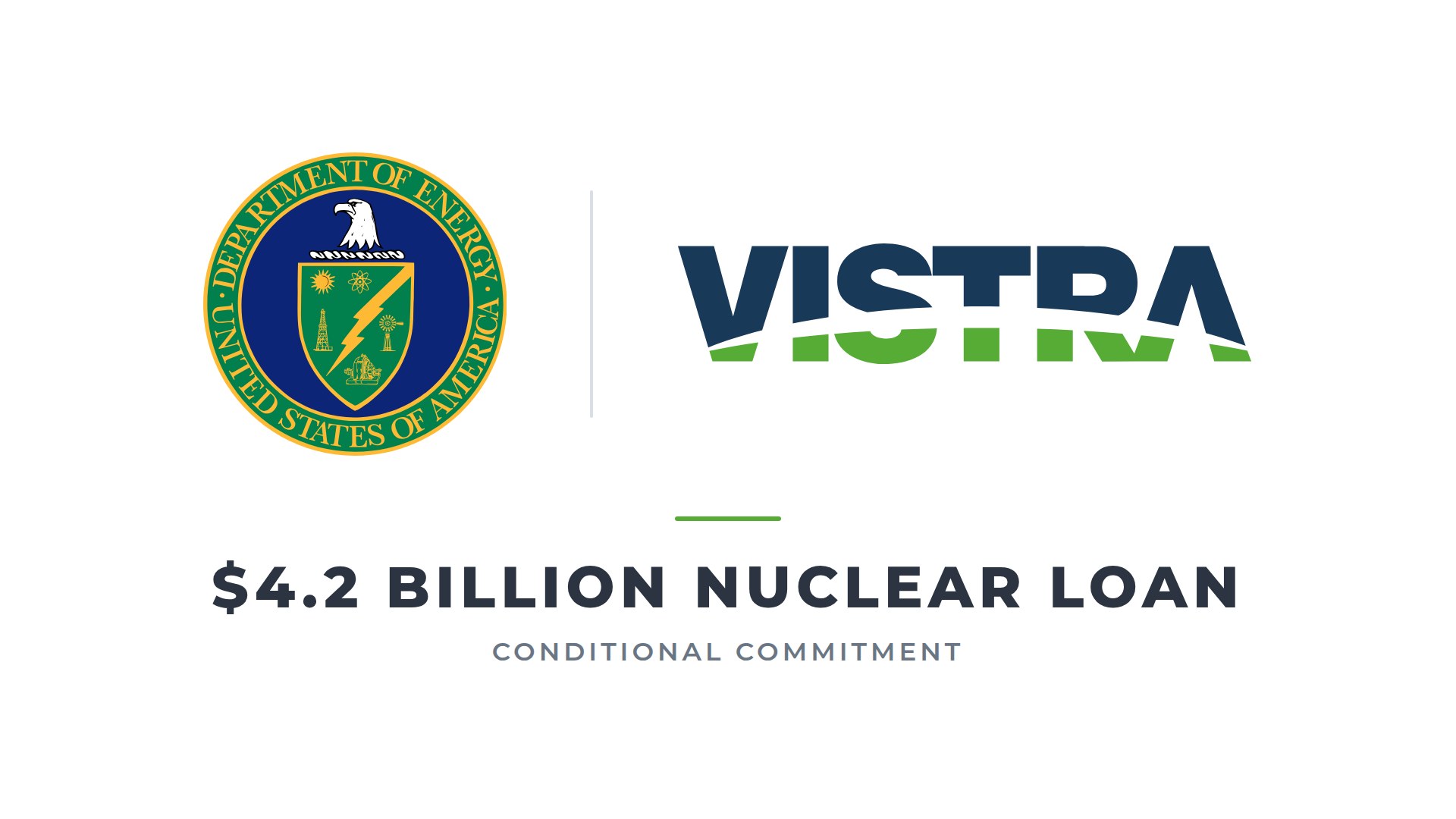
In the US, two recent AI-linked nuclear deals add power to existing reactors instead of building new ones. Google will pay Constellation Energy (CEG) to add 890 megawatts by upgrading its reactors. Vistra (VST) won a federal loan commitment of up to $4.2 billion to add 433 megawatts of nuclear output at three plants, tied to a power deal with Meta.
President Trump said in September that South Korea's US investment fund would pay for eight new nuclear reactors in the US, but as of late September, Seoul hadn't confirmed where any would be built.