Key points
- GE Vernova and Vistra fall about 10%
- Meta's capital spending exceeds operating cash flow
- NextEra gains despite the power-stock selloff
Shares of companies supplying power and equipment for AI data centers fell sharply on Oct. 22 as spending at Meta Platforms (META) fueled concerns about the buildout. GE Vernova (GEV) dropped 10.6%, and Vistra (VST) fell 9.8%.
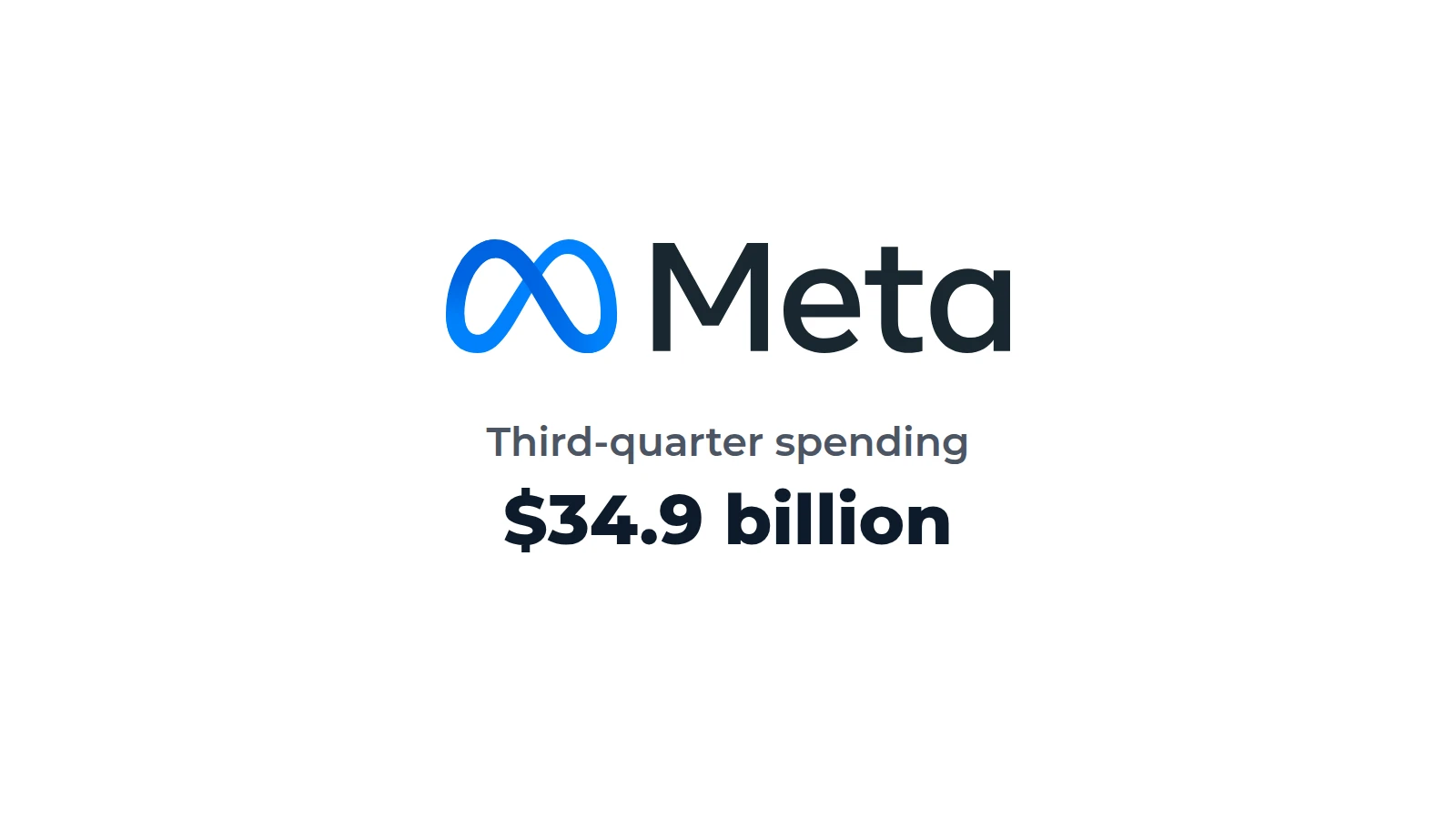
CNBC said Meta's third-quarter report "reignited concerns over AI infrastructure spending." Meta spent $34.9 billion on capital investments, more than its day-to-day business generated, leaving free cash flow at negative $2.1 billion.
The losses extended across the sector. Fuel cell maker Bloom Energy (BE) fell 8.7%, grid contractor Quanta Services (PWR) lost 8.1%, and nuclear plant operator Constellation Energy (CEG) dropped 5.7%. Meta fell 7%. The S&P 500 declined 1.2%, while the Nasdaq Composite lost 2.6% in its worst day since June.
Meta raised the lower end of its 2026 capital spending forecast to $135 billion from $130 billion, keeping the upper end at $145 billion. Chief Financial Officer Susan Li gave the figures on Meta's Oct. 21 earnings call.
Meta also announced it will give shareholders one new nonvoting Class C share for each share they hold, "effectively resulting in a two-for-one stock split," Li said. The shares could be used for "capital raising, employee compensation, acquisitions, other general corporate purposes." She added, "We don't have any specific financing plans to announce at this time."
NextEra rose while AI power stocks fell
Not every power stock fell. NextEra Energy (NEE), which builds wind, solar, and battery projects, rose 4.6% to $81.90. The company reported third-quarter results on Oct. 21, with adjusted earnings of $1.24 a share, up from $1.13 a year earlier. Its renewables and storage backlog stood at about 36.7 gigawatts. Solar panel maker First Solar (FSLR) slipped 2%.
A slower data center buildout would cut both ways for clean energy, TIME senior correspondent Justin Worland wrote on Oct. 23. A slowdown could ease pressure to build fossil fuel plants. It would also hurt newer technologies, such as advanced geothermal and new kinds of nuclear power, that depend on "big, reliable buyers who are willing to pay a premium for power," he wrote. Worland also pointed to rising bond yields at CoreWeave (CRWV), whose bonds due 2032 yielded nearly 15% on Oct. 13.
GE Vernova reports third-quarter results before the market opens on Oct. 28.