Key points
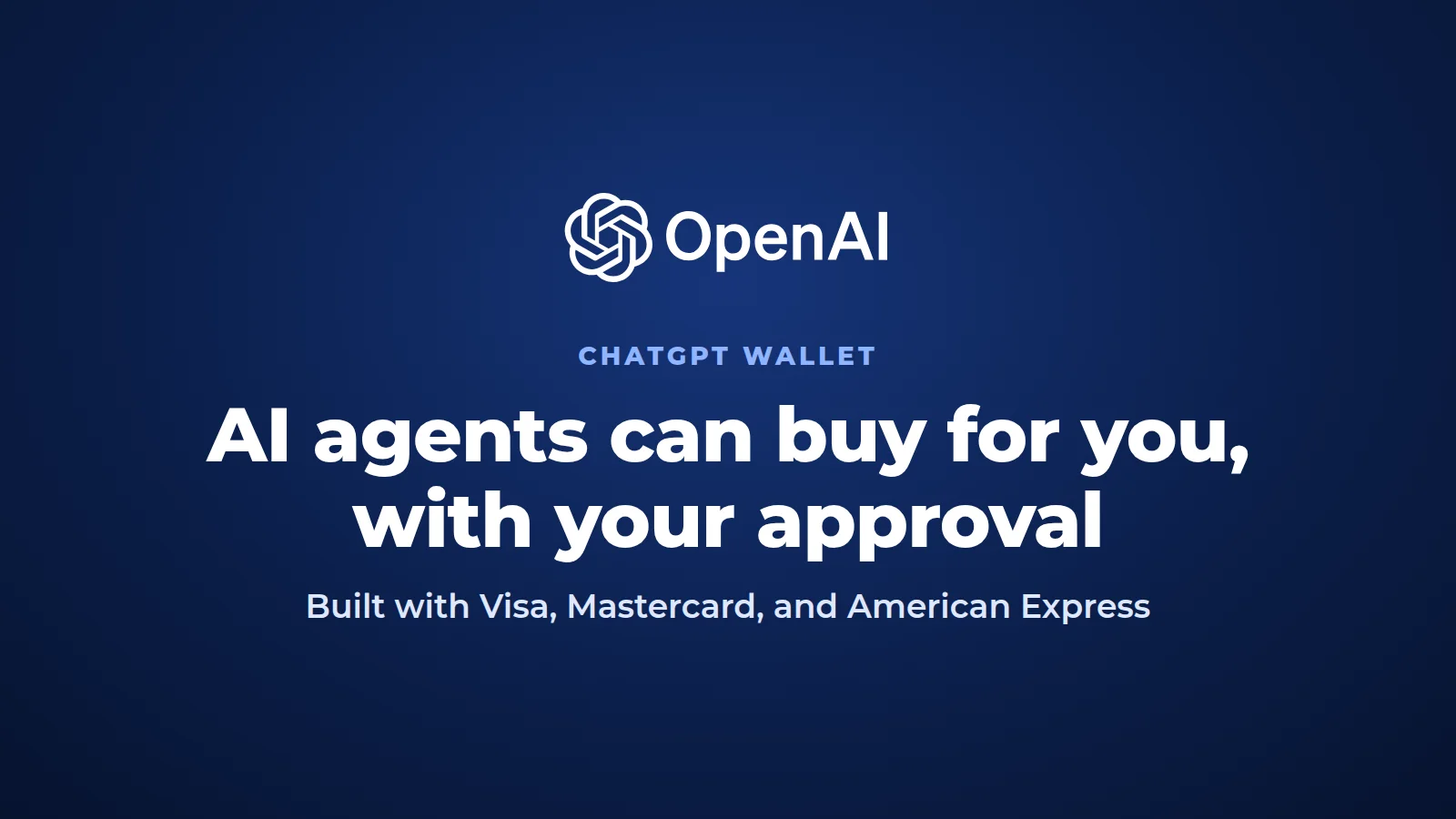
- OpenAI's ChatGPT Wallet lets its dots agents buy things, with the user approving each purchase
- OpenAI built ChatGPT Wallet with American Express, Mastercard, and Visa
- OpenAI isn't taking a cut of ChatGPT Wallet purchases to start
OpenAI launched ChatGPT Wallet on Nov. 13, a payment feature that lets its "dots" AI agents buy things for users, the company said. OpenAI built it with American Express (AXP), Mastercard (MA), and Visa (V). It's rolling out first to ChatGPT Pro subscribers in the US who are 18 or older and have eligible US-issued cards.
Users add a card once. Before each purchase, they check the items, total, and card. Then they approve it with a security check such as Face ID or a fingerprint scan. The payment network issues a payment token with a stand-in card number, security code, and expiration date. The agent and the business never see the real card details. Users keep their card rewards and their protections for eligible disputes.
OpenAI isn't taking a cut of transactions to start, CNBC reported. "Our goal here is to really focus on merchants and our network partners and start building out a really great foundation that's safe and easy to use," said Chaya Nayak, who leads product for monetization and payments at OpenAI.
Visa shares were up 1.5% at $426.67 at 11:09 a.m. ET on Nov. 13. Mastercard was up 1.4% at $661.97, and American Express was up 1.0% at $321.13.
Some businesses still block AI agents
United Airlines said on Nov. 11 that it'll block agents from booking tickets, and Amazon prevents agents from buying products on its platform, according to the CNBC report. JPMorgan Chase said in October that it won't let outside AI agents log into customer accounts to move money. That rule covers bank account access. Wallet works through cards instead, and eligible Chase credit cards are among those it supports, with cardholders approving the connection in the Chase app, according to OpenAI's help page.
OpenAI said some websites may unintentionally block ChatGPT Wallet purchases, and fraud systems may flag legitimate purchases by agents. OpenAI published a guide for businesses. It's also working with fraud prevention firms Forter, Riskified, Sardine, and Signifyd and payment processors Adyen, Checkout.com, and Stripe so their systems recognize agent purchases.
Over time, OpenAI expects users to hand purchases entirely to their agent by setting limits such as a spending cap, purchase categories, or a time period.
OpenAI has tried shopping features before
OpenAI introduced an Instant Checkout feature last fall and quickly moved away from it, according to the report, which said some early attempts failed to take off. In March, it rolled out a revamped shopping experience for finding and comparing products. ChatGPT had more than 1.2 billion weekly users and nearly 100 million paying users at the end of the third quarter.
Amex executive Luke Gebb said the limited rollout is the "right approach to make sure things are working."