Key points
- Data centers outpace office construction nearly 2 to 1
- The St. Louis Fed's 39% figure covers 2025
- CleanSpark stops reporting bitcoin output monthly
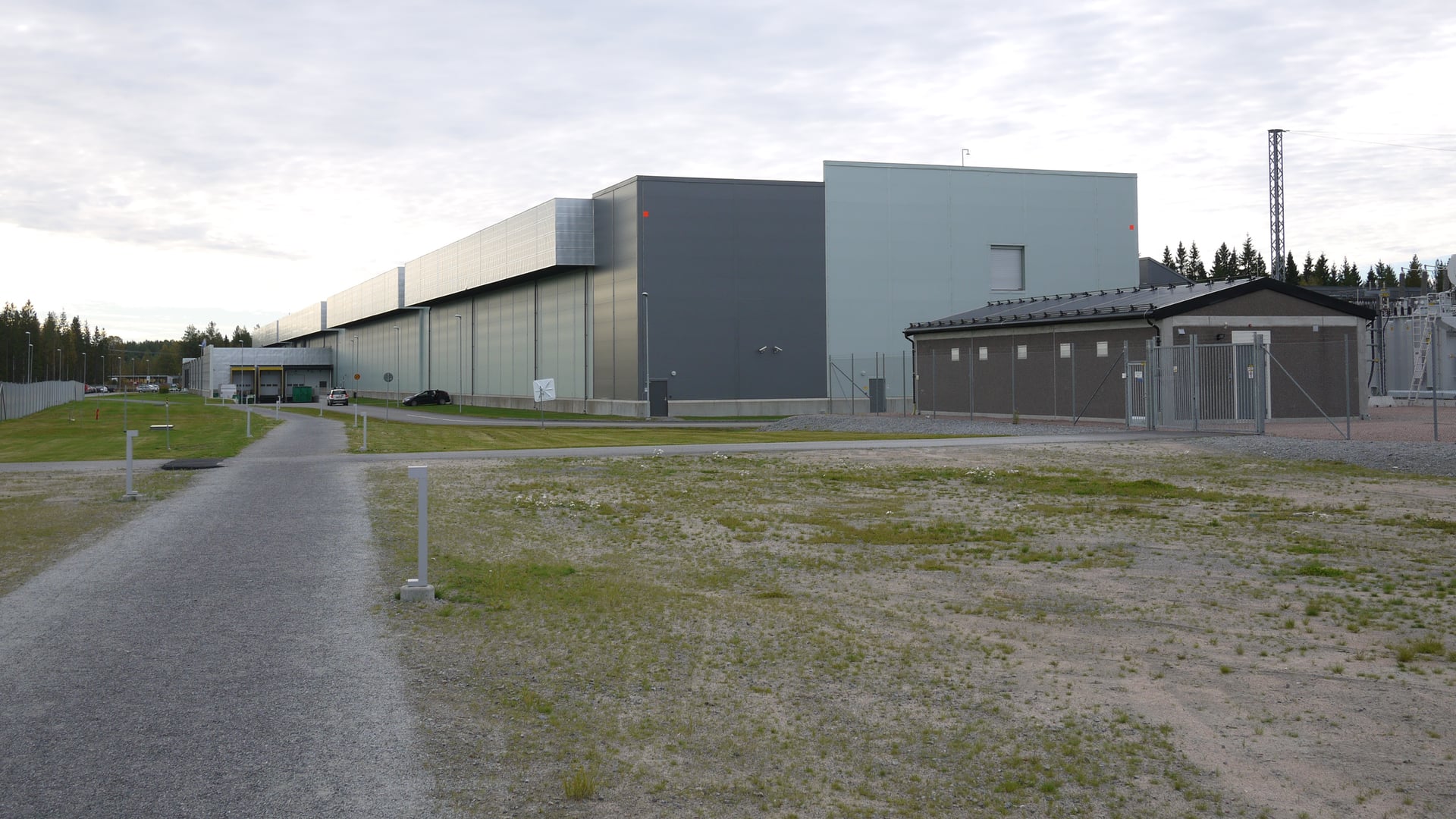
US data center construction spending reached an annualized $85 billion in August, nearly twice the $45.8 billion rate for general office buildings. Data center spending rose 73% from a year earlier, according to Census Bureau figures released Oct. 1.
The building boom raises a broader question: how much is AI investment contributing to economic growth? An Oct. 9 Quartz report cited a St. Louis Fed estimate of 39%. That figure covers the first three quarters of 2025, and it measures four broad investment categories associated with AI, not AI spending alone.
Those categories are information processing equipment, software, research and development, and data centers. Excluding data centers, their share of GDP growth was 36%, compared with 28% for the corresponding categories in 2000.
Their contribution also slowed during 2025. St. Louis Fed economist Hannah Rubinton and research associate Bontu Ankit Patro wrote in January that the categories added 1.3 percentage points to real GDP growth in the first quarter, 1.16 points in the second, and 0.48 points in the third. Investment remained high, but it was growing more slowly, so it added less to GDP growth.
Data center construction rises as factory spending falls
A year earlier, spending on data centers and general office buildings was about even. In August 2025, general office construction ran at $50.7 billion a year and data centers at $49.1 billion, according to the Census Bureau's detailed tables. In August 2023, data centers were at $20.5 billion.
Factory construction went the other way. Private spending on manufacturing construction fell 22.2% in the first eight months of 2026 from the same months of 2025. Construction of plants that make computers, electronics, and electrical equipment ran at $52.3 billion a year in August, down from $95.4 billion a year earlier.
The building is also being financed with debt. AI-related debt issued worldwide reached about $450 billion by early September, more than double the total for all of 2025, according to a Morgan Stanley estimate cited by the Bank of England, Quartz reported. In September, Kansas City Fed President Jeffrey Schmid asked whether AI is becoming "too big to fail."
CleanSpark raised $2.276 billion for its Georgia campus
CleanSpark (CLSK), a bitcoin miner converting some of its sites into data centers, is one of those borrowers. In its September operational update on Oct. 9, chief executive Matt Schultz said that "our Sandersville project is fully funded through completion."
The money comes from $2.276 billion of 7.875% senior secured notes due 2031. A CleanSpark subsidiary priced the notes on Sept. 18 and closed the sale on Sept. 25. The 175 MW campus in Sandersville, Georgia, is leased to a subsidiary of Meta (META) for 20 years, with about $6.6 billion in contracted lease payments, as we reported on Sept. 17. CleanSpark has targeted the first rent for late 2027.
The same update said CleanSpark mined 529 bitcoin in September, down from 593 in August. The company will stop publishing monthly operational updates and move to quarterly reporting, "consistent with peers in the energy and data center sectors." Its bitcoin holdings fell to 13,530 from 13,703 during the month. CleanSpark sold 702 bitcoin, 700 of them through call options that were exercised.
CleanSpark shares were down 2% at $10.42 at 2:39 p.m. Eastern on Oct. 9. Our AI Bubble Index tracks the broader AI spending and valuation picture. The Census Bureau's September construction report is due Nov. 2.