Key points
- Kioxia forecasts little revenue or profit growth this quarter
- A stronger yen is weighing on Kioxia's outlook
- One standard NAND price was flat in October, Korean data shows
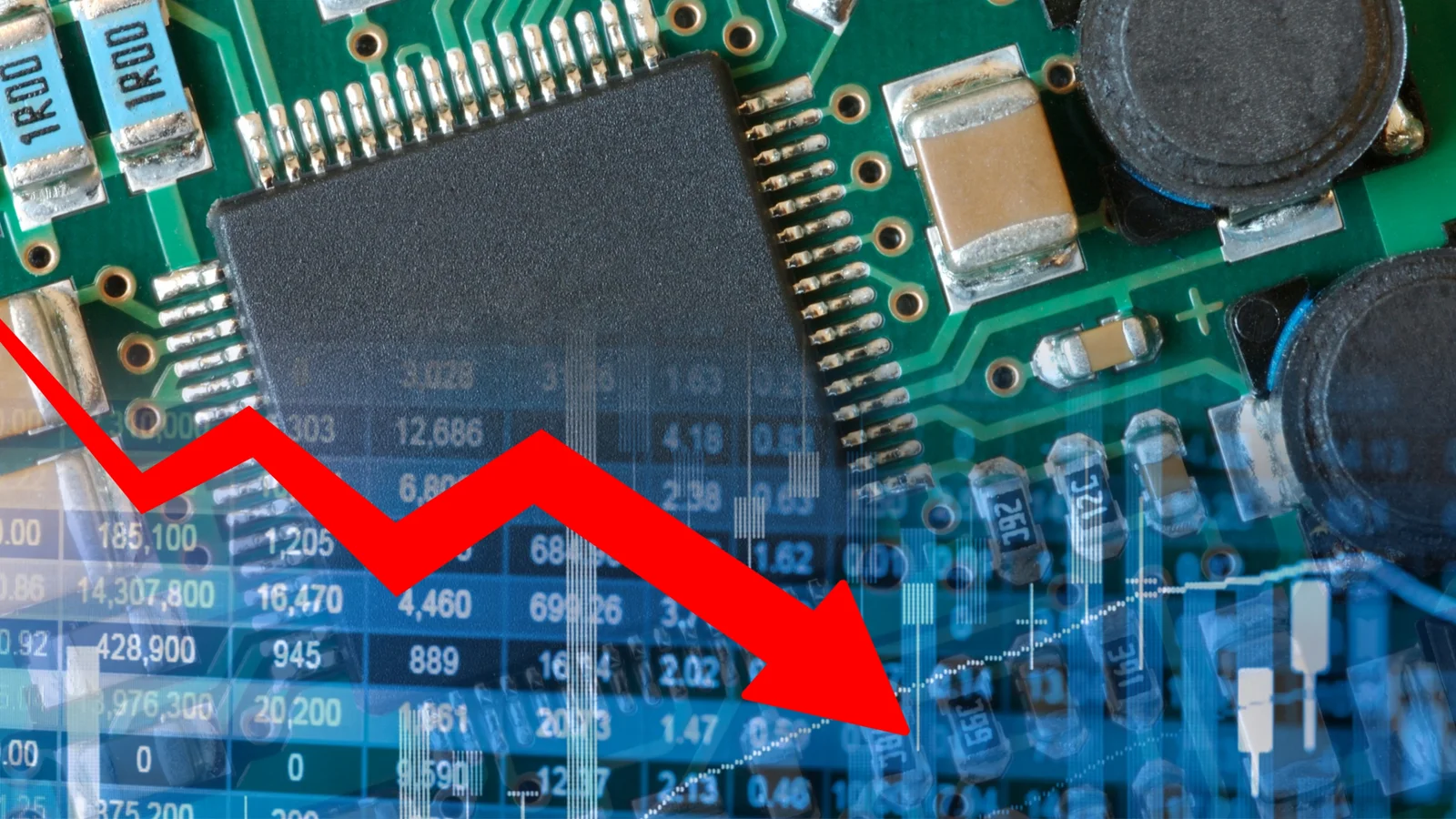
Kioxia Holdings (285A) shares fell 13.2% to ¥11,685 in Tokyo as of 9:48 a.m. on November 2, the first trading session after the memory chipmaker forecast little revenue or profit growth for October through December.
Kioxia expects revenue of ¥2.5 trillion and non-GAAP operating profit of ¥2.0 trillion, up 0.8% and 0.6%, respectively, from the previous quarter, according to its October 30 results. Analysts had expected operating profit of about ¥2.35 trillion, Bloomberg reported.
A stronger yen weighs on Kioxia's outlook
Kioxia said demand from data centers should remain strong, but cited exchange rates as one reason revenue and profit would be broadly in line with the previous quarter. It assumes ¥157 to the dollar for October through December, compared with ¥161 in July through September. A stronger yen reduces the yen value of sales made in dollars.
The quarter that just ended was much stronger than the one before. Revenue rose to ¥2.48 trillion from ¥1.77 trillion in April through June. Kioxia credited higher shipments and a significant increase in average selling prices from data center customers focused on generative AI. Operating profit came to ¥1.99 trillion, about 80% of revenue.
Average NAND selling prices still rose far less in July through September than the 70% jump in the previous quarter, according to the same report. Chief Financial Officer Akira Menju said it was unclear whether prices would keep rising in the fiscal year starting in April 2027, given how much they had already climbed.
Kioxia also said all of its 2027 production capacity is spoken for. Long-term contracts with hyperscalers cover well over half of its expected 2028 shipments.
Korean data shows a standard NAND price flat as DRAM rose
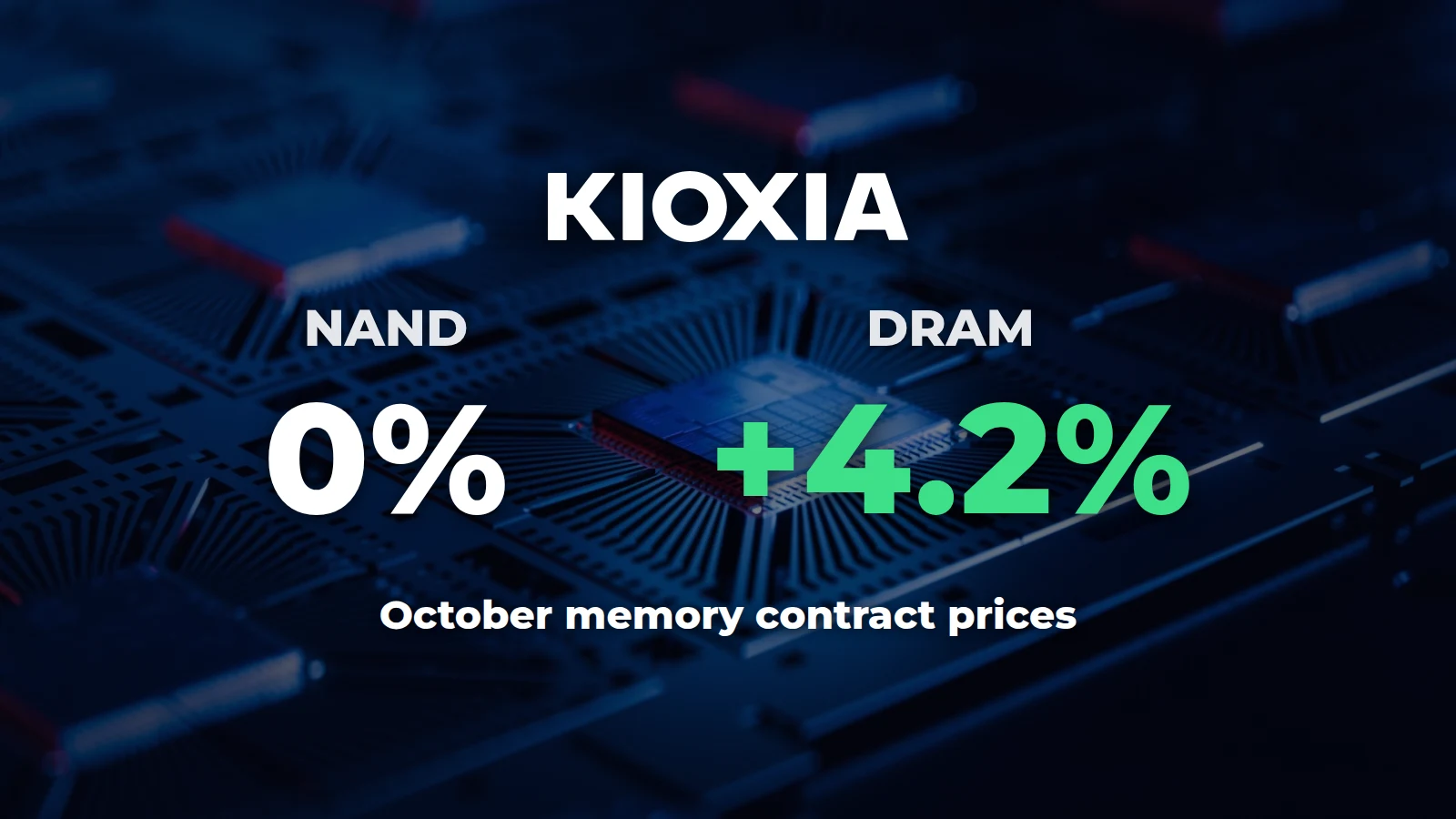
Korea's trade ministry includes monthly memory contract prices in its export report. In its November 1 release, a standard 128-gigabit NAND chip was priced at $30.60 in both September and October, after rising from $28.80 in June. A 16-gigabit DDR5 DRAM chip kept climbing, to $50.00 in October from $48.00 in September and $40.00 in June.
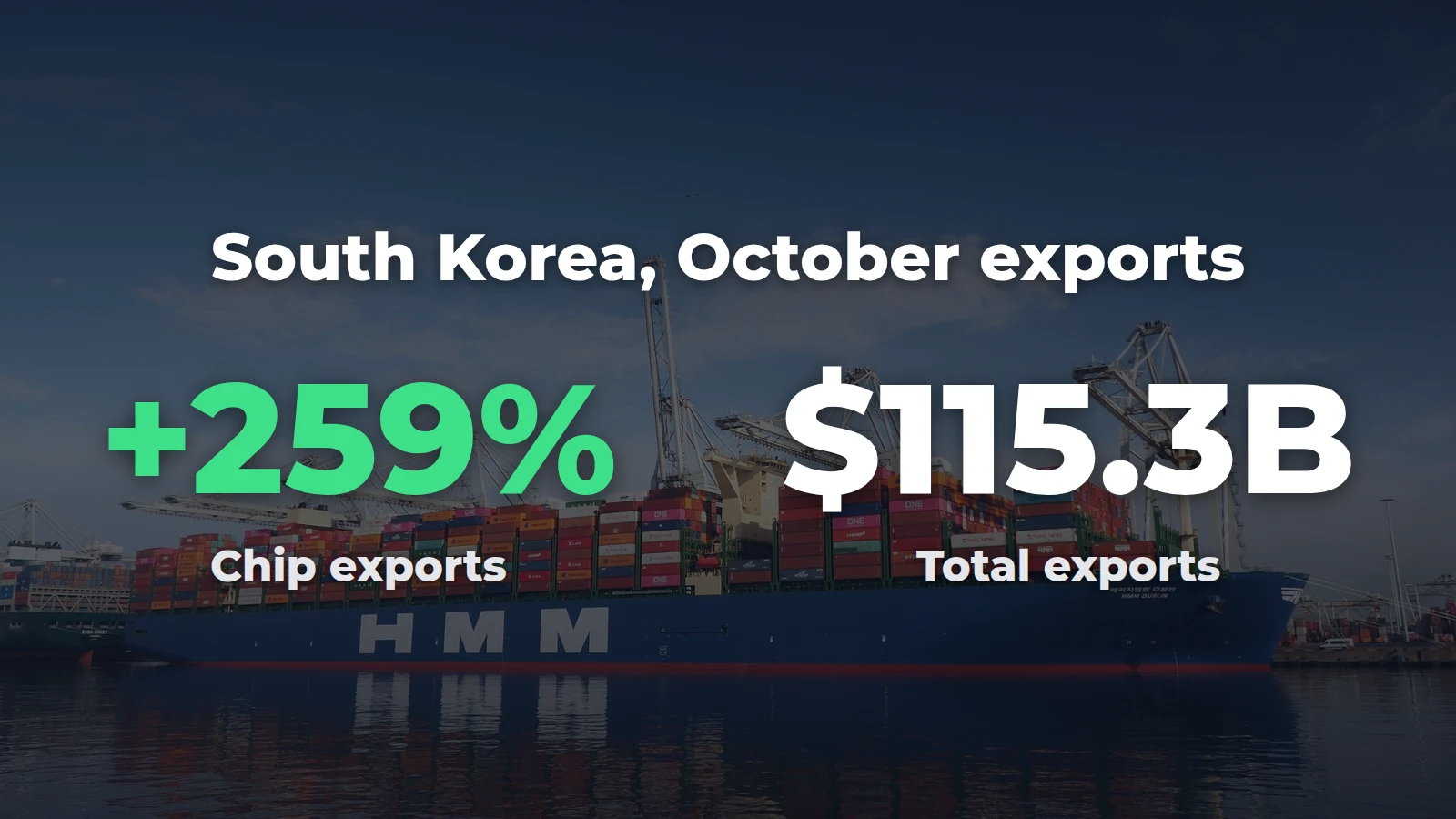
The ministry's figures cover one standard chip of each type, not the enterprise solid-state drives that data centers buy, so they aren't a direct measure of Kioxia's own prices. The flat NAND reading is another sign to watch, though Kioxia's forecast also reflects currency movements. Korea's chip exports still jumped 259% in October. Korea is home to Samsung Electronics (005930) and SK Hynix (000660), which make both kinds of memory.
Kioxia builds its chips in Japan through a joint venture with Sandisk (SNDK), and the two share the same factories. Sandisk reported fiscal first-quarter revenue of $11.03 billion on October 29 and announced an 8-for-1 stock split.