Key points
- Ondas announced a $56 million arming-device order
- The customer and delivery schedule weren't disclosed
- What the devices do inside a loitering munition
Ondas (ONDS) announced a $56 million order on Oct. 5 for electronic safe and arm devices supporting a European loitering munition program. It is the first order of its kind Ondas has announced since it bought GATE Technologies and Bron Technologies in September. Ondas shares rose 4.0% to $7.53 in premarket trading as of 9:00 a.m. ET.
The order came through Bron, which runs the business's manufacturing and certification in Poland. Ondas did not name the customer, the munition, the country, or a delivery schedule. "This program moves into production with technology that is already qualified and a manufacturing base that is already in place," said Oshri Lugassy, co-CEO of Ondas Autonomous Systems.
The devices control when a munition can arm
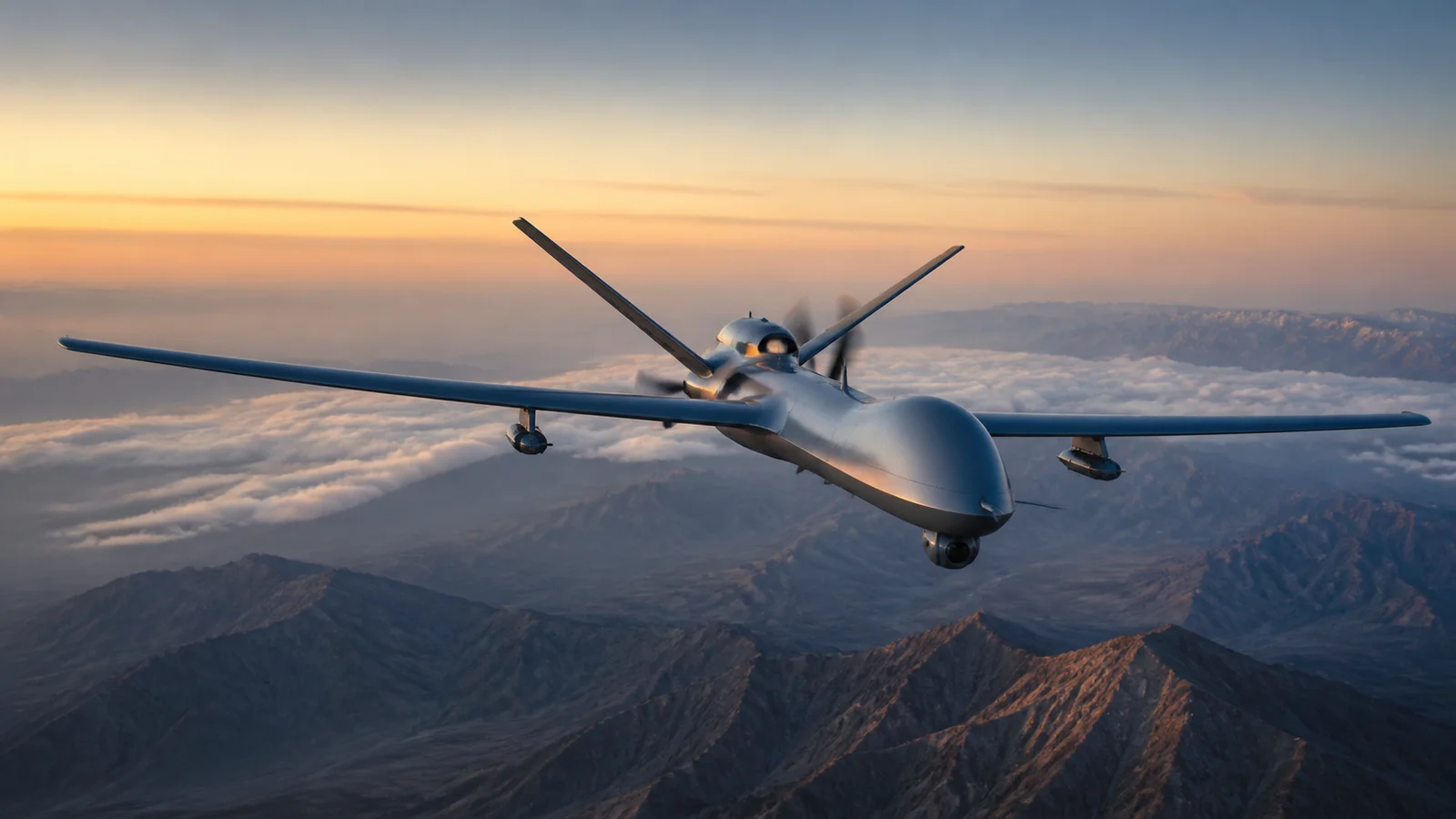
A loitering munition is a drone-like weapon that can circle over an area before striking a target. An electronic safe and arm device keeps the munition from arming during storage, transport, handling, and launch. It allows arming only when the required mission conditions are met.
Ondas says developing and qualifying these devices takes extensive engineering and testing because of their safety role. Few suppliers have cleared those requirements, according to the company.
Ondas bought GATE and Bron in a $205 million deal
The order follows Ondas's Sept. 14 acquisition of GATE and Bron for $205 million before a working-capital adjustment. The deal comprises $105 million in cash and $100 million in stock, with up to $185 million more payable if financial targets are met through 2028.
Founded in 2006, Israel-based GATE develops arming devices and electronic fuzing technology for loitering munitions, drones, missiles, and rockets. At the time of the acquisition, Ondas said it expected GATE to generate $65 million in revenue in 2026 and $180 million in 2028.
Ondas has been expanding through acquisitions, including its $875.8 million deal for DZYNE. On Sept. 23, it bought three other defense technology businesses for $56 million, plus potential earn-outs of up to $32 million. That purchase price is separate from the $56 million order announced on Oct. 5.
Ondas hasn't disclosed when it will deliver the order or how much revenue it expects to recognize from it this year.