Key points
- Public Cybercab rides opened in Austin Friday afternoon
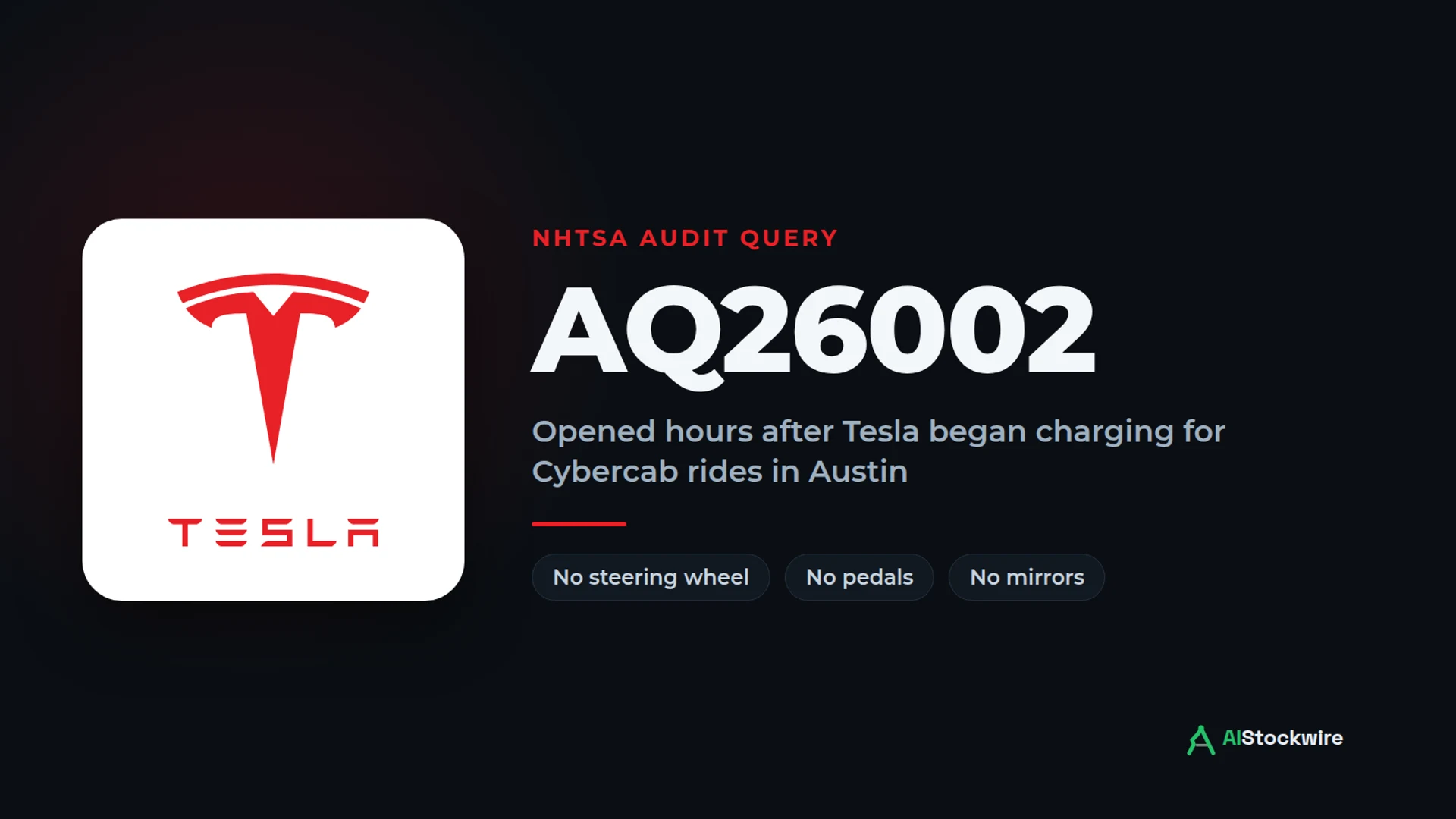
- NHTSA is auditing how Tesla certified the car
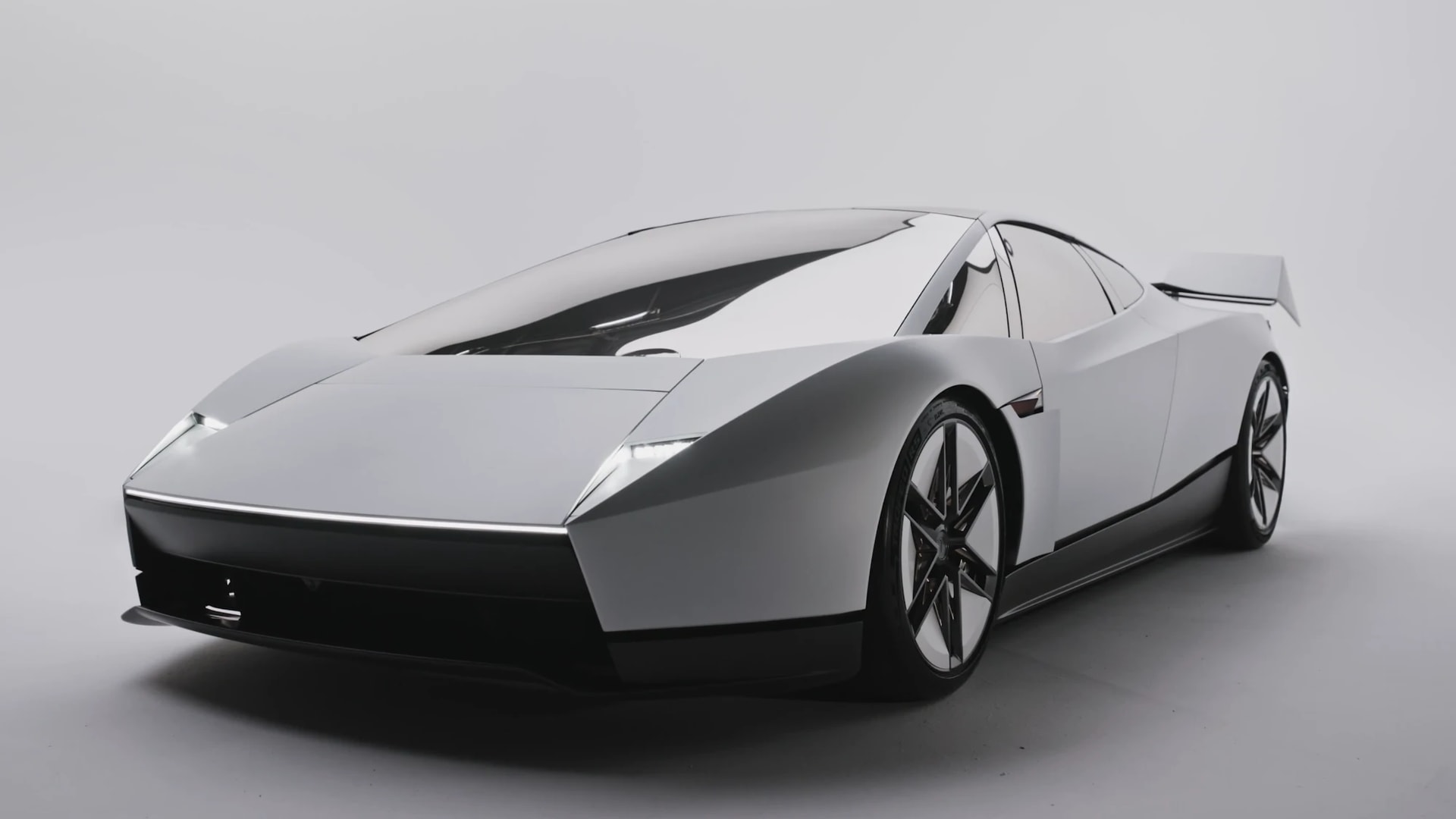
- The car has no steering wheel, pedals or mirrors
Tesla (TSLA) opened Cybercab rides to the general public in Austin at 2 p.m. Central on Friday, September 4, an hour earlier than planned. Its Robotaxi account said the change was down to demand. Riders order through the Robotaxi app and are assigned either a Cybercab or a Model Y depending on what is free, and there are 45 Cybercabs registered in Texas. Thursday's launch, a day earlier, was invitation-only.
Cybercabs will be available at 2pm CT due to popular demand 🤠 https://t.co/HJoD5VACdZ
— Tesla Robotaxi (@robotaxi) September 4, 2026
The car carrying those passengers is already under federal review. The National Highway Traffic Safety Administration opened an audit into how Tesla certified the Cybercab as road-legal, and its docket timestamps the opening at 3:42 p.m. Eastern on Thursday, September 3, hours after the first paid rides. It became public the next morning.
The audit is numbered AQ26002, filed under the subject "Tesla Cybercab FMVSS Certification" and run out of the agency's Office of Defects Investigation. Reuters and CNBC put the number of vehicles covered at about 1,000. NHTSA's own opening text describes the Austin rollout more modestly, as "commercial deployment with a small number of its Cybercab vehicles."
FMVSS stands for the Federal Motor Vehicle Safety Standards, the federal rules a car has to meet to be sold and driven on public roads. NHTSA generally does not approve vehicles before sale. Manufacturers certify their own compliance, and the agency can come back afterward and ask how that conclusion was reached, which is what an audit query does.
The vehicles "lack permanently attached, conventional manual controls, such as a brake pedal, gas pedal, steering wheel, and mirrors," NHTSA wrote. A large share of the safety standards were written on the assumption that those controls exist. The agency said it will "examine the process and technical data on which Tesla relied when certifying the Cybercab," and will consider "the extent to which Tesla's certification depended on determinations that certain FMVSS are inapplicable to the Cybercab."
Two things in the filing came from Tesla itself. The company told NHTSA it had certified the Austin cars as compliant with all applicable standards, and it told the agency it plans to "gradually expand commercial deployment of the Cybercab to include additional vehicles and locations." So the audit lands on a fleet Tesla has already said it intends to grow.
The query was prompted by public information rather than by a crash or a consumer complaint, according to Electrek. NHTSA hasn't alleged a defect, the Austin service opened on schedule anyway, and Tesla hasn't publicly responded to the audit.
The rules underneath all of this are already being rewritten. The Department of Transportation proposed earlier this year to drop the manual-control requirements for vehicles built to drive themselves. That proposal isn't final, so the standards Tesla certified against are the old ones.
What the stock did
Tesla shares had rallied ahead of and during Thursday's launch, rising 5.4% to close at $376.37 on the heaviest volume in more than a week, according to Stock Analysis. They gave that back on Friday. The stock traded at $354.31 around 3:00 p.m. Eastern, down 5.9% on the day, having been down 6.5% at midday, per Robinhood market data.
The audit may not be the only factor behind Friday's decline. 24/7 Wall St reported that the launch left questions about the production ramp and the size of the deployment unanswered, and that analysts came out of the event split. Even after Thursday's rally, Tesla was down 16.3% for the year against its 2025 close of $449.72, and we covered the July earnings selloff that took out much of it.
Tesla's filings and price history are collected on its TSLA page. AQ26002 is open.