Key points
- Alphabet's Q2 2026 revenue rose 24% to $119.8 billion, near the top of Wall Street's $116.8 billion to $120.2 billion estimate range.
- Google Cloud revenue grew 82% to $24.8 billion, well above Bank of America's 70% forecast, and cloud operating income more than tripled to $8.8 billion.
- Capital spending on AI infrastructure hit $44.9 billion for the quarter, more than double last year's $22.4 billion, funded partly by $49.6 billion in new stock and preferred shares and $20.3 billion in new debt.
- Net income available to shareholders jumped 298% to $112.1 billion, but almost all of that came from a one-time $98.0 billion gain on equity investments, not from selling more ads or cloud services.
We flagged this stretch of earnings as the market's clearest test yet of whether AI spending is paying off. Alphabet (GOOGL) went first, filing its second-quarter 2026 results with the SEC on Wednesday. The headline profit number looks great. The real story underneath it is more complicated.
The number Wall Street actually wanted: cloud growth
Total revenue came in at $119.8 billion, up 24% from a year ago and near the top of the $116.8 billion to $120.2 billion range analysts expected. But the number that mattered more was Google Cloud, which grew 82% to $24.8 billion. That's an acceleration from 63% growth last quarter, and it beat Bank of America's 70% estimate. Alphabet credited demand for enterprise AI Solutions, AI Infrastructure, and core Google Cloud Platform services.
The profit side of cloud moved even faster than the revenue side. Segment operating income for Google Cloud went from $2.8 billion a year ago to $8.8 billion this quarter, more than tripling. For a business that was barely profitable two years ago, that's the clearest sign yet that the AI infrastructure buildout is starting to convert into actual earnings, not just bigger data centers.
Spending on AI just about doubled, and so did the fundraising behind it
Alphabet spent $44.9 billion on property and equipment in the second quarter alone, more than double the $22.4 billion it spent in the same quarter last year. For the first half of 2026, that figure is $80.6 billion, against $39.6 billion a year earlier. This is the spending Alphabet had already guided toward $180 billion to $190 billion for the full year, with another increase flagged for 2027. The first-half pace lines up with getting there.
None of that comes free. In June, Alphabet raised $49.6 billion in net proceeds through a combination of Class A and Class C stock and mandatory convertible preferred shares, earmarked for capital expenditures to scale AI infrastructure. It also issued senior unsecured notes for another $20.3 billion in net proceeds during the quarter. Close to $70 billion in fresh capital, raised in three months, gives a sense of how much the AI buildout actually costs.
The profit number needs an asterisk
Net income available to common stockholders jumped 298% to $112.1 billion. Diluted earnings per share rose 294% to $9.11 from $2.31 a year ago. On its own, that number is misleading.
Almost all of the gain came from a single line: other income of $98.0 billion, which Alphabet says mainly reflects unrealized gains on its equity investments. That's a paper gain on stakes the company holds in other businesses, not revenue from ads or cloud contracts. Analysts had expected EPS between $2.86 and $2.95, an estimate that couldn't have priced in a one-time gain this size. The $9.11 figure and that estimate aren't measuring the same thing.
The cleaner number is operating income, which strips out the investment swings. That rose 30% to $40.8 billion, with operating margin expanding about 2 percentage points to 34%. It's a solid quarter, just nowhere near the 298% the profit headline implies.
What Pichai said
Sundar Pichai, CEO of Google and Alphabet, tied the quarter directly to AI usage. "Our AI investments are redefining what's possible across every part of our business," he said, pointing to the Gemini App's 950 million monthly active users and Gemini models now processing 22 billion API tokens per minute. He also said Gemini Enterprise has reached close to 90% of the Fortune 100.
Where this leaves the rest of the week
Alphabet was down about 1.5% during Wednesday's regular session, in line with a broader pullback in chip stocks after two strong up days. In the minutes right after the results came out, shares ticked up close to 0.8% in after-hours trading, though that was before the earnings call even started and is early enough to change once the market has time to actually digest the numbers.
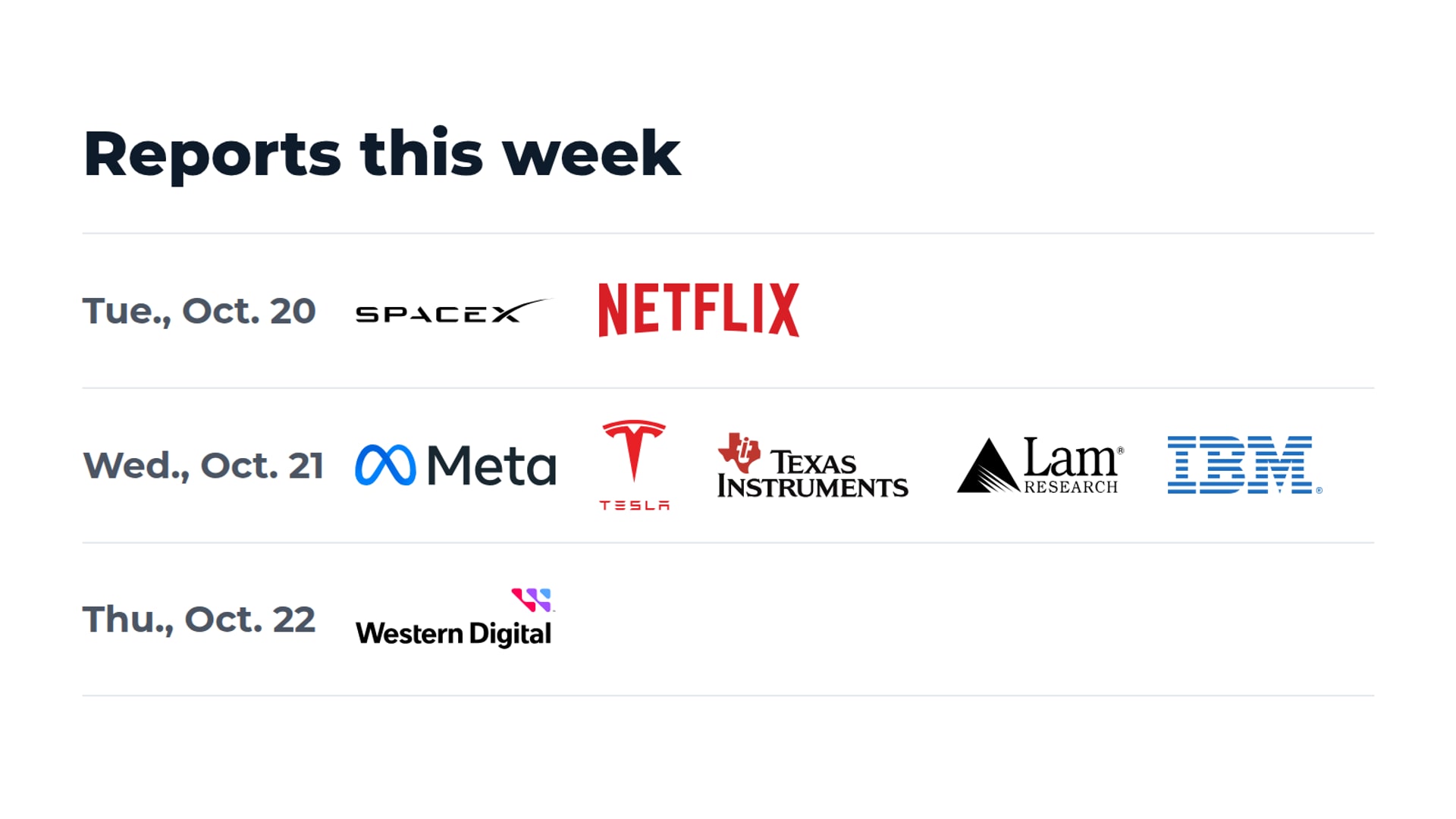
Tesla, IBM, and ServiceNow report later Wednesday alongside Alphabet. Lockheed Martin and Nokia report Thursday morning, and Intel reports Thursday after the close. We previewed all seven names and what Wall Street expected from each one earlier this week. On the cloud growth and capital spending questions specifically, the ones this earnings stretch was supposed to settle, Alphabet's answer this quarter is yes, the money is starting to show up, just not in the simple way the profit headline makes it look.
That same AI infrastructure demand is also the backdrop for Wednesday's chip-driven swings in Korea, where Kospi gave back most of an intraday rally ahead of this exact report landing.
Sources
- Alphabet Inc. Form 8-K, filed with the SEC, July 22, 2026
- Alphabet Inc. Q2 2026 earnings press release (Exhibit 99.1)
- Our earlier coverage: this week's seven-name earnings preview and the chip bear market Alphabet and Intel are reporting into
This is general market information, not investment advice. Always do your own research and consider speaking with a licensed financial professional before making any investment decision.