News
Market news, earnings recaps, and daily moves in AI and semiconductor stocks.
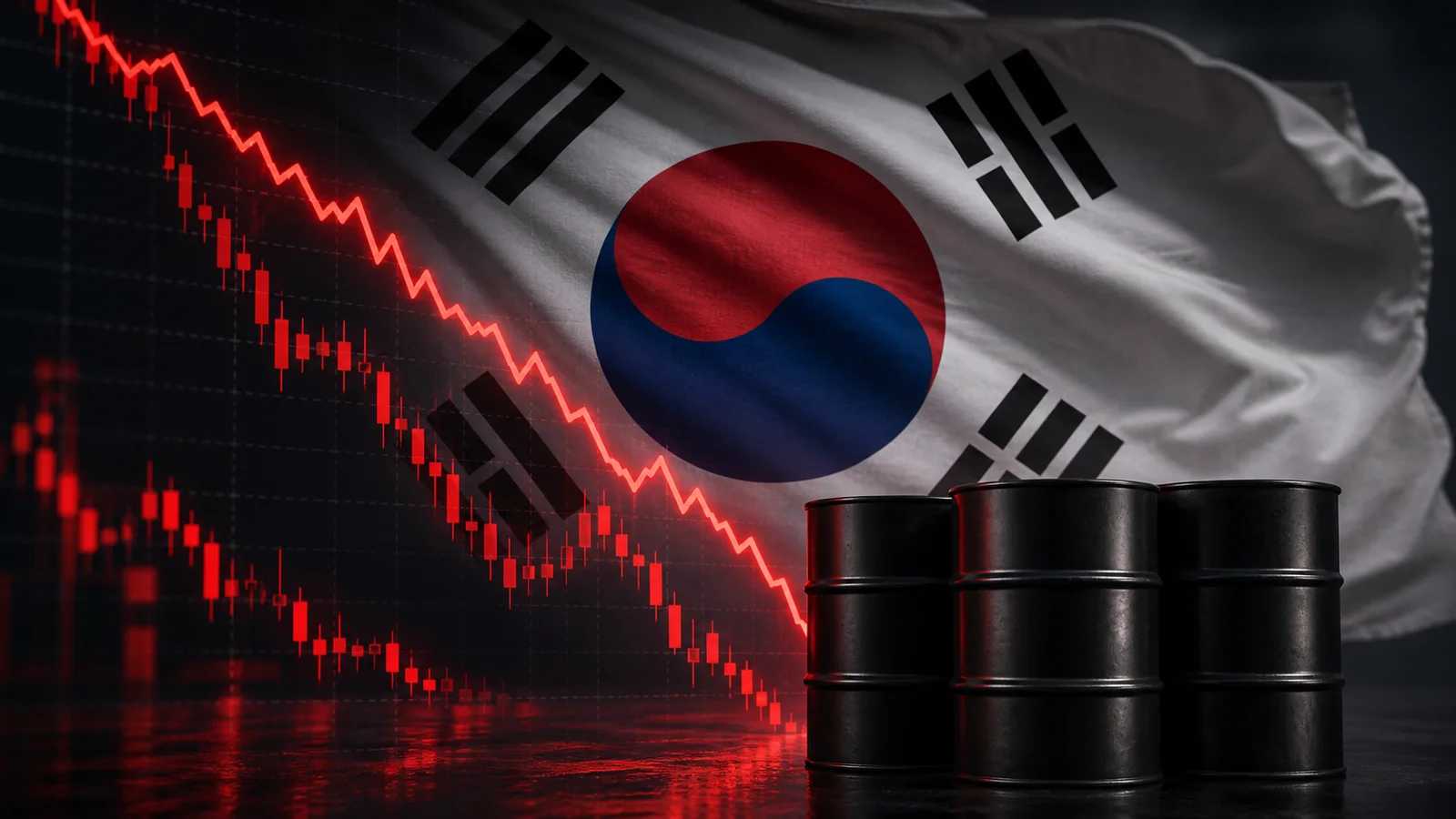
Korea's Kospi falls 4% as Hormuz strikes push Brent toward $95
Brent went near $95 after US strikes around the Strait of Hormuz, and the Kospi closed down 3.99 percent. Korea imports about 70 percent of its crude from the Middle East, and its refineries are built so it cannot easily buy it anywhere else.
The DOJ sided with OpenAI against the New York Times (NYT). What that means for Reddit (RDDT) and News Corp (NWSA)
The government told a Manhattan judge Wednesday that training AI on copyrighted text is fair use. Every AI content-licensing deal, from Reddit's Google contract to News Corp's OpenAI pact, was priced off the opposite outcome.
Vistra (VST) CEO Jim Burke bought $903,069 of stock, his first open-market buying since 2023
Jim Burke bought 6,665 Vistra shares on August 31 and September 1 at an average of $135.49, nine days after buying 2,000 more at $135. Neither filing was made under a trading plan, and his last open-market purchase before this was in March 2023.
Pasqal (PSQL) doubled on its Nasdaq debut days after holders redeemed 90% of the SPAC shares
Holders of 26 million of Bleichroeder II's 29 million public shares took the $10 exit before the August 27 close. PSQL then finished its August 28 debut up 95% before giving much of it back.
Nvidia (NVDA) cut Rubin Ultra's memory in half because HBM had become 40% of a rack's cost, SemiAnalysis says
SemiAnalysis says memory had reached 41% of a Rubin Ultra rack's capital cost after this year's HBM and DRAM price hikes. Halving the HBM per GPU takes it to 28%, with the savings moving to scale-up networking. The firm calls it a supply-crunch symptom, not weak demand.
NASA gives Blue Origin the $700 million Mars network contract Rocket Lab (RKLB) campaigned for
NASA awarded Blue Origin a firm-fixed-price contract worth up to $700 million to build, launch and run a Mars communications orbiter due by December 2028. Rocket Lab had pitched a laser-relay satellite for the same job, and Blue Origin's only New Glenn pad is still being rebuilt after May's explosion.

Google (GOOGL) is pitching Disney (DIS) and Universal on AI character licenses at $40 million apiece, LA Times reports
Google executives approached Disney, Universal and Warner Bros. Discovery about licensing characters and film libraries for its AI models, the LA Times reports. Some studios were asked to waive their right to sue Google. A $40 million-per-character figure came up as an estimate, not an offer, and NBCUniversal says it is not in active talks.
TeraWulf (WULF) director Ted Carter sold $1.98 million of stock, his first sale in five years on the board
Ted Carter, a TeraWulf director since 2021 and its audit committee chair, sold 130,626 WULF shares on August 31 for $1.98 million. The Form 4 shows no trading plan, and it is his first sale since joining the board.
Dell (DELL) raises its full-year outlook by $25 billion as AI server backlog nearly doubles to $95 billion
Dell booked a record $60.9 billion of AI server orders in the quarter ended July 31 and exited with a $95 billion AI backlog, up from $51.3 billion in May. Revenue rose 58% to $47.0 billion, fiscal 2027 guidance moved to $192 billion, and free cash flow fell 47% as inventory doubled.
AST SpaceMobile (ASTS) director buys $619,200 of stock after a 50% drop
Adriana Cisneros, AST SpaceMobile's first investor and a director since 2021, bought 10,822 ASTS shares on August 31 for $619,200. The Form 4 shows no trading plan, and it's bigger than her three earlier buys combined.
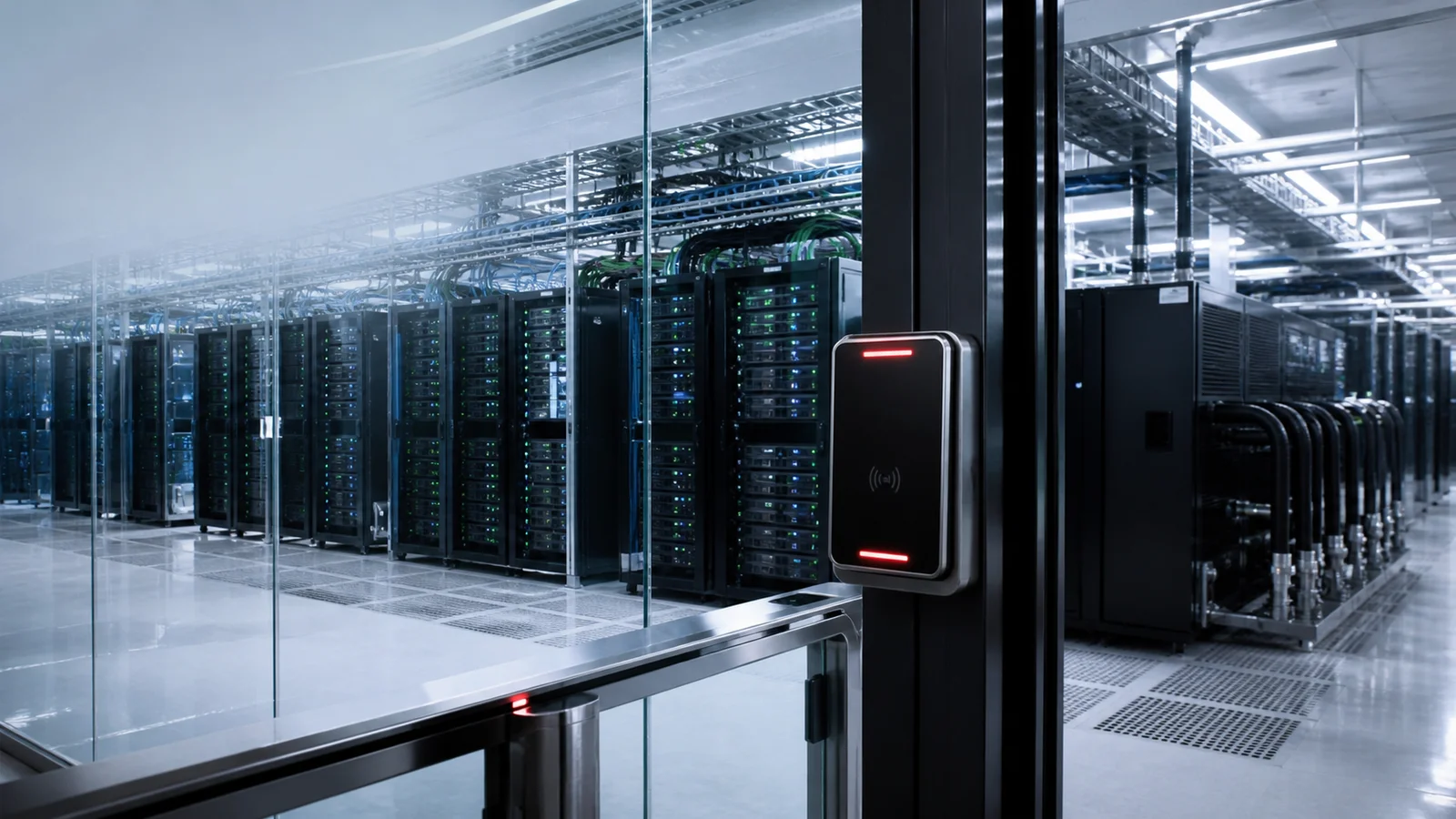
Super Micro's (SMCI) financial statements passed. Its internal controls failed for a third year.
BDO USA issued its third straight adverse opinion on Super Micro's internal controls, the same day it gave the company's fiscal 2026 financial statements a clean sign-off. Revenue grew 78% to $39.06 billion.
Nvidia (NVDA) owns $90.7 billion of other companies. Its public stock portfolio has lost $16.4 billion since June 30.
Nvidia's latest 10-Q carries $42.8 billion of marketable equity securities and $47.9 billion of funded private stakes, with $25 billion more committed but not yet paid in. Its June 30 13F positions have given back about $16.4 billion since, and a $105 billion guarantee on an OpenAI data center sits off the balance sheet entirely.
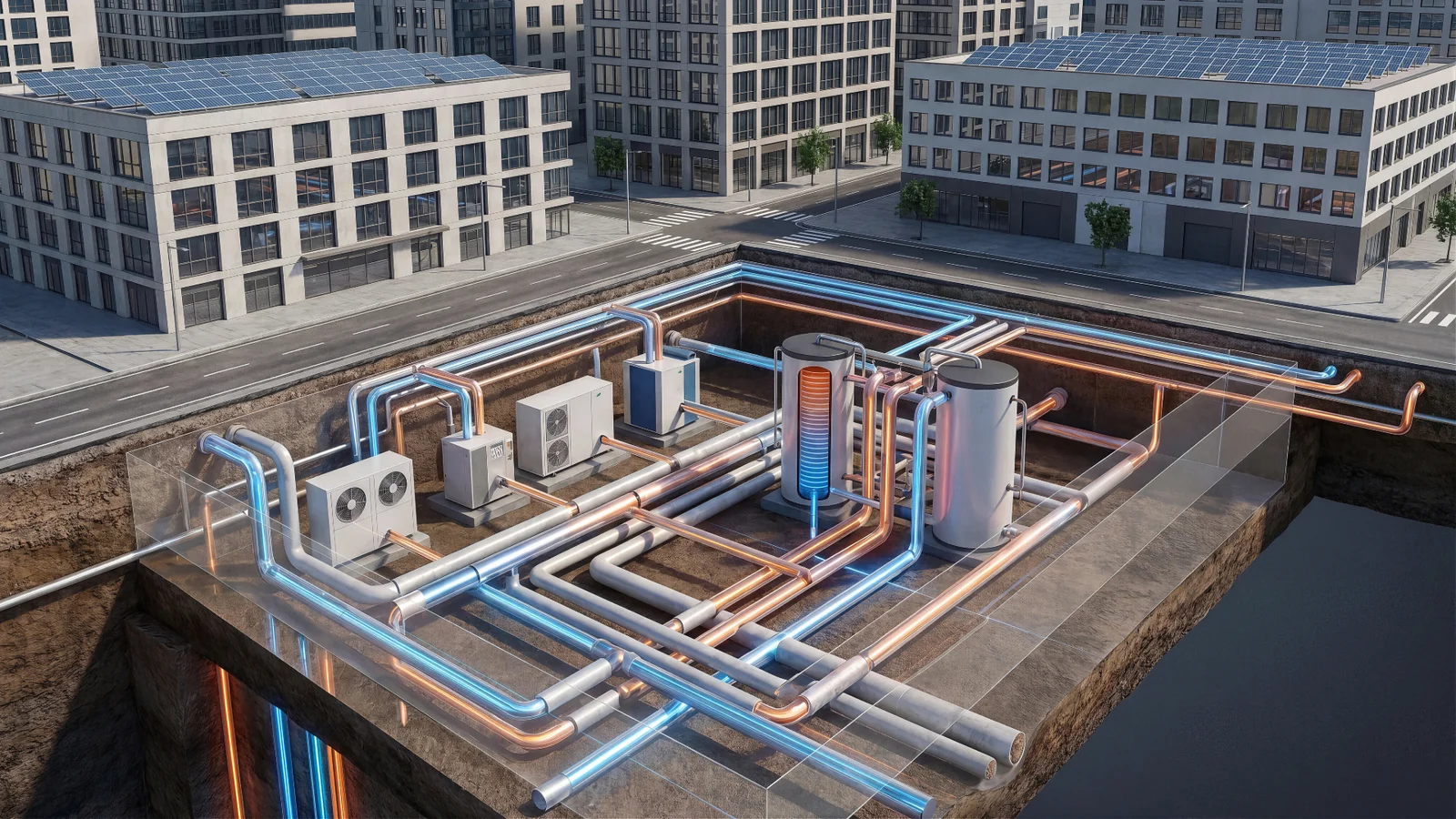
Fervo Energy (FRVO) signed the biggest geothermal deal ever. Google hasn't committed to the data center yet.
Google contracted 396 megawatts from Fervo's Cape Station project in Utah, the largest enhanced geothermal agreement on record. The data center it is meant to power remains subject to approvals and commercial conditions, and most of the headline 1 gigawatt is an option.
Nvidia (NVDA) expects physical AI revenue to grow from $10 billion to $100 billion in a decade. It made $96 billion last quarter.
Nvidia VP Deepu Talla told the FT the company expects physical AI revenue to rise from $10 billion to $100 billion over the next decade. Nvidia reported $96.2 billion of revenue last quarter, which puts the ten-year target at about one quarter of current sales.
Bank of America (BAC), Goldman Sachs and 19 other firms plan a joint dollar stablecoin for 2027. Circle (CRCL) and Coinbase (COIN) fell Tuesday.
Twenty-one banks and asset managers committed Tuesday to establish a company that will issue a US dollar stablecoin, with a market launch targeted for the first half of 2027. JPMorgan is not part of it. Circle and Coinbase both fell.
China's solar passed coal by one gigawatt. Musk cited the build at the G20. It's down 66%
China's installed solar capacity passed coal for the first time at the end of July, by one gigawatt out of more than 1,280. The more useful number sits underneath it. Installations fell 66% in the first half of 2026, and the industry association has the full year heading for the first annual contraction since 2019.
Korean investors can no longer see SOXL's price during their own trading hours. They bought $1.36 billion of it in one week.
Blue Ocean, the US venue behind Korea's daytime trading in American stocks, made 18 symbols unavailable from September 1. Four of them, SOXL, KORU, SNDU, and RAM, are funds Korean investors buy constantly.
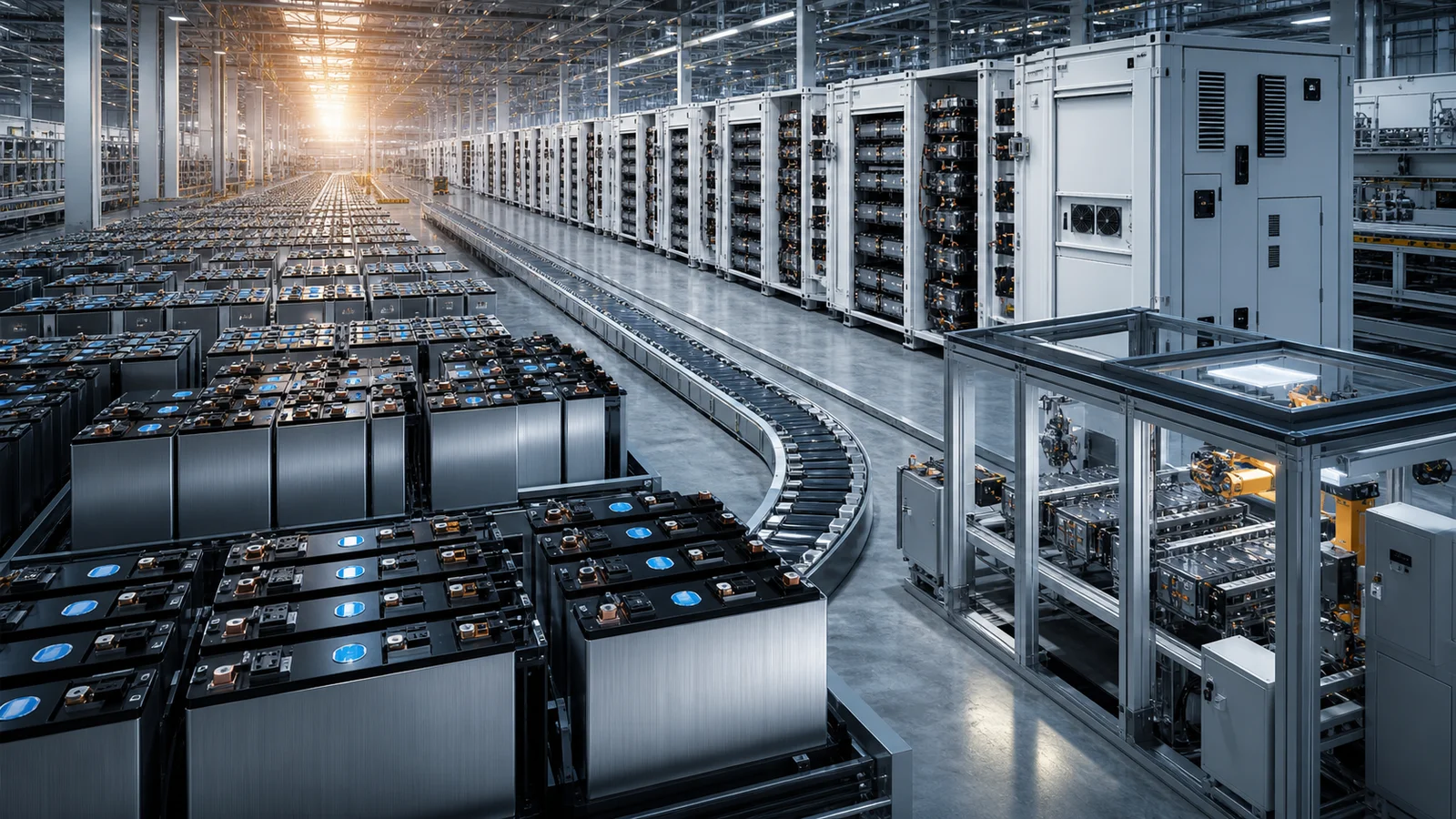
NeoVolta (NEOV) rose 27% on a $1 billion battery deal. It is the one writing the checks.
NeoVolta jumped 26.9% after agreeing to a five-year battery deal with Korea's SK On. The $1.09 billion the Korean press attaches to it is an estimate of what NeoVolta would pay SK On, not revenue it collects, and neither company disclosed a figure.
Anthropic's $35 billion Lambda deal runs through Hut 8's (HUT) mystery Texas campus, WSJ reports
The Wall Street Journal reports Anthropic signed a $35 billion cloud deal with Nvidia-backed Lambda. Nvidia is leasing the 704MW Hut 8 (HUT) campus in Texas that carried a $19.6 billion lease with no named tenant, and HUT rose about 3.5% after hours.
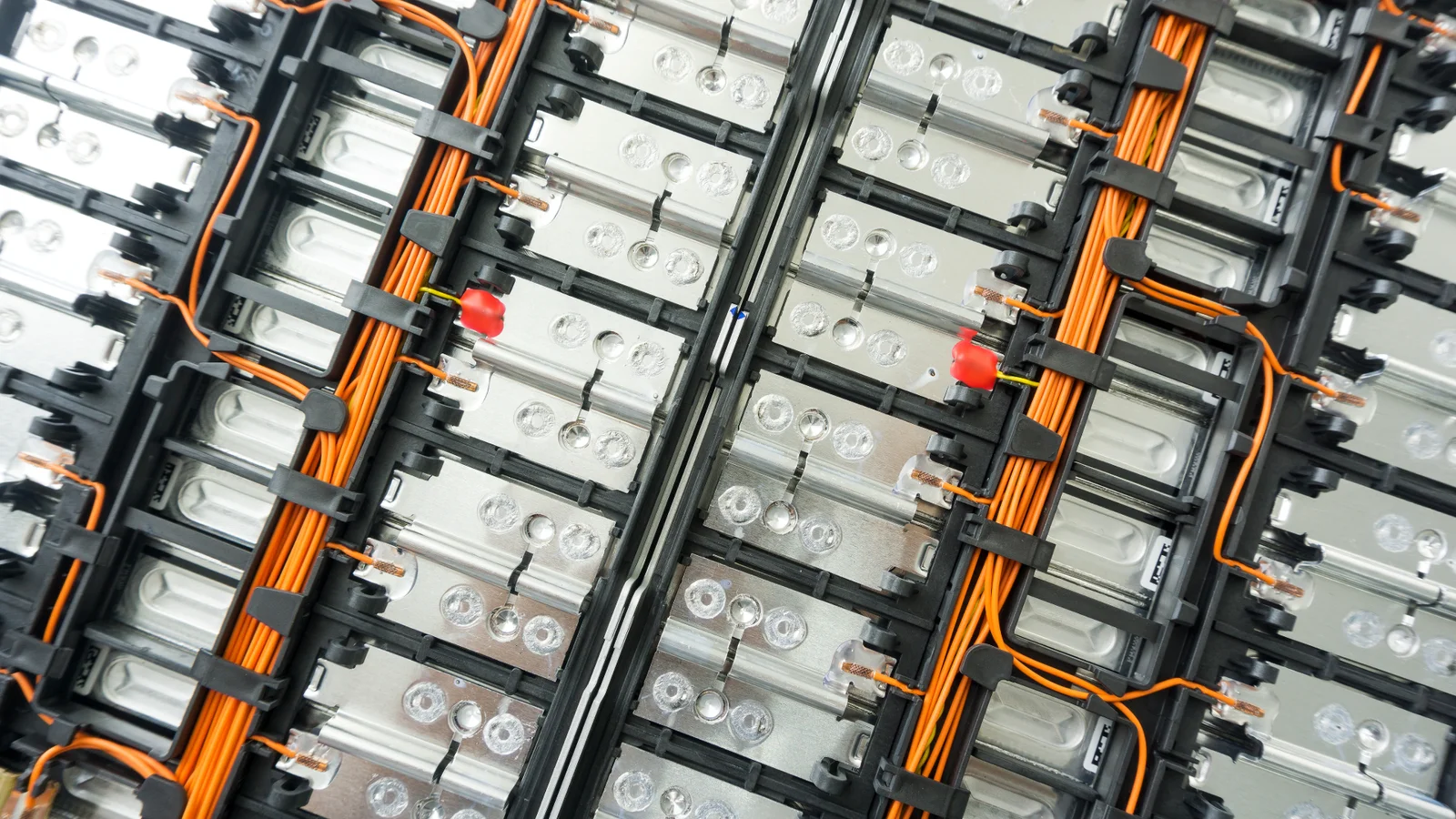
SK Innovation jumps 7% as SK On lands estimated $1.1 billion US battery storage order
SK On will supply 9 GWh of LFP cells to NeoVolta Power from 2027 to 2031, a deal the Korean press values near 1.5 trillion won ($1.09 billion). It is nine times its first US storage contract, and SK Innovation closed up 7.36%.
Apple (AAPL) says its stolen schematic helped an AI agent at OpenAI cut a day of engineering to two hours
Apple filed new evidence Monday alleging a former engineer used a confidential Apple circuit schematic at OpenAI, and that messages show his AI agent learned to run the simulations. OpenAI has moved to dismiss and denies holding any Apple trade secrets.
Why SanDisk (SNDK) went from red at 3:15 to up 5.7% at the August 31 close
SanDisk was down at 3:15 p.m. Monday and closed up 5.7% at $1,569.61 after its MSCI World inclusion triggered a burst of closing-auction demand.
The FTC and 22 states are suing Amazon (AMZN) for allegedly inventing a bidder to raise ad prices
The FTC and 22 states sued Amazon on Monday, alleging a hidden surcharge in its search ad auctions extracted tens of billions of dollars from more than a million advertisers over seven years. The complaint quotes Amazon's internal documents throughout.
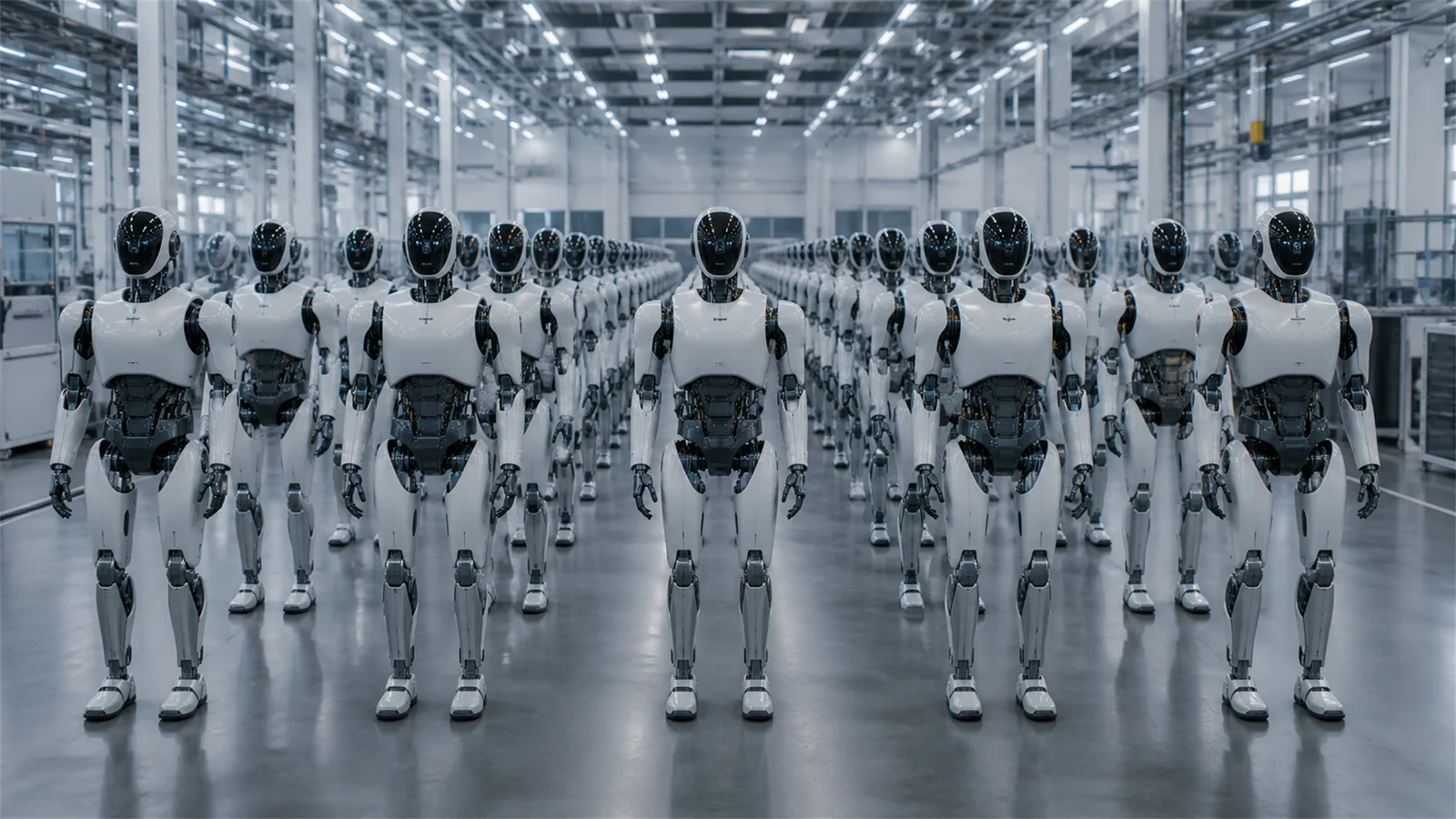
Goldman Sachs raises its 2035 humanoid robot forecast nearly fivefold to 6.48 million units
Goldman now sees 6.48 million humanoid robots shipping in 2035, up from 1.38 million, a $138 billion market. The driver is a price curve crossing labor costs, and Amazon's $72 billion in modeled savings is the proof it already works.