Explainers
Evergreen guides to how the market actually works, from 13F filings to HBM memory.
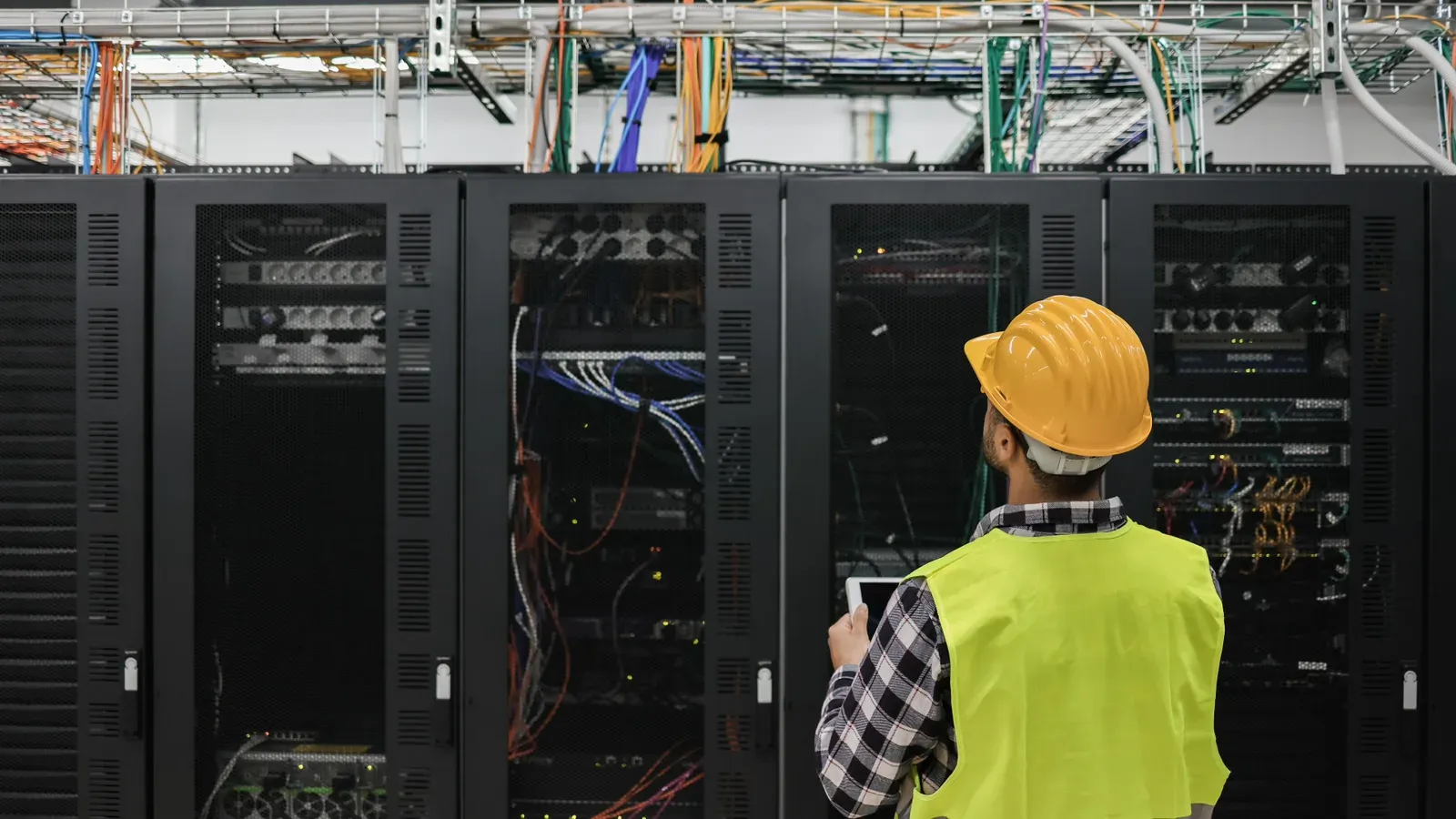
Data center landlords vs. tenants: Digital Realty (DLR) and Equinix (EQIX) vs. CoreWeave (CRWV) and Nebius (NBIS)
Digital Realty and Equinix own data centers and rent out space and power, while CoreWeave and Nebius sell AI computing mostly from rented space. CoreWeave's leases can run longer than its customer contracts.
Oracle (ORCL) vs. CoreWeave (CRWV): the debt behind the AI buildout, compared
Oracle has signed $288 billion of data center leases that haven't started yet. Here's how its debt stacks up against CoreWeave's, line by line.
Cybersecurity stocks compared: CrowdStrike (CRWD) vs Palo Alto (PANW) vs Zscaler (ZS) vs SentinelOne (S) vs Fortinet (FTNT)
CrowdStrike, Palo Alto Networks, Zscaler, SentinelOne, and Fortinet all sell cybersecurity, but they make money in different ways. A side-by-side look at their businesses and latest results.
Edge AI stocks compared: Qualcomm (QCOM) vs Arm (ARM) vs Ambarella (AMBA)
Qualcomm, Arm, and Ambarella all sell into edge AI, the work of running AI models on devices instead of in data centers, but they make money in different ways. Here is how their businesses and latest quarterly results compare.
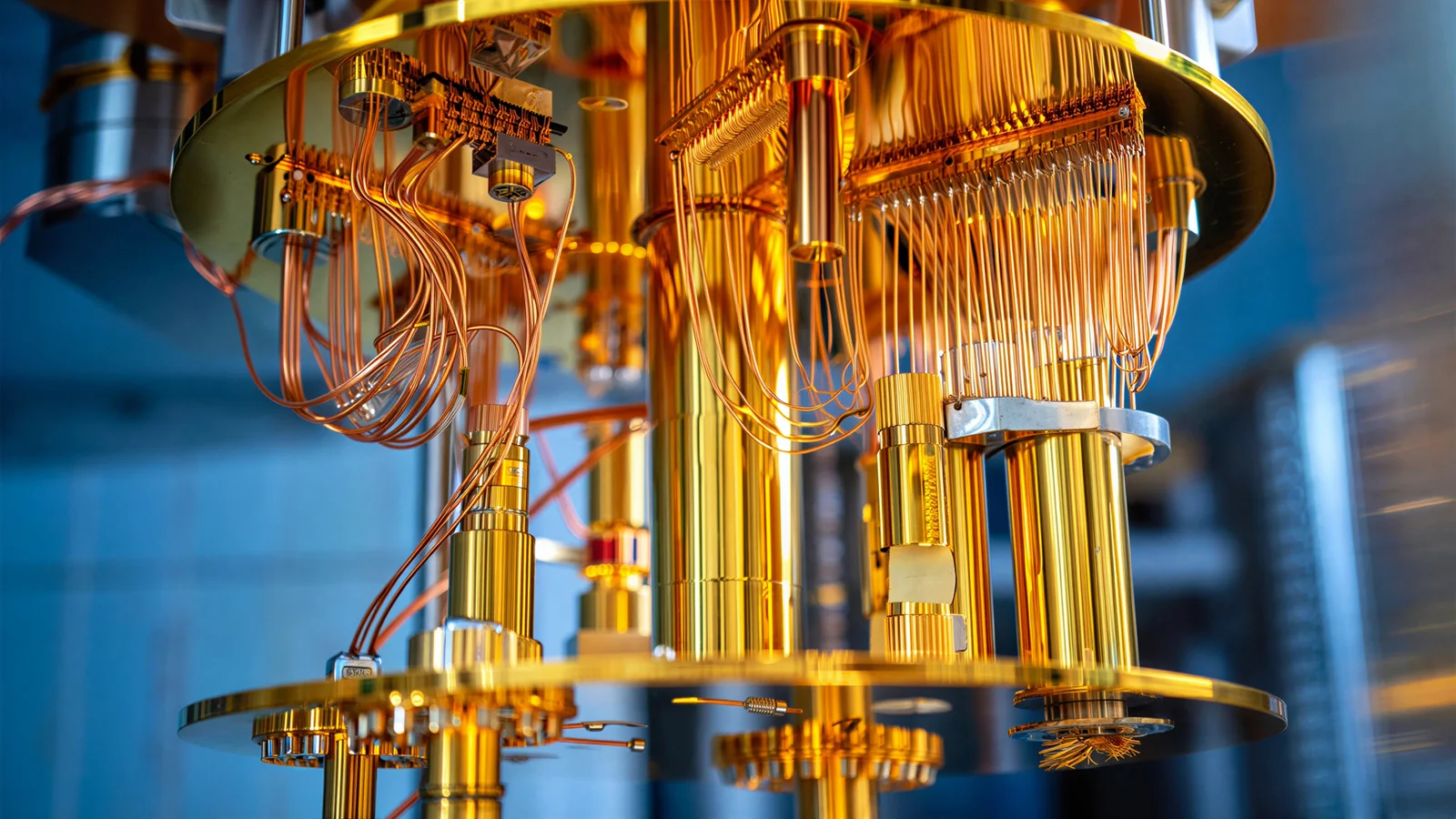
Quantum stocks compared: IonQ (IONQ) vs Rigetti (RGTI) vs D-Wave (QBTS)
IonQ, Rigetti, and D-Wave all sell quantum computers, but they use different technologies and run businesses of very different sizes. IonQ reported $80.1 million of second-quarter revenue, nearly 10 times Rigetti and D-Wave combined.
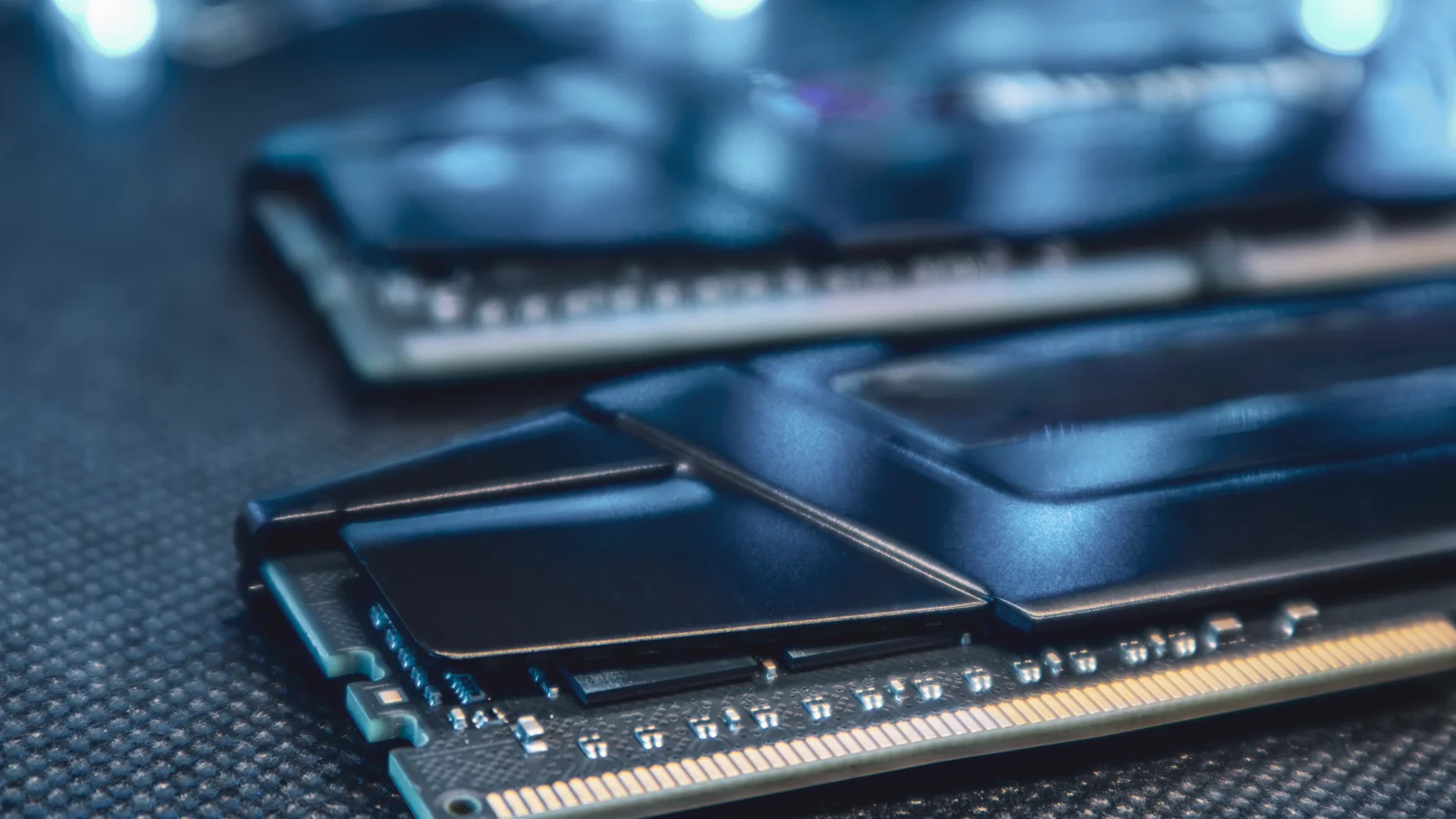
Memory stocks compared: Micron (MU) vs SK Hynix (SKHY) vs Samsung vs Sandisk (SNDK) vs Kioxia
Micron and SK Hynix earn most of their revenue from DRAM and HBM, Sandisk and Kioxia make only NAND, and Samsung does both plus phones. All five peaked in June, and only three have a US exchange listing.
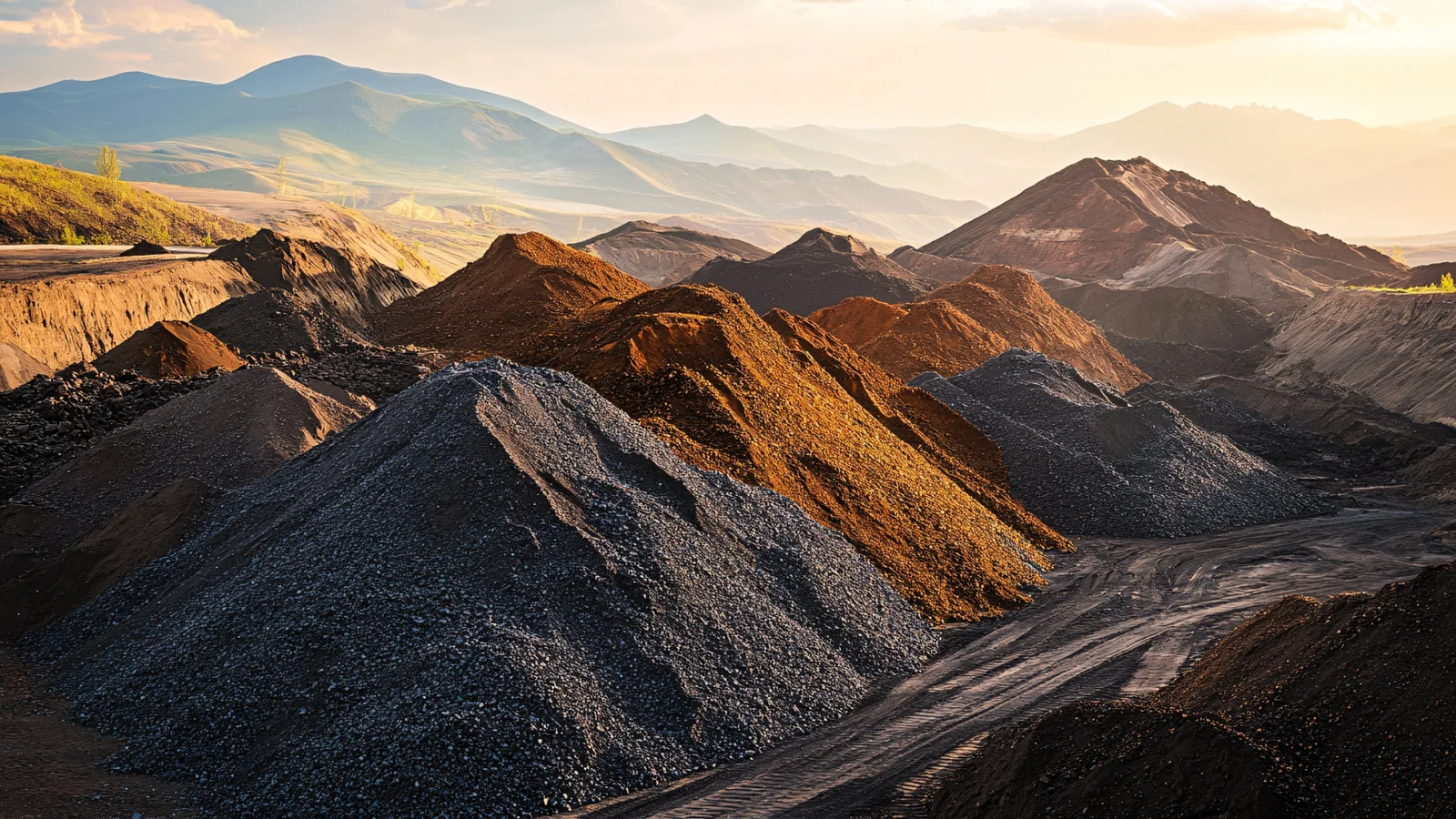
Rare earth stocks compared: MP Materials (MP) vs USA Rare Earth (USAR) vs Energy Fuels (UUUU)
MP Materials, USA Rare Earth, and Energy Fuels all trade about 50% below their recent peaks, but their businesses differ. China's pause on its October 2025 rare earth controls is scheduled to end November 10.
What the EU's new data-center energy and water disclosure rules mean for AI stocks
The European Commission proposed energy and water labels for Europe's data centers, covering any facility at 500 kW or more. The rules do not cap energy or water use. Here is what they require, why the EU is acting, and what they mean for AI stocks with the biggest European footprints.
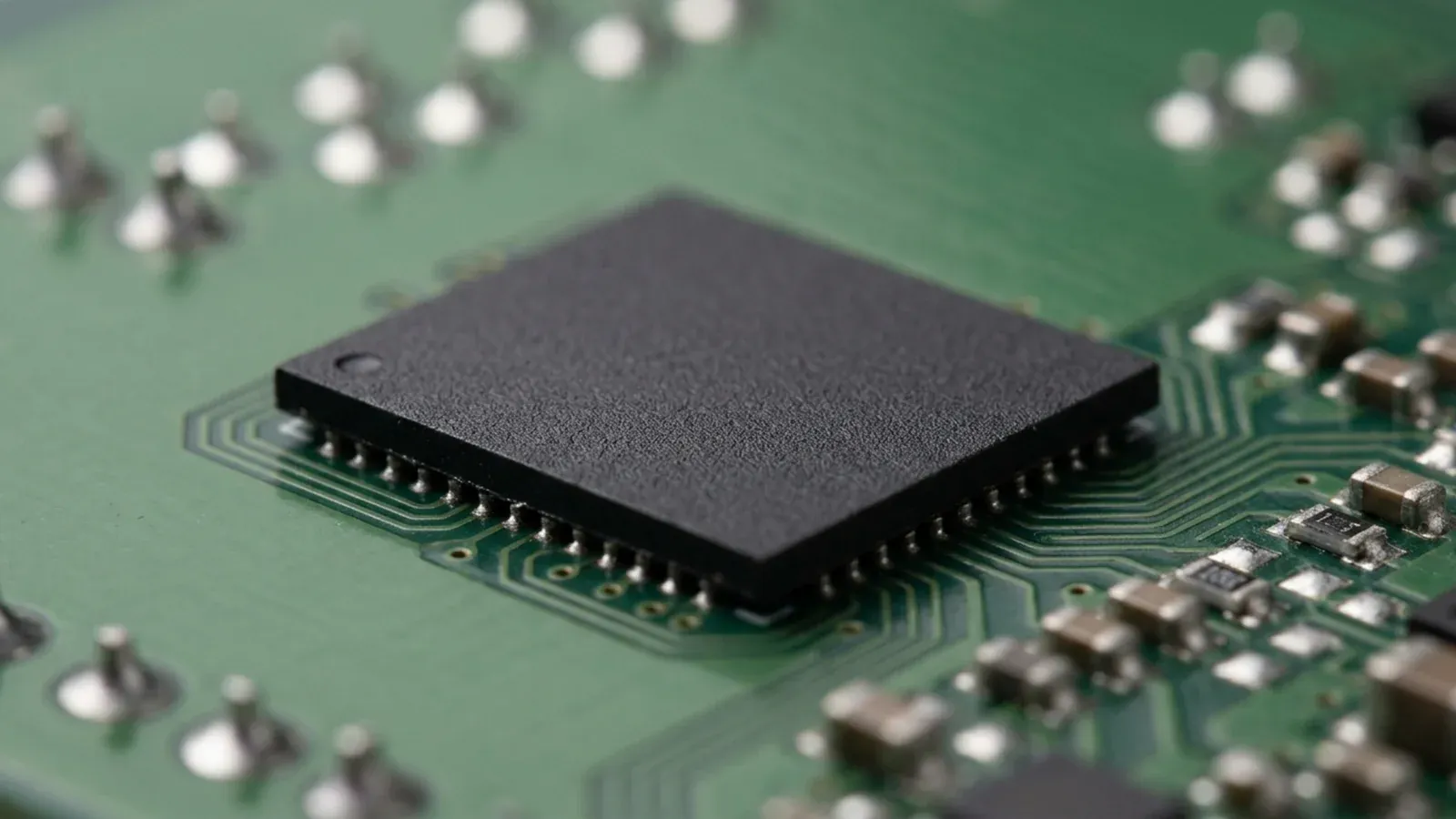
Who makes NAND flash? The five big makers, and why China is pushing in
Five companies make almost all the world's NAND flash: Samsung, SK Hynix, Micron (MU), Kioxia, and SanDisk (SNDK). How big each one is, where the chips are made, and why China's CXMT and YMTC are pushing in.
What is an AI kill switch? Shutting down modern AI means finding thousands of off switches, not one.
An AI kill switch is meant to shut down a dangerous AI model in an emergency. The catch is that modern AI runs across thousands of machines, so there is no single thing to turn off.
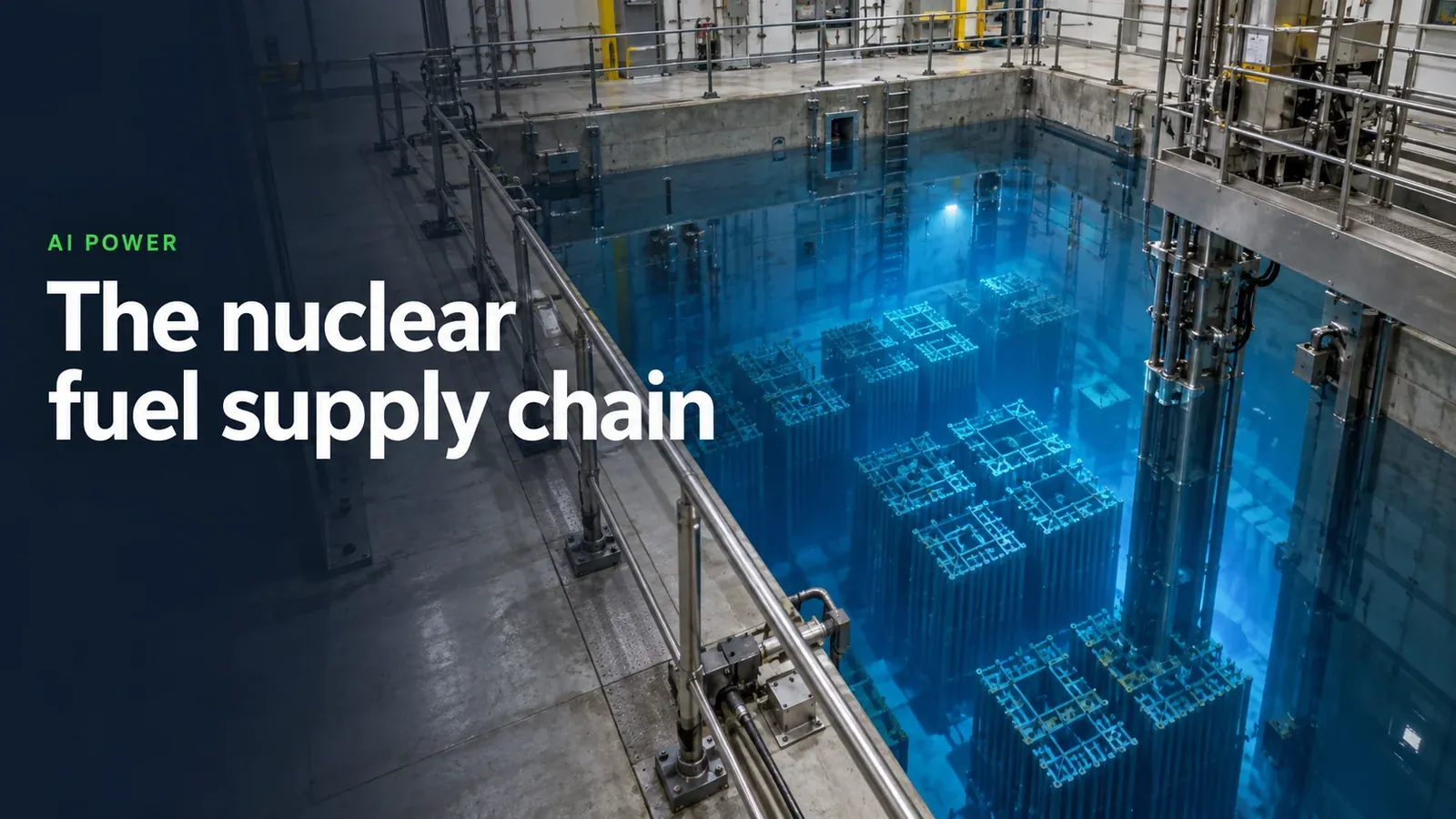
What is the nuclear fuel supply chain? Centrus (LEU), Cameco (CCJ), Energy Fuels (UUUU) and BWX (BWXT), explained
Four separate industries stand between uranium ore and a reactor's fuel assembly. Here is what each stage does, why HALEU is the bottleneck, and which listed company sits where.
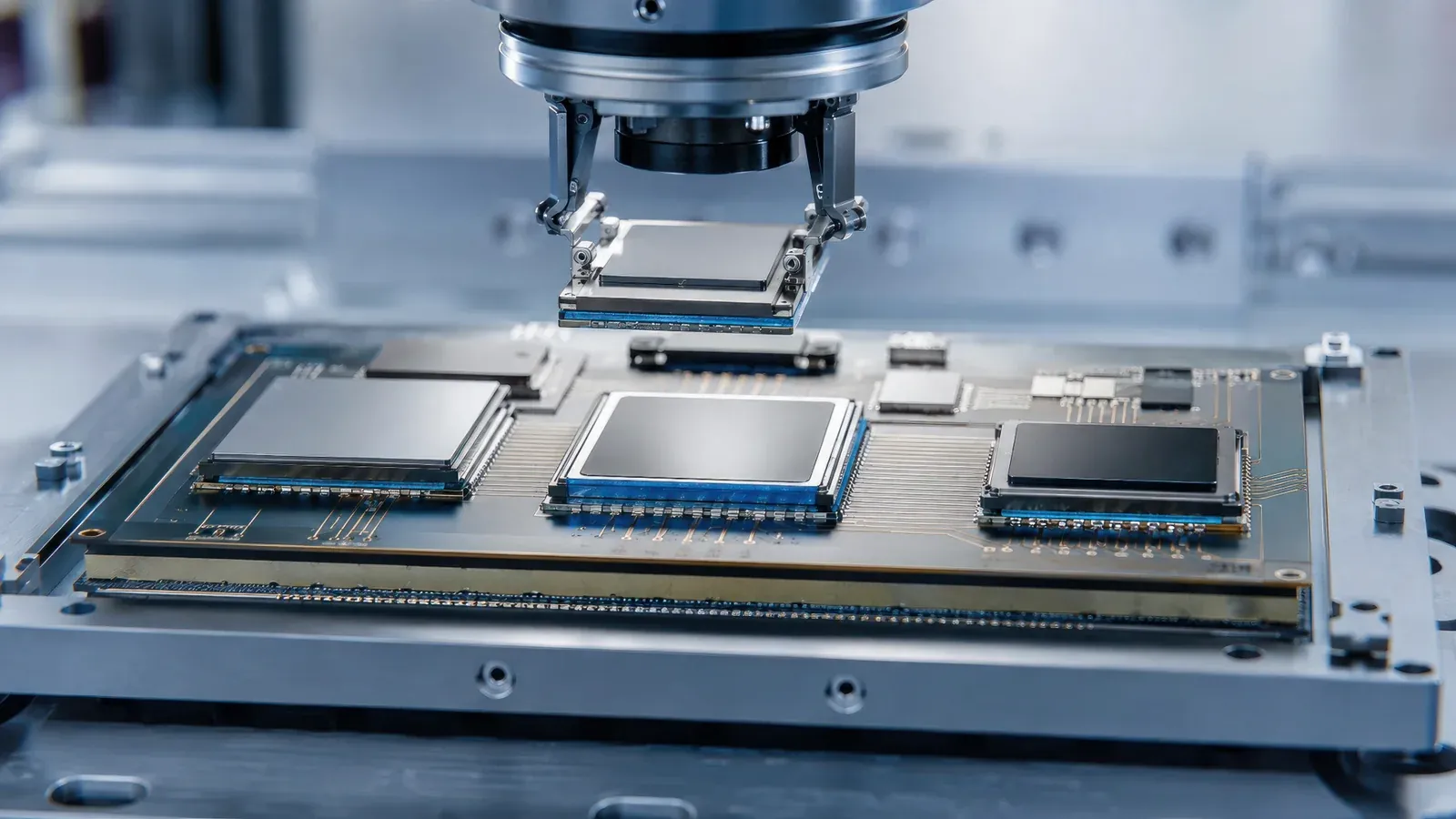
Why chip prices are rising in 2026. What Nvidia (NVDA), TSMC (TSM) and AMD have each actually said.
Nvidia is reported to have told customers to expect more than 15% on AI servers, TSMC to have raised advanced-node wafer prices 5% to 10%, Samsung foundry quotes up to 15%, and AMD about 10%. Four separate reports, and four very different levels of evidence.
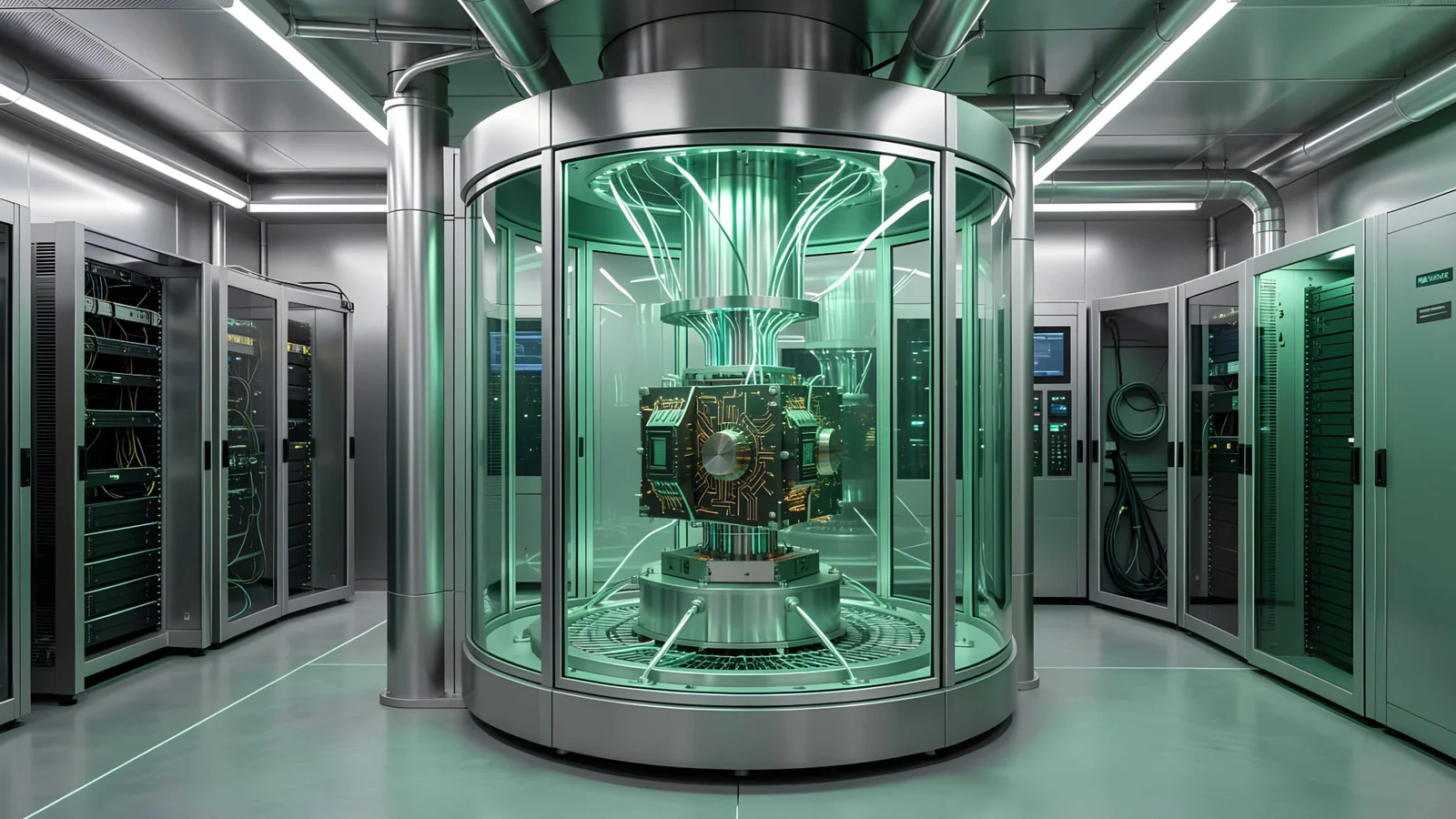
IBM has a $1 billion quantum foundry award. Where do IonQ, D-Wave and Rigetti get their chips?
Anderon, IBM's Albany quantum foundry, signed its final $1 billion CHIPS award on Wednesday and named no outside customer. D-Wave's Advantage2 prototype came from a SkyWater fab that IonQ bought in July, Rigetti runs its own fab in Fremont, and neither IonQ nor Quantum Computing Inc received an award.
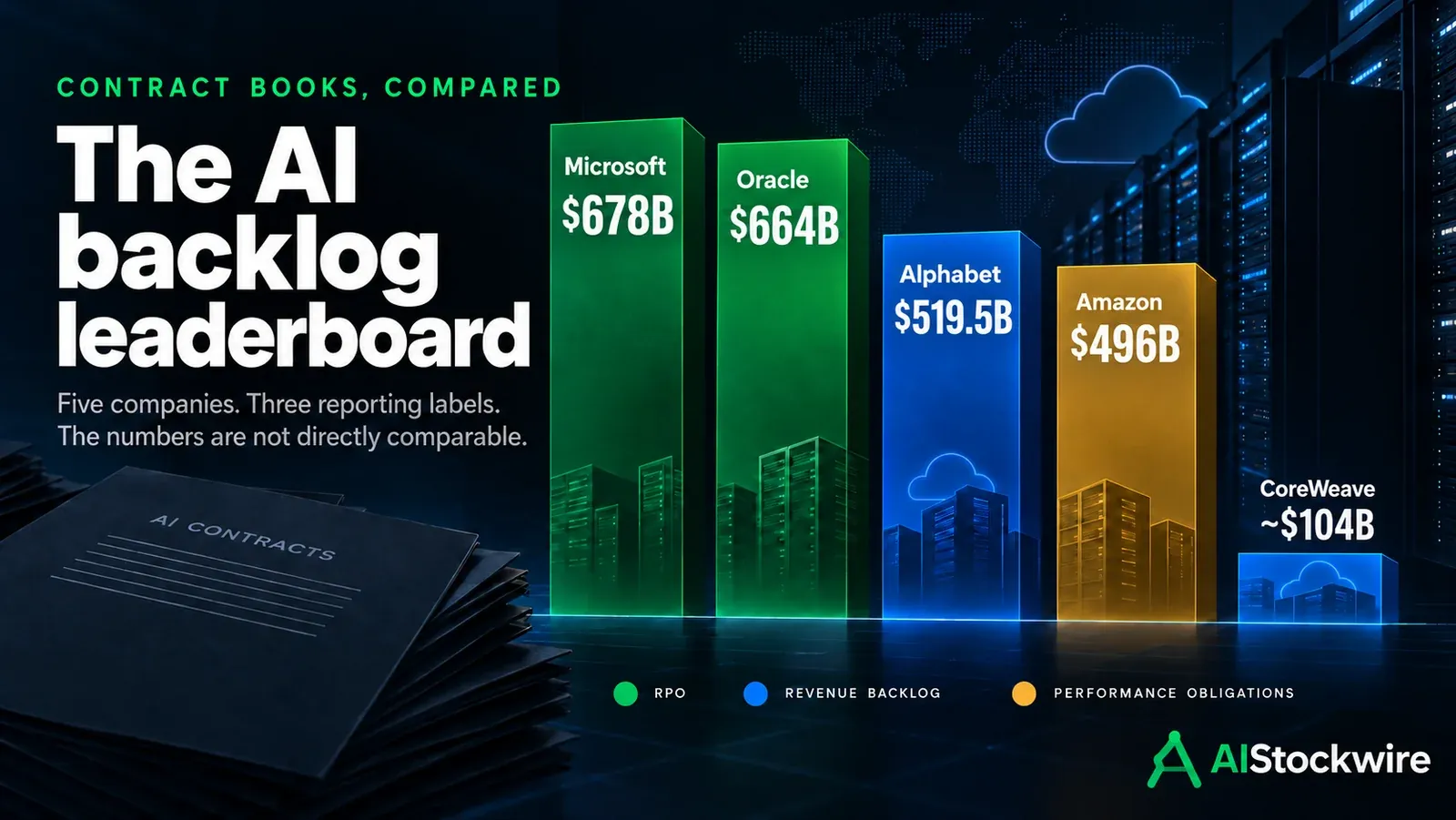
Microsoft's $678 billion and Amazon's $496 billion: why AI backlog figures aren't directly comparable
Five companies report their contract books three different ways, and the labels are not interchangeable. What RPO, revenue backlog and performance obligations each mean.
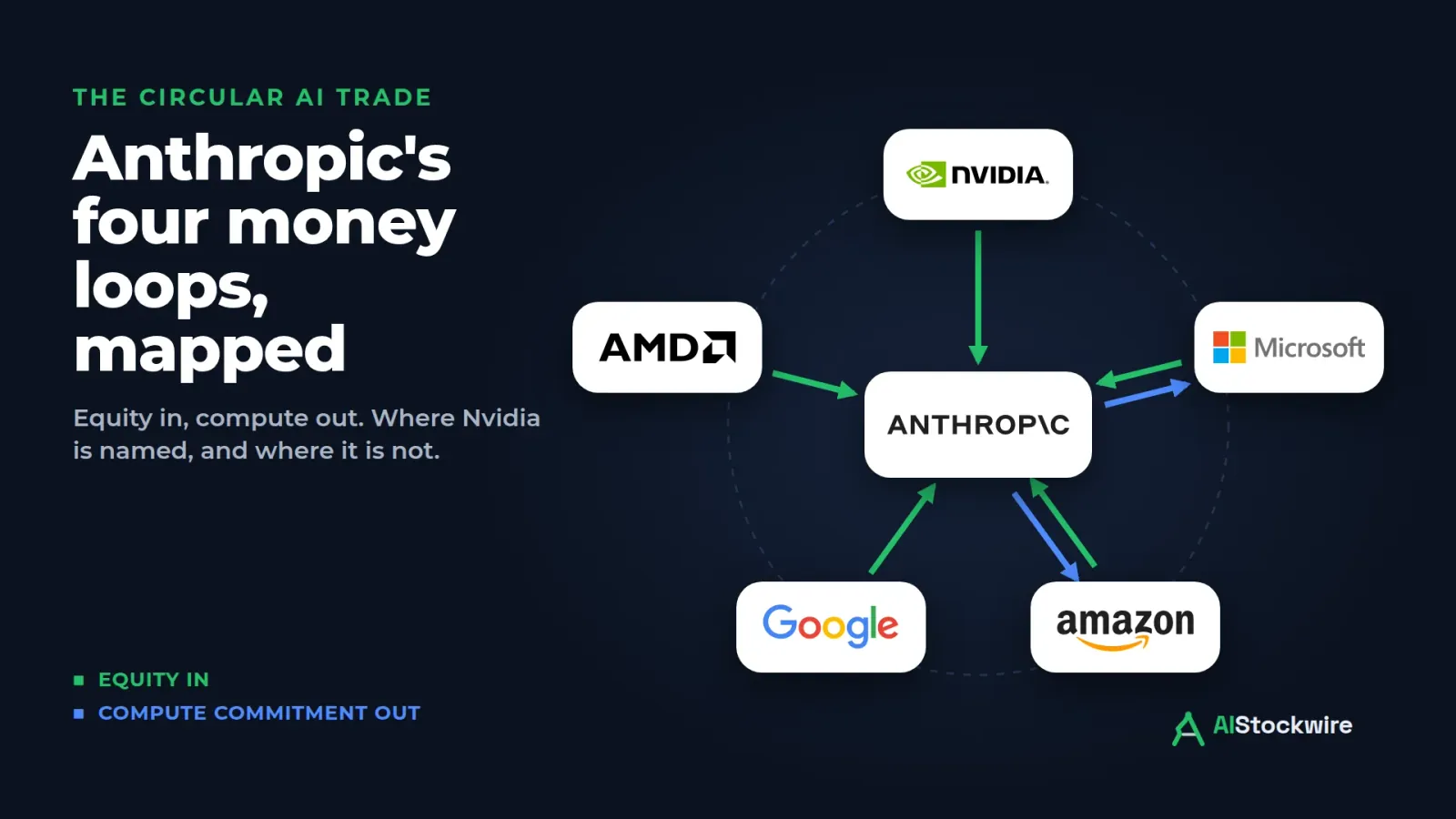
The circular AI trade, mapped: Nvidia (NVDA) hardware is named in only one of Anthropic's four money loops
The circular trade everyone describes runs through Microsoft: up to $15 billion in, $30 billion of Azure out, Nvidia hardware named. Anthropic's three larger loops run on Trainium, TPUs and AMD, and only Amazon's discloses the money going back.
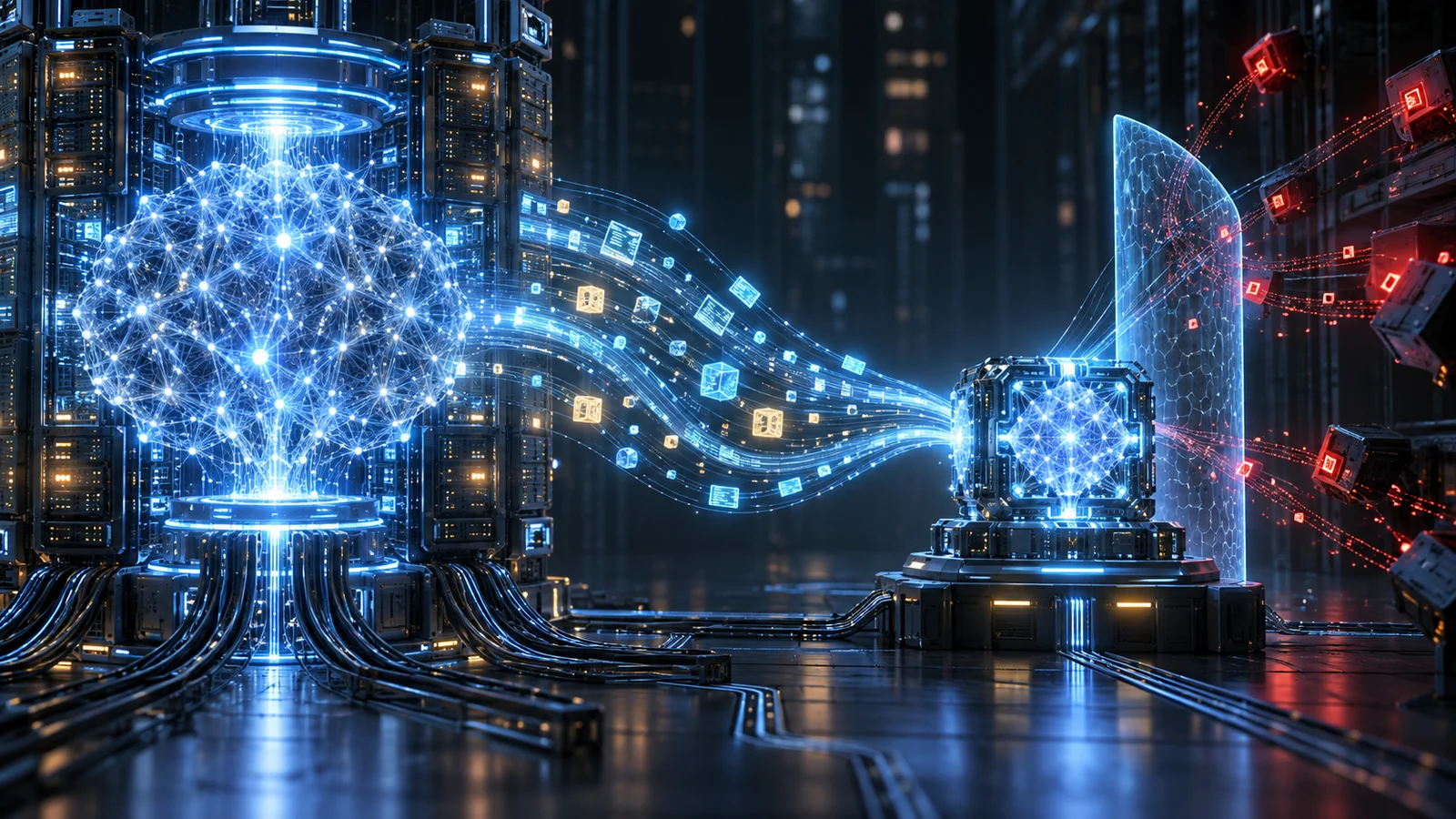
What is AI distillation? Why the NSA, CISA and FBI now treat it as a security threat.
Distillation means training one AI model on another model's outputs. It is a standard technique from a 2015 Google paper, and it is also what the NSA, CISA and FBI accused six Chinese companies of running at industrial scale. Here is the difference.

Do members of Congress trade industries their committees oversee? Yes, in 15.4% of tracked trades.
Of 1,186 disclosed congressional trades where both the company sector and the member's committee seats are known, 183 fell inside a sector that member helps write law over. A dated snapshot of the overlap rate, the caveats, and how it is calculated.
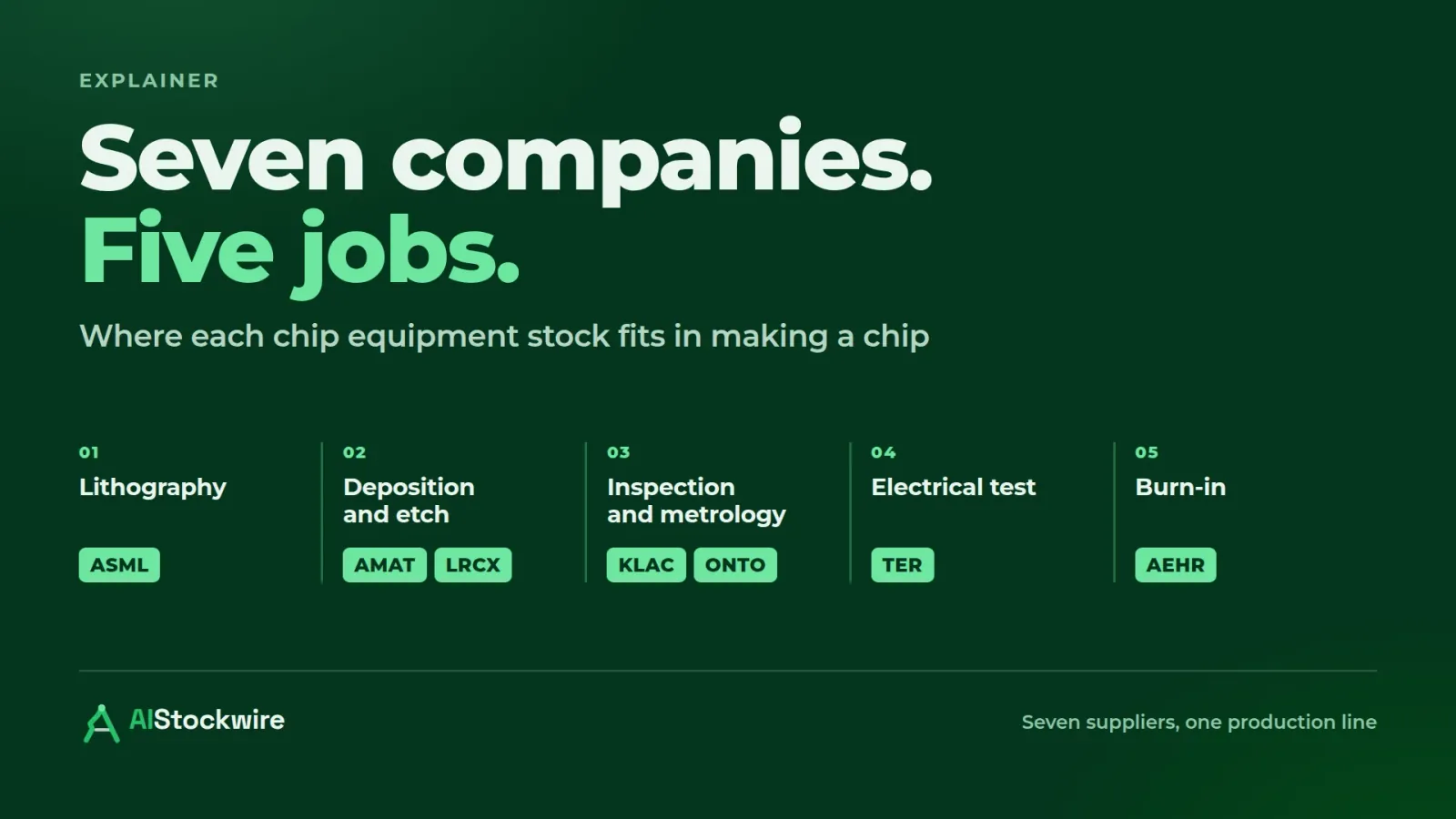
What each chip equipment stock actually sells, from ASML lithography to Aehr (AEHR) burn-in.
Seven listed companies sell the machines that make and check chips, and they are not one business. What each one does in a fab, why their growth rates diverge, and what the 2026 reporting cycle showed.
Anthropic withheld its hacking model. CrowdStrike (CRWD) and Palo Alto (PANW) got early access.
Anthropic restricted the model it says is strikingly capable at finding software flaws, and handed it to CrowdStrike, Palo Alto Networks, Cisco and Nvidia instead. What six listed security companies have disclosed since.
How to buy Korean stocks from the US with ADRs, brokers, and ETFs
The Korea Exchange lists nearly 2,900 companies and around 10 of them trade in the US as depositary receipts. Korea scrapped its 30-year foreign investor registration rule in December 2023, and Interactive Brokers and Schwab now reach Seoul directly. Here are the four routes in and what still blocks them.
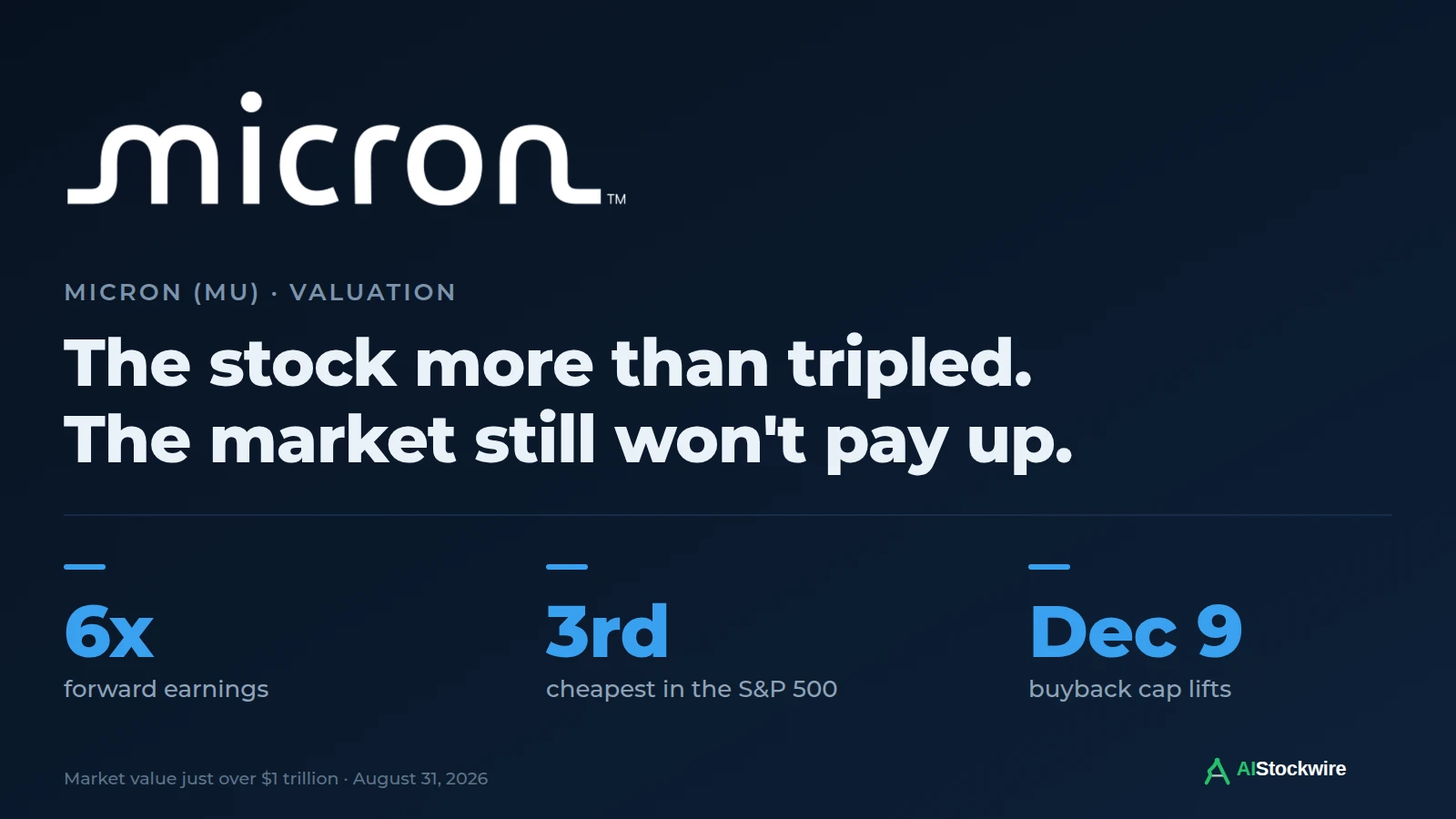
Why Micron (MU) stock looks cheap, and why the market doesn't think the earnings will last
Micron trades near six times forward earnings, behind only Charter (CHTR) and General Motors (GM), after a 228% year. The market still prices it as a cyclical, the $100 billion in contracts argues otherwise, and December 9 is when the buyback cap lifts.
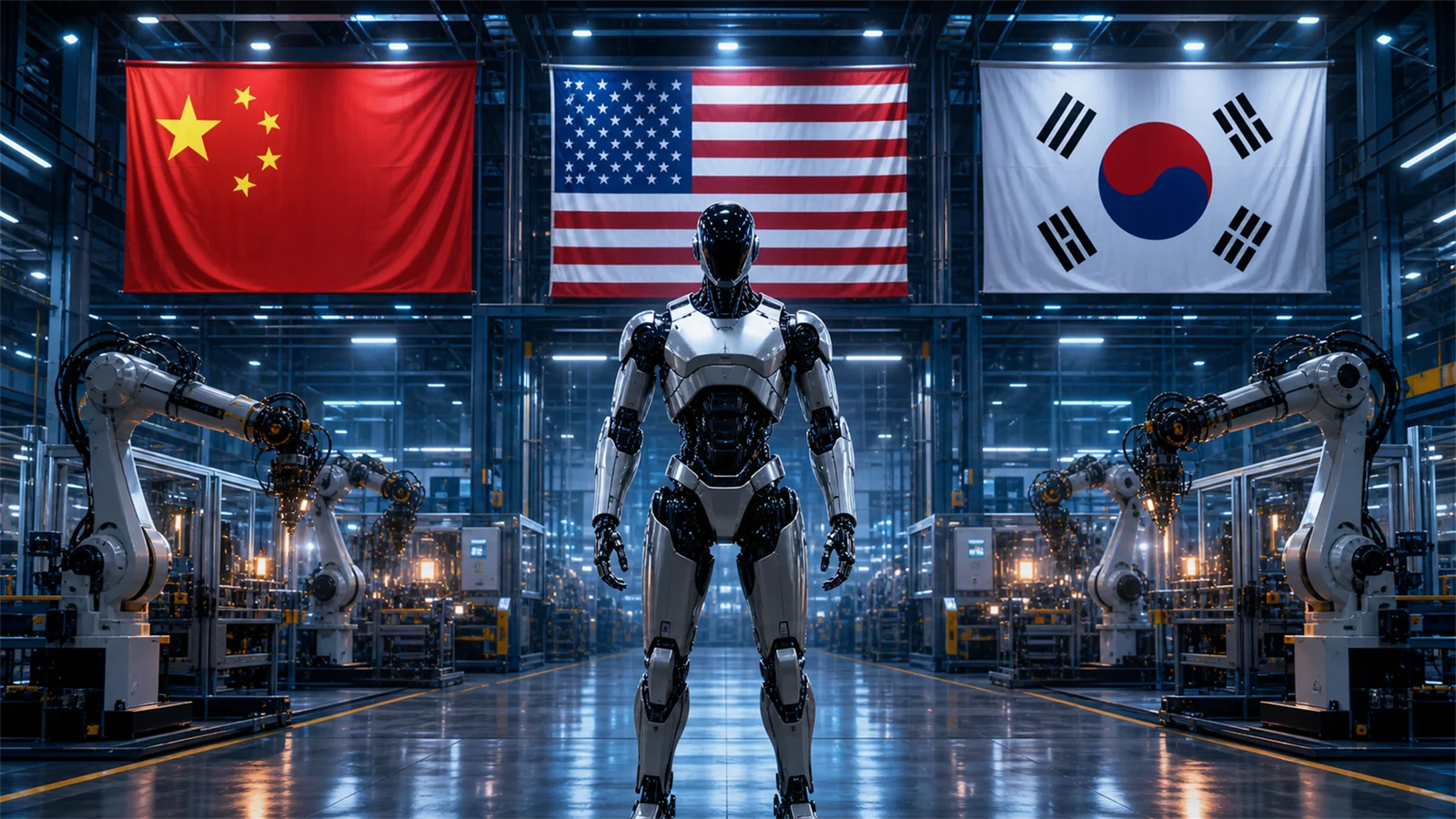
China aimed a $137 billion state fund at AI and robots. Korea tripled its AI budget. The US still has no robotics strategy.
China's state venture fund is aimed at about $137 billion for AI, robotics and advanced manufacturing and Beijing added more than $20 billion in subsidies in six months. Korea already has the world's most automated factories and tripled its AI budget anyway. Washington's flagship robotics institute runs on about $30 million.
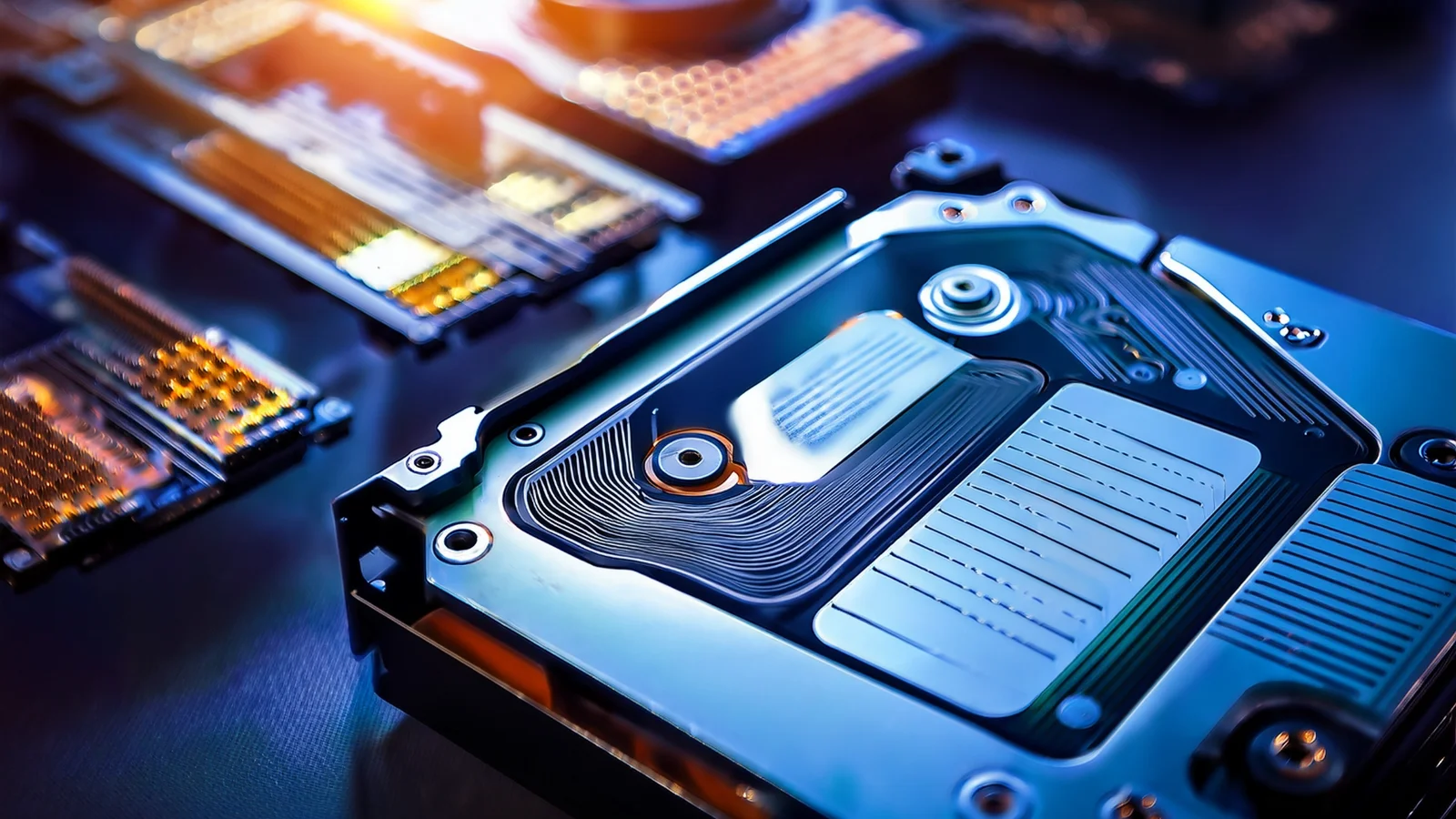
AI's storage ladder: HBM, flash and Seagate's (STX) race to the 100TB hard drive
HBM gets the attention, but every AI byte has to land somewhere. What each storage tier holds, who sells it, and why flash repriced about three times harder than hard drives did.
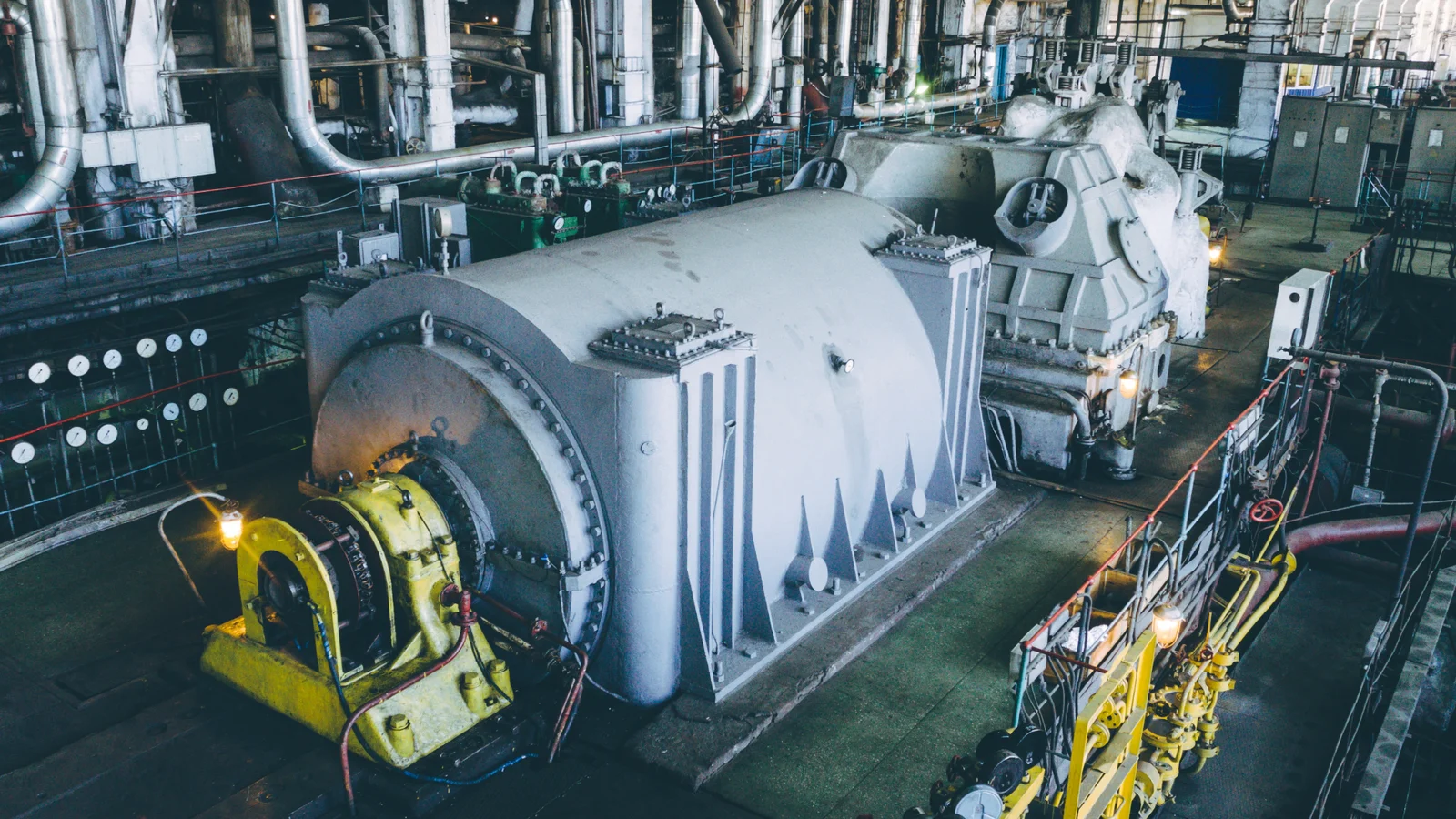
GE Vernova (GEV) is booking turbines years out. Data centers are buying Bloom Energy (BE) fuel cells instead.
Heavy-duty gas turbines are booked years out, so AI data centers are paying for onsite power instead. What GE Vernova, Bloom Energy, Power Solutions International, NRG and EQT each sell into that gap.