Columns
Portfolio Watch and personal columns from AIStockWire writers, with positions disclosed.
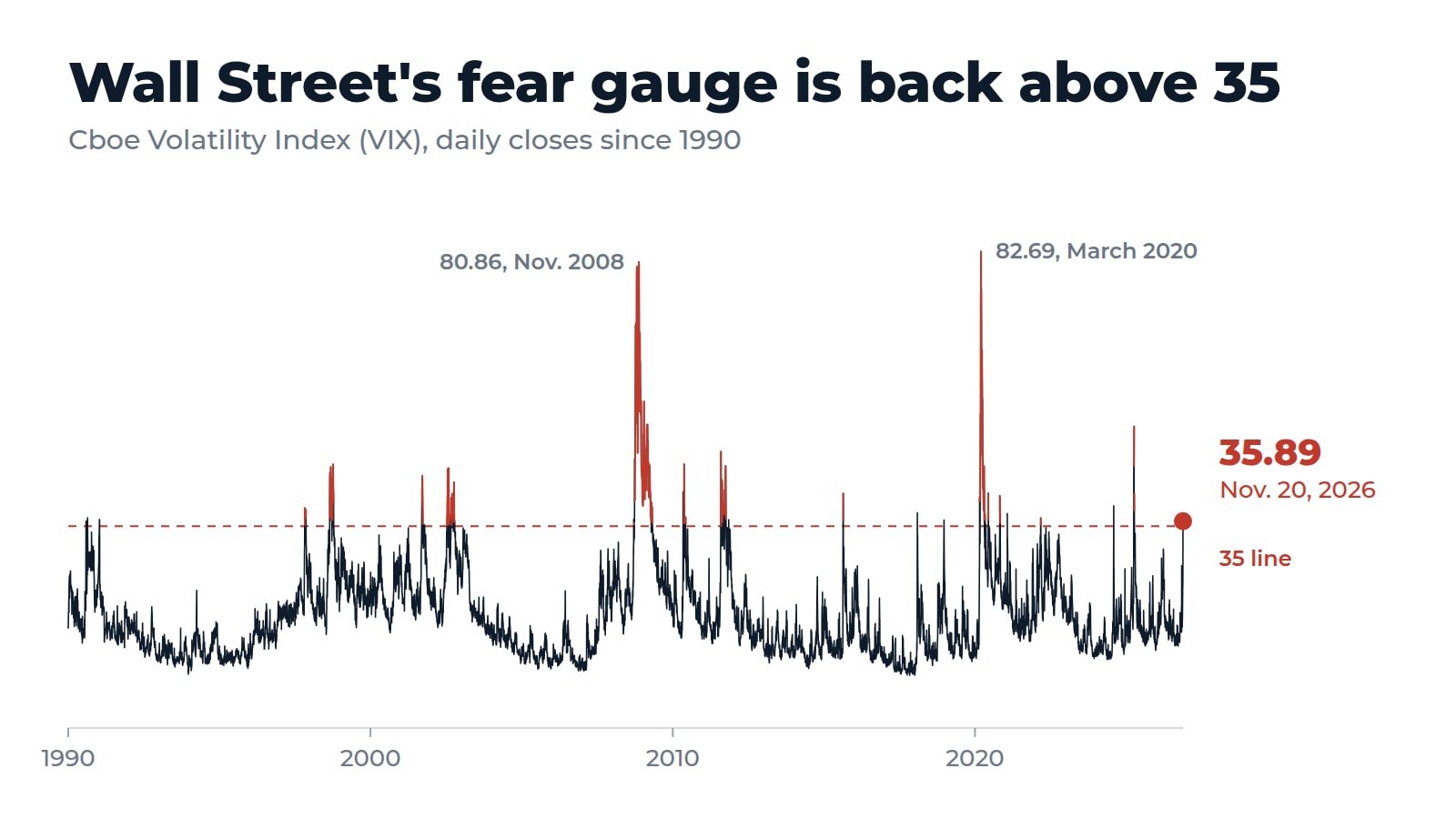
I called Anthropic's IPO the top for AI stocks. A VIX above 35 has me rethinking the call.
In July, I called the Anthropic IPO the top of this AI cycle. With the VIX at 35.89, I checked what stocks did after 17 earlier VIX spikes above 35 since 1990.
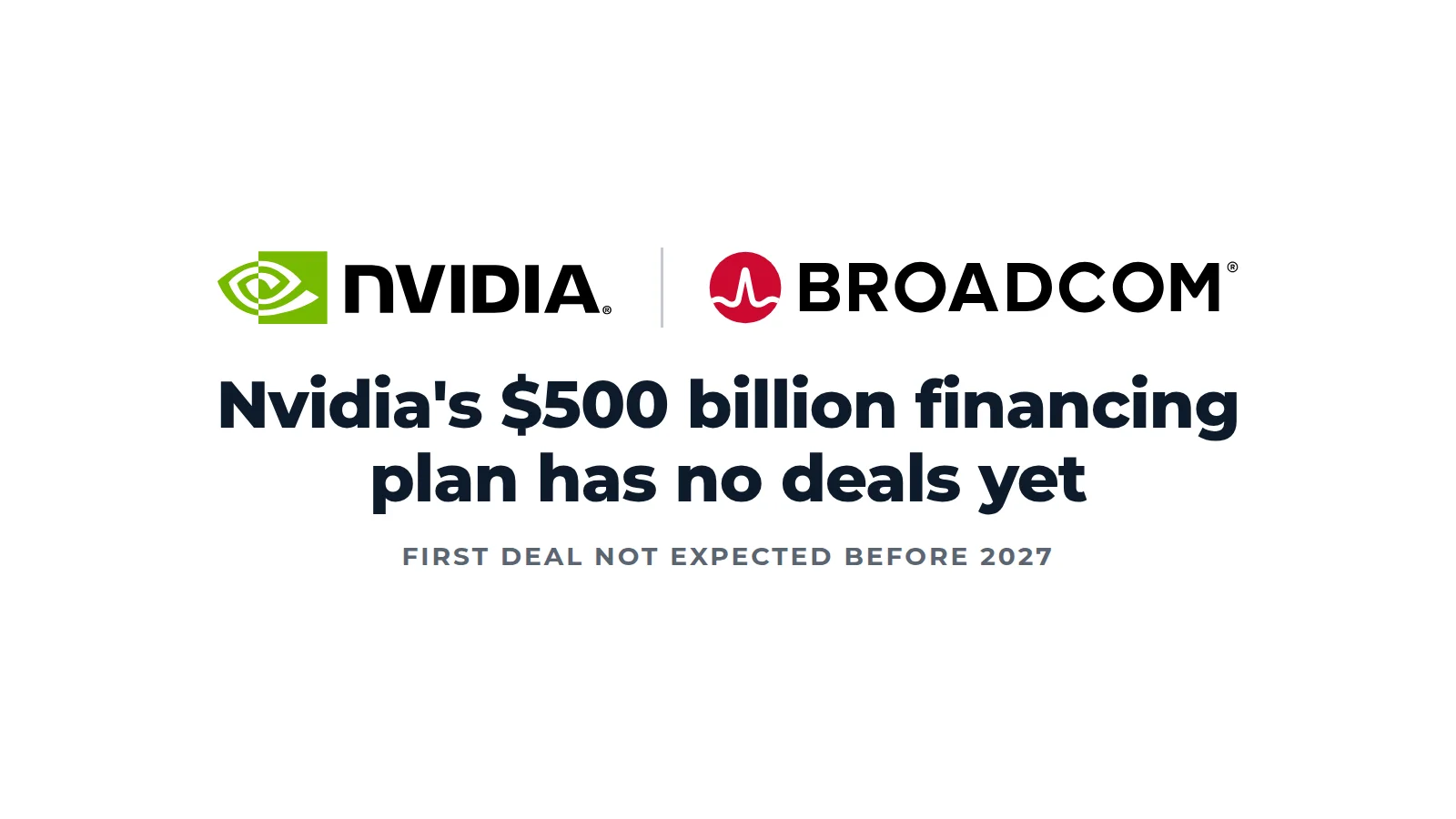
Nvidia's (NVDA) $500 billion AI financing plan has yet to close a deal
No deals have closed under Nvidia's $500 billion chip-financing plan, the WSJ reported. Huang said Nvidia may offer support of up to 25% in some cases. Broadcom's filings show 85% and 72.5% backstops on Anthropic deals that got funded.
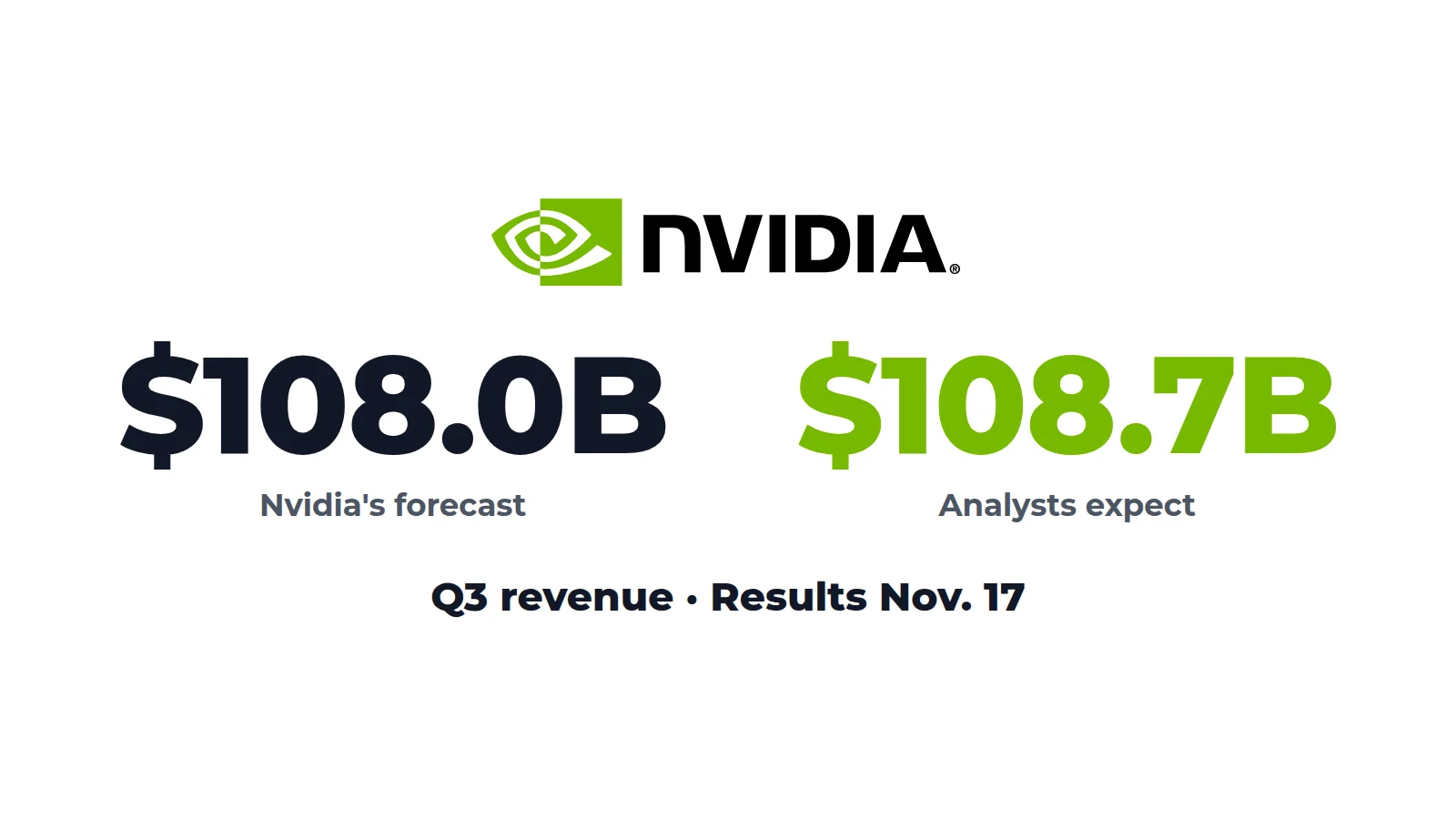
Nvidia (NVDA) reports Nov. 17 without Jensen Huang. Wall Street expects a smaller beat than in the last two quarters.
Nvidia reports Nov. 17, its first results since Jensen Huang resigned. Analysts expect $108.7 billion in revenue, just above Nvidia's $108 billion forecast, after beats of 4.6% and then 5.7% in the last two quarters.

Amazon (AMZN) is burning more cash than Oracle (ORCL), but bond investors charge Oracle far more
Amazon came up $34.8 billion short in its latest quarter and Oracle $5.4 billion, yet Oracle's new bonds pay about 2.3 percentage points more over Treasuries than Amazon's. The spreads line up more closely with credit ratings, and Meta just paid more after S&P's warning.
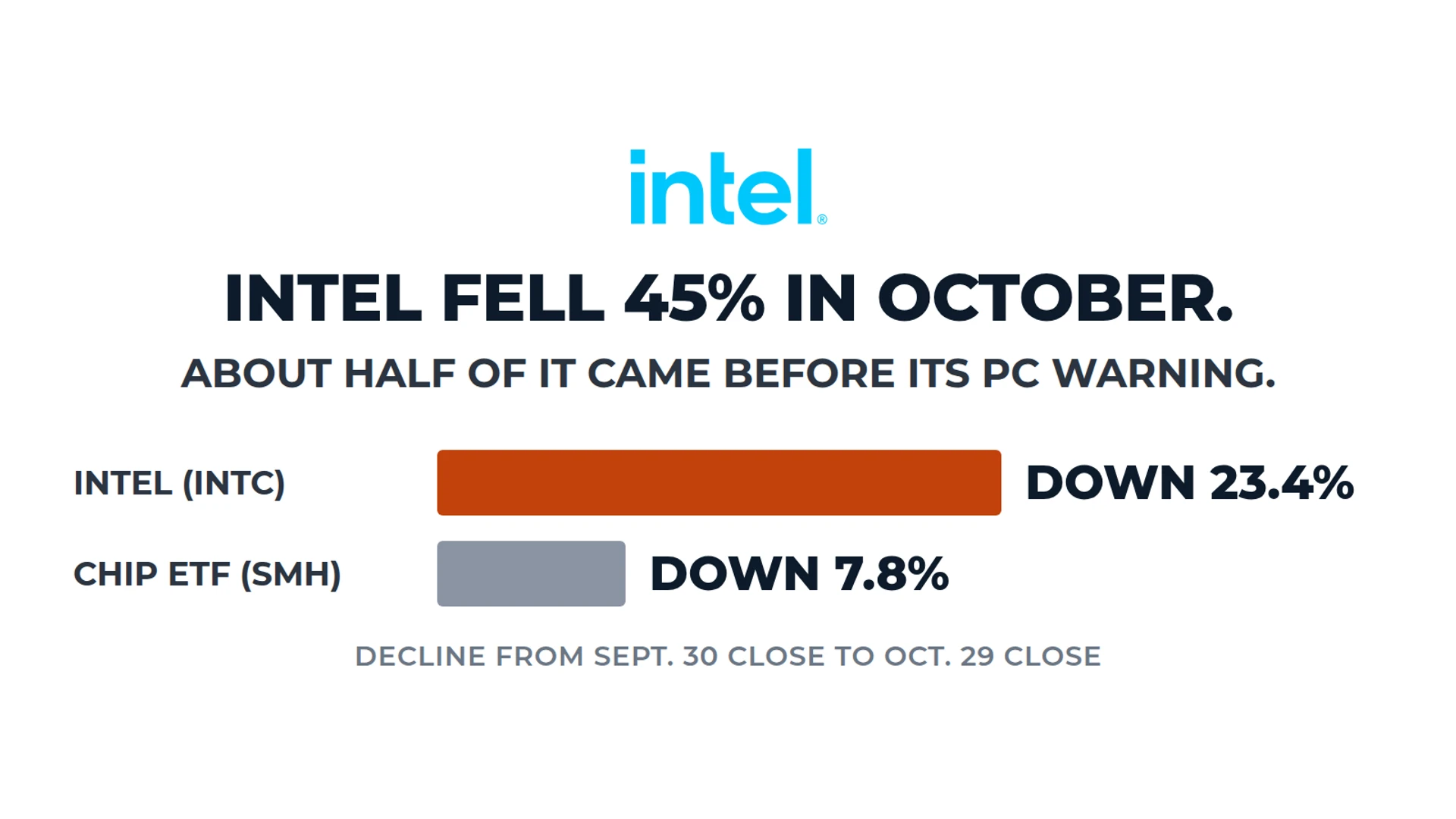
Intel (INTC) fell 45% in October. About half of that drop came before its PC warning.
Intel's own earnings call shows how the PC slump reaches its foundry, starting with the 18A wafers it's pulling in Oregon.
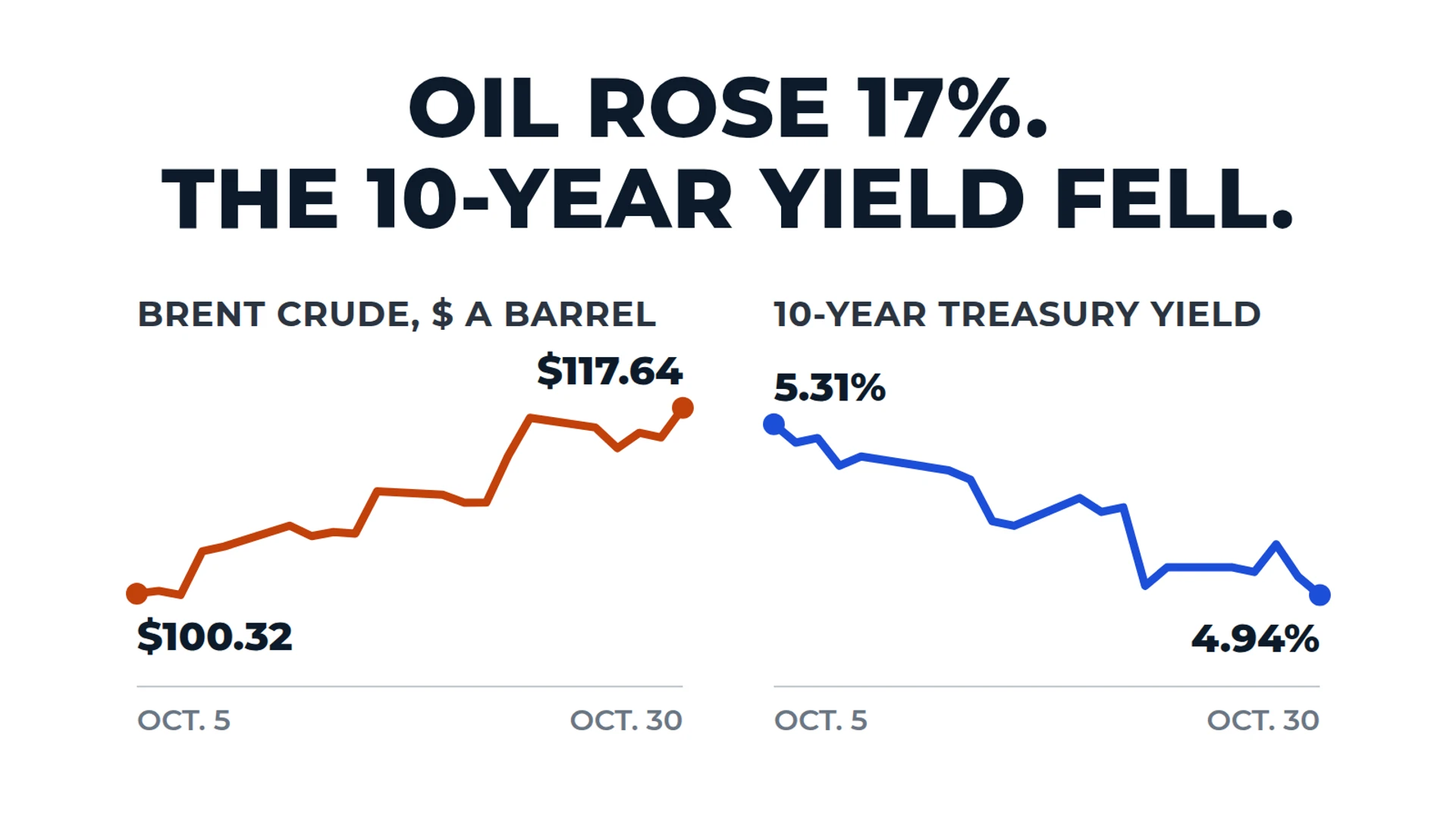
Oil fell 7% and the 10-year yield barely moved. Bonds look more worried about AI than inflation.
On October 26 I worried inflation would trip up the bond rally. Then oil swung hard both ways, and long-term Treasury yields kept tracking AI stocks instead.
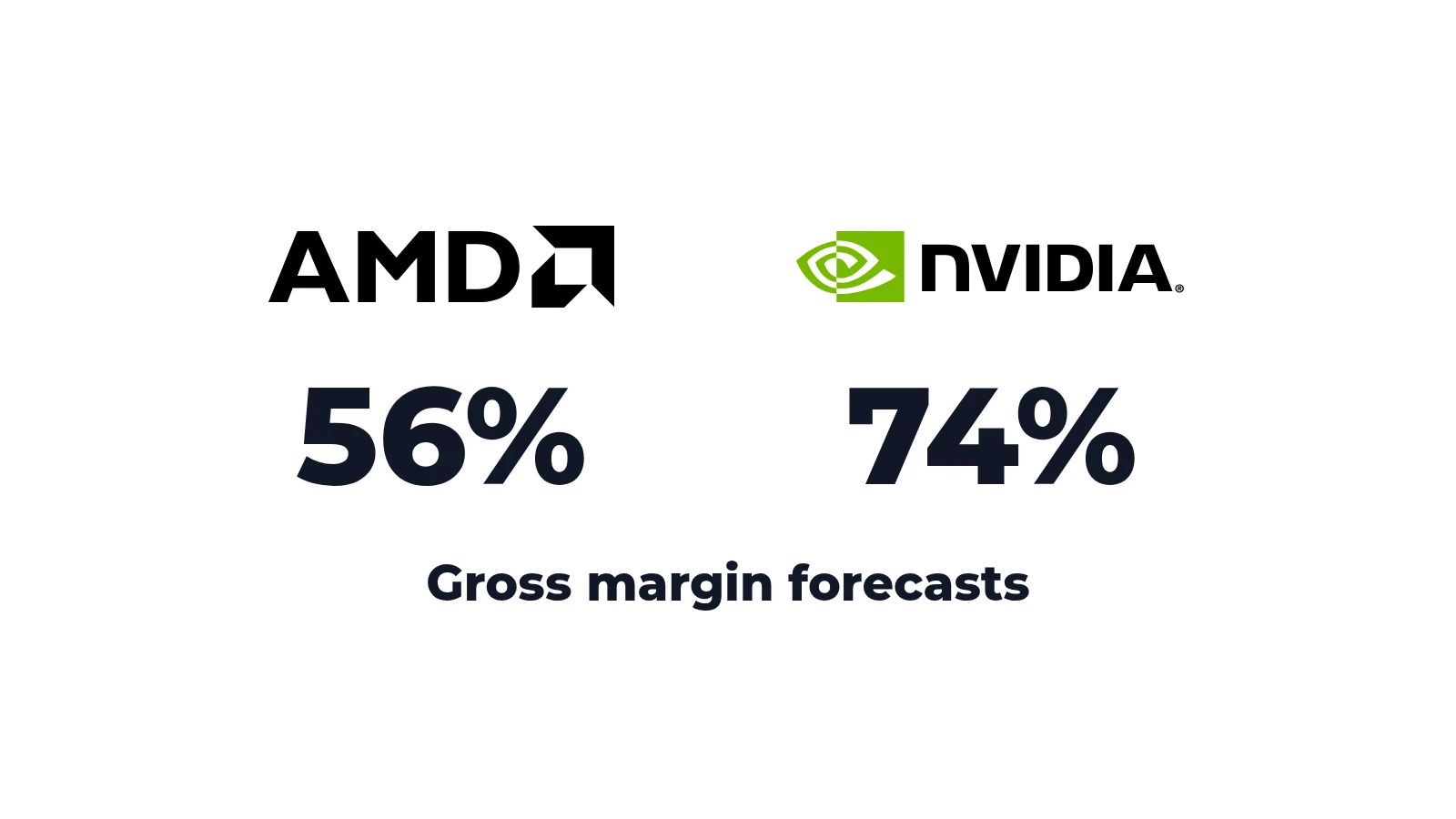
AMD (AMD) vs. Nvidia (NVDA): what margins and data center sales tell investors ahead of earnings
AMD fell 10.9% on October 30. Its margin and data center numbers trail Nvidia's by a wide gap, and the November 3 report will offer clues on whether the margin gap is narrowing.

Big Tech's AI bond sellers all trail the S&P 500 this year. Three of the five are down for 2026.
Oracle, Alphabet, Meta, Amazon, and Microsoft all sold AI bonds this year, and all five stocks trail the S&P 500. Three of them are also selling new stock.
Spreads on the safest corporate bonds hit 2026 highs as AI borrowing grows
AA-rated bonds hit their widest spread of the year in October while BBB bonds stayed below March's peak. Microsoft's $25 billion sale and Oracle's cheaper credit-default-swap protection show the two sides.
Shinhan on the Kospi vs. Taiwan: "The key is how long the growth lasts and how predictable it is, more than how big the profits are."
SK Hynix and Samsung are reporting more operating profit than TSMC, yet the Kospi swings far harder than Taiwan's market. Shinhan Securities says the reason is how predictable the profits are.

Alphabet (GOOGL) says searches are growing at their fastest pace in five years. Why isn't Search revenue keeping up?
Alphabet says Google query growth is the fastest in five years, but Search revenue growth slowed to 12% and missed estimates again. I think AI could be taking bits and pieces of it.
HSBC cuts stocks to neutral and upgrades bonds. Stagflation could spoil the trade
HSBC's new call leans away from stocks and toward bonds. The trouble is that oil and producer prices are pointing the other way.
Nasdaq posts worst week since June as memory stocks tumble. SpaceX, Tesla, and Meta report next week.
Micron lost 14.6% in a week that brought a Chinese memory launch, a hot inflation report, and two Elon Musk posts about RAM.

Tesla (TSLA) is down 19% before earnings. I think a SpaceX (SPCX) merger matters more than the quarter.
Morningstar puts most of Tesla's value in AI and robots, Tesla's own targets set the bar, and a deal could hand Musk far more control.
Hot CPI pushed October Fed hike odds above 50%. They fell to 33%, but stocks kept sliding.
October rate-hike odds topped 50% after hot CPI, then faded to 32.7% by late afternoon. For the AI buildout, what Fed Chair Kevin Warsh signals may matter as much as the decision.
WSJ columnist says a price crash could end the AI boom. I think cheaper AI could also prolong it
AI prices have been falling fast. The real question is who eats the decline.
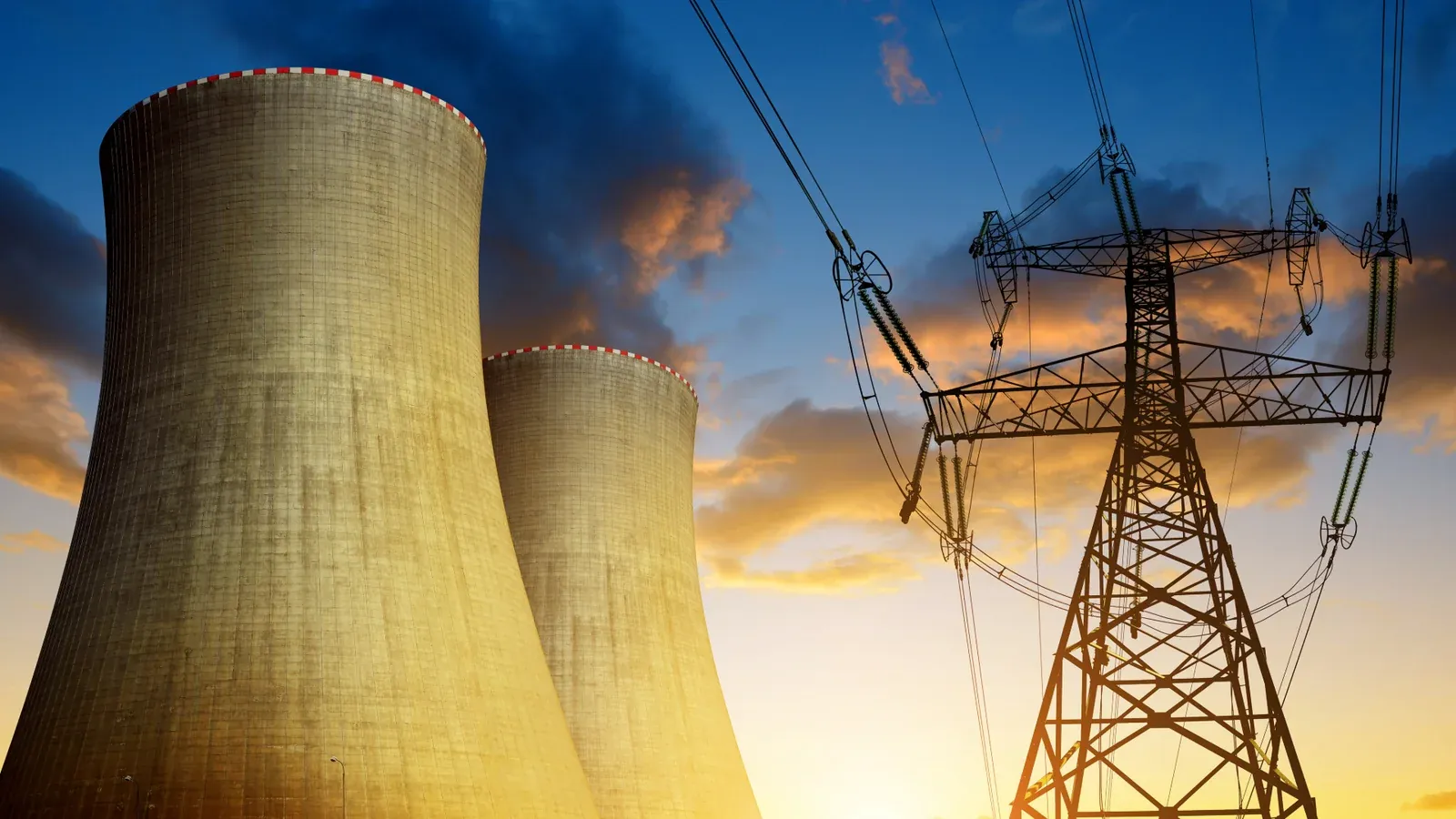
Musk says electricity is an economy's best measure. China makes 2.4 times as much as the US. AI is why I'm watching nuclear.
Data centers accounted for nearly all of the forecast increase in peak demand in the biggest US grid's December auction, and Washington is putting money behind nuclear.
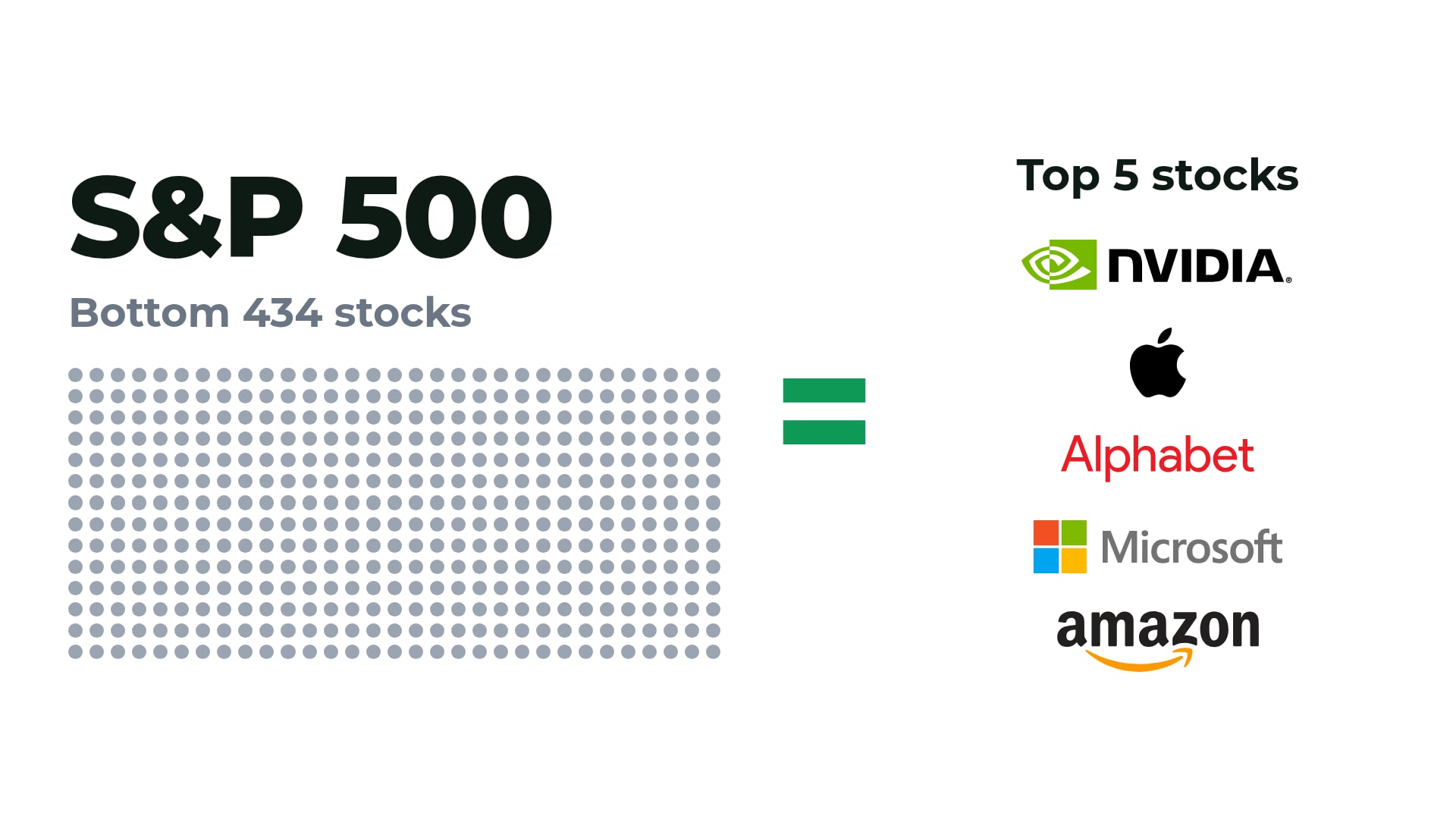
The S&P 500's five biggest stocks now equal the bottom 434. In 2018 it was 282.
Michael Batnick's count has gone from 282 to 350 to 434 since 2018. We ran it ourselves and got 431.

Ray Dalio warns the AI bubble is nearing a breaking point. Our data shows a mixed picture.
Insider selling shows up in our index, mostly at Nvidia. Borrowing costs don't yet, and valuations are the coolest reading of the seven.
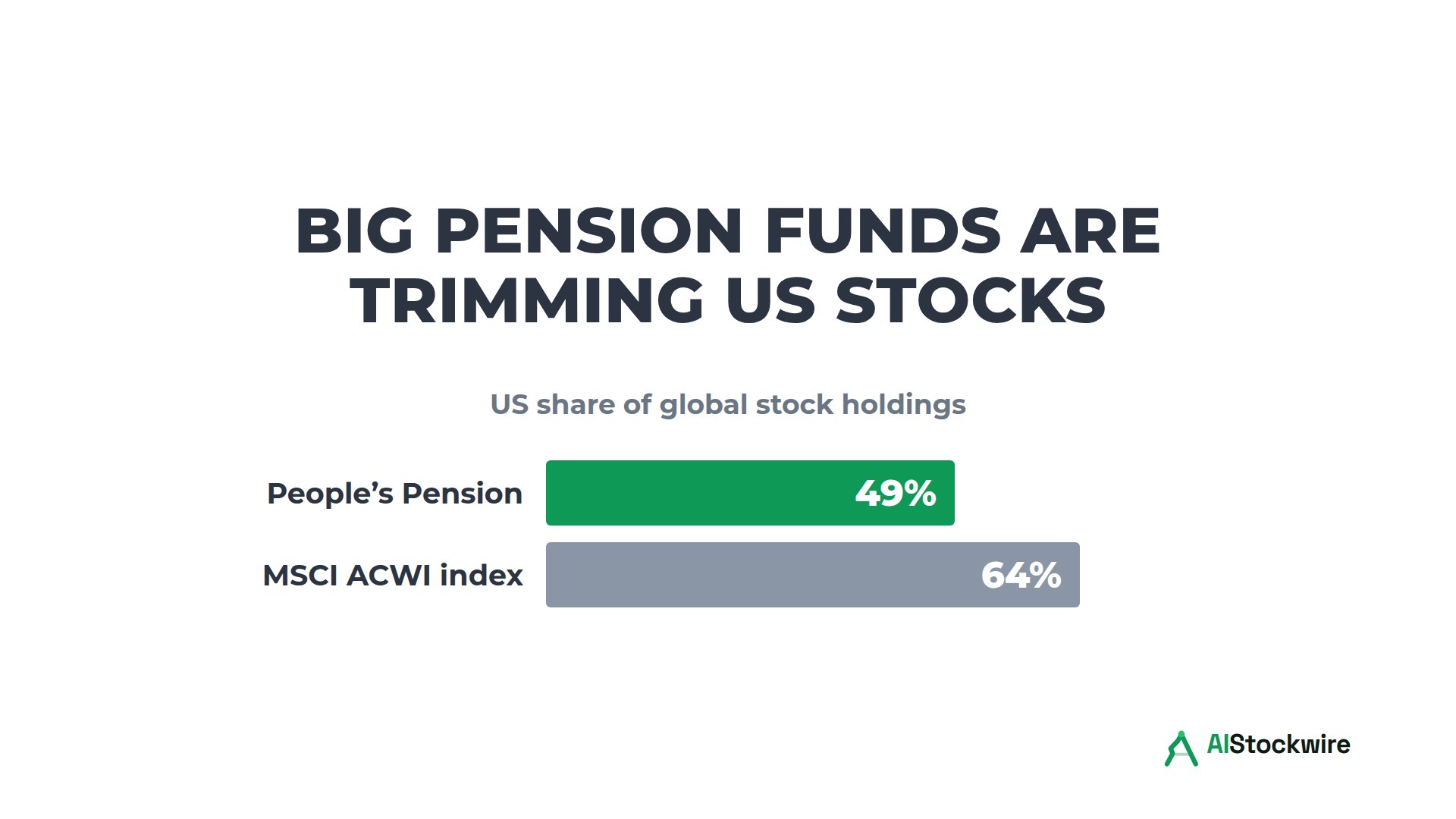
Big pension funds are trimming US stocks over AI concentration. Your index fund can't
Three major retirement funds now allocate less to US stocks than their benchmarks. Passive investors don't get that choice.
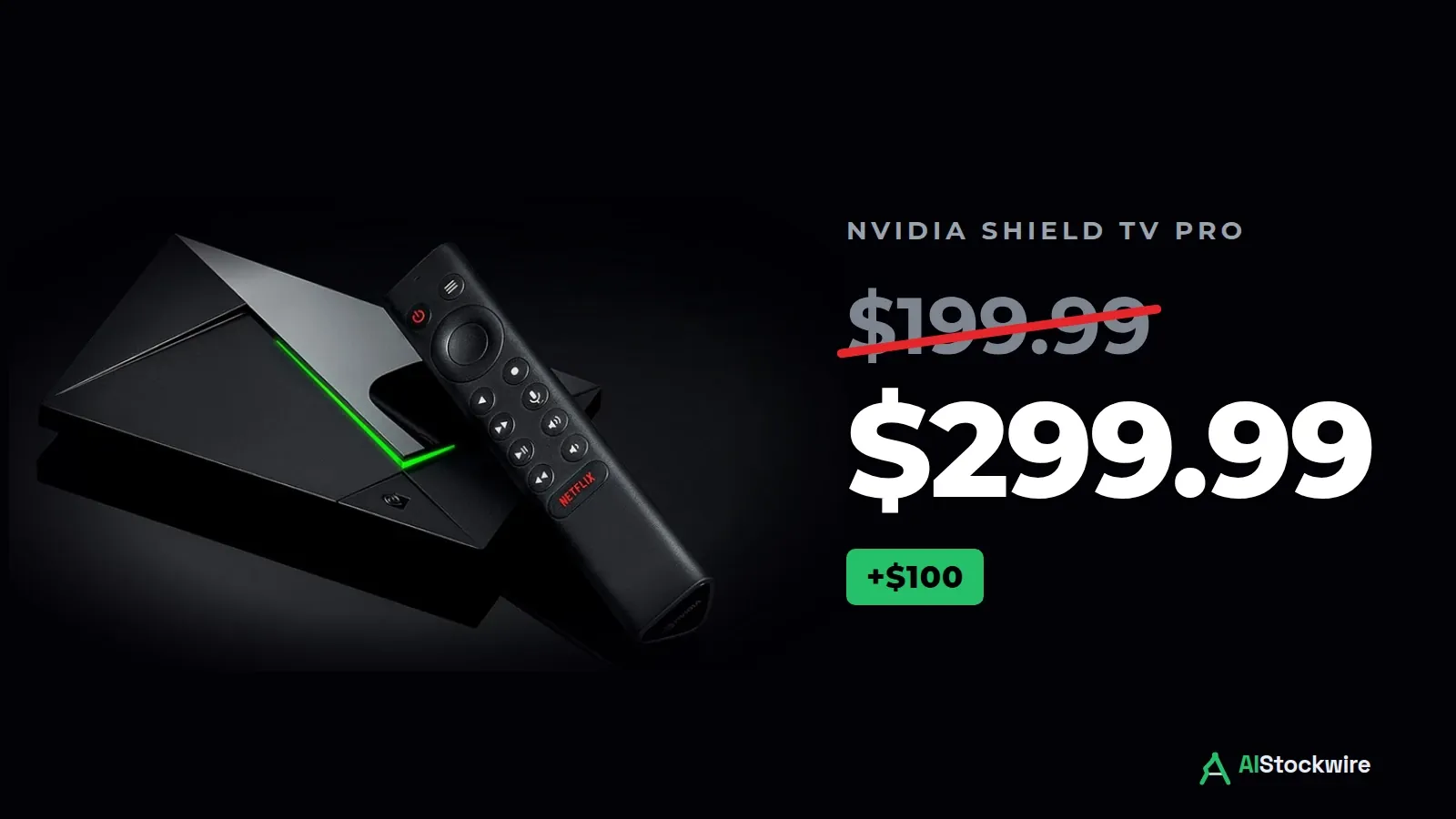
The memory shortage is making electronics more expensive. AI users aren't the only ones paying.
Nvidia's seven-year-old streaming box just got $100 more expensive. The memory makers behind the price hikes are earning record profits, and their stocks still trade at low multiples.
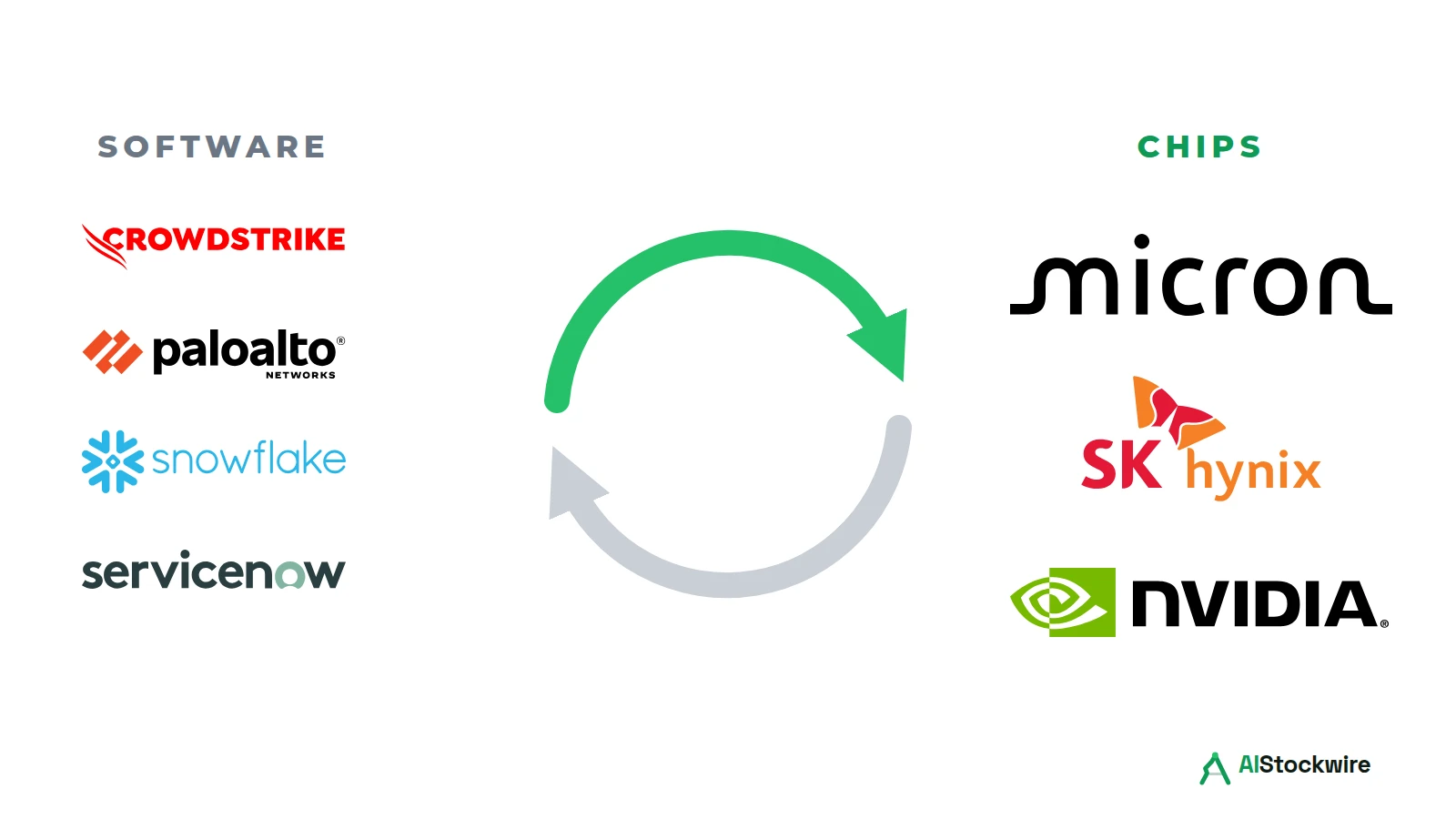
Software has beaten chips in the AI trade since June. I think earnings could send buyers back to chips.
Goldman's own strategists expect the thing that carried earnings this year to fade. One of its specialists is still watching the chips anyway.
AI leads the reasons for announced job cuts this year. McKinsey still projects net job growth by 2035
The net number looks positive. The trouble is who has to move, and only about one in seven has an easy path.
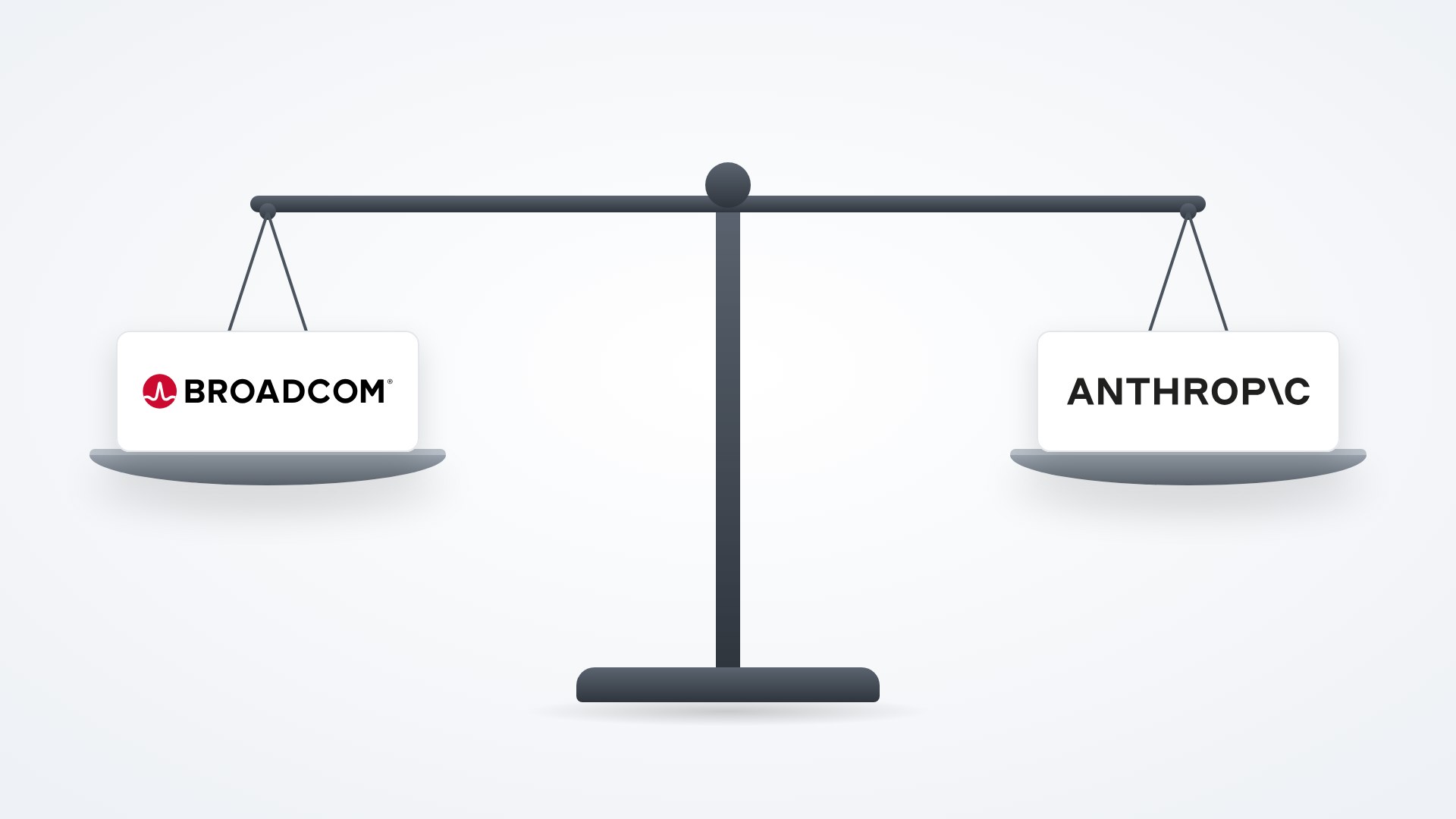
Broadcom (AVGO) would help finance Anthropic's computing bill. Who bears the risk?
The chip designer is also offering to help pay for computing built on its chips. Michael Burry's 1960s leasing warning was about Nvidia, but I think it fits here too.