News
Market news, earnings recaps, and daily moves in AI and semiconductor stocks.
Korea's new rule pushed investors out of Samsung and SK Hynix leverage funds. They moved 500 billion won into a bet against the whole index instead.
Korea's 30 million won cash rule covers single-stock leverage products only. On its first day investors net sold over 1 trillion won of those and net bought about 500 billion won of index inverse funds the rule does not touch, on the day the Kospi rose a record 17.91%.
The options market expects AMD to move $46 after earnings Tuesday. Its last two earnings reports moved even more.
AMD reports second quarter results Tuesday after the close. Analysts expect $1.61 a share on $11.31 billion, and the Aug. 5 straddle prices a 9.7% move. The last two reports moved the stock 17.3% and 18.6%. In February AMD beat on both lines and fell anyway, on guidance.
Semiconductors made up 41.5% of everything South Korea exported in July. It was the country's second-biggest export month on record. So why did its stock market fall 22%?
South Korea exported $98.89 billion of goods in July, its second-biggest month ever, with semiconductors alone at $41.01 billion. The same month, the Kospi fell 22.19%, the largest monthly drop of any major world index.

Korea's new $21,000 cash rule cut trading in its 2x Samsung and SK Hynix funds by 76% in one day. The Kospi still rose a record 17.91%, and the real test comes Monday in Seoul.
Korea now requires about $21,000 in cash before an investor can buy the 2x funds on Samsung Electronics and SK Hynix. Trading in them fell 76% on the rule's first day, while the Kospi rose a record 17.91% in the same session. Seoul's Monday open is the first clean test of whether the rule calms the market.
You cannot buy China's CXMT in the US. You can buy the Roundhill Memory ETF (DRAM), which has $627 million riding on it.
The Roundhill Memory ETF (DRAM) added a $627.5 million CXMT total return swap at a 2.52% weight, five days after CXMT's Shanghai listing. The position is bigger than GigaDevice, and there was no CXMT line in the fund's July 23 file.
The new US import ban covers cotton, tomatoes, and the capacitor supply chain behind AI servers
DHS added 43 Chinese companies to the UFLPA Entity List on July 31, 2026. Two of them sit in the aluminum electrolytic capacitor chain, the parts that fill AI server power supplies. Nichicon and Nippon Chemi-Con had already raised prices in June, citing aluminum foil costs.
Nine Aschenbrenner stocks report earnings Aug. 4 to 6, led by SanDisk (SNDK). Nobody can say which six are still his.
Citadel bought the fund's public stock book on July 30. Six of the names in its last itemized filing report earnings between Tuesday and Thursday, and no filing yet says who owns them.
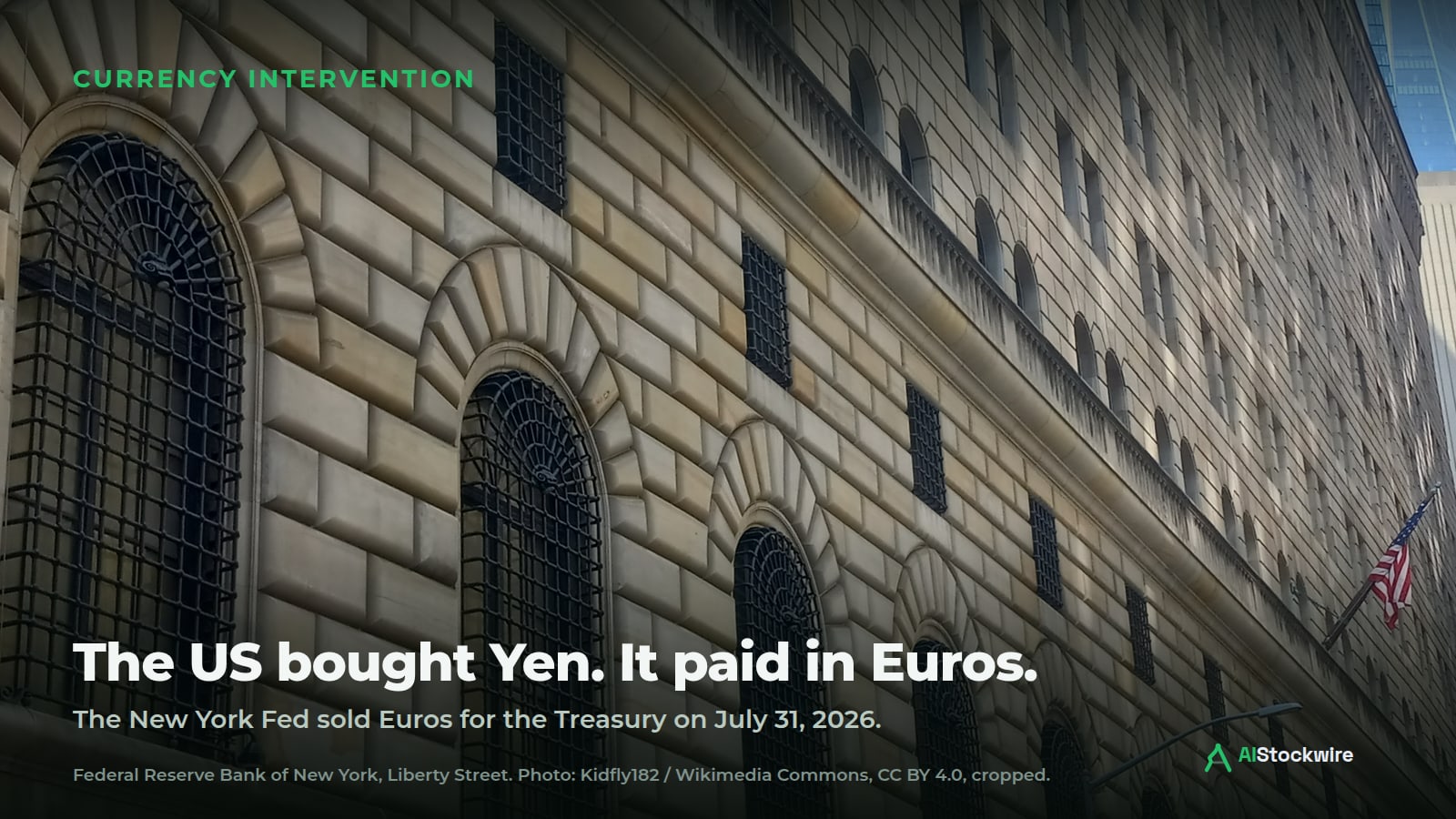
The US Treasury bought Yen for the first time since 2011, and it paid in Euros (July 31, 2026)
The New York Fed sold Euros to buy Yen for the Treasury on July 31, 2026, after Japan intervened two days running and South Korea sold Dollars to support the Won.
Millennium bought the Agility Robotics SPAC (CCXI) at $10 in December 2025. It had sold a third of the stake by the time the stock hit $17.45.
Millennium Management's stake in Churchill Capital Corp XI (CCXI), the SPAC merging with humanoid robot maker Agility Robotics, is down to 1,490,636 shares from 2,224,879, according to a Schedule 13G/A filed July 31. The fund now reports 3.6% of the class, below the 5% line. BlueCrest disclosed a new 5.6% stake two days after the deal was announced.
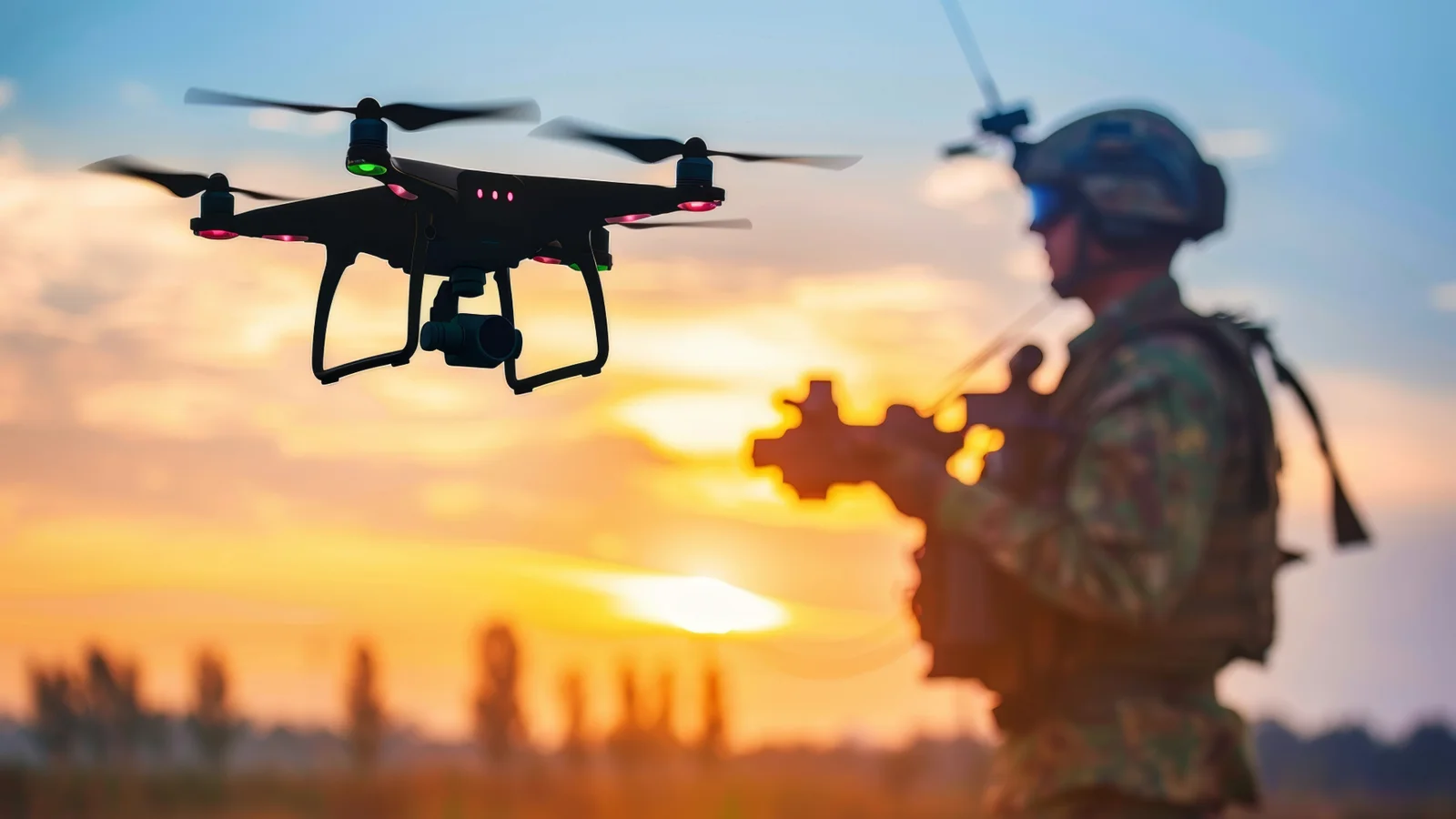
Ondas went from 137 million shares to 496 million in a year. BlackRock and Vanguard bought anyway.
Ondas' share count nearly quadrupled in twelve months. Over the same stretch BlackRock built a 38,129,865 share position, its first 5% filing on the company in an EDGAR history running back to 2015, and Vanguard added 6.8 million shares. The private equity firm that sold DZYNE to Ondas now shows up at 5.7%.

BTS went back on tour and HYBE had the biggest quarter in K-pop history. The stock fell 16 percent the same day.
BTS went back on tour in April, and HYBE has just posted the first quarter in K-pop history above 1 trillion won ($702M USD). Revenue more than doubled, operating profit rose 159 percent, and both came in well above what analysts had asked for. The stock fell 16.09 percent the same afternoon, its worst day since 2022.
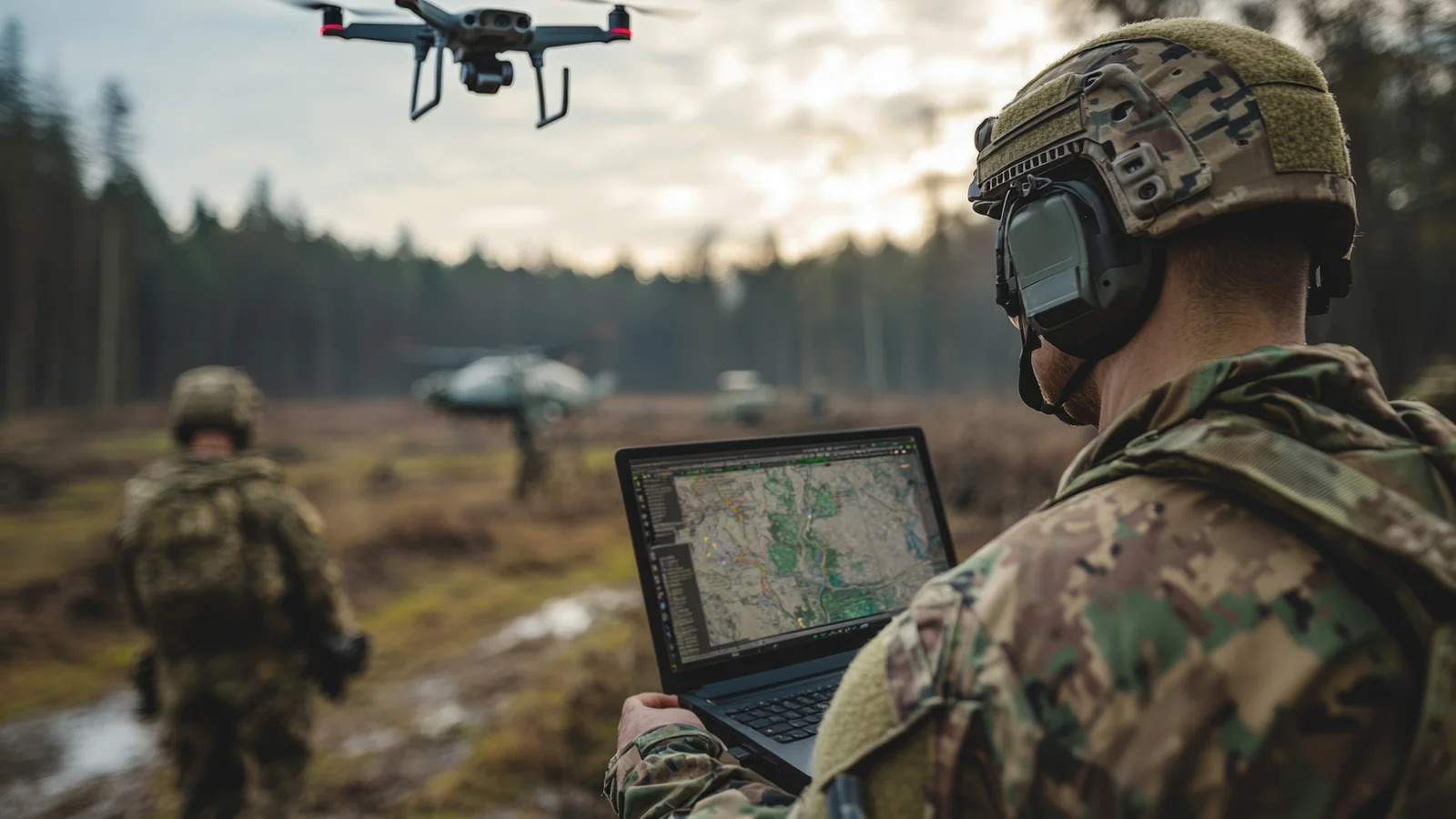
The Pentagon committed $820 million to a drone company you can't buy, and said several more are coming
The Office of Strategic Capital signed a conditional loan commitment of up to $820 million with Performance Drone Works, topping the $725 million it committed to Energy Fuels in June. OSC director David A. Lorch said several more drone component producers will get loan commitments. PDW is private, and the one public company with a stake in it owns less than 1 percent of its own market cap in PDW preferred.
SK Hynix's record Nasdaq listing named Leopold Aschenbrenner's Situational Awareness a cornerstone investor. What he actually bought stays hidden until November.
Situational Awareness was named a cornerstone investor in SK Hynix's $28 billion Nasdaq debut three weeks before it sold its US stock portfolio to Citadel. Four SEC disclosure routes could show the size of that stake. Every one of them misses.
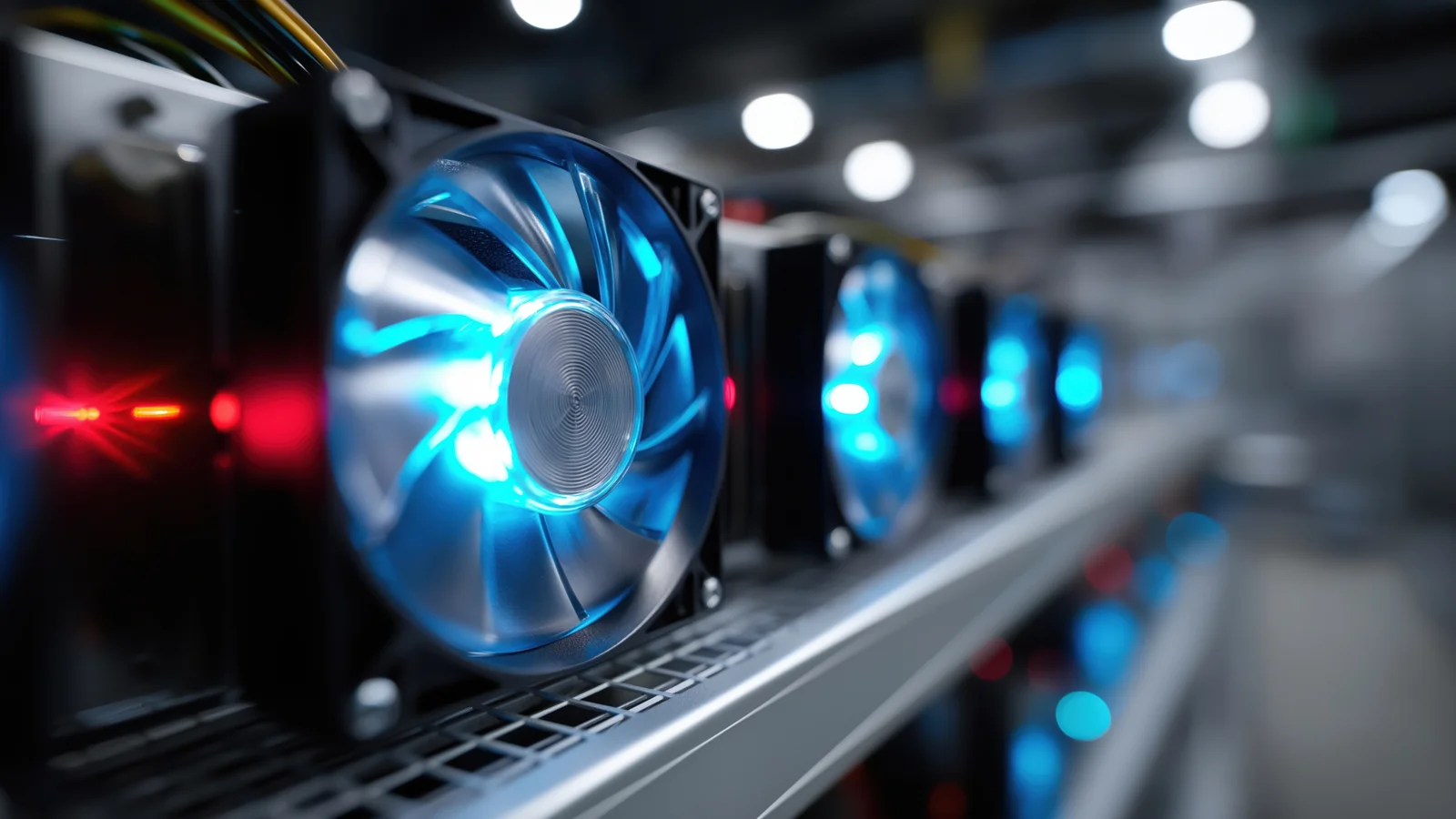
Alibaba (BABA) gave Kimi's maker 20,000 Nvidia (NVDA) chips. The White House says it trained on banned ones in Thailand.
Bloomberg reported Friday that Moonshot AI runs Kimi on about 20,000 Nvidia chips rented from Alibaba, its own 36% shareholder. Alibaba is cleared to buy 75,000 H200s and has taken almost none of them, so the contracted fleet is old stock. What K3 actually trained on is a separate question, and White House science director Michael Kratsios has already given his answer.

Korea locked 94% of stock accounts out of leverage funds on Friday morning. By the close SK Hynix was limit up and those funds had returned 60%.
Korea's individual investors were not betting against this market. Through the crash they were buying the 2x leverage funds, and a new 30 million won cash rule shut most of them out on the exact morning those funds returned 60%.
Leopold Aschenbrenner's Situational Awareness fund owned 19 stocks outright. Every one of them rose Thursday after he sold his positions
Four SEC filings name 19 companies Situational Awareness owned outright, and every one of them rose on July 30. Nebius was the biggest at about $1.84 billion, and the quarterly report understates SharonAI by twelve times.
Quanta (PWR) raised guidance and rose 17.3%. Sterling Infrastructure (STRL) reported nothing and rose 17.4%
Quanta Services reported record second quarter revenue of $9.56 billion and a $53.4 billion backlog, and raised full-year guidance across every metric. Sterling Infrastructure, which has not reported, rose slightly more.
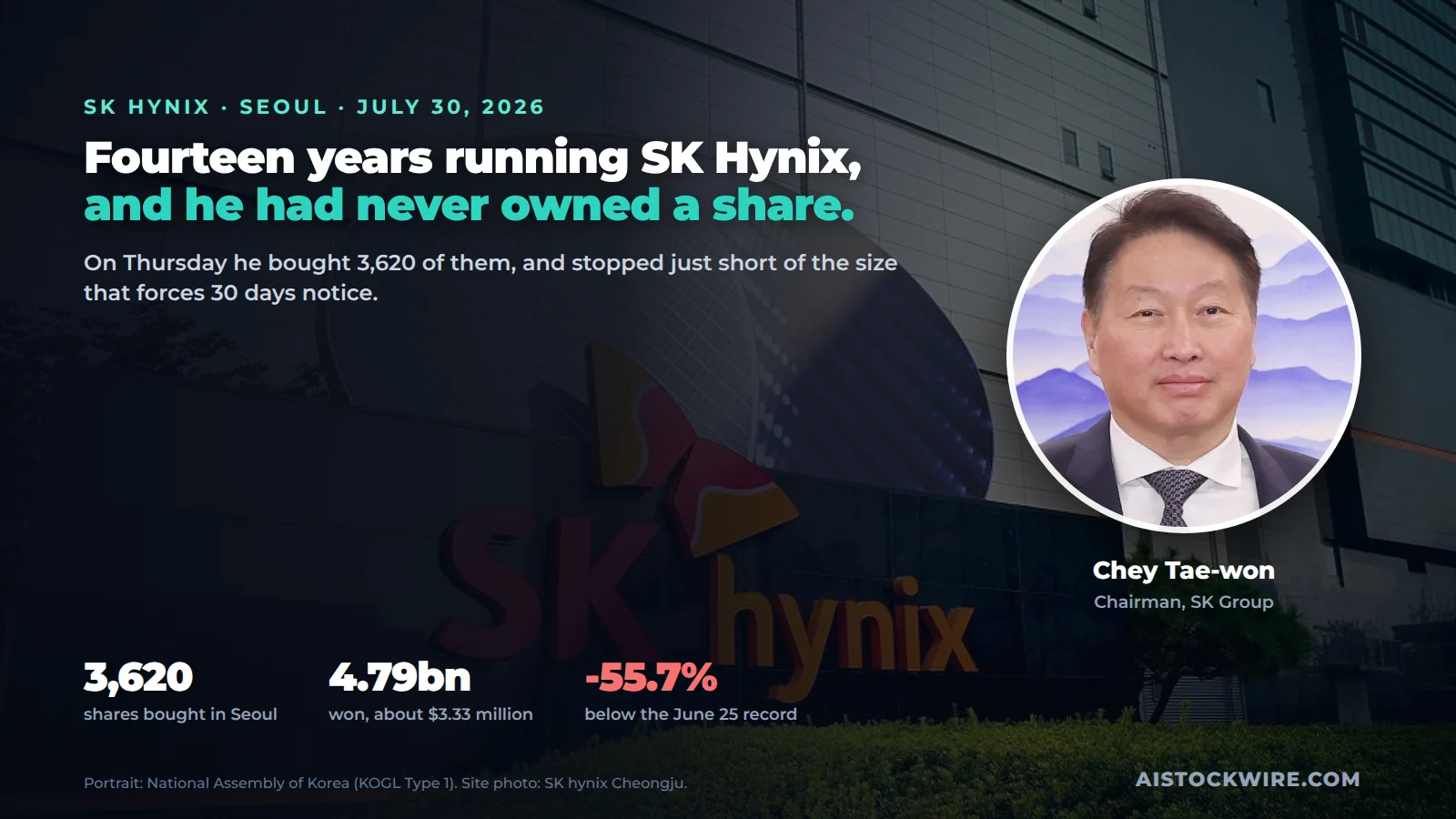
Chey Tae-won ran SK Hynix for 14 years without owning a share. With the stock down 56%, he bought 4.79 billion won of it.
Chey Tae-won has run SK Hynix since 2012 without ever owning a share of it. On July 30 he bought 3,620 of them for about 4.79 billion won ($3.33 million), stopping just under the 5 billion won line that would have forced him to announce it 30 days early.
Citadel bought Leopold Aschenbrenner's stock book. Two outlets say he kept part of it, and a filing due Monday settles it.
Bloomberg and Reuters both name Ken Griffin's Citadel as the buyer of Situational Awareness's stock book, and both say bulk, not all. CNBC said the entire public book went in one block to one buyer. A Form 4 on the SharonAI (SHAZ) stake is due Aug. 3, an initial 13D or 13G from Citadel on Aug. 6, and the fund's own quarterly report on Aug. 14.
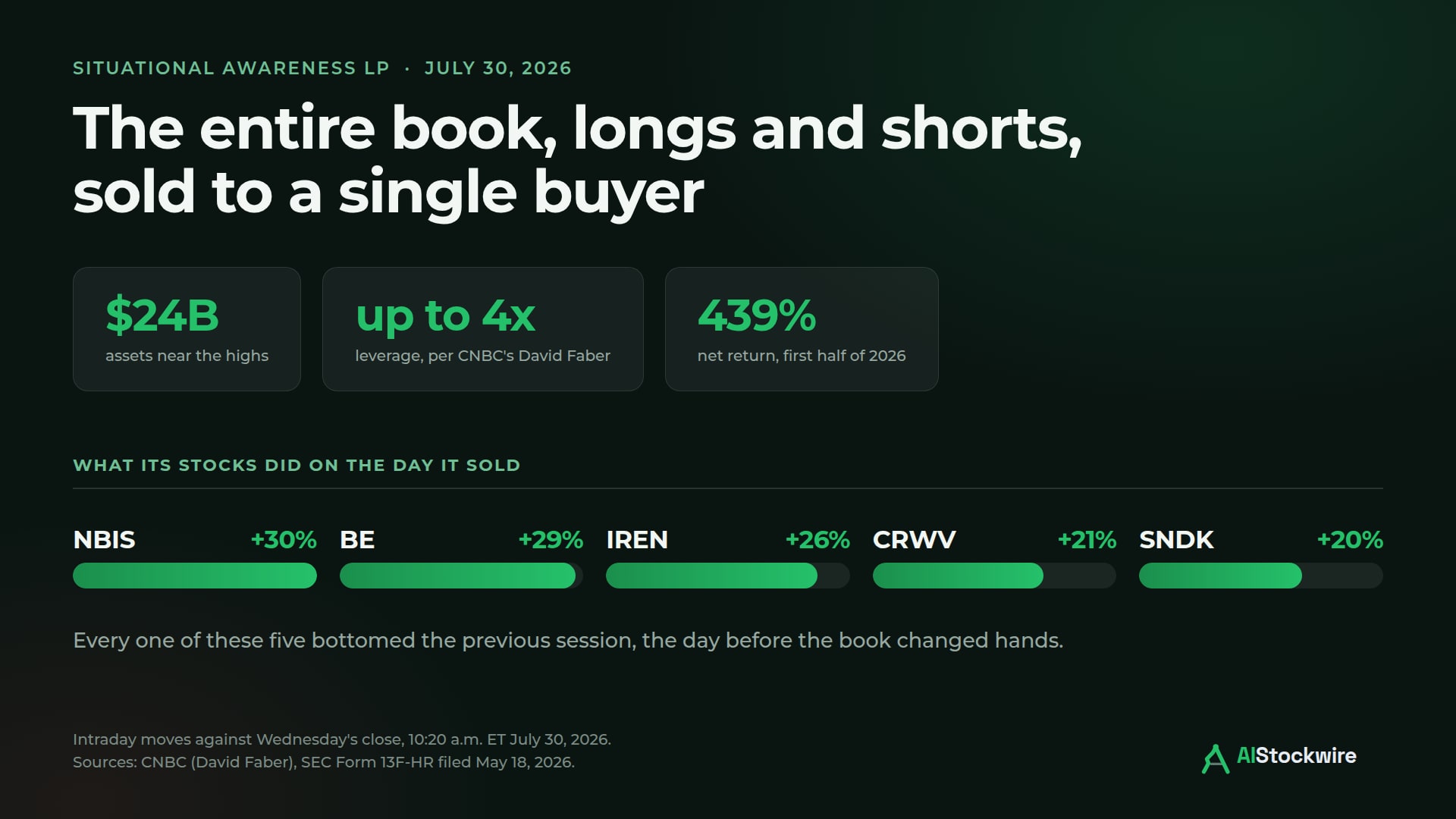
Leopold Aschenbrenner's AI fund sold its levered stock book, longs and shorts, to a single buyer. It was levered as much as four times.
CNBC's David Faber reported that Situational Awareness sold its entire public equities book, longs and shorts together, to a single buyer. The fund reached $24 billion near its highs and ran leverage of as much as four times. Its last public filing shows 62% of a $13.68 billion book was bets against chip stocks, and the stocks it owned outright fell twice as far.
Korea's small investors absorbed the whole crash. On Thursday they gave up and sold 1.43 trillion won.
For two weeks Korea's individual investors bought whatever foreign funds sold. On July 30 the roles reversed. Foreigners came back for the first time in five sessions, retail sold 1.43 trillion won into them, and forced liquidations at brokerages rose 340% in a single day.
Samsung posted its best quarter ever. Seoul was up 5.54% on it, then gave the whole thing back.
Samsung's stock fell 5.23 percent on July 29, a day before its own confirmed earnings even came out. When the record numbers landed Thursday, the Kospi rose as much as 5.54 percent, then gave all of it back and closed lower.
The Nasdaq is down six days straight. We checked what happened next all 85 times, so you don't have to.
The Nasdaq Composite closed lower for a sixth straight session on July 29, finishing at 24,442.94, down 5.4% over the run and 9.8% below its June record. It has happened 85 times since 1971. One month after those streaks the index gained a median 1.5%, which is exactly what a random month returns, and at three months it actually underperformed. The averages hide everything: every streak from 2000 to 2002 was followed by heavy losses, and every streak after 2009 by gains.
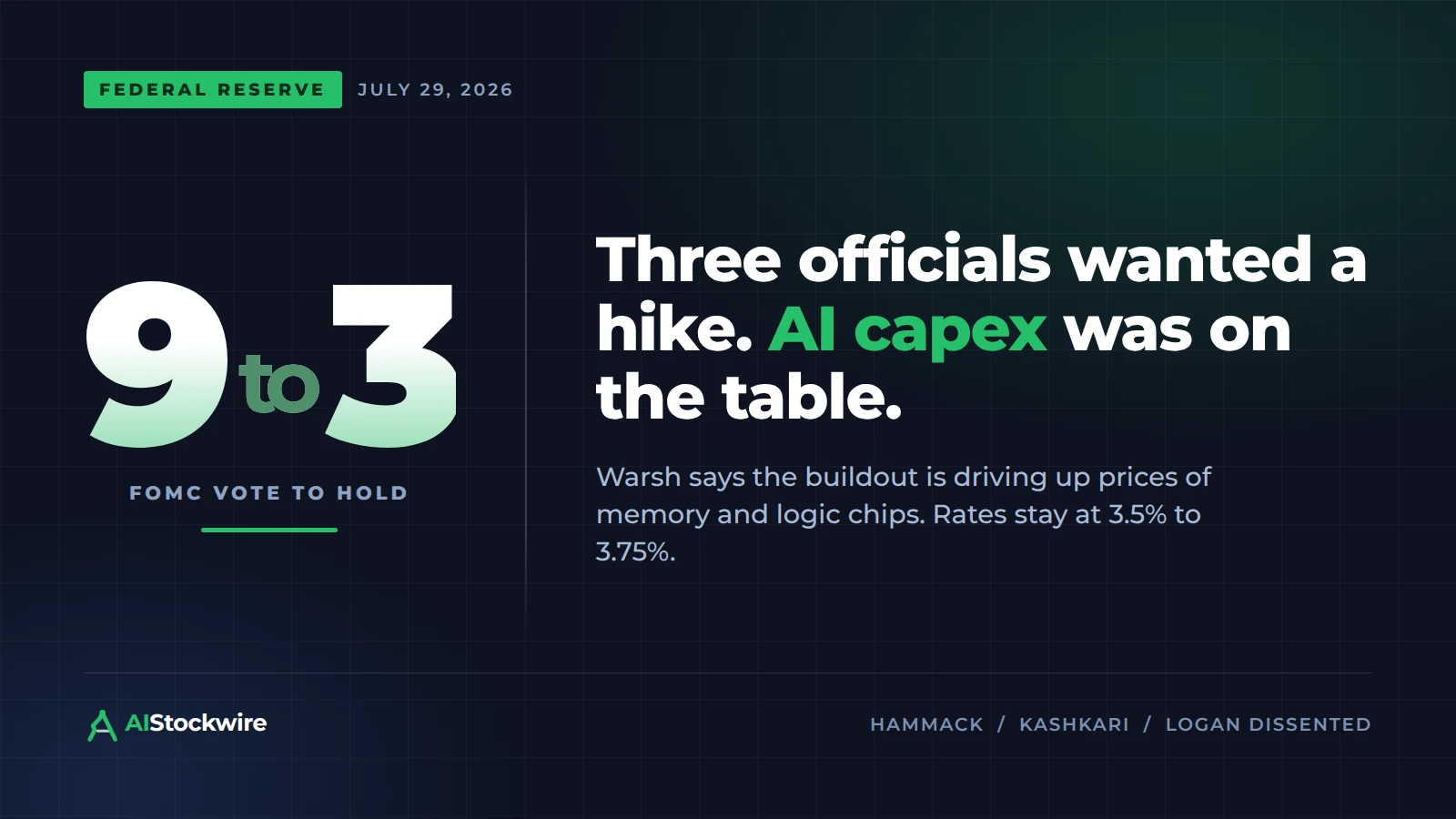
The Fed held rates 9 to 3. Warsh says the AI capex boom is driving up chip prices.
The Fed held the federal funds target range at 3.5% to 3.75% on July 29 in a 9 to 3 vote, with Beth Hammack, Neel Kashkari and Lorie Logan dissenting in favor of a quarter-point increase. Chairman Kevin Warsh listed the AI capex boom as one of four questions the committee debated and said it is driving up prices of memory and logic chips. The June minutes show many participants expect AI infrastructure demand to keep pressuring technology and electricity prices.