Key points
- Amazon has blocked Meta's Muse and stopped Grok from placing orders
- Walmart and Sephora have opened their sites to shopping agents
- Agent purchases account for a small share of e-commerce
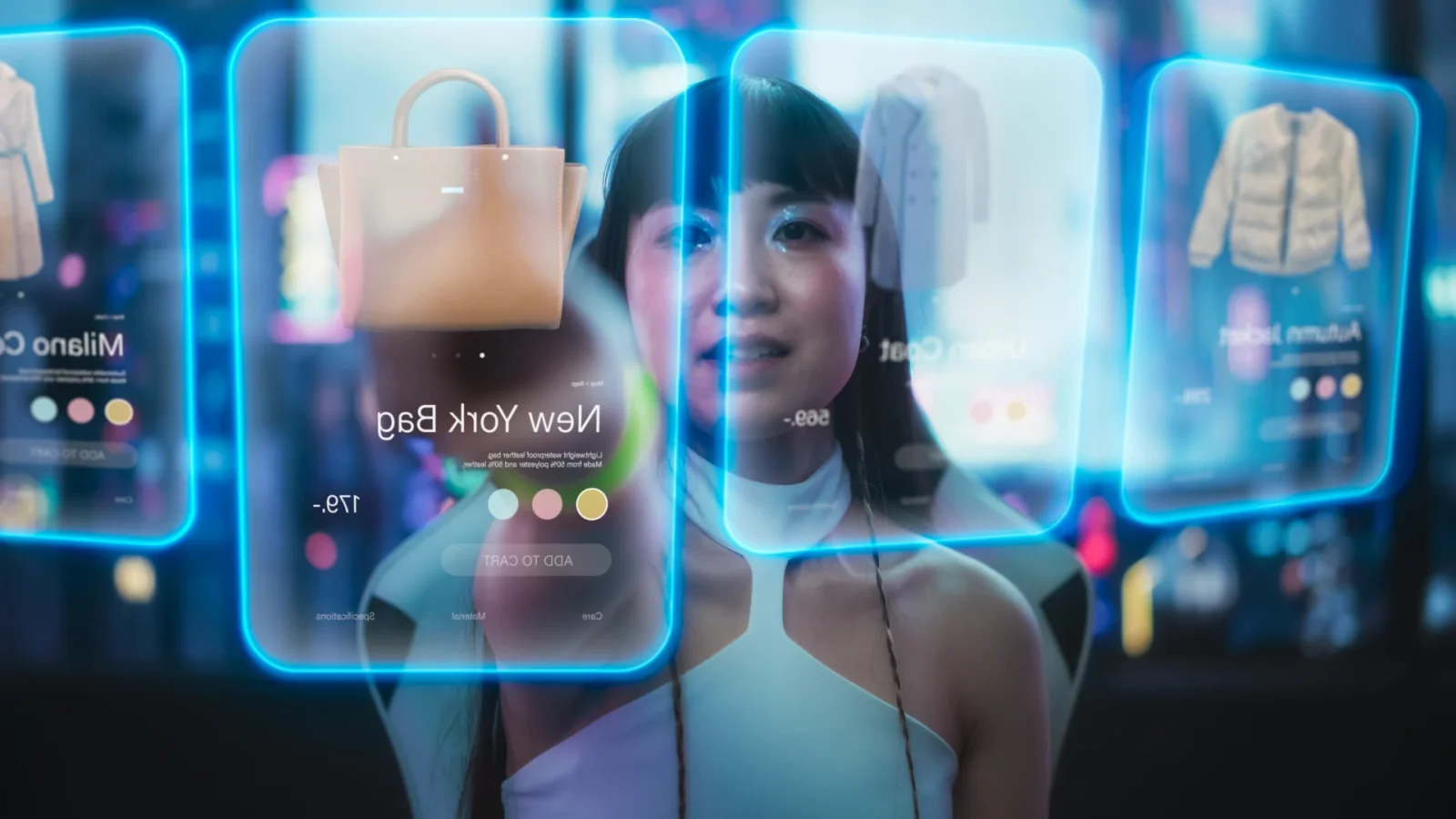
Amazon (AMZN) has blocked Meta Platforms' (META) Muse shopping agent from its store and stopped Elon Musk's Grok bot from placing orders, CNBC reported on Nov. 27. Other retailers are taking a different approach ahead of Cyber Monday: Walmart (WMT) and Sephora have opened their sites to shopping agents.
The split comes as OpenAI, Meta, Google, and Spear Street Technology introduce agents that can shop for users. eBay (EBAY), United Airlines (UAL), and Kohl's (KSS) limit what agents can do or block them outright, according to CNBC.
Agent purchases remain a small part of online shopping. They account for 0.4% of global e-commerce transactions and 0.2% of their value, according to a Bain & Co. report published Nov. 20. Bain's summary doesn't specify the period measured.
Amazon and Meta disagree over Muse's access
Meta launched Muse on Sept. 8. Less than two weeks later, users trying to shop on Amazon through the agent saw a popup warning that continued access by an unauthorized AI agent violated Amazon's Conditions of Use, GeekWire reported.
Amazon said it had never agreed to Muse accessing its store. It said Meta didn't notify it in advance and that Muse doesn't identify itself when it browses. Amazon also said the agent appears to capture and store customer credentials. Meta has said Muse cannot see people's passwords or payment methods.
Meta CEO Mark Zuckerberg said in October that about a quarter of Muse's 10 million users shop through the agent, spending an average of $200 per order, according to CNBC. Amazon stopped Grok from placing orders that month, the report said.
What Amazon's robots.txt file asks for
Amazon's robots.txt file directs a long list of AI bots to stay out of every page of its US site, as of Nov. 27. A robots.txt file is a public set of instructions for automated visitors. It doesn't by itself prevent a bot from loading a page.
Amazon's list includes OpenAI's ChatGPT-User, Anthropic's Claude-User, and Perplexity's Perplexity-User. Meta's meta-externalfetcher is on it too. The companies describe these as fetchers that load pages when a user asks for something, as opposed to crawlers that collect training data. The entries cover those named fetchers. They don't establish how each company's shopping agent browses or checks out.
Three of those companies say their user fetchers may not follow robots.txt. OpenAI says robots.txt rules "may not apply" to ChatGPT-User because a user starts the action, according to its bot documentation. Perplexity says its user fetcher generally ignores robots.txt rules, and Meta says its fetcher may bypass them. Anthropic says its bots honor robots.txt directives.
Amazon's file also lists two entries labeled GoogleAgent-Shopping and GoogleAgent-Mariner. Google's documentation describes a user agent called Google-Agent, and Amazon's file has no entry by that name. Whether Google's agent can shop on Amazon is unclear from the names alone.
Amazon's lawsuit against Perplexity
Amazon sued Perplexity in November 2025 over the shopping agent in its Comet browser. In March, Senior U.S. District Judge Maxine Chesney in San Francisco granted Amazon a preliminary injunction that blocked Comet's agent from shopping in password-protected parts of Amazon's site, GeekWire reported.
The Ninth Circuit Court of Appeals overturned that injunction on Aug. 4. The court found that Perplexity's conduct likely doesn't violate federal or California anti-hacking laws, Engadget reported. "We respectfully disagree with today's decision on the preliminary injunction," Amazon said at the time. The case continues in federal court in San Francisco.
Amazon CEO Andy Jassy has said the company expects "over time, to partner with third-party agents," CNBC reported. He said any partnership would need the right "value exchange" between agents and retailers.
eBay's file says checkout is for humans
eBay's robots.txt file says automated access to its site without eBay's express permission is prohibited. It also says, "Checkouts are strictly for human users." The file says buy-for-me agents, LLM-driven bots, and any end-to-end flow that tries to place orders without human review are strictly prohibited.
The file directs training crawlers, including OpenAI's GPTBot and Anthropic's ClaudeBot, away from nearly all of the site. It gives ChatGPT-User and Claude-User a separate set of rules. Those rules allow search results and listings, and they direct the fetchers away from the add-to-cart path, the cart page, and the best-offer action.
Walmart's robots.txt file doesn't name any AI agent. Walmart promoted a Meta partnership for Black Friday deals on Nov. 24, according to CNBC.
"It's a very mixed bag," Emily Pfeiffer, a principal analyst at Forrester, told CNBC. She said people who shop with agents won't see the full set of options because some websites are unavailable to them.
The blocks reach past retail. JPMorgan Chase (JPM) said in October that it won't let outside AI agents move money in Chase accounts. United said on Nov. 11 that it'll block agents from booking tickets, two days before OpenAI launched ChatGPT Wallet so its agents can pay for purchases.
The robots.txt rules cited here were read from each company's US site on Nov. 27, 2026.