Key points
- Google's first TPU satellite is scheduled to launch next week
- Planet Labs developed the satellite with Google
- A two-satellite laser-link test follows in 2027
- Separately, Gemini can now call businesses for some Pixel 11 owners
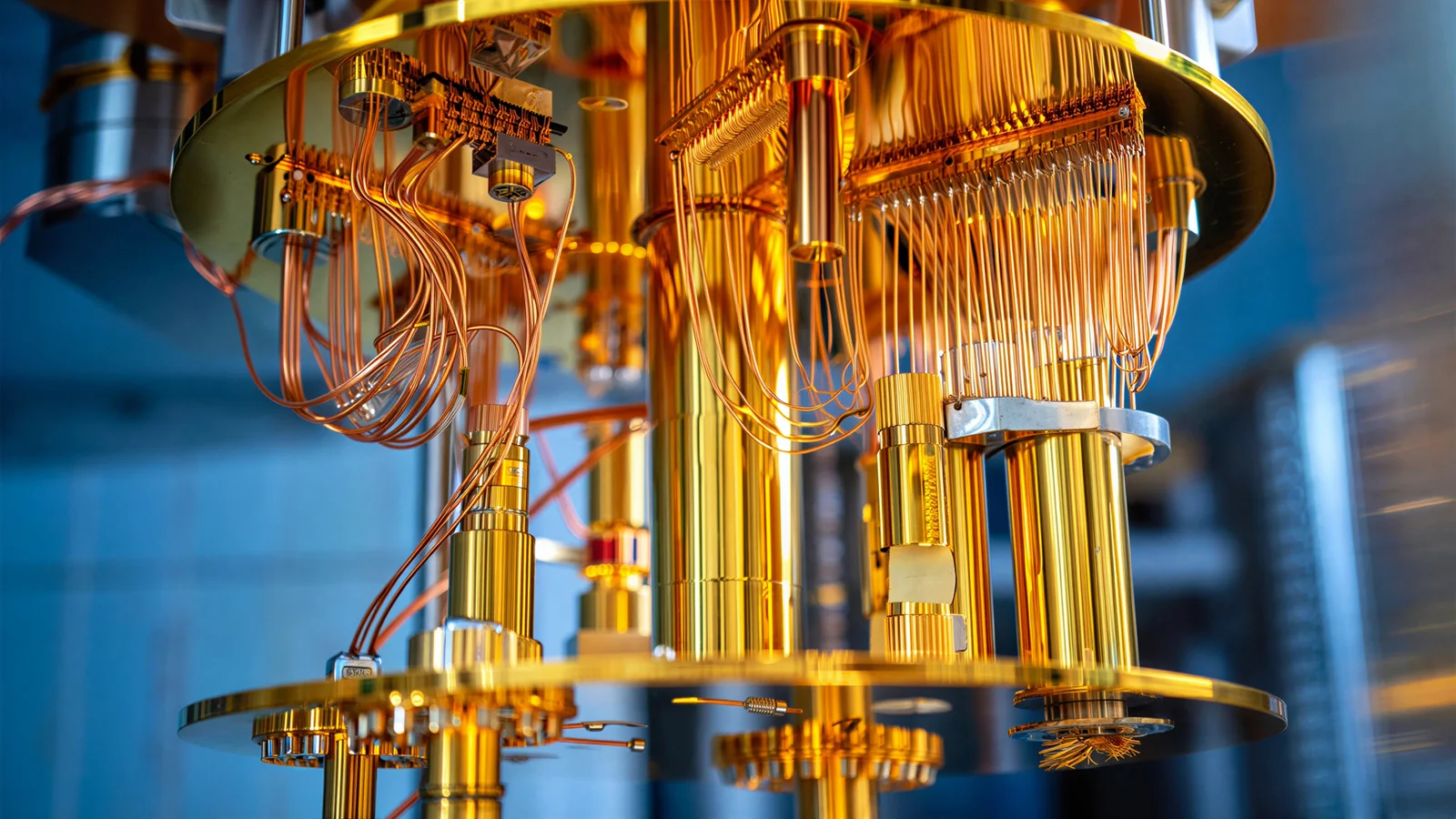
Google (GOOGL) plans to send its AI chips into orbit next week aboard a prototype satellite developed with Planet Labs (PL). The mission will test whether the hardware can withstand launch and operate in space, according to Google's announcement Thursday.
The satellite is scheduled to fly on SpaceX's (SPCX) Transporter-18 rideshare mission. It marks the first orbital test of Project Suncatcher, Google's research effort to explore whether space could support large-scale AI computing.
Planet Labs shares were up 7.3% at $17.58 as of 2:11 p.m. Eastern time. Alphabet rose 1.3% to $342.23 from Wednesday's $337.83 close.
What the first satellite will test
The mission will measure how Google's Tensor Processing Units (TPUs) handle launch stress, radiation, and the temperature swings of low Earth orbit. Google says individual chips can face forces of 50 to 100 times gravity during launch, and the satellite held up in vibration testing. Google says its Trillium TPUs continued running AI workloads during proton-beam tests at UC Davis, at a dose exceeding its estimate for a five-year mission.
Cooling is the other open question. TPUs produce a lot of heat in a small area. In a vacuum, the system must shed heat by radiation. Google says it has tested heat pipes and radiators in a thermal vacuum chamber.
"This first launch is about seeing what works, identifying points of failure, and applying those findings to future missions," wrote Travis Beals, senior director at Google.
What comes next
Google plans a two-satellite mission in 2027 to test laser links between them. Google says future satellites would each carry dozens of TPUs and fly in clusters, which requires lasers that move data at very high bandwidth over very short distances.
Google calls Suncatcher a long-term research moonshot. The first mission is meant to gather data and find failure points, not to run an operational data center in orbit. Google says satellites in low Earth orbit that receive near-constant sunlight can generate up to eight times more solar power than panels on Earth.
Google is not the only company planning computing in orbit. SpaceX and Nvidia (NVDA) aim to launch AI data centers into orbit in 2027.
Gemini calls businesses
Separately, Google began testing a feature called Call for Me, which lets Gemini phone businesses for a user, TechCrunch reported. It is rolling out first to US owners of Pixel 11 phones who pay for a Gemini subscription and use the beta version of Google's Phone app. Gemini can navigate phone menus, wait on hold, check whether a store has a product in stock, or move an appointment, and users can follow a live transcript and take over at any point. Google said it is starting small because "real-world conversations are nuanced."
Meta's (META) Muse and Instinct agents can already place calls for users, TechCrunch noted. Meta tested human call-center workers to handle some Muse requests after problems with AI calling. One Meta employee said an insurer kept hanging up when it heard the caller was AI, Reuters reported Tuesday.