Key points
- How fast AI prices have been falling
- Who gets squeezed when tokens get cheap
- Why I'm not fully sold on the ending
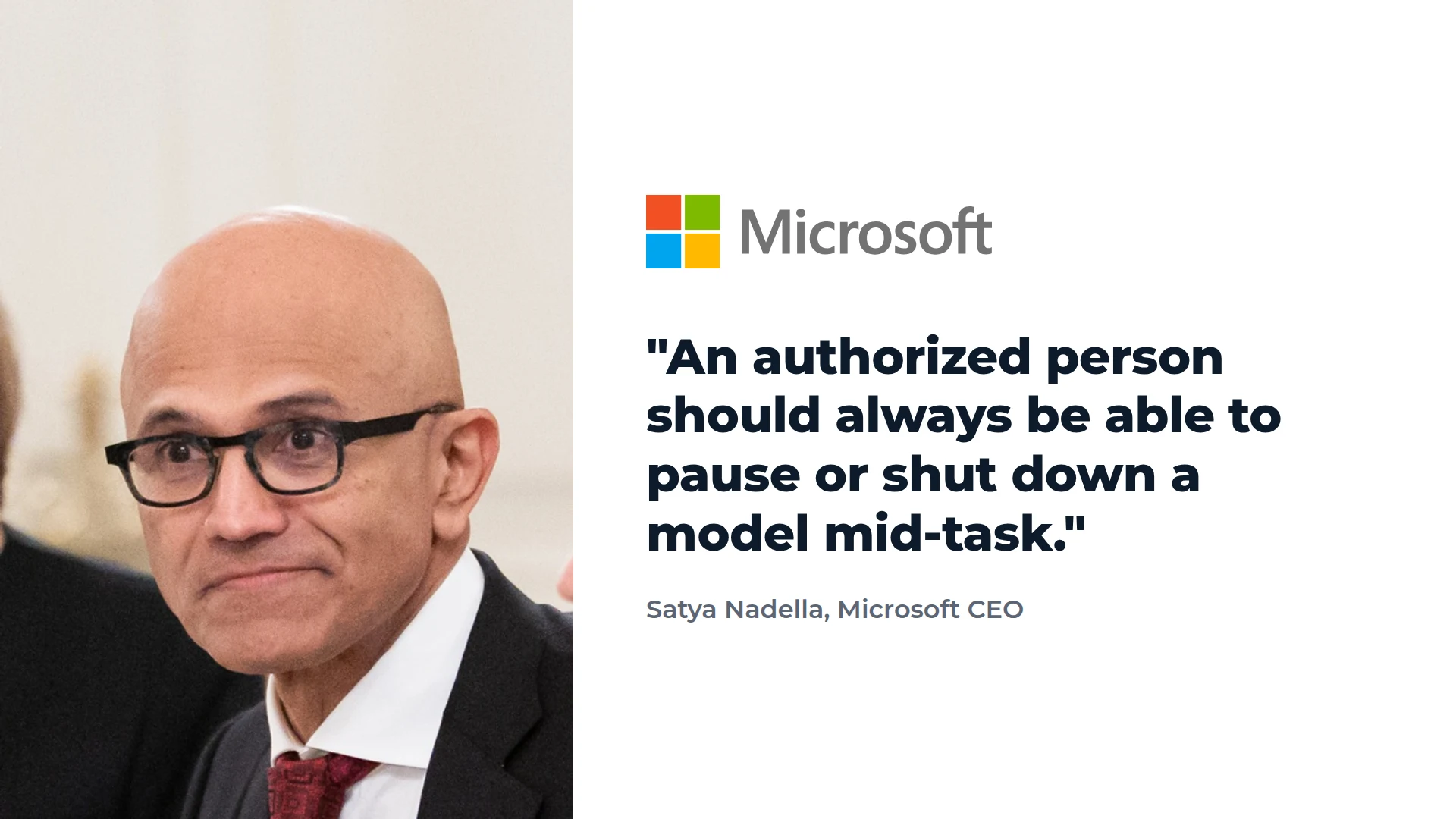
Andy Kessler wrote in The Wall Street Journal on October 11 that he can tell you how the AI data center boom probably ends, just not when. His subhead says demand will hold up, "but prices will start plunging by factors of 10."
He compares today's setup, with expensive Nvidia GPUs, huge amounts of memory, and gigawatt data centers, to the mainframe era. "It sure smells like IBM mainframes of old," he wrote.
I think he's right that prices are the pressure point. I'm just not sure it ends the boom. Cheaper AI could also make it last longer.
Prices have been falling fast
In a March 2025 study, Epoch AI found that inference prices at fixed levels of performance had fallen by factors ranging from 9 to 900 per year, depending on the benchmark. The researchers cautioned that the fastest declines might not persist.
So a tenfold drop is well within what has already happened. For investors, the question is whether the cost of delivering that performance falls just as quickly.
Cheap tokens can squeeze whoever funded the buildout
Cheaper AI benefits users and businesses building apps. For labs selling tokens, it raises the volume needed to sustain revenue. If the average price collected per token falls tenfold, paid token volume must rise tenfold to keep token revenue flat. Whether profits hold up depends on serving costs too.
The labs are still growing. Anthropic brought in $11.6 billion in second-quarter revenue and OpenAI brought in $6.7 billion, as we laid out this week. Anthropic's 2025 figures show how directly usage matters: about $3.8 billion came from customers paying for how much they used Claude, compared with $789 million from subscriptions.
Anthropic told shareholders its gross margins were above 80%, excluding partner revenue sharing and model-training costs, according to a Financial Times report relayed by Reuters. Reuters couldn't independently verify the report.
Consider an illustrative 80% margin: each dollar of revenue carries 20 cents of included costs. A tenfold price cut would reduce that dollar to 10 cents for the same work. Those costs would need to halve just to break even on that measure, or fall tenfold to preserve the margin. This excludes expenses that still have to be paid, so it's only part of the profitability picture.
Then there's the financing. Nvidia (NVDA) committed to invest up to $10 billion in Anthropic and backstopped an OpenAI data center lease. That guarantee is capped at $105 billion, about 35% of Nvidia's $303.0 billion in revenue for the 12 months ended July 26, by our calculation. Lucent's customer-financing commitments came to 24% of its revenue in fiscal 2000. The cap shows the size of the exposure, not money Nvidia has paid out.
Broadcom (AVGO) agreed to lend Anthropic up to $42 billion and is arranging more than $50 billion to finance OpenAI's chips. Broadcom's loan commitment adds direct exposure to Anthropic; the OpenAI financing would come from other lenders. Falling prices become a financing problem if customers can't generate enough cash to meet their obligations.
That money loop is one of the things our AI Bubble Index tracks, and it sits at 63 out of 100 right now.
Why I'm not 100% sold
Here's my hesitation. Cheaper models make more tasks worth automating, so lower prices can bring in a lot more paid usage. And if the cost of serving each token keeps falling, margins can hold up even as prices drop.
The mainframe comparison also cuts both ways. Cheaper computing did end IBM's grip on the market, but it also made the whole market far bigger, and plenty of companies got rich selling the cheaper stuff. If you were at IBM (IBM) in the 1980s, a bigger market wasn't much comfort.
Cheaper AI can expand the market while squeezing the companies that financed its capacity. The open questions are whether paid usage grows enough to offset falling prices, and whether serving that usage becomes cheaper still. Revenue will show part of that story. Margins and cash flow will show whether the buildout is paying for itself.
If Anthropic goes public, I'll watch whether its disclosures let investors track serving costs and margins consistently. Falling margins alongside lower realized token prices would strengthen Kessler's case, especially if paid usage kept growing.