My position: I own INTC. I bought it despite a D grade from our own stock score tool, and flagged today's earnings as the real catalyst two weeks ago. Nothing below is investment advice.
Key points
- Revenue grew 25% to $16.1 billion, the fastest growth in about 15 years, and adjusted EPS of 42 cents doubled the 21 cent estimate.
- A $12.5 billion non-cash charge tied to the government's CHIPS Act stake turned that beat into an $11 billion GAAP net loss.
- The stock spiked toward $114 after hours, then gave back more than half the move, last near $104.50 as of Thursday evening.
- I own INTC after buying it despite a D grade from our own stock score tool. This was the catalyst I said to watch.
- Update, July 25: it didn't hold. INTC closed Friday at $92.32, down 7.90%, below where it traded before earnings.
Two weeks ago I wrote that I was circling Intel (INTC) and that earnings on July 23 would be the real catalyst, not the executive hire that got me interested. Tonight that catalyst landed.
Wall Street's estimate was $14.42 billion, and Intel did $16.1 billion, up 25% from a year ago. That's the fastest revenue growth the company has posted in around 15 years. The earnings beat was even bigger. Analysts expected 21 cents a share. Intel posted 42 cents, exactly double.
The breakdown is where the AI story actually shows up. Data Center and AI revenue jumped 59% to $6.3 billion. Intel Foundry, the contract manufacturing arm Intel has poured money into for years, grew 31% to $5.8 billion, though most of that is work for Intel's own product groups rather than outside customers, which is why the segments add up to more than the $16.1 billion company total. Client Computing, the boring PC chip business that pays the bills, still grew 13% to $8.9 billion. Every segment grew. That almost never happens with Intel.
Intel also reported a GAAP net loss of $11.0 billion, or $2.16 a share in the same release. That number has nothing to do with how the business performed this quarter. The loss comes almost entirely from a $12.5 billion non-cash mark-to-market charge on shares Intel escrowed as part of its CHIPS Act deal with the federal government, which now owns close to 10% of the company. The accounting runs backward from what you'd expect. Intel's stock has ripped more than 170% year to date before tonight, and the more it runs, the bigger that paper charge gets, since the government's stake is worth more too. Non-GAAP net income, which strips the charge out, was a real $2.2 billion.
CFO David Zinsner said on the call that the company is supply constrained on data center chips, with customers asking for more than Intel can currently produce. That's a good problem, and it lines up with the guidance: Intel expects $15.8 billion to $16.8 billion in third quarter revenue, above the $15.10 billion Wall Street was modeling.
Now the part that's still playing out. INTC closed Thursday's regular session at $100.23, essentially flat. Earnings hit right after the bell. The stock spiked as high as $113.70 in after hours and then gave back more than half of that within the same session. It last traded near $104.50 as of Thursday evening, still above Thursday's close but well off the high. Friday's regular session decides whether that holds.
We flagged the setup here twice already. The government's stake and the Seok-Hee Lee packaging hire were the reasons I started circling the stock, and our own stock score tool graded Intel a D right as I decided to buy it anyway. Tonight doesn't erase that grade. Intel is still a company mid-turnaround with real execution risk in its foundry business. Revenue grew 25% and the AI server business is supply-constrained. Guidance came in higher than expected too, and that's a much stronger quarter than a D score alone would have told you to expect.
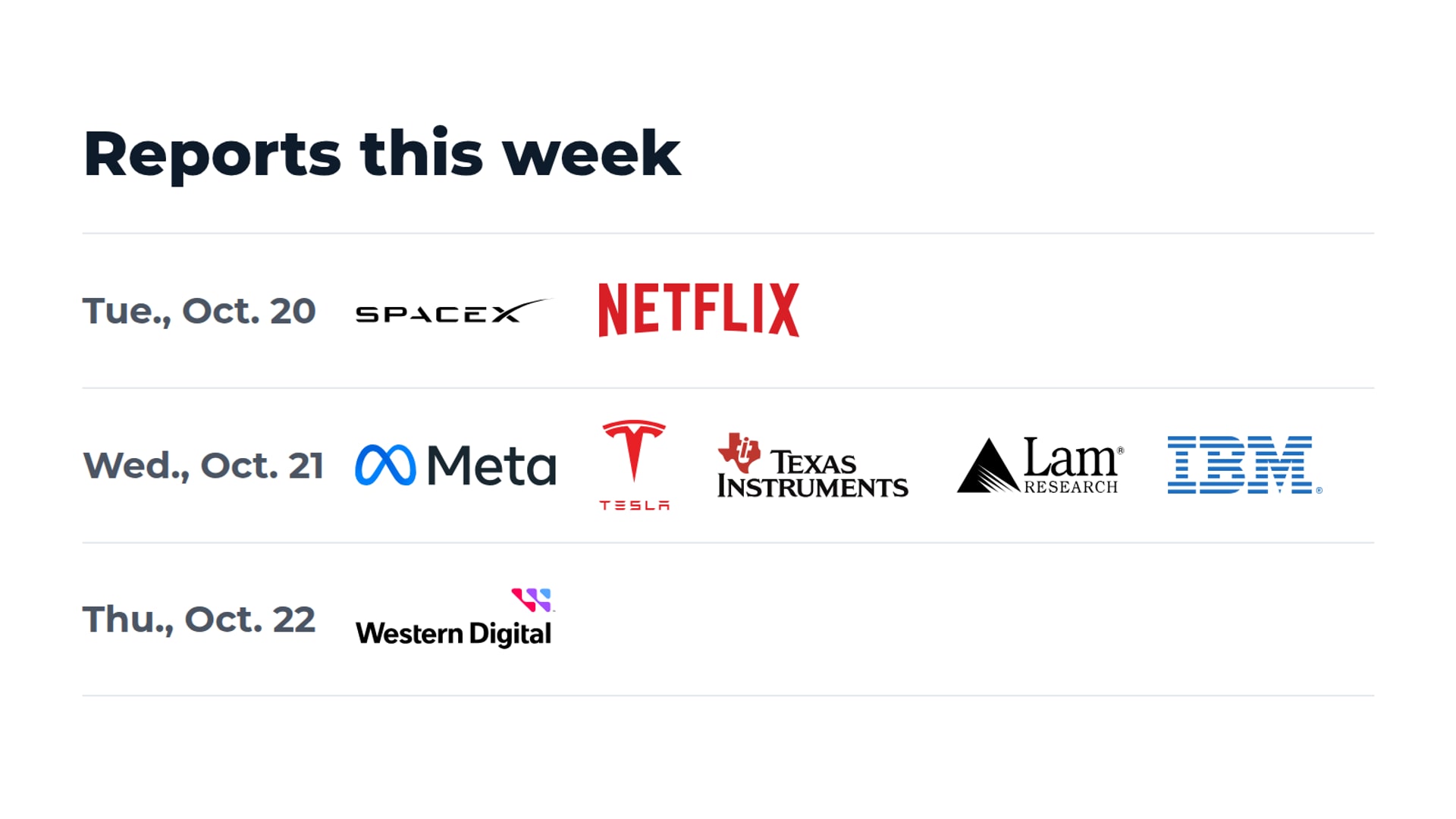
I'm not adding to the position tonight off an after hours print. I'll see where it actually settles once Friday's session has a real book behind it. This week's earnings slate also flagged Intel as one of the names that would decide whether the AI spending story is real, alongside Alphabet and Tesla. IBM was in that group too. Intel's own filings are on our INTC stock page if you want to read the source documents yourself.
Update, July 25: Friday answered it, and not the way the print suggested
It didn't hold. INTC closed Friday at $92.32, down 7.90% from Thursday's $100.23 close, which put the stock below where it sat before earnings even landed, despite the revenue beat and the raised guidance. The $113.70 after hours high never came close to printing in the regular session.
I'm glad I didn't add Thursday night. The wider tape didn't help, since Friday was a broad selloff in anything with heavy capital spending attached to it. But a 7.9% drop the session after a double beat is the market saying it cares more about the $12.5 billion charge and the foundry execution risk than about one quarter of 25% growth. I still own it and I still haven't added.
Sources
- Intel Corporation second-quarter 2026 results and management commentary from the July 23, 2026 earnings call
- Settled regular-session closing prices for INTC, July 23 and July 24, 2026, via Robinhood market data
- Intel's SEC filings: INTC stock page