Key points
- Samsung and SK Hynix followed a 12% US chip drop
- Individuals bought $6.8 billion of Samsung and SK Hynix in a month
- KODEX Leverage, their most-bought ETF, fell 45% in a month
South Korea's Kospi fell more than 8% within three minutes of the market opening on November 6, triggering a 20-minute trading halt. It was the Kospi market's 11th halt of this kind this year and the 17th in its history, Yonhap News Agency (연합뉴스) reported.
The index had opened 2.24% lower and fell below 5,000 during trading for the first time since February 6. It was down 8.52% when trading stopped at 9:03:33 a.m. in Seoul, or 7:03 p.m. on November 5 in New York. Samsung Electronics (005930) was down 9.98% and SK Hynix (000660) was down 11.71% just after trading stopped. The previous halt was on October 15, 16 trading days earlier.
The Kospi climbed back above 5,000 after trading resumed. At 11:07 a.m., it was down 5.48% at 5,088.76, about 44% below its June 22 record close. Samsung was down 5.06% at 191,300 won ($141), and SK Hynix was down 7.59% at 1,168,000 won ($861).
Korea's top four economic and financial officials, including Finance Minister Lee Hyoung-il, planned a closed emergency meeting for 10:30 a.m., Digital Daily (디지털데일리) reported. No specific measures had been decided at that point.
Korean chip stocks followed a US selloff
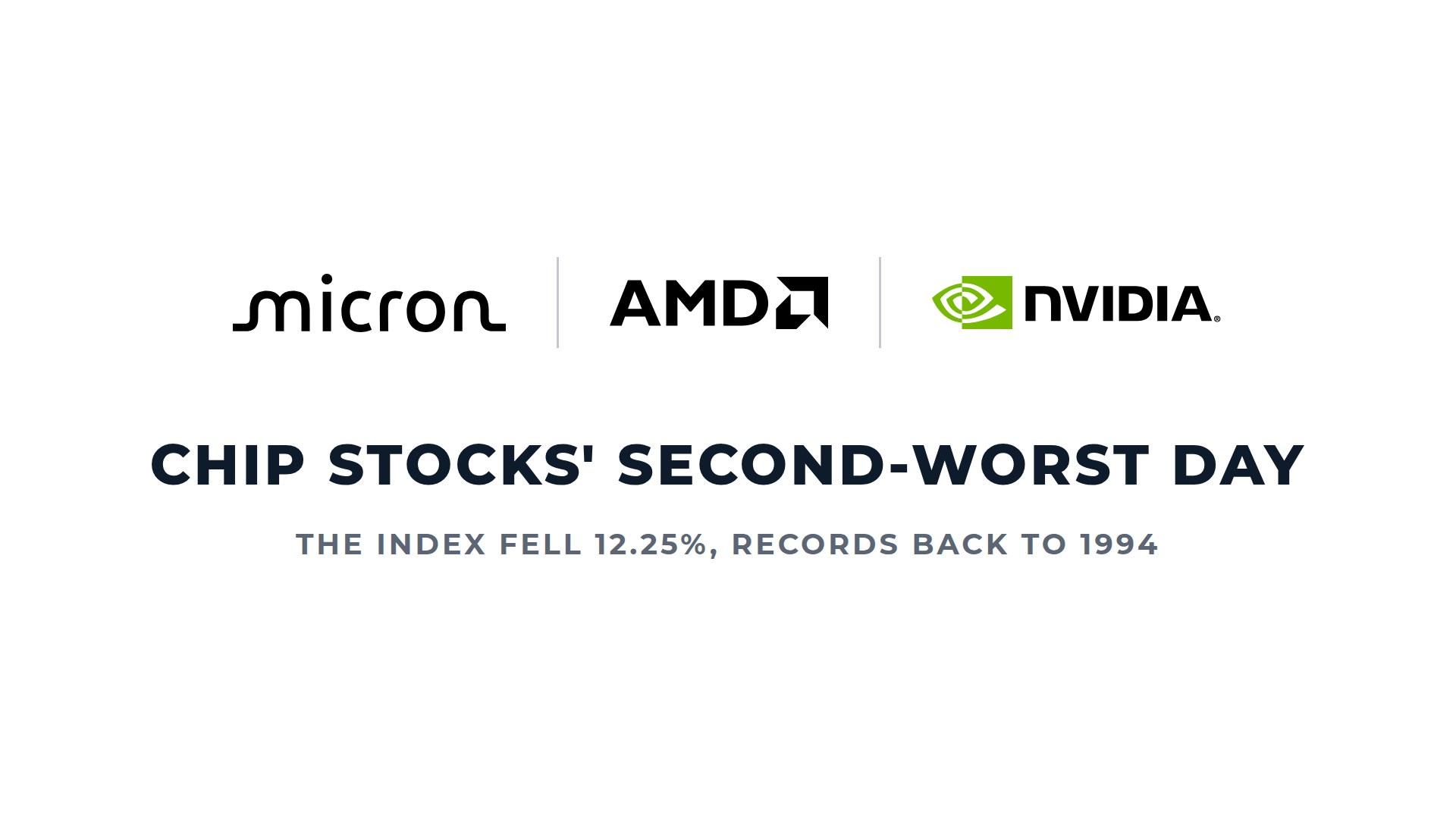
The Philadelphia Semiconductor Index fell 12.25% in New York on November 5, its biggest one-day drop since 2020. The Nasdaq Composite lost 5.52%. Micron (MU) fell 17.46%, Sandisk (SNDK) fell 22.26%, and SK Hynix's US shares lost 13.40%.
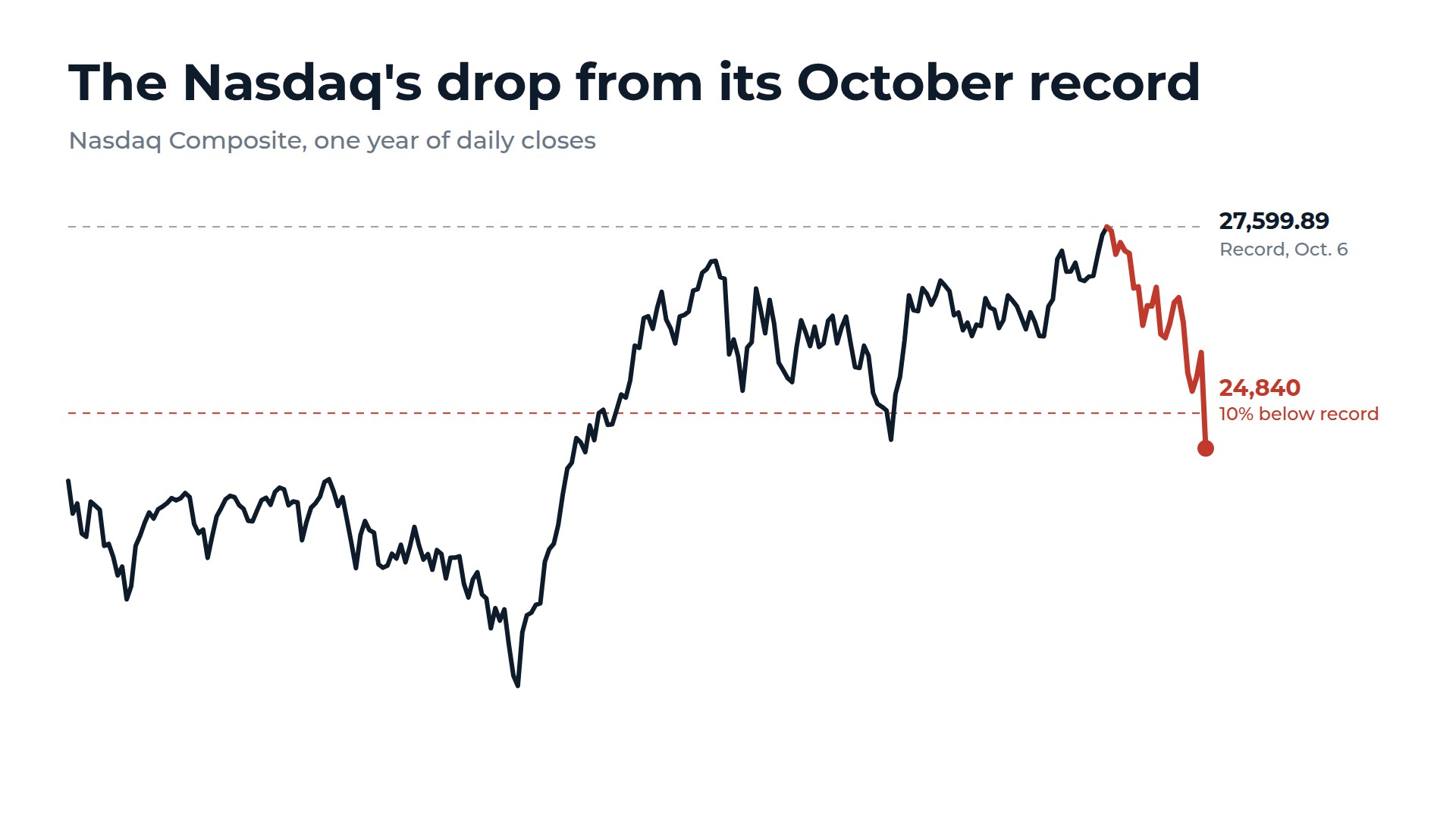
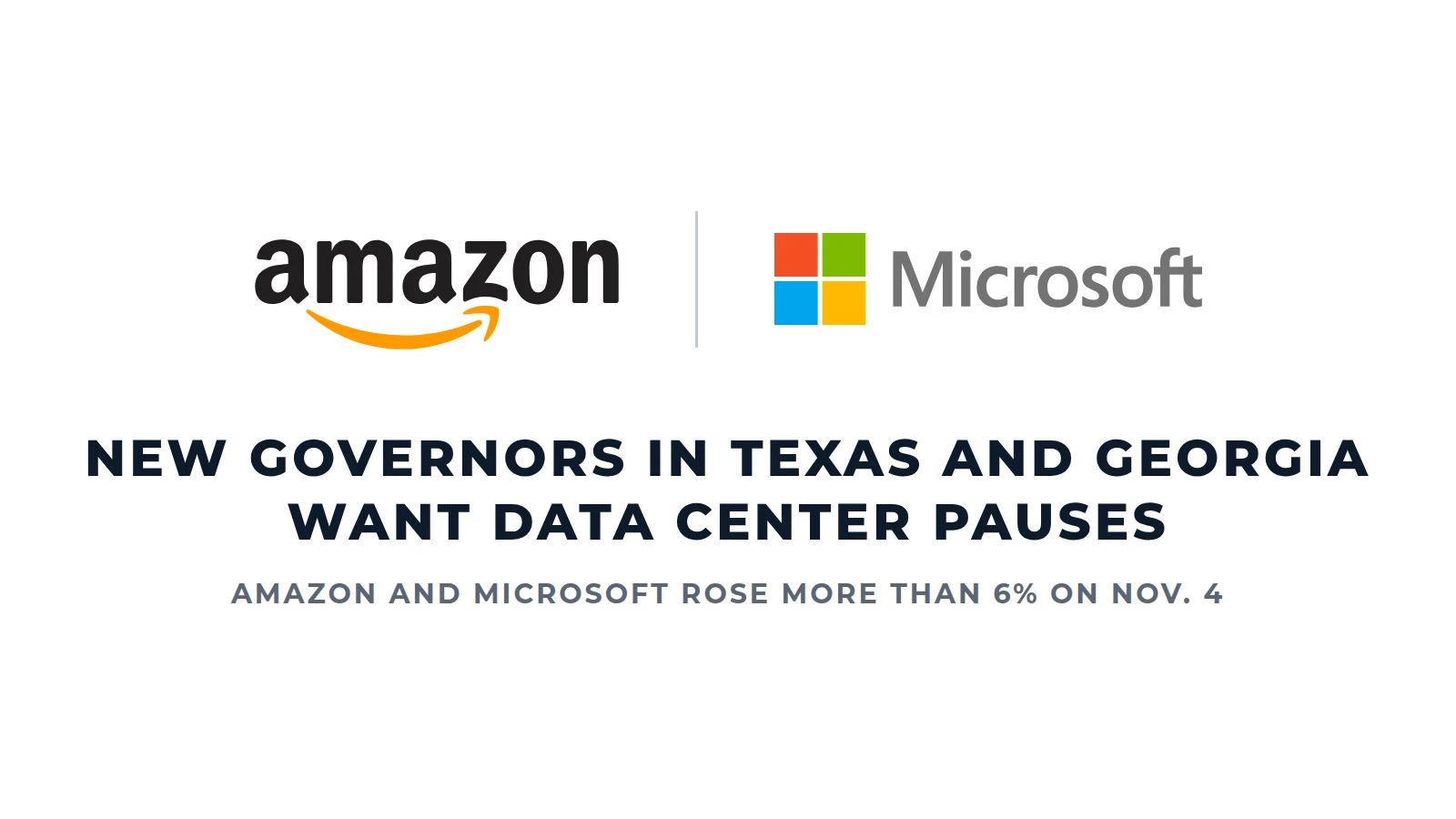
Yonhap linked the fall in Seoul to the US selloff and to worries about tighter rules for AI data centers after Democrats' big win in Congress. The Kospi had already fallen 5.28% on November 5. The Nasdaq's decline put it in a correction; we checked what happened after 31 earlier ones.
Individuals kept buying the two chipmakers
From October 6 to November 5, individual investors in Korea bought a net 5.83 trillion won ($4.30 billion) of Samsung and 3.36 trillion won ($2.48 billion) of SK Hynix, according to Koscom CHECK data. They were the two largest net purchases of any listed Korean security, ETFs included. Together, they came to 9.19 trillion won ($6.8 billion), by our calculations.
Individuals continued buying on November 5, despite the Kospi's 5.28% decline. They bought a net 1.23 trillion won ($905 million) of Samsung and 890.2 billion won ($656 million) of SK Hynix that day.
Yonhap quoted one SK Hynix holder from an online stock community on November 6. "I thought yesterday was the bottom. I set a sell order at minus 3% just in case, and it sold right away."
Single-stock fund trading fell after July's cash rule
On July 31, two days after the market stopped on back-to-back days, Korea began requiring 30 million won ($22,100) in cash to buy leveraged funds tied to one stock.
Daily trading in the single-stock funds fell from more than 10 trillion won ($7.4 billion) to under 1 trillion won ($737 million), Herald Corp (헤럴드경제) reported in August. The paper said index leverage funds could still be bought with the old 10 million won ($7,400) deposit, and it estimated that individuals had moved to index leverage and inverse funds.
KODEX Leverage, which targets twice the daily move of the Kospi 200, took in 573.9 billion won ($423 million) from July 30 to August 5. The figures don't establish how much of that money came from investors who had used single-stock funds.
From October 6 to November 5, KODEX Leverage was the ETF individuals bought most, with net purchases of 1.22 trillion won ($899 million), Financial News (파이낸셜뉴스) reported. The fund's return over those dates was minus 45.36%. KODEX Kosdaq 150 Leverage was second at 941.3 billion won ($694 million), and it returned minus 48.79%. Individual buyers' returns would depend on when they bought and sold.
KODEX 200, which tracks the same index as KODEX Leverage without leverage, returned minus 24.39% over the past month, Edaily (이데일리) reported. The leveraged fund's loss isn't exactly double because the fund resets every day. Individuals bought a net 257.2 billion won ($190 million) of KODEX Semiconductor Leverage, and the fund's one-month return was minus 64.00%. None of the 10 ETFs individuals bought most had a gain over the month.
The recent buying has another explanation too. Financial News tied it to individuals buying after the market fell. These figures also don't show that the funds caused the fall on November 6.
Korean analysts say the data center fear has gone too far
Yuanta Securities and Daishin Securities both said on November 6 that the market is pricing in too much, in reports Yonhap summarized. Yuanta said up to 30.3 gigawatts of planned 2028 US data center capacity could be exposed to new rules, or 48.7% of projected net additions. That number comes from a hypothetical construction stop, and none of it is a confirmed delay or cancellation.
Yuanta also said 75% of the 33.8 gigawatts due for completion in 2027 in 20 major states has already started construction.
"With the Democrats' big win, we have to accept worries about construction delays and higher costs," said Lee Kyung-min, an analyst at Daishin. "But the chance of a full stop to construction at the federal level is limited."
Yuanta said its view would need another look if 2027 and 2028 profit estimates for chipmakers come down. The first test is CoreWeave (CRWV) third-quarter results next week, when Daishin plans to watch cash flow, interest costs, and funding plans.
Korean share prices are as of 11:07 a.m. in Seoul on November 6 unless otherwise noted. Dollar figures use 1,357 won. Quotes are translated from Korean.