Key points
- Tesla reports after the close on Oct. 21
- Why Morningstar values AI above the cars
- The targets Tesla set for itself
- A SpaceX merger could change the math
I drive a Tesla (TSLA), and I expect every car I buy from here on to be a Tesla. Buying the stock takes more convincing.
Tesla reports third-quarter results after the close on Wednesday, Oct. 21. Its shares closed Thursday at $362.44, down 19.4% this year.
Morningstar gives Tesla three stars and a $450 fair value estimate, about 24% above Thursday's close, and calls it "modestly undervalued." But look at where that $450 comes from.
Robotaxis account for more than 30% of Morningstar's valuation, self-driving software subscriptions nearly 20%, and Optimus nearly 30%. "The majority of our valuation comes from Tesla's AI software and robotics ventures," the firm wrote.
That leaves the automotive business accounting for a minority of Morningstar's estimated value.
The car numbers are mostly out
Tesla delivered 486,532 vehicles in the third quarter, beating Wall Street's forecast.
The delivery report doesn't show margin, and that's where July went wrong. Revenue rose 26% to $28.24 billion, but adjusted earnings of 33 cents a share missed the 51 cents analysts wanted, and the operating margin was 1.4%. Even the $1.11 billion of net income leaned on a $1.005 billion paper gain on Tesla's SpaceX stake. The stock fell about 12% the next morning.
To be honest, I don't think the forward earnings picture will look good. One strong delivery quarter doesn't fix a margin that thin, and if it's still around 1%, the AI story has to carry the whole stock again.
Robotaxis and robots have to scale
There needs to be more than cars. Cybercab rides opened to the public in Austin on Sept. 4, and Tesla now says it has more than 300 self-driving taxis serving Austin. NHTSA is also auditing how Tesla certified a car with no steering wheel or pedals, with Tesla's answers due Oct. 30. The agency didn't allege a defect when it opened the review.
For me, robotaxis count as scaled when they're fully operational in every major city. Tesla said in its second-quarter update in July that the service was live in seven major US metros. A fleet count doesn't tell us how many cars are carrying paying passengers. On the call, I want operating fleet size, paid rides, and actual Optimus production numbers. I'd rather hear counts than dates.
My bar for the AI side is one Tesla set for itself. Elon Musk's pay package counts 10 million active FSD subscriptions, 1 million bots delivered, and 1 million robotaxis in commercial operation among its milestones, according to Tesla's 10-Q. Tesla had 1.48 million active FSD subscriptions at the end of June, up 56% from a year earlier. FSD now costs $99 a month, so 10 million subscribers would bring in about $990 million a month, or about $11.9 billion a year, by my math, before discounts or regional pricing differences. Until the counts get a lot closer to Tesla's own targets, it's still a story.
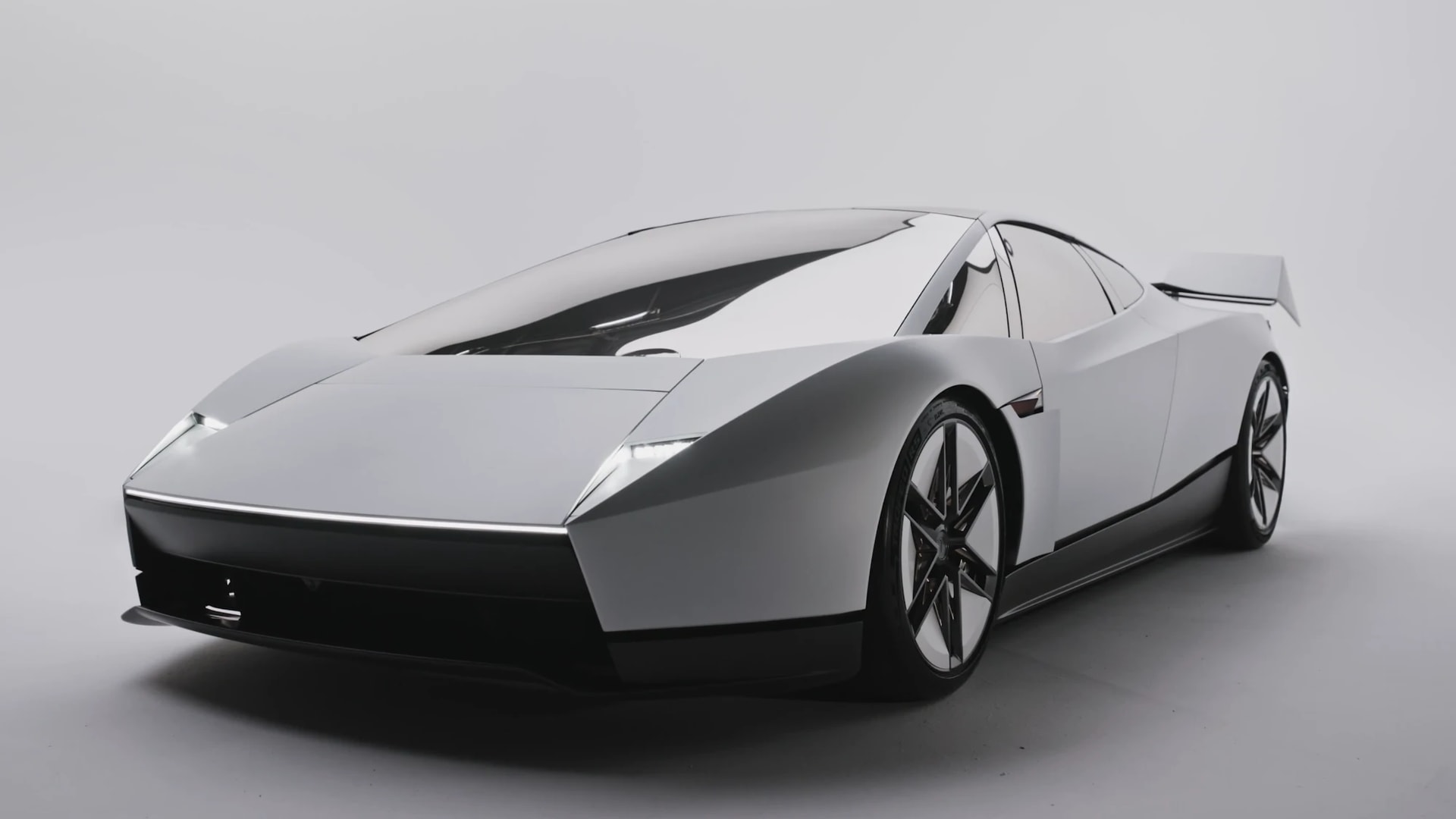
Tesla also finally revealed the new Roadster on Oct. 15, almost nine years after first showing one, and the car flew. In the demo, compressed-air thrusters lifted it over a row of other Teslas while it was moving. Musk said Tesla will build it in 2028 but didn't give a price, and even he said he's "not sure it moves the needle massively from a revenue standpoint." The car is pretty sexy, but a sports car won't fix a margin.
My bigger guess is SpaceX
I think something else decides the stock this year, and I've been saying it for a while. My guess is Tesla and SpaceX (SPCX) merge by year-end, with SpaceX as the main company, and Tesla shareholders get a good premium for their shares. Neither company has announced anything.
I see SpaceX as the more likely buyer, given its larger market value and Musk's voting control. At Thursday's close, it was worth about $2.02 trillion, against about $1.43 trillion for Tesla. SpaceX's June IPO prospectus said Musk would hold about 82.4% of its voting power after the offering, enough to control the outcome of any SpaceX shareholder vote. Tesla's own stake in SpaceX is small: a $2 billion investment, worth less than 1% of the company.
By my math, one Tesla share was worth about 2.44 SpaceX shares at Thursday's close. A 20% premium would push that to about 2.93. In an all-stock deal with no premium, Tesla shareholders would own about 41% of the combined equity at Thursday's market values, before any adjustments.
A deal would also give Musk control he doesn't have at Tesla, which has one class of stock and where his stake was 19.8% in the 2025 proxy, counting options. His SpaceX Class B shares carry 10 votes each, so if Tesla holders got one-vote shares, my rough math has him at about three-quarters of the combined vote. That's only an estimate, but it's why I think Tesla holders won't sign off without a massive premium.
What would tell me it's coming? Tesla hasn't filed a proxy for its 2026 annual meeting yet, and on Sept. 29 the SEC signed off on a Tesla program letting retail holders automatically vote with the board, mergers included. A merger proposal in a shareholder filing would support my thesis. An annual proxy without one would leave it unconfirmed. An explicit rejection from Musk, maybe on the Oct. 21 call, would make me reconsider.
If it happens, next week's margin matters a lot less than the exchange ratio. Without a deal, the bar is Tesla's own: 10 million FSD subscriptions, 1 million bots, and 1 million robotaxis in commercial operation. Morningstar gives Tesla a "Very High Uncertainty Rating" for a reason.
With Tesla, you're paying for the vision. I need to see more before I invest any money.
I don't own Tesla or SpaceX shares. I am not a financial advisor, and nothing here is investment advice. This column is my personal opinion.