Key points
- Optimus output rose from dozens to hundreds a week, the report says
- Managers are aiming for 1,000 a week by year-end
- Each hand and forearm still needs 100-plus parts assembled by hand
- Tesla plans to lease its first commercial robots, the report says
Tesla (TSLA) has raised production of its Optimus humanoid robot to several hundred a week, but hand assembly and supplier quality are slowing the ramp, The Information reported on Friday. Tesla shares were down 1.7% at $371.64 as of 10:58 a.m. Eastern time, against Thursday's $377.94 close, after opening higher.
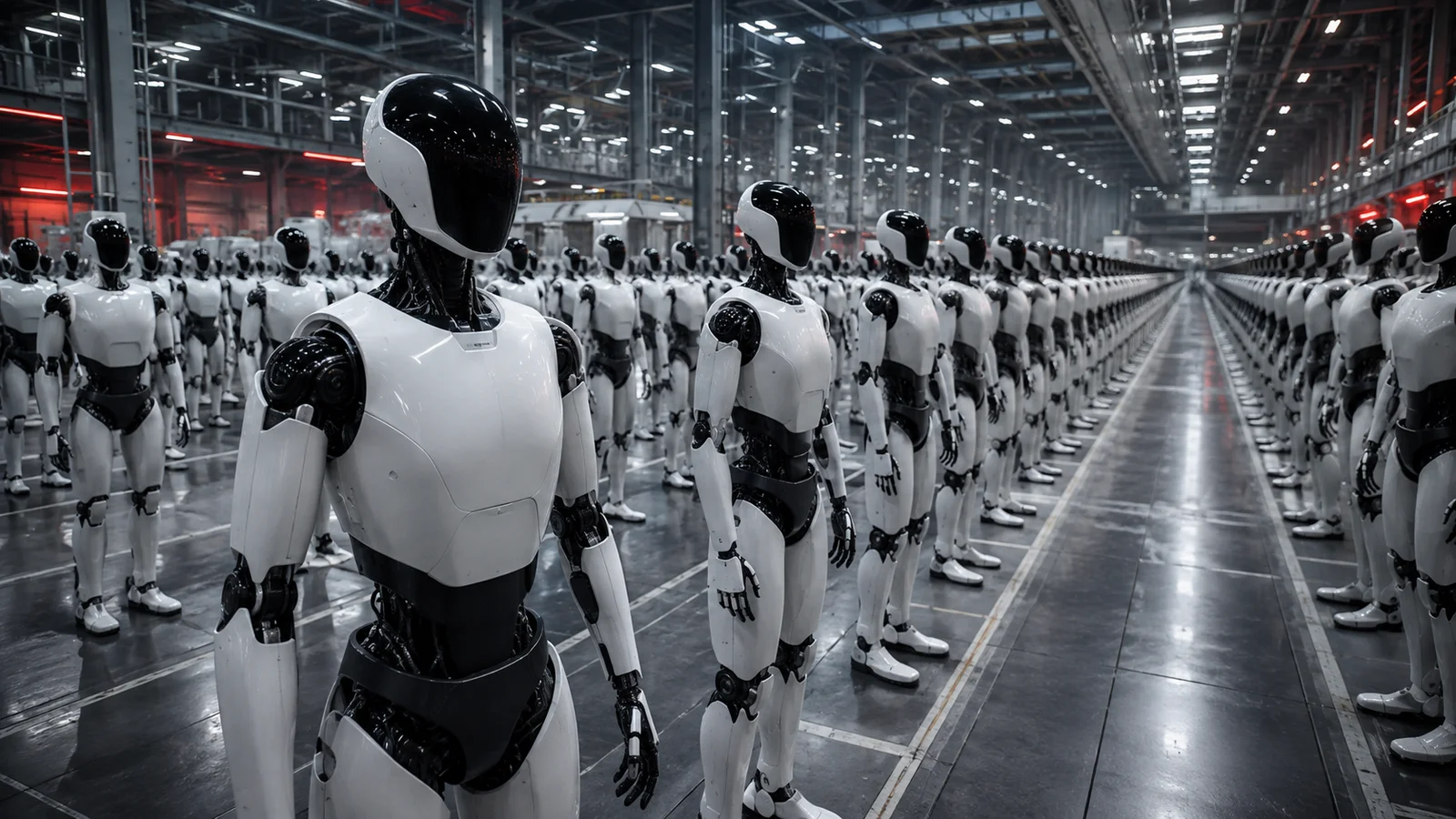
Tesla went from a few dozen robots a week during small-batch testing in the second quarter to several hundred a week in August, according to the report by Qianer Liu and Grace Kay. Managers are aiming for an automated line that can build more than 1,000 robots a week by the end of the year, and eventually about 20,000 a week, Electrek reported, citing the article.
The hands are the hardest part to build
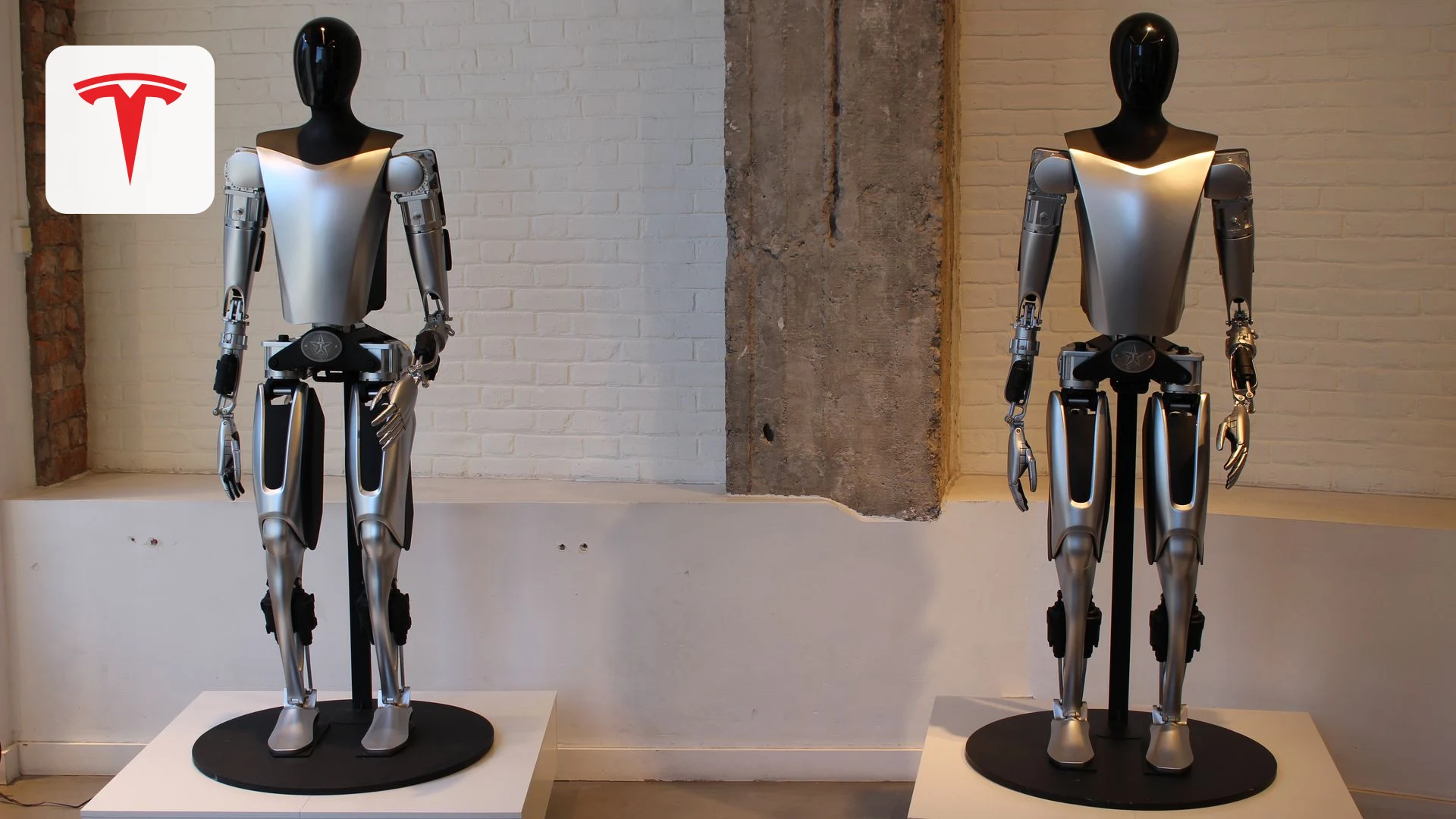
The robot's hand and forearm contain more than 100 screws and small components that workers still assemble by hand, according to the report. Fixtures used to hold and align parts are not precise enough at some assembly and testing stations, leaving more robots needing rework.
Some touch sensors in the hands have also proved unreliable. Tesla plans to add a replaceable sensing glove next year so a sensor problem does not require replacing the whole hand, the report said.
The production ramp is testing suppliers too. Tesla buys motors and precision gears for the robot's joints from outside manufacturers, many in China. Some can make small batches of good parts but struggle to maintain quality as orders grow, according to the report. Earlier this month, a Chinese outlet reported that Tesla had ordered parts for about 5,000 Optimus robots, citing suppliers.
The software is still learning one task at a time
Three people familiar with the system told The Information that Optimus' AI cannot yet reliably handle a wide range of tasks, and that its behavior can be unpredictable in situations it has not been trained on. It still takes several days for the robot to learn even basic tasks, according to the report.
Tesla has more than 500,000 hours of training data and wants to double that by the end of the year. It has moved much of its self-driving data annotation team to Optimus and hired data collectors who wear camera helmets and motion-capture suits, the report said.
Who gets the robots
Most of the robots being built are used inside Tesla for testing, training, and data collection. The current third-generation robots are not the version Tesla intends to offer commercially, which still has to meet stricter durability and reliability standards, according to the report.
Tesla plans to lease its first commercial robots to a short list of companies whose factories and warehouses resemble its own, and to use data from those deployments to improve the AI, the report said.