Key points
- A sixth straight record quarter
- A bigger forecast for the year
- Terafab comes with one condition
Taiwan Semiconductor Manufacturing Co. (TSM) reported its sixth consecutive quarter of record profit on Thursday and raised its full-year sales forecast. Chief executive C.C. Wei also confirmed talks about using capacity at Terafab, the chip factory Elon Musk's SpaceX is building in Texas, with one condition: TSMC would have to run the plant.
Net income was NT$763.06 billion, about US$23.9 billion, up 68.7% from a year earlier. Revenue came to US$46.72 billion. That's above the top of the US$44.6 billion to US$45.8 billion range TSMC forecast in July. The sales number itself wasn't a surprise, since TSMC reports monthly sales and its September report on October 8th already showed a record quarter.
The record streak is easy to see in TSMC's own filings. Quarterly profit was NT$361.56 billion in the first quarter of 2025, a little below the quarter before it. It has climbed every quarter since, to NT$706.56 billion in the second quarter of 2026 and now NT$763.06 billion.
Which chips are driving it?
TSMC groups its chipmaking sales by manufacturing technology. Its most advanced processes are used in AI servers and flagship phones. Chips made at 7 nanometers or smaller, which TSMC calls its advanced technologies, brought in 79% of its chipmaking sales. The newest, 2 nanometers, brought in 8%.
Chief financial officer Wendell Huang said growing production of 2-nanometer chips would help support fourth-quarter sales. In the release, he pointed to "continued strong demand for our leading-edge process technologies, including the steep ramp-up of our 2-nanometer technology."
Gross margin slipped from the second quarter but stayed within TSMC's forecast. TSMC kept 66.4 cents of every dollar of sales after the cost of making its chips, compared with 67.7 cents in the second quarter and a forecast of 65 to 67 cents. After operating costs, its operating margin was 58.7%, above the 56% to 58% range.
What does TSMC expect next?
For the fourth quarter, TSMC expects revenue of US$52.3 billion to US$54.3 billion, with a gross margin of 65% to 67%. For all of 2026, it now expects revenue to grow about 44% in US dollars. In July, that forecast was slightly more than 40%.
Wei also said TSMC's 2-nanometer production capacity will more than double in 2027 from a year earlier, and that a second Arizona factory making 2-nanometer chips should start mass production in the third quarter of 2027.
Terafab, if TSMC runs it
Wei said TSMC is looking for room to grow in the US beyond Arizona. "Texas is one [of our options]. We sent the teams to Texas to do all the evaluation. We also talked to one of our customers, who is trying to build a fab, Terafab, let me be more specific," he said on the call.
The talks aren't finished. "So, we are still in discussion. If we have any solid conclusion, we will share with you," Wei said. Asked about it again, he added: "Either way, it will be possible, but the fab has to be run by TSMC."
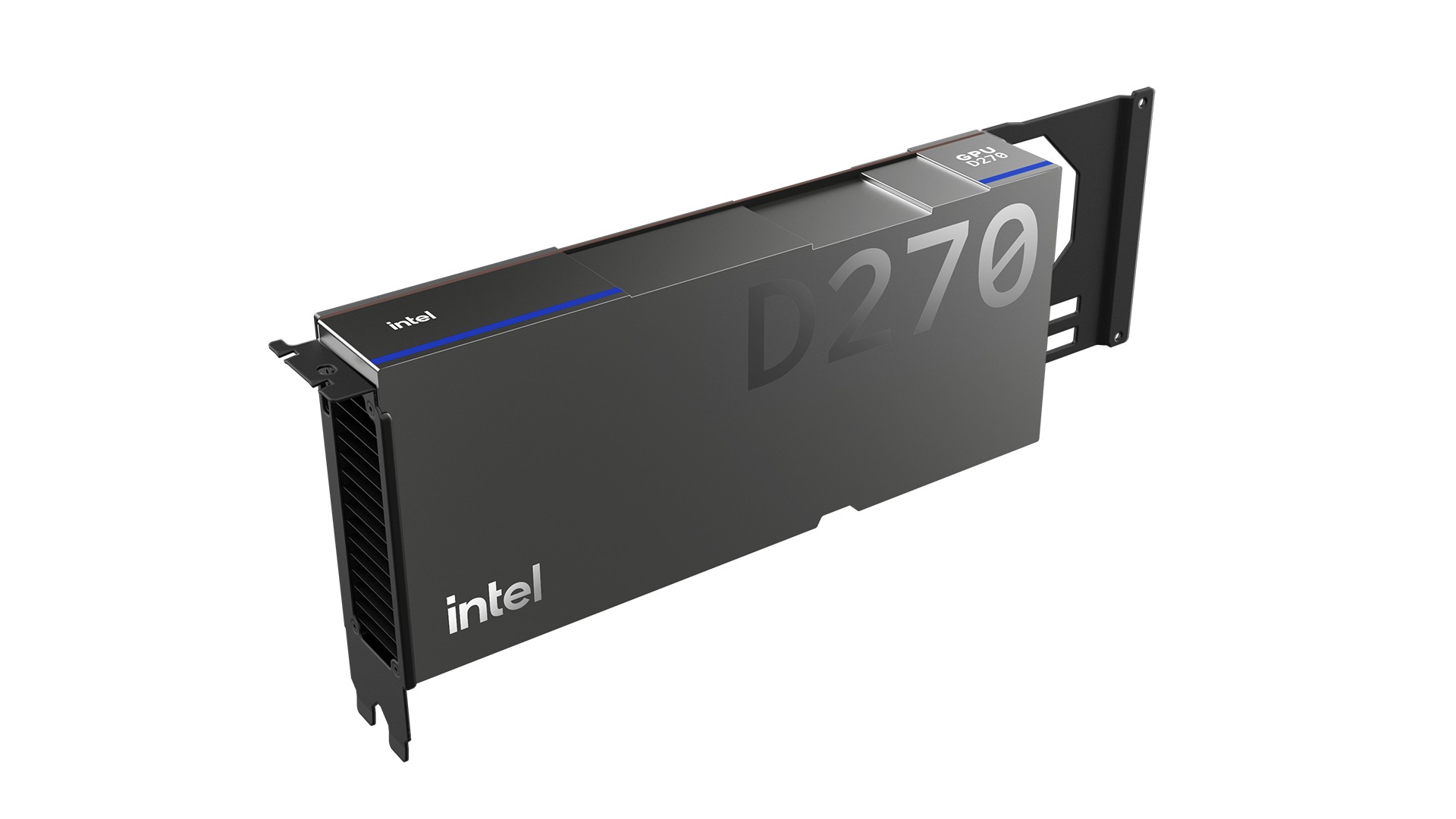
Musk described a smaller role on October 7th. "Maybe TSMC subleases part of the Terafab if they want, but nothing more than that," he wrote on X, as we reported at the time. Intel (INTC) has been Terafab's development partner since April.
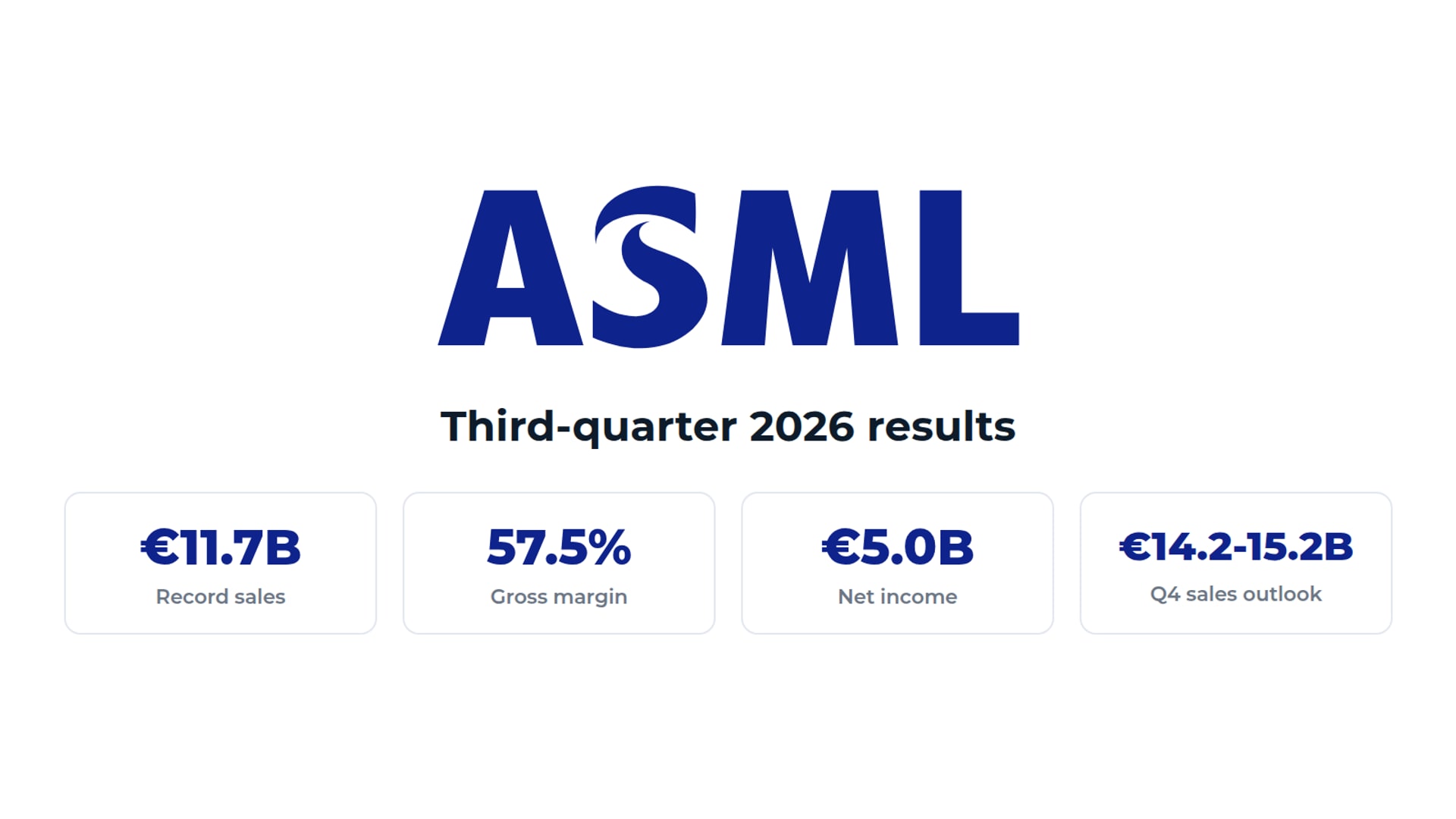
TSMC's US-listed shares were down 3.4% at $415.58 before the market opened on Thursday, as of 8:50 a.m. Eastern. A day earlier, ASML, which makes the machines TSMC uses to print its chips, said its planned supply won't fully meet customer demand in 2027 and 2028.
Net income is converted at TSMC's third-quarter average rate of 31.98 Taiwan dollars per US dollar, by our arithmetic. Wei's call remarks are as transcribed by Tom's Hardware.