Key points
- Projected gap of 127,000 to 157,000 workers by 2030
- Only 3% of US grads taking engineering jobs enter chips
- Samsung and SK Hynix (SKHY) are importing Korean staff
- Micron (MU) recruits at South Korean universities
The US could face a shortage of 127,000 to 157,000 semiconductor workers by 2030, according to a McKinsey and SEMI Foundation report. On Thursday, CNBC spoke with executives trying to hire the people those projections say will be missing.
Money alone doesn't solve this. Public funding and private investment are backing new chip plants in Arizona, Texas, Idaho and New York. But paying for a factory doesn't produce the engineers and technicians needed to run it.
The workforce hasn't caught up.
The pipeline math
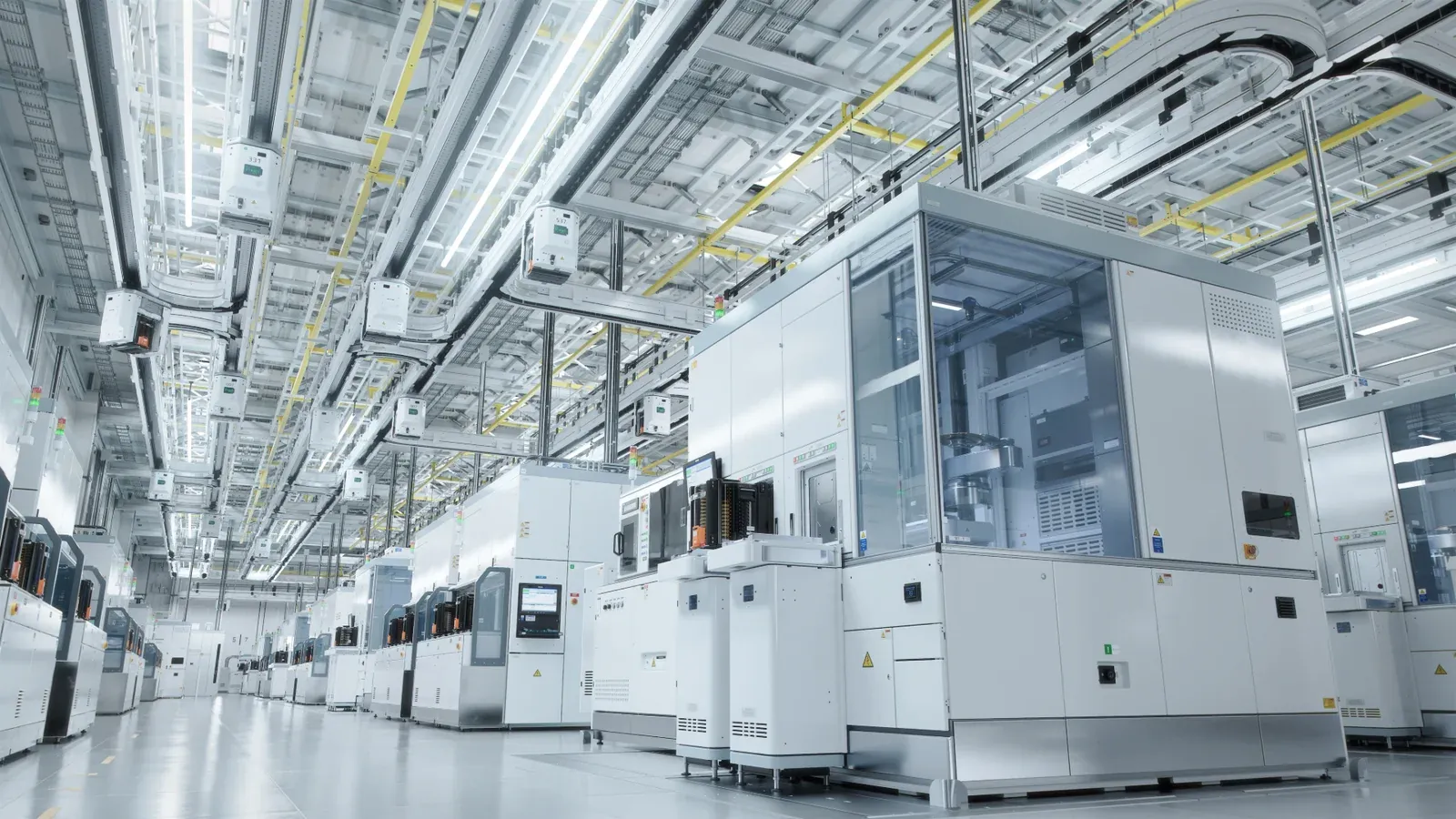
The shortfall isn't only about engineers. CNBC describes the US as going through its fastest chip manufacturing buildout in history, with skilled technicians as central to it as engineers. That puts much of the hiring pressure on the factory floor, where bringing in experienced staff matters as much as recruiting new graduates.
The supply is thin. Only 3% of US graduates who take engineering jobs enter semiconductors each year, according to McKinsey. Meanwhile, 73% of chip employers report significant difficulty filling engineering roles. The factories need people faster than the current pipeline can supply them.
Jon Taylor, who runs Samsung's semiconductor division in Austin, put it plainly. "I'm concerned," he told CNBC. "We just don't see that there's enough technical people in the pipeline."
Samsung is scheduled to start production at the first of two fabs in Taylor, Texas, later this year. The $35 billion expansion is expected to create about 3,500 jobs. Samsung will be competing for those workers with other chipmakers opening plants.
"Everybody wants and needs the same thing, and it's a bit of a race against time right now as everything is starting to come online," Taylor said.
The short-term fix is Korean
Samsung and SK Hynix (SKHY) are flying workers in from South Korea temporarily to start up the new US plants. Samsung has sent US employees the other way, to Korea, for several months of hands-on training. Taiwan Semiconductor Manufacturing (TSM) ran the same play in 2021 while its first Arizona fabs were going up.
"If you look at where advanced technology currently resides, it is in Asia," Taylor said. "Our South Korean colleagues are here to help us start up this equipment that we don't have a lot of experience on."
Micron (MU) goes straight to the source. It runs hiring events at Korean technical universities where a student can interview and walk out with an offer for one of its Asian fabs the same day.
We wrote from Taipei this week about a market with more than two chip openings for every job seeker. That's the pool America is recruiting from. Two shortages, one set of people.
What the jobs pay
The SEMI Foundation puts US semiconductor salaries at $127,000 to $187,000, with senior roles above $238,000. The report does not break that range down by occupation, so it does not tell us what engineers and technicians earn separately.
Korea isn't a like-for-like comparison. The $500,000-plus figure CNBC cites is a bonus, not a salary, and it refers to what Micron, Samsung and SK Hynix paid when thousands of workers threatened to strike. The report doesn't say which roles received them or over what period. The work there often runs 12-hour shifts.
Michael Crow, president of Arizona State University, expects the American side to move. "As people continue to evolve their skills, they're going to have to pay higher salaries," he told CNBC.
Where this shows up for investors
Every fab has a production date attached to it, and those dates are what memory and logic supply forecasts get built on. Staffing risk doesn't appear in a capex line. It appears later, as a finished building running below capacity. I read the spending as committed and the schedule as an estimate, and the people doing the hiring are the ones telling you which of the two is softer.
The long fix
H-1B visas have gotten expensive and slow, so the chipmakers told CNBC the real plan is training people domestically. Purdue launched semiconductor degrees in 2022 and has about 2,500 students in chip-related courses each semester. Arizona State converted an old Motorola fab into a cleanroom with $200 million from chip equipment maker Applied Materials. "We're already the largest producer of college graduates for the Intel Corporation globally, and so we're trying to now become that for TSMC," Crow said.
Korean students are moving the same direction. We covered the record applications to company-sponsored chip programs there this year, against a drop in applications to the top medical schools.
Building a workforce takes years. Micron's Boise fab is scheduled to open next year.
Micron has another under construction in Clay, New York. SK Hynix is building its first US plant at Purdue Research Park in Indiana, a $4 billion site that packages chips rather than making them, and it is separately in talks with Intel (INTC) about US memory production. "Whether it's memory or whether it's logic, I still will be pressed to find all the resources to be able to run those factories," Taylor said.